
The saga of the Boston Strangler is one of the most chilling and enigmatic chapters in American criminal history, casting a long shadow over the city of Boston and its collective memory. Between June 1962 and January 1964, thirteen women in the Boston area were murdered, primarily by strangulation, often in their own apartments. The reign of terror gripped the public, fueling widespread fear and paranoia, forever altering perceptions of safety and community. While Albert DeSalvo ultimately confessed to these crimes and was widely believed to be the perpetrator, he was never formally tried or convicted for the Boston Strangler murders. Instead, his life ended violently within the confines of a maximum-security prison, adding yet another layer of intrigue to an already complex historical narrative. Understanding Albert DeSalvo’s death requires delving into the historical context of the crimes, his incarceration, and the enduring questions that persist decades later, shaping the historical landscape of true crime and justice in Massachusetts.
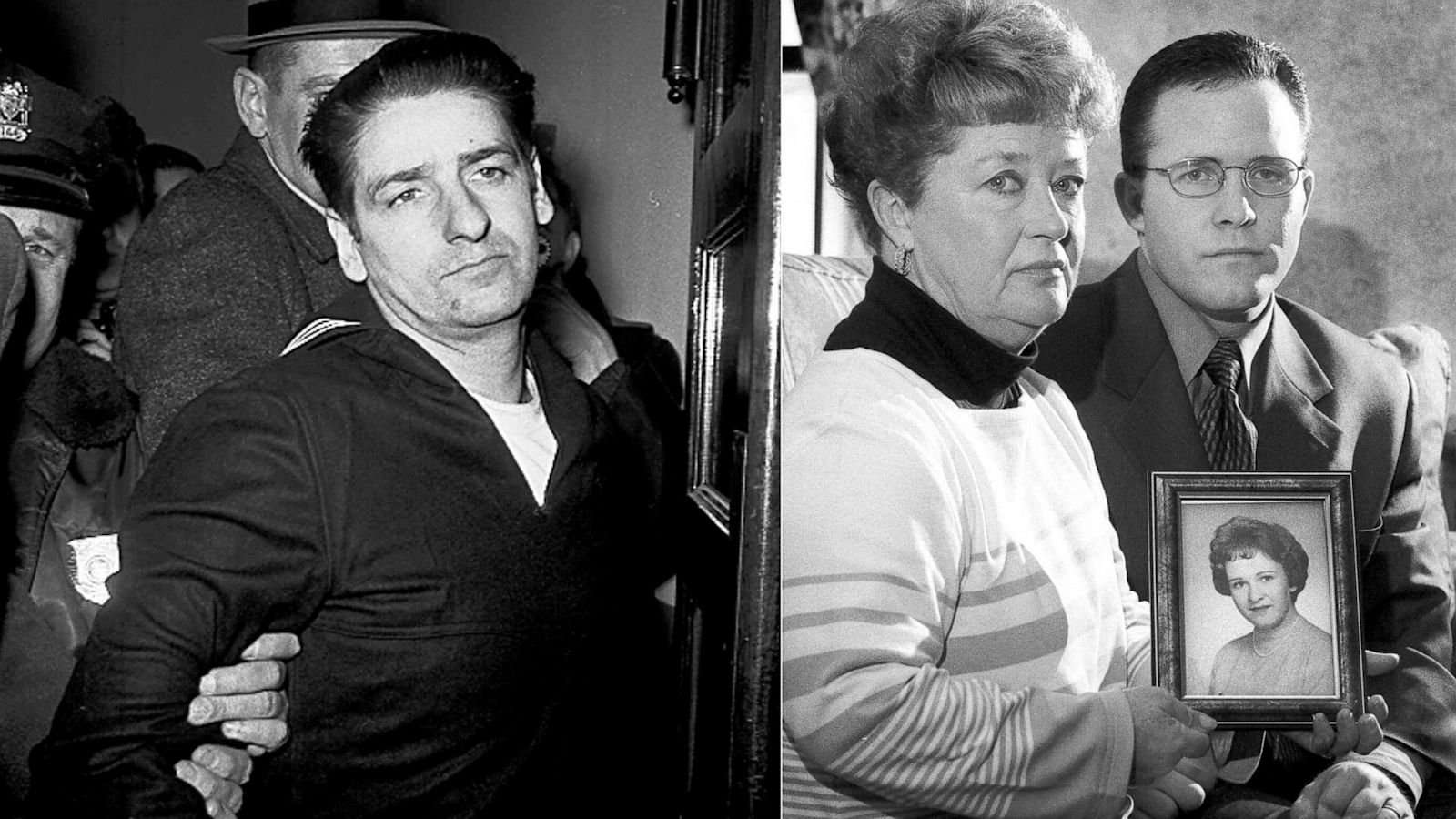
The Boston Strangler Legacy: A Dark Chapter in Boston’s History
The series of murders attributed to the Boston Strangler marked a profound and terrifying period in Boston’s history. The crimes were distinguished by their brutal nature, the advanced age of many victims, and the lack of forced entry in many cases, leading to speculation about the killer’s charm or knowledge of his victims. This era is a significant historical marker, reflecting societal anxieties and policing challenges of the time.
The Reign of Terror and Public Fear
The early 1960s in Boston were defined by an unprecedented wave of fear as reports of the “Strangler” dominated headlines. Women were advised to lock their doors, avoid strangers, and take extreme precautions, measures that were previously uncommon in the tightly-knit neighborhoods of Cambridge and Boston proper. The lack of a clear motive or discernible pattern, beyond the method of killing, exacerbated the public’s terror. This period tested the resilience of the community and the efficacy of law enforcement, creating a historical precedent for how cities grapple with serial crime. The psychological impact on the city was immense, leaving a lasting imprint on its cultural fabric, making the case a historical landmark in understanding urban crime and public response.
Albert DeSalvo: Confession and Conviction
The unraveling of the Boston Strangler mystery largely hinged on the figure of Albert DeSalvo. A seemingly ordinary family man, DeSalvo was already incarcerated for a series of sexual assaults, known as the “Green Man” and “Measuring Man” attacks, in which he would pose as a talent scout or handyman to gain entry into women’s homes. While confined, he dramatically confessed to his cellmate, George Nassar, that he was the Boston Strangler. Nassar relayed this information to his attorney, F. Lee Bailey, who then convinced DeSalvo to repeat his confession.
Despite detailing the murders with remarkable accuracy, Albert DeSalvo was never charged with the Strangler murders. Instead, he was tried and convicted for the earlier sexual assaults, for which he received a life sentence in January 1967. The reasons for not prosecuting him for the Strangler killings were complex: a lack of corroborating physical evidence at the time, the controversial nature of his confession (given without counsel present), and the belief among some investigators that he was a participant in the murders but not necessarily the sole perpetrator. This historical decision left an ambiguous legacy, ensuring that the identity of the Boston Strangler would remain a subject of debate for decades.
The Violent End of Albert DeSalvo
Albert DeSalvo’s life as a confessed serial killer came to an abrupt and violent end within the prison system, a conclusion that was perhaps fitting for a figure shrouded in such darkness. His death did not, however, bring closure to the Boston Strangler case; instead, it ignited new questions and conspiracy theories.
Inside Walpole State Prison
Following his conviction for the “Green Man” and “Measuring Man” assaults, Albert DeSalvo was sentenced to life imprisonment. He was initially sent to Bridgewater State Hospital for the criminally insane, from which he famously escaped briefly in 1967, only to turn himself in a day later. After this escape, he was transferred to Walpole State Prison, a maximum-security institution (now known as MCI Cedar Junction) in South Walpole, Massachusetts. Prison life for such a high-profile, confessed killer was inherently dangerous. DeSalvo was a known figure, not just to the outside world but also to the prison population, where his notoriety could both protect and endanger him. He was often isolated but also managed to maintain some degree of influence, reportedly engaging in various illicit activities within the prison walls.
The Fatal Stabbing: Circumstances and Investigations
On November 25, 1973, Albert DeSalvo was found stabbed to death in his cell at Walpole State Prison. He had been stabbed multiple times in the heart with a homemade shiv. The official cause of death was attributed to stab wounds. Investigations quickly pointed to a fellow inmate, Robert Wilson, who was subsequently charged with DeSalvo’s murder. Wilson claimed self-defense, alleging that DeSalvo had threatened him. However, others suspected a more organized hit, possibly related to gambling debts or other prison politics.

The historical accounts surrounding his death are rife with speculation. Some theories suggested that DeSalvo was killed to prevent him from recanting his Boston Strangler confession, or that he was silenced because he knew too much about other individuals involved in the killings, aligning with theories of multiple perpetrators. The official investigation concluded that Wilson acted alone, a verdict that failed to quell the deeper historical questions about the true circumstances of DeSalvo’s demise and its implications for the unresolved Strangler case.
Unanswered Questions and Lingering Doubts
Even with Albert DeSalvo’s death, the definitive closure for the Boston Strangler case remained elusive. His passing only intensified the historical debate, fueling various theories and prompting further investigative efforts decades later.
The Official Verdict vs. Conspiracy Theories
The official narrative holds that Albert DeSalvo was the Boston Strangler, largely based on his detailed confessions. However, despite this strong belief, numerous doubts persisted. Critics pointed to the inconsistencies in his confessions, the lack of physical evidence linking him directly to all the crime scenes at the time, and the possibility that he was taking credit for crimes committed by others. Many investigators, attorneys, and victims’ families never fully accepted DeSalvo as the sole Strangler, leading to widespread speculation about other potential suspects or even a group of perpetrators.
The circumstances of DeSalvo’s death in prison only amplified these conspiracy theories. Was it a revenge killing by someone who believed DeSalvo had wronged them? Was it an act ordered by others to ensure his silence? These questions became intertwined with the larger historical mystery of the Boston Strangler, embedding themselves deeply into the historical record and popular culture surrounding the case.
DNA Evidence and Posthumous Confirmation
Decades after Albert DeSalvo’s death, advancements in forensic science offered a glimmer of hope for historical clarity. In 2013, DNA evidence unequivocally linked DeSalvo to the 1964 murder of Mary Sullivan, the last known victim of the Boston Strangler. Investigators exhumed DeSalvo’s body and compared his DNA to semen samples found at the crime scene, confirming a match. This forensic breakthrough provided the strongest physical evidence to date, connecting DeSalvo directly to at least one of the Strangler murders.
While the DNA evidence provided significant corroboration for DeSalvo’s involvement in the Boston Strangler crimes, it did not definitively resolve all questions. The absence of similar DNA evidence from all thirteen victims means that some historical ambiguity remains regarding whether DeSalvo was the sole perpetrator or if other individuals were involved in some of the other murders. Nevertheless, this posthumous DNA confirmation significantly strengthened the historical consensus that Albert DeSalvo was indeed the notorious Boston Strangler responsible for at least a portion of the terrifying crimes that once gripped Boston.
The Enduring Historical Impact
The case of the Boston Strangler, culminating in Albert DeSalvo’s violent death, serves as a profound historical landmark, influencing criminology, public safety, and the cultural narrative of Boston. Its complexities continue to be studied, reminding us of the intricate interplay between crime, investigation, and historical memory.
Lessons in Criminology and Justice
The Boston Strangler case provided invaluable, albeit grim, lessons for law enforcement and the justice system. It highlighted the challenges of investigating serial crimes, especially in an era before modern forensic techniques, sophisticated databases, and inter-agency cooperation were common practice. The initial fragmentation of police efforts across different jurisdictions within Suffolk County was a significant hurdle. The case also brought into sharp focus the ethical dilemmas surrounding confessions, particularly those obtained under less-than-ideal circumstances. The ultimate reliance on DNA technology decades later underscores the vital role of scientific advancement in historical criminal investigations and its capacity to provide clarity where conventional methods once failed. The legacy of the Boston Strangler has directly contributed to the evolution of criminal profiling, forensic science, and inter-agency collaboration in solving complex cases.

Boston’s Collective Memory and Cultural Portrayals
The historical impact of the Boston Strangler remains deeply embedded in Boston’s collective memory. The period of fear and the subsequent revelations left an indelible mark on the city’s psyche, shaping conversations about safety, community, and the dark undercurrents that can exist beneath an outwardly vibrant urban landscape. The story has been recounted in numerous books, documentaries, and feature films, each attempting to grapple with the historical facts, the psychological toll, and the enduring mystery. These cultural portrayals reflect society’s fascination with true crime and its ongoing effort to understand the motivations behind such horrific acts. While Albert DeSalvo’s death provided a violent end to the life of the confessed killer, it ultimately served as another chapter in a historical narrative that continues to resonate, reminding us of the profound and often disturbing historical events that shape our understanding of justice and humanity.
LifeOutOfTheBox is a participant in the Amazon Services LLC Associates Program, an affiliate advertising program designed to provide a means for sites to earn advertising fees by advertising and linking to Amazon.com. Amazon, the Amazon logo, AmazonSupply, and the AmazonSupply logo are trademarks of Amazon.com, Inc. or its affiliates. As an Amazon Associate we earn affiliate commissions from qualifying purchases.