
The majestic landscapes of California are renowned for their breathtaking natural beauty, from the towering redwoods of the Redwood National and State Parks to the rugged coastline that draws surfers and sightseers alike. This allure makes it a prime destination for travel enthusiasts, seeking adventure, relaxation, and unique cultural experiences. Whether one is dreaming of a luxurious stay at a sprawling resort, a cozy apartment in a bustling city like Los Angeles, or a family-friendly villa near the theme parks of Anaheim, California offers accommodation options to suit every preference and budget. The state’s rich history, evident in its charming towns and iconic landmarks, further enhances its appeal, making it a focal point for tourism and lifestyle explorations.
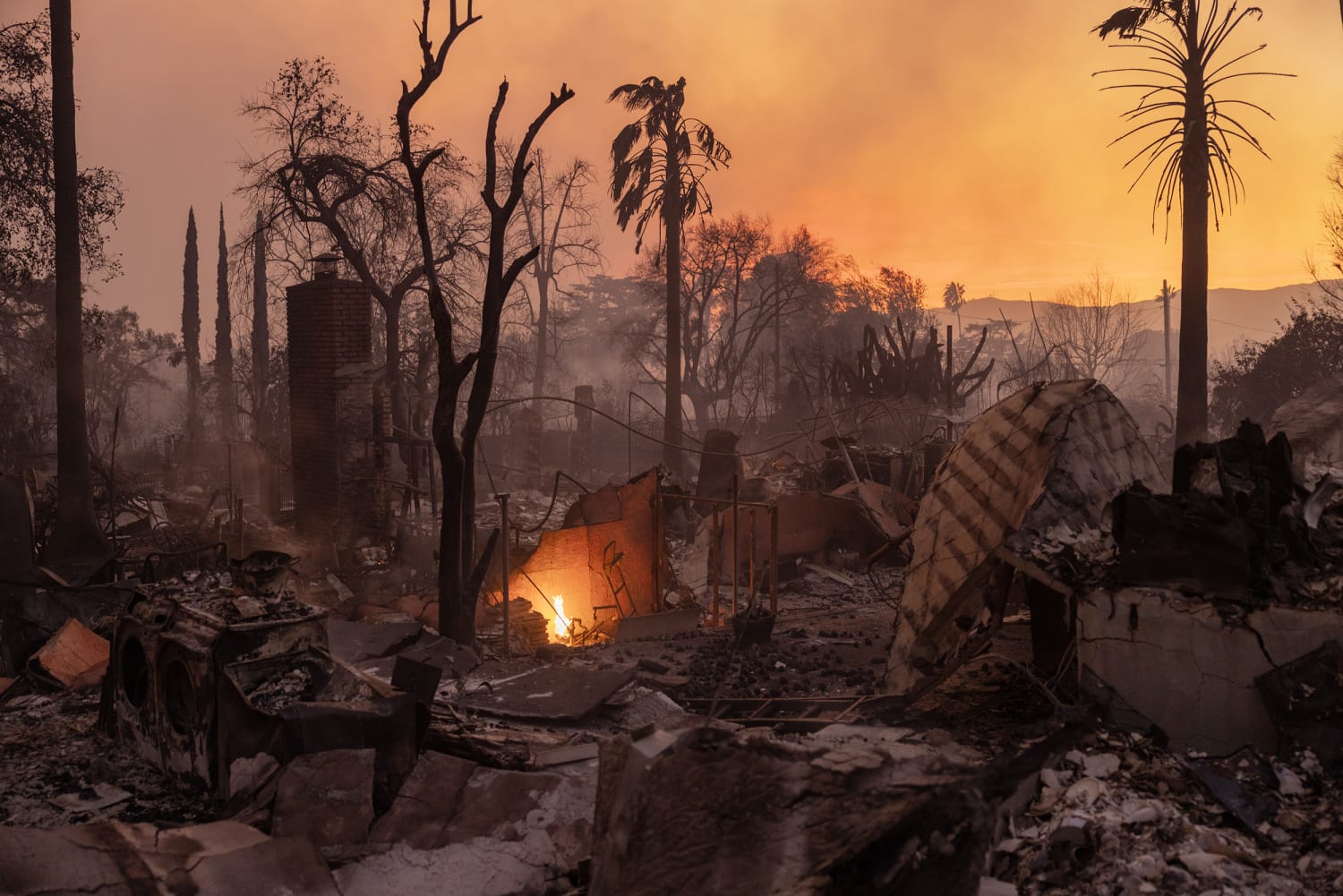
However, this paradise has also been under the shadow of devastating wildfires. These infernos have become an increasingly significant concern, impacting the environment, local communities, and the travel industry. Understanding the origins of these fires is crucial not only for mitigation efforts but also for appreciating the delicate balance of California’s ecosystems. This article delves into the primary causes and contributing factors that ignite and fuel the destructive wildfires that have become a recurrent feature in the Golden State.
The Genesis of Wildfires: Sparking the Flames
The starting point of any wildfire, including those in California, can be broadly categorized into two main origins: human activity and natural causes. While natural ignitions, such as lightning, do occur, the overwhelming majority of fires in California are initiated by human actions, both accidental and intentional. Understanding these ignition sources is the first step in addressing the complex issue of wildfire prevention and management.
Human-Caused Ignitions: An Unintentional Threat
The vast majority of California wildfires are a direct or indirect result of human presence and activities. These incidents, often stemming from negligence or carelessness, can have catastrophic consequences.
-
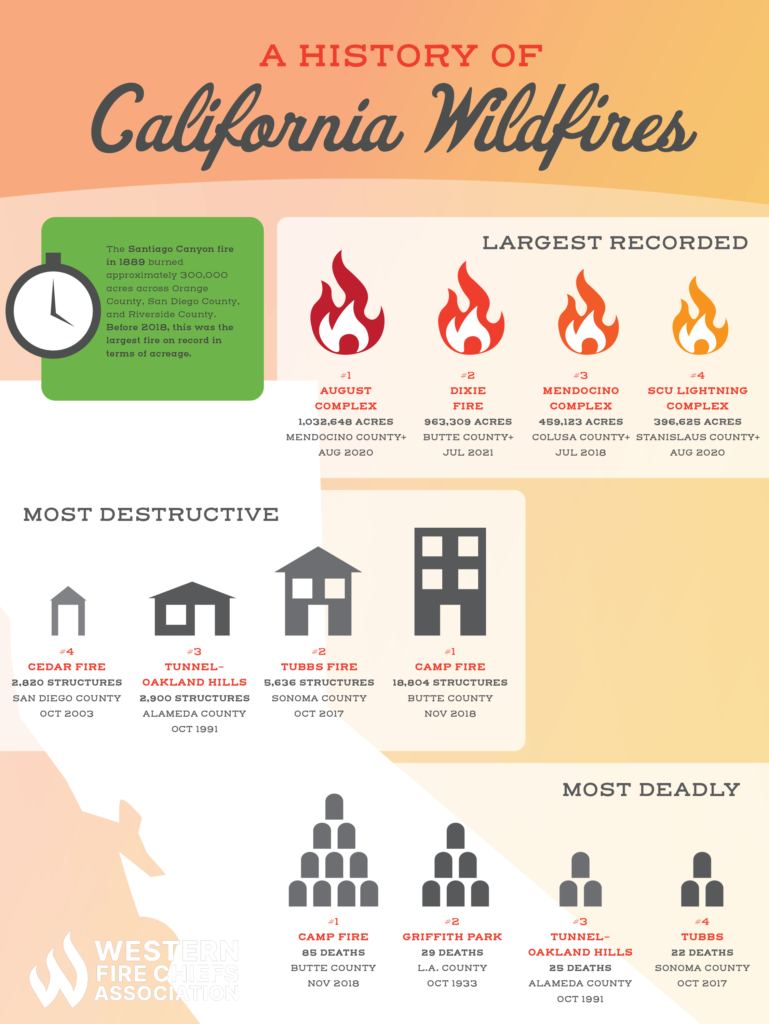
Electrical Equipment and Power Lines: One of the most significant culprits in recent years has been the malfunction or failure of electrical infrastructure. Power lines, especially those strung across vast, often inaccessible, and dry terrain, can be a major ignition source. When high winds cause power lines to sway, sag, or snap, they can arc and shower sparks onto dry vegetation below. This was a prominent factor in several devastating fires, such as the Camp Fire in Butte County, which largely destroyed the town of Paradise. Utility companies, like Pacific Gas and Electric (PG&E), have faced intense scrutiny and legal action over the role their equipment played in these events. In response, companies have implemented strategies like de-energizing power lines during high-risk weather conditions, known as Public Safety Power Shutoffs, to prevent sparks.
-
Vehicles and Equipment: Sparks from vehicle exhaust systems, dragging trailer chains, faulty mufflers, and the use of machinery like lawnmowers and chainsaws in dry conditions can easily ignite dry grass and brush. A single spark from a vehicle driving on a dry roadside verge can rapidly escalate into a major fire. The Woolsey Fire in Los Angeles and Ventura Counties in 2018, for instance, was initially attributed to a vehicle malfunction. The widespread use of vehicles for recreation, commuting, and work across the state means this is a constant risk, particularly during the dry summer and fall months.
-
Campfires and Debris Burning: Unattended campfires are a classic cause of wildfires, especially in the state’s numerous parks and recreational areas. Even a seemingly extinguished ember can be reignited by wind and spread to surrounding dry fuel. Similarly, the practice of burning debris in yards or agricultural fields, if not managed carefully with proper permits and supervision, can lead to escaped fires. During periods of extreme fire danger, burn bans are often implemented, prohibiting these activities to minimize risk.
-
Arson: While not as prevalent as accidental ignitions, intentional acts of arson contribute to the wildfire problem. These deliberate acts of destruction can occur for various reasons, from malicious intent to misguided attempts at land management. Law enforcement agencies work diligently to investigate and prosecute arsonists, but the challenge lies in detecting and preventing these crimes.
-
Fireworks and Smoking: The misuse of fireworks, particularly during celebrations like the Fourth of July, is another significant human-caused ignition source, especially in dry, vegetated areas. Similarly, discarded cigarettes, even when appearing to be fully extinguished, can smolder and ignite dry grasses. These seemingly minor actions, when compounded across a large area, pose a substantial fire risk.
Natural Ignitions: The Power of Lightning
While human activity is the leading cause, natural phenomena can also spark wildfires.
- Lightning Strikes: Lightning is the primary natural cause of wildfires. During thunderstorms, especially “dry lightning” events where rain is minimal or absent, lightning strikes can ignite dry vegetation. These fires can be particularly challenging to combat as they often occur in remote, rugged terrain, and can ignite multiple fires simultaneously over a wide area. The effectiveness of lightning as an ignition source is directly tied to the dryness of the fuel. A lightning strike in a lush, wet forest is unlikely to cause a fire, but the same strike in a drought-stricken area can rapidly escalate into a major conflagration.
The Fuel for the Fire: Conditions That Enable Spreading
Once a fire is ignited, its ability to grow and spread is heavily dependent on a trifecta of conditions: fuel, weather, and topography. While ignition is the spark, these factors act as accelerants, determining the intensity and speed of a wildfire.
The Critical Role of Fuel
The availability and type of flammable material, known as fuel, are paramount in wildfire behavior. California’s diverse ecosystems provide a wide range of fuels, from fine, dry grasses to dense, mature forests.

-
Dry Vegetation and Drought: Extended periods of drought, which have become more frequent and severe in California due to climate change, dry out vegetation to an extreme degree. Grasses, shrubs, and trees become tinder-dry, making them highly susceptible to ignition and rapid combustion. The cumulative effect of multiple dry years means that fuel loads can become exceptionally volatile. This has been a hallmark of recent fire seasons, leading to some of the largest and most destructive fires in the state’s history.
-
Fuel Load and Accumulation: In many areas, a lack of natural or prescribed fires for decades has led to an accumulation of dead and dry vegetation on the forest floor. This increased fuel load provides more material for fires to consume, leading to more intense and faster-moving flames. Forest management practices, including controlled burns and mechanical thinning, aim to reduce this fuel load and create more resilient landscapes, but the scale of the problem is immense.
-
Fuel Type: Different types of vegetation burn differently. Fine fuels like dry grasses and small twigs ignite quickly and can carry fire rapidly across the landscape. Larger fuels, such as dead trees (often referred to as “snags”) and dense chaparral, burn longer and hotter, posing a significant challenge to firefighters and increasing the risk of structural damage. The prevalence of certain vegetation types in specific regions of California, like the dense chaparral in Southern California or the mixed conifer forests in Northern California, directly influences wildfire behavior.
Weather: The Unpredictable Catalyst
Weather conditions are perhaps the most dynamic and influential factor in wildfire spread, often acting as the immediate catalyst for explosive growth.
-
High Temperatures: Elevated temperatures dry out vegetation and make it more flammable. Heatwaves, which are becoming more intense and frequent, create critically dry conditions that significantly increase fire risk.
-
Low Humidity: Low relative humidity means that moisture is rapidly drawn out of vegetation and the air. When humidity levels drop, especially during Santa Ana winds in Southern California or Diablo winds in Northern California, the fuel becomes exceptionally receptive to ignition and fire can spread with astonishing speed.
-
Strong Winds: Wind is arguably the most critical factor in the rapid spread of wildfires. It provides oxygen to the fire, pushing flames forward and carrying embers (firebrands) ahead of the main fire front, starting new spot fires. The infamous Santa Ana and Diablo winds are particularly dangerous, as they are hot, dry, and often very strong, transforming a manageable fire into an uncontrollable inferno within hours. These wind events can push fires into populated areas with little warning, posing an extreme threat to communities.
Topography: Shaping the Fire’s Path
The physical characteristics of the land also play a significant role in how a fire behaves and spreads.
-
Slope: Fire spreads uphill much faster than it spreads downhill or on flat ground. This is because flames preheat the fuel above them through radiation, and hot gases rise, making it easier to ignite the material uphill. Steep canyons can also create a “chimney effect,” concentrating heat and accelerating fire spread.
-
Aspect: The direction a slope faces can also influence fire behavior. South-facing slopes in the Northern Hemisphere tend to be hotter and drier, with more flammable vegetation, leading to faster fire spread compared to north-facing slopes.
-
Terrain Features: Natural barriers like rivers or canyons can sometimes slow or stop a fire, but they can also act as conduits for fire spread, especially when coupled with strong winds. The rugged and often inaccessible terrain of much of California makes firefighting operations extremely challenging.
The Compounding Factor: Climate Change
While the immediate causes of fire ignition are often human negligence or natural phenomena, the overarching context in which these fires occur is increasingly defined by climate change. The warming global climate exacerbates the conditions that fuel and spread wildfires, creating a feedback loop that intensifies the problem.
-
Increased Temperatures and Longer Droughts: Global warming leads to higher average temperatures and more prolonged, severe droughts. This means vegetation is drier for longer periods, increasing the “fire season” and the overall flammability of the landscape. The cumulative impact of these conditions over years makes the entire state more susceptible to large and intense fires.
-
Changes in Precipitation Patterns: Climate change can also alter precipitation patterns, leading to less snowpack in the mountains, which historically provided a vital source of moisture well into the dry season. Reduced snowmelt means the landscape dries out earlier and more severely.
-
More Extreme Weather Events: Climate change is linked to an increase in the frequency and intensity of extreme weather events, including heatwaves and potentially stronger winds. These conditions create the perfect storm for rapid and uncontrollable wildfire spread.
-
Insect Infestations and Tree Mortality: Warmer temperatures and drought stress also make forests more vulnerable to insect infestations and diseases. Large-scale tree mortality, leaving behind vast quantities of dead, dry wood, creates abundant fuel for fires. This has been a significant factor in some of the devastating fires in Northern California.
The interconnectedness of these factors – ignition sources, fuel availability, weather patterns, topography, and the overarching influence of climate change – paints a complex picture of how California fires start and spread. Addressing this challenge requires a multi-faceted approach, encompassing everything from improved utility infrastructure and public education on fire prevention to robust forest management, climate change mitigation, and resilient community planning. The ongoing efforts to understand and combat these devastating infernos are critical for safeguarding the natural beauty, livelihoods, and lives that are so deeply intertwined with the Golden State.
LifeOutOfTheBox is a participant in the Amazon Services LLC Associates Program, an affiliate advertising program designed to provide a means for sites to earn advertising fees by advertising and linking to Amazon.com. Amazon, the Amazon logo, AmazonSupply, and the AmazonSupply logo are trademarks of Amazon.com, Inc. or its affiliates. As an Amazon Associate we earn affiliate commissions from qualifying purchases.