
The Golden State, California, is renowned globally for its stunning diversity, from the sun-kissed beaches of Los Angeles and the iconic landmarks of San Francisco to the verdant vineyards of Napa Valley and the majestic sequoias of its national parks. This allure makes it a top-tier destination for travel and tourism, attracting millions seeking unique experiences, world-class accommodations, and unforgettable adventures. However, beneath this glamorous facade lies a persistent and destructive challenge: the recurring and increasingly severe wildfires that scar its landscape, threaten communities, and disrupt the very fabric of its vibrant tourism economy. Understanding how these fires start is crucial not only for residents and policymakers but also for travelers planning their next Californian escape, as these natural disasters can profoundly impact everything from chosen destinations and hotel bookings to local culture and planned activities.
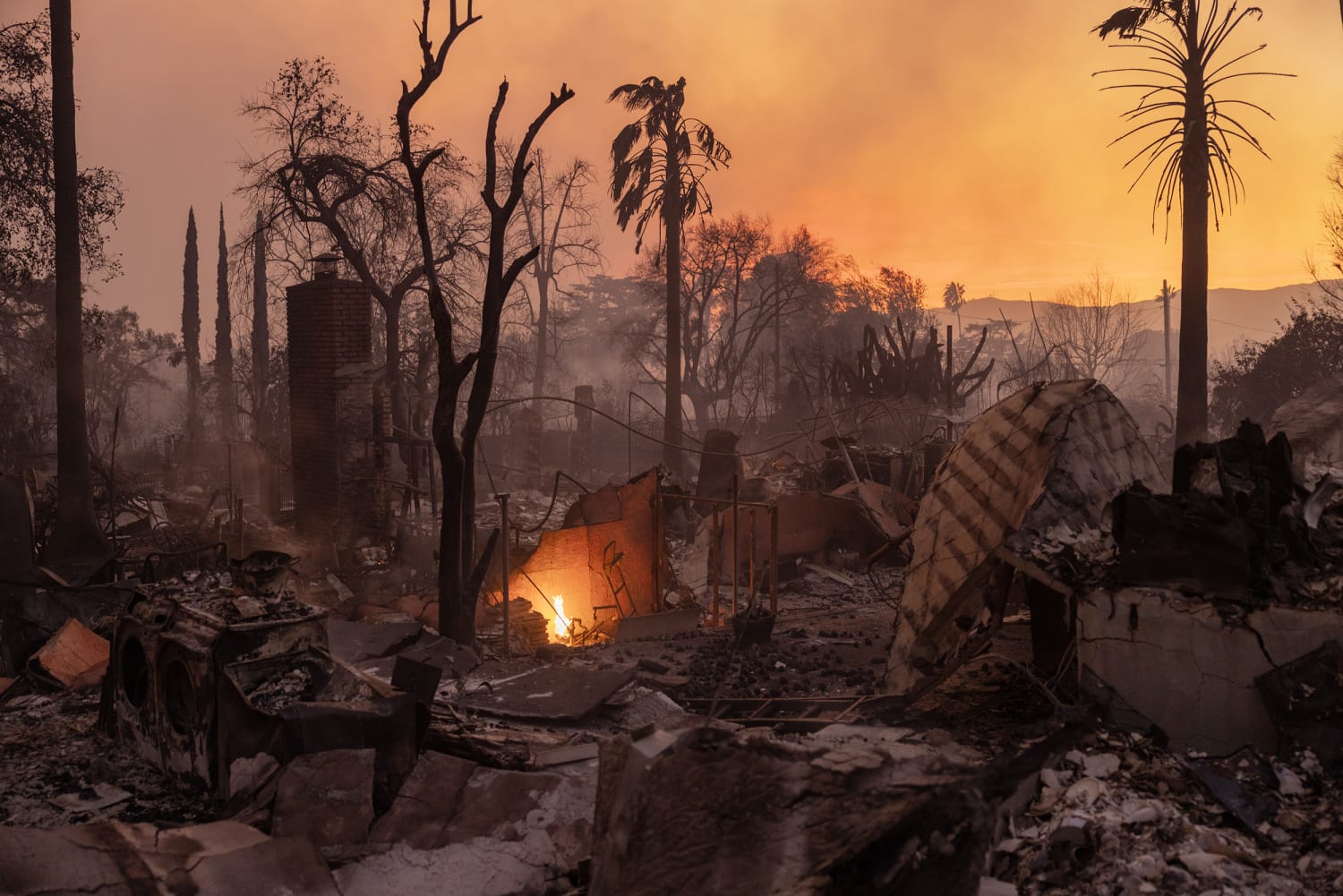
The causes of California’s wildfires are multifaceted, ranging from natural phenomena to human negligence and a complex interplay of environmental factors. While the image of a lightning strike igniting a dry forest is often conjured, the reality is far more intricate, involving power lines, human activities, and the overarching influence of a changing climate. Exploring these origins sheds light on the immense challenge the state faces and the ongoing efforts to mitigate future disasters, ensuring California remains a welcoming and safe destination for all.
The Dual Nature of Ignition: Natural vs. Human-Caused
Wildfires in California can broadly be categorized into two primary ignition sources: natural and human-caused. While both contribute to the annual fire season, their prevalence and impact often differ significantly, particularly in a state with a vast wildland-urban interface and a long history of human settlement.
Lightning Strikes: Nature’s Fiery Spark
Lightning is the quintessential natural cause of wildfires, particularly in remote, less accessible regions. When a dry thunderstorm, often referred to as a “dry lightning” event, passes over parched landscapes, lightning bolts can strike trees, vegetation, or dry grasses, igniting a blaze. These fires are frequently observed in the higher elevations of the Sierra Nevada mountain range or in other forested areas where human activity is minimal. The challenge with lightning-ignited fires often lies in their remote locations, making detection difficult and initial suppression efforts complex and hazardous. By the time they are discovered, they may have already grown substantially, fueled by abundant dry vegetation and strong winds. While naturally occurring, the intensity and spread of these fires are exacerbated by the same dry conditions that plague human-caused fires. For visitors exploring Yosemite National Park, Sequoia National Park, or Kings Canyon National Park, understanding the role of natural ignitions can highlight the importance of respecting park guidelines and being aware of fire risk, particularly during periods of high alert.

Human Activity: A Predominant and Preventable Source
Despite the dramatic imagery of lightning strikes, human activity accounts for the overwhelming majority of wildfires in California. These ignitions are often unintentional but can also be the result of deliberate acts. The range of human causes is extensive and highlights the critical need for public awareness and responsible behavior, especially in areas bordering wildlands that are popular with tourists and residents alike.
-
Faulty Electrical Equipment and Power Lines: A significant number of catastrophic fires, including some of the state’s deadliest, have been linked to failures in electrical infrastructure. Aging power lines, utility poles, and transformers, especially in windy conditions, can spark wildfires. When equipment owned by companies like Pacific Gas and Electric (PG&E) or Southern California Edison malfunctions, or when lines are downed by strong winds or falling trees, they can ignite dry vegetation. The Camp Fire in 2018, which devastated the town of Paradise, and many others in Napa Valley and Sonoma County, have been attributed to utility equipment failures. These incidents underscore the immense challenges faced by utility companies in maintaining infrastructure across vast, fire-prone regions, and the immense impact on local communities and their ability to host tourists.
-
Campfires and Debris Burning: Unattended campfires, or fires that are improperly extinguished, are a common cause of wildfires. This is particularly relevant for those engaging in outdoor activities like camping in national forests or state parks. Similarly, agricultural burns or residential debris burning that gets out of control can quickly escalate, especially when weather conditions are dry and windy. Tourists seeking immersive experiences in nature, from rustic cabin stays to luxury glamping, must be acutely aware of fire restrictions and responsible practices.
-
Vehicle-Related Sparks: Hot vehicle components, such as catalytic converters, can ignite dry grass along roadsides. Sparks from towed chains dragging on asphalt, or even discarded cigarettes thrown from car windows, also contribute to roadside ignitions. With millions traveling across California’s extensive highway system for business or leisure, the risk of vehicle-related ignitions is constant.
-
Equipment Use: Sparks from farming equipment, construction machinery, lawnmowers, or even recreational off-road vehicles can ignite dry vegetation. This is particularly prevalent in agricultural areas and the wildland-urban interface where development encroaches on natural landscapes.
-
Arson: While less common than accidental ignitions, deliberately set fires, or arson, account for a small but significant percentage of wildfires. These acts are criminal and pose a severe threat to lives, property, and natural resources.
-
Fireworks: Illegal fireworks, especially during dry conditions, are a frequent cause of wildfires, particularly around holidays. The allure of spectacular displays, even in restricted areas, can lead to devastating consequences for surrounding communities and natural environments.
The Catalysts: Beyond the Spark
Understanding the initial spark is only one piece of the puzzle. Several other factors act as catalysts, transforming small ignitions into raging infernos, significantly influencing the scale, intensity, and duration of California’s fires. These elements are deeply intertwined with the state’s geography, climate, and human development patterns, impacting travel and living in the region.
Climate Change and Drought Conditions
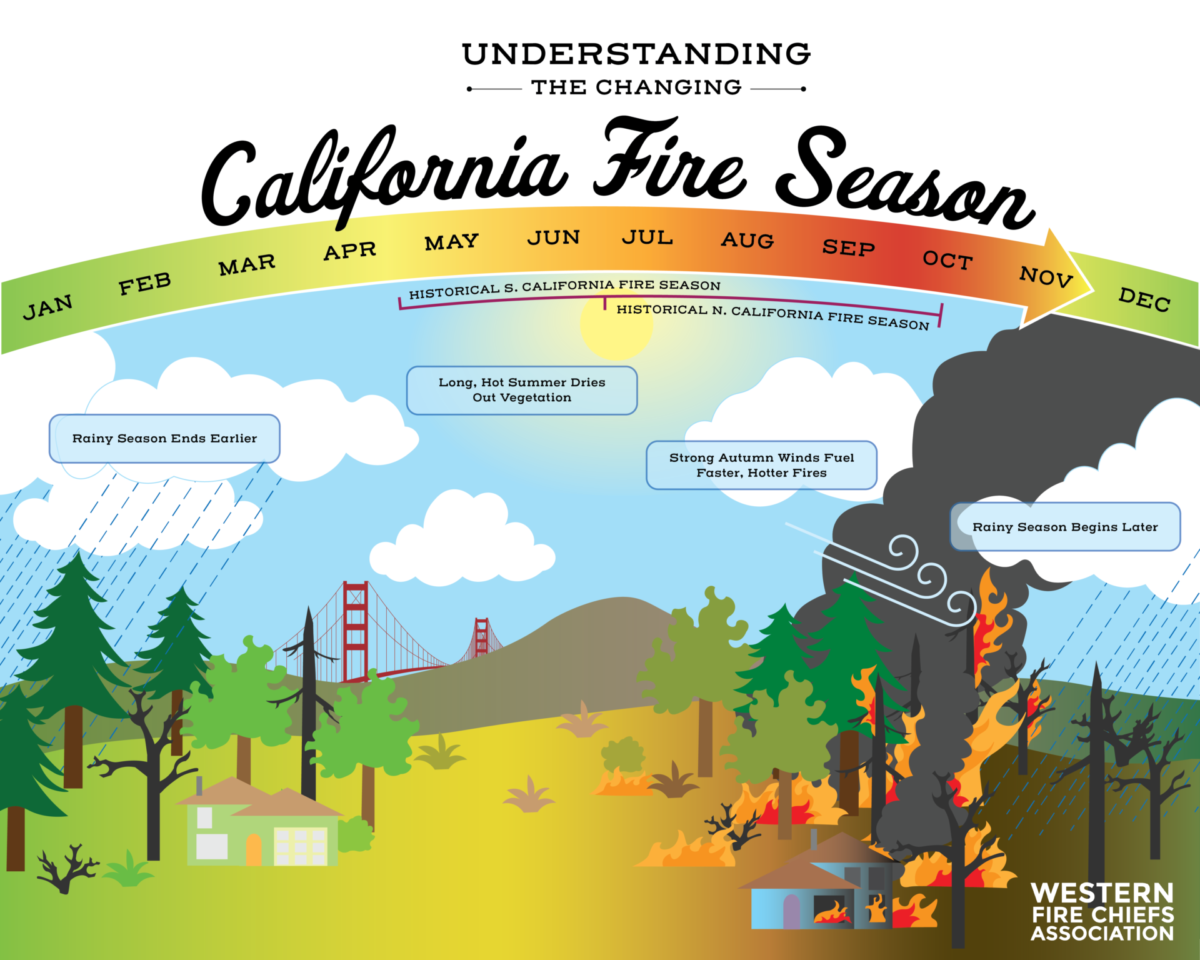
Perhaps the most significant overarching factor contributing to California’s intensifying fire seasons is climate change. Rising global temperatures lead to warmer, drier conditions across the state, extending the fire season and increasing the susceptibility of vegetation to ignition. Prolonged periods of drought leave forests and brushlands exceptionally dry, turning them into vast tinderboxes. The lack of adequate rainfall and higher temperatures cause trees and plants to become stressed and release moisture, making them more flammable. This direct link to climate change means that even minor sparks can rapidly escalate into major incidents, directly threatening popular tourist destinations and forcing closures of hotels and attractions. The resilience of the state’s tourism infrastructure, from coastal resorts to mountain lodges, is constantly tested by these environmental shifts.
Topography and Vegetation: Fueling the Flames
California’s diverse topography, characterized by steep canyons, rolling hills, and expansive mountain ranges, plays a critical role in fire behavior. Fires tend to spread much faster uphill, making suppression efforts incredibly challenging in rugged terrain. The infamous Santa Ana winds in Southern California and Diablo winds in Northern California are particularly notorious. These hot, dry winds, often originating inland and sweeping towards the Pacific Ocean, can fan flames, carry embers long distances, and cause fires to spread at alarming speeds, often overwhelming firefighting resources.
The type and density of vegetation also determine how quickly and intensely a fire burns. Chaparral, sagebrush, and pine forests, common across California, are naturally fire-adapted but can become excessively dense due to decades of fire suppression policies. These policies, which aimed to put out every fire, inadvertently led to an accumulation of “fuel load” – dead trees, fallen leaves, and dense undergrowth – creating conditions for megafires when an ignition finally occurs. Popular areas like Big Sur and parts of the Redwood National Park have experienced this, impacting scenic drives and unique accommodation options.
The Wildland-Urban Interface (WUI)
The expansion of housing and communities into previously undeveloped wildland areas, known as the Wildland-Urban Interface (WUI), creates a direct collision course between human habitation and natural fire regimes. As more homes are built in scenic, fire-prone areas, the risk of human-caused ignitions increases, and the potential for devastating property loss and loss of life skyrockets. This interface complicates evacuation routes, strains emergency services, and brings the threat of wildfires closer to where people live, work, and recreate. For example, the areas around Malibu, Santa Rosa, and Redding have been severely impacted by fires fueled by dry brush in the WUI. This phenomenon directly affects the planning and development of hotels, resorts, and long-term accommodation options, requiring enhanced fire-resistant construction and meticulous landscaping.
Adapting to a Fiery Future: Implications for Travel and Lifestyle
The recurrent and intense wildfires are not just an environmental crisis; they significantly impact California’s economy, particularly its vital tourism sector. From flight cancellations and road closures to the destruction of attractions and accommodations, the ripple effects are profound, necessitating adaptation from both the travel industry and visitors.
Impact on Destinations and Accommodation
When major fires strike, popular destinations can become inaccessible or unsafe. National parks like Yosemite National Park or Joshua Tree National Park may close completely, forcing cancellations for pre-booked tours, hotels, and campsites. Wine country in Napa Valley and Sonoma County has seen entire harvests affected and numerous wineries and resorts damaged or destroyed, leading to significant economic losses and impacting local culture and food tourism. Even areas not directly impacted by flames can suffer from poor air quality due to smoke, deterring tourists and affecting outdoor activities. This directly influences booking decisions, with travelers increasingly seeking information on fire safety and contingency plans from hotels and travel guides. The concept of “fire-season travel” has emerged, encouraging travelers to consider their timing and destinations carefully.
Resilient Tourism and Lifestyle Changes
In response to these challenges, the California tourism industry, including hotels and resorts, is adapting. Many establishments are investing in fire-resistant landscaping, improved emergency evacuation plans, and advanced warning systems. Local tourism boards actively provide updated information on air quality, road closures, and open attractions. For individuals planning trips or considering long-term stays, it means factoring fire risk into their lifestyle choices. This includes:
- Checking Fire Information: Before traveling, consulting official fire maps and air quality reports from agencies like CAL FIRE.
- Travel Insurance: Considering travel insurance that covers fire-related cancellations or disruptions.
- Flexible Bookings: Opting for flexible hotel and flight bookings.
- Responsible Travel: Adhering to fire safety guidelines, especially when camping or visiting natural landmarks. This encompasses everything from properly extinguishing campfires to avoiding activities that can spark fires in dry conditions.
- Supporting Local Economies: After a fire, supporting affected regions through tourism, once it is safe to do so, plays a crucial role in their recovery.
Prevention and Mitigation Efforts
Recognizing the severity of the wildfire crisis, California has intensified its prevention and mitigation efforts. These include:
- Forest Management: Implementing controlled burns, thinning dense forests, and removing excess fuel loads to reduce fire intensity.
- Infrastructure Upgrades: Utility companies are investing heavily in undergrounding power lines, hardening electrical infrastructure, and implementing Public Safety Power Shutoffs (PSPS) during extreme fire weather, though these can cause temporary inconvenience.
- Early Detection and Response: Utilizing advanced satellite technology, AI, and expanded aerial resources for rapid fire detection and suppression.
- Public Education: Extensive campaigns to educate residents and visitors about fire safety, defensible space around homes, and emergency preparedness.
In conclusion, the question of “How Did The California Fires Start?” reveals a complex narrative. While lightning remains a natural trigger, the vast majority of destructive fires are rooted in human activity, exacerbated by an aging infrastructure and a changing climate. As California continues to be a world-class destination for travel, hotels, and unique tourism experiences, understanding these origins is paramount. It allows for more informed travel decisions, fosters responsible tourism practices, and supports the ongoing, critical efforts to protect its breathtaking landscapes, vibrant communities, and cherished landmarks for future generations of adventurers and residents alike.
LifeOutOfTheBox is a participant in the Amazon Services LLC Associates Program, an affiliate advertising program designed to provide a means for sites to earn advertising fees by advertising and linking to Amazon.com. Amazon, the Amazon logo, AmazonSupply, and the AmazonSupply logo are trademarks of Amazon.com, Inc. or its affiliates. As an Amazon Associate we earn affiliate commissions from qualifying purchases.