
California, a land synonymous with sun-drenched beaches, iconic landmarks, and vibrant cities, is also, unfortunately, deeply familiar with the devastating phenomenon of wildfires. For many travelers dreaming of a California experience, from exploring the rugged coastline of Big Sur to sipping wine in Napa Valley, the specter of these blazes can be a significant concern. Understanding the origins of California wildfires is not just a matter of scientific curiosity; it’s crucial for appreciating the challenges facing this beloved destination and for promoting responsible tourism practices. The narrative around these fires is complex, interwoven with natural cycles, human actions, and the undeniable influence of a changing climate. It’s a story that affects everything from the state’s magnificent national parks to its bustling urban centers and the serene lifestyle of its residents.
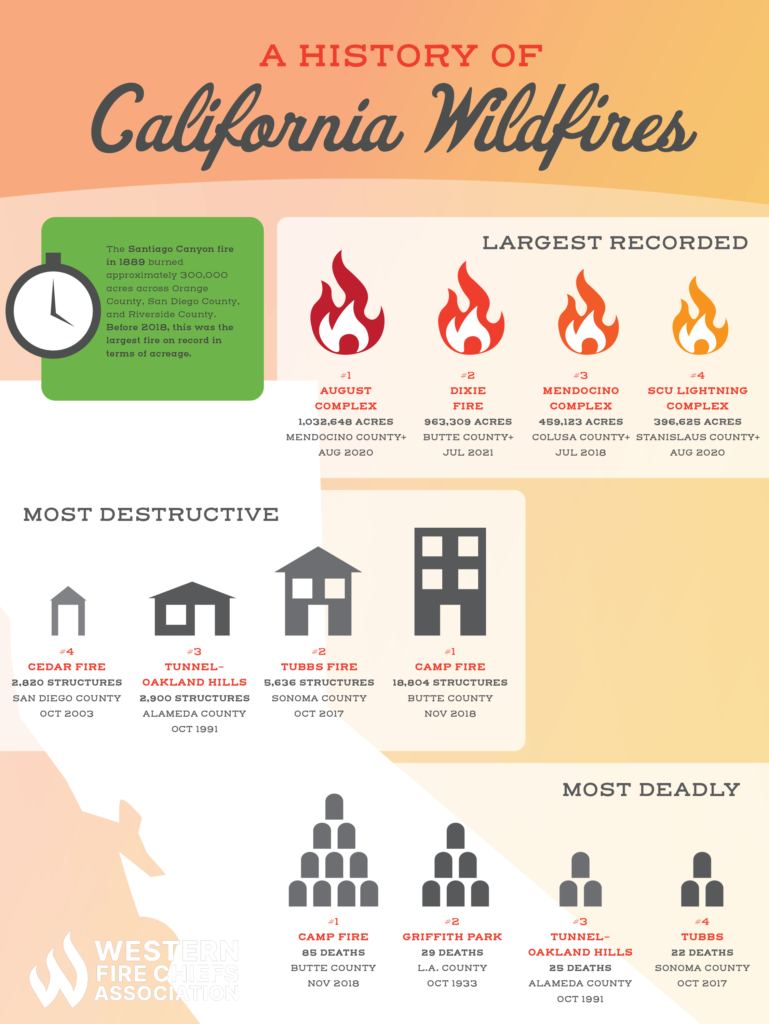
Unraveling the Complex Origins of California Wildfires
The question “How did the California wildfire start?” rarely has a simple, singular answer. Instead, it typically points to a confluence of factors, ranging from unpredictable natural events to pervasive human activities, all set against a backdrop of specific environmental conditions.
Natural Ignitions: The Unpredictable Spark
While less frequent than human-caused fires, natural ignitions are an undeniable part of California’s ecosystem. The most common natural cause is lightning. During dry thunderstorms, especially after prolonged periods of drought, lightning strikes can ignite dry vegetation in remote, often inaccessible, areas. These fires, while sometimes beneficial in healthy forest ecosystems for clearing underbrush and promoting new growth, can quickly spiral out of control in overly dense or parched landscapes. Iconic areas like Yosemite National Park and Sequoia National Park have experienced numerous lightning-caused fires, demonstrating nature’s own power to both create and destroy. The challenge lies in managing these natural occurrences in an increasingly vulnerable environment, where even a single spark can lead to widespread devastation, impacting travel itineraries and necessitating changes in accommodation plans for visitors eager to explore these natural wonders.
Human Activity: The Dominant Factor
Overwhelmingly, the vast majority of California wildfires are traced back to human activity. These ignitions can be accidental, negligent, or, tragically, intentional, and they pose a constant threat across the state, from its sprawling metropolises to its tranquil wilderness areas.
- Power Lines and Utility Equipment: A particularly significant and contentious cause. Aging electrical infrastructure, especially in rural, fire-prone areas, is highly susceptible to damage from strong winds, fallen trees, or equipment failure. Sparks from downed power lines or arcing equipment have ignited some of the most destructive fires in recent California history. Utilities like Pacific Gas and Electric Company (PG&E) have faced immense scrutiny and legal battles over their role in several catastrophic fires. Efforts to underground lines or enhance grid resilience are ongoing but represent a monumental task.
- Equipment Use and Malfunctions: Sparks from vehicles, such as catalytic converters overheating dry grass along roadways, or chains dragging on asphalt, can easily ignite fires. Agricultural equipment, construction machinery, and even recreational vehicles operating in dry conditions also pose a risk. These fires often begin innocently but can quickly escalate given the right environmental factors.
- Campfires and Open Burning: While quintessential to many outdoor travel experiences, campfires, when improperly managed or left unattended, are a frequent cause. Recreational fires, debris burns, and backyard barbecues can escape their intended confines with surprising speed, especially during periods of high wind or extreme dryness. Strict regulations and ‘no burn’ orders are common during fire season, and adherence is critical for public safety and the protection of natural attractions.
- Arson: Sadly, a percentage of wildfires are deliberately set. These acts of arson are challenging to prevent and prosecute, adding another layer of complexity to the fire crisis.
- Discarded Cigarettes and Fireworks: These seemingly small acts of negligence can have massive repercussions. A carelessly discarded cigarette butt can smolder for hours before igniting a full-blown blaze. Fireworks, even legal ones, are often banned outright in many California counties during peak fire season due to their inherent risk.
- Miscellaneous Sparks: Even everyday activities, from grinding metal to target shooting, can generate sparks capable of igniting dry vegetation. Understanding these myriad human ignition sources is the first step in formulating effective prevention strategies, which are vital for protecting California’s diverse landscapes and the thousands of businesses, hotels, and resorts that cater to its millions of visitors.
The Environmental Canvas: Factors Fueling the Flames
Beyond the initial spark, whether natural or human-made, the intensity, spread, and destructiveness of California wildfires are profoundly shaped by environmental conditions, many of which are exacerbated by broader climatic shifts.
A Climate in Flux: The Role of Climate Change
Climate change is not a direct cause of ignitions, but it acts as a powerful accelerant, creating an environment where fires are more likely to start, spread faster, and burn more intensely.
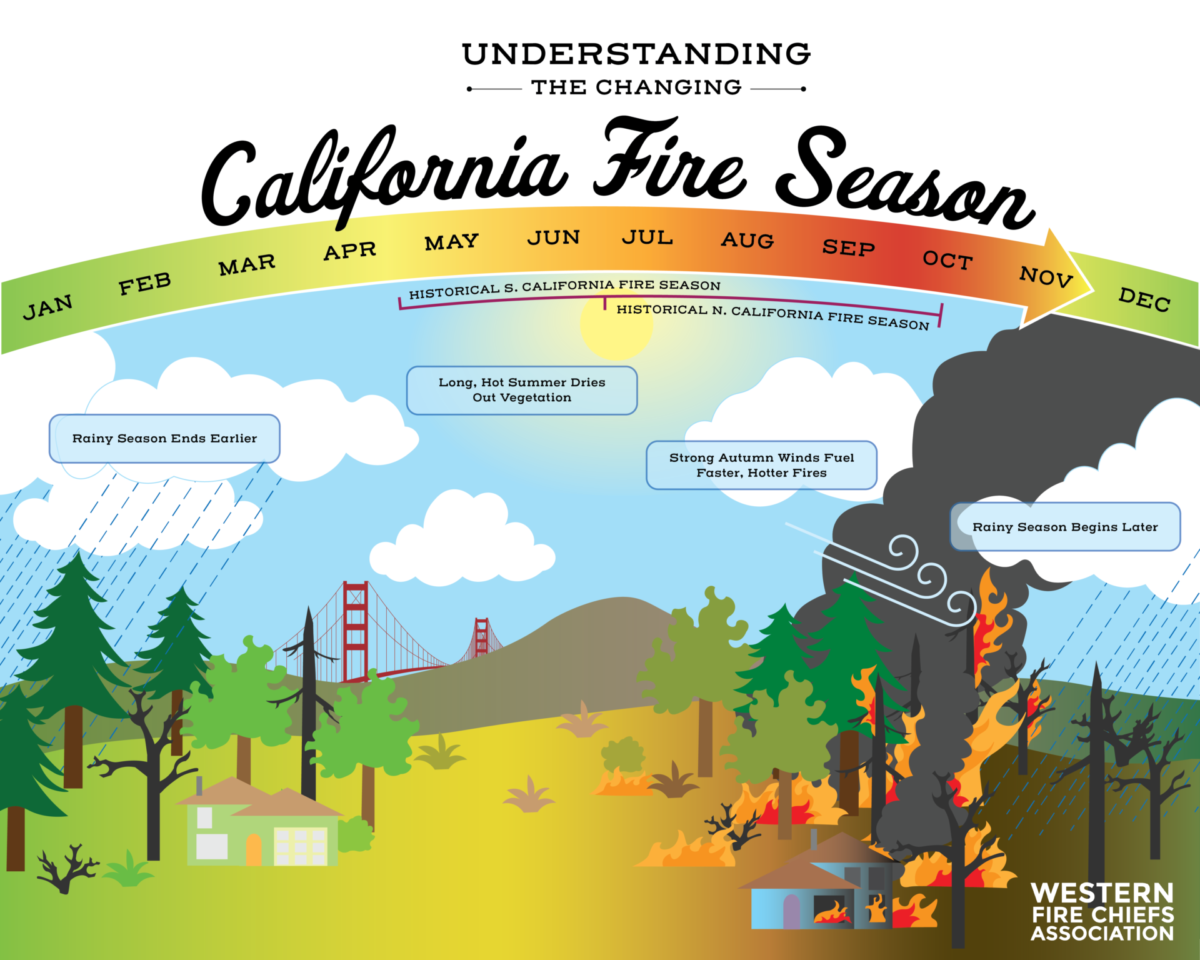
- Extended Drought Periods: California has experienced increasingly frequent and severe droughts. These prolonged dry spells dehydrate vegetation, turning forests and chaparral into vast expanses of highly flammable fuel. Less snowpack in the Sierra Nevada means less meltwater to sustain landscapes through the dry season.
- Hotter Temperatures: Rising average temperatures lead to earlier snowmelt, extend the length of the fire season, and further dry out fuels. Record-breaking heatwaves are now a common feature of California summers, priming the environment for catastrophic fires.
- Fuel Accumulation: A century of fire suppression policies, while well-intentioned, has led to an unnatural accumulation of dense underbrush, dead trees, and ladder fuels in many California forests. When a fire does start in these overgrown areas, it can quickly escalate from a ground fire to a devastating crown fire, sweeping through treetops.
- Extreme Winds: California is known for its powerful, dry, and hot winds, such as the Santa Ana winds in Southern California and the Diablo winds in the north. These winds are critical drivers of large, fast-moving fires, carrying embers miles ahead of the main front, sparking new blazes, and making containment incredibly difficult. They are often the reason small fires turn into infernos, challenging emergency services and leading to widespread evacuations that can disrupt travel guides and pre-booked accommodations.
The Wildland-Urban Interface: A Growing Challenge
The increasing encroachment of human development into natural, fire-prone landscapes, known as the Wildland-Urban Interface (WUI), is a critical factor in the destructiveness of California wildfires. As populations grow, more homes, resorts, and businesses are built adjacent to or within forests and chaparral, directly exposing them to fire risk.
- Vulnerable Communities: Towns like Paradise, which was almost entirely destroyed in the 2018 Camp Fire, and affluent areas like Malibu and parts of Santa Rosa, have tragically demonstrated the devastating consequences of building in the WUI without adequate fire-resistant construction and landscaping.
- Evacuation Difficulties: The dense development in WUI areas complicates evacuation efforts, creating gridlock and putting residents and first responders at greater risk. For travelers, understanding evacuation routes and emergency protocols is paramount when visiting these scenic but vulnerable regions. This directly impacts travel planning, from choosing specific hotels to ensuring flexible booking options.
- Home Hardening and Defensible Space: Efforts to mitigate WUI risks include encouraging homeowners to use fire-resistant building materials and to create defensible space around their properties by clearing combustible vegetation. These measures are essential for protecting both residential homes and crucial tourism infrastructure.
Beyond the Blaze: Impact on Travel and Tourism in California
While the causes are critical, the implications for California’s vital tourism industry are far-reaching. Fires can alter travel plans, impact local economies, and even reshape the image of certain destinations.
Navigating Travel Disruptions and Safety Concerns
The immediate aftermath of a wildfire often leads to significant travel disruptions, impacting both visitors and the hospitality sector.
- Closures of Attractions and Routes: National parks, state parks, and scenic routes (such as sections of Highway 1 or roads into the Lake Tahoe basin) may close for safety, recovery, or due to fire activity. This means a planned adventure to see the giant sequoias or hike in the Redwood National Park might need to be postponed or rerouted. Travelers planning itineraries must remain vigilant, checking official park and road closure alerts.
- Air Quality Issues: Smoke from large fires can drift for hundreds of miles, significantly degrading air quality even in areas far from the active burn zones. This can affect outdoor activities in major cities like Los Angeles and San Francisco, impacting everything from enjoying a day at Disneyland to a walk across the Golden Gate Bridge. Travelers with respiratory sensitivities need to be particularly aware.
- Safety Advice for Travelers: Staying informed is paramount. Before traveling to or within California during fire season (typically summer and fall), travelers should monitor local news, consult official fire maps, and check air quality indices. Reputable travel insurance that covers natural disasters can also provide peace of mind for unexpected cancellations or changes to accommodation plans. Regions like Sonoma County and Palm Springs, popular for their unique attractions, have developed robust communication strategies to keep visitors informed.
The Resilience of California’s Hospitality Sector
Despite the challenges, California’s hospitality sector demonstrates remarkable resilience. Hotels, resorts, and local businesses in affected areas often play a crucial role in supporting emergency responders and displaced residents.
- Adaptation and Support: Many hotels offer discounted rates for evacuees or first responders. Tourism boards quickly adapt their messaging to highlight unaffected regions or to share information about how visitors can support recovery efforts, ensuring that the state remains a welcoming destination. Even in a crisis, luxury travel experiences can be redefined to include elements of community support.
- Post-Fire Recovery and Renewal: While the immediate aftermath is challenging, many areas demonstrate incredible regrowth. Visiting fire-affected regions once they are safe and reopened can be a powerful way to contribute to local economies and witness nature’s resilience. For example, wine regions like Napa Valley and Sonoma County have shown impressive recovery, rebuilding wineries and welcoming guests back to sample their world-renowned vintages.
Mitigating Future Risks and Sustainable Travel
Addressing the California wildfire crisis requires a multi-pronged approach, focusing on prevention, preparedness, and sustainable practices that acknowledge and adapt to the state’s unique environment. For the conscientious traveler, understanding these efforts can enhance their experience and guide their choices.
Prevention and Preparedness: A Collective Effort
Governments, communities, and individuals are working to reduce the frequency and severity of wildfires.
- Forest Management: Implementing more aggressive forest management practices, including prescribed burns, strategic thinning, and fuel reduction, can help restore ecological balance to forests and reduce the intensity of future fires. These practices mimic natural fire cycles that were historically suppressed.
- Infrastructure Upgrades: Investing in modernizing electrical grids, including undergrounding power lines in high-risk areas, is crucial for minimizing utility-caused ignitions.
- Public Awareness and Education: Campaigns like “Fire Safe California” educate residents and visitors on how to prevent ignitions, prepare their homes, and respond during an emergency. This includes understanding burn bans, safe campfire practices, and knowing evacuation routes.
- Rapid Response Capabilities: Maintaining and enhancing rapid response capabilities for fire services, including air tankers and ground crews, remains vital for quick containment when fires do ignite.
Responsible Tourism in Fire-Prone Regions
For those planning to explore California’s incredible beauty, adopting responsible tourism practices is more important than ever.
- Fire Safety Awareness: Travelers should familiarize themselves with local fire regulations, especially concerning campfires, barbecues, and off-road vehicle use. Always dispose of cigarettes properly and avoid parking hot vehicles on dry grass.
- Supporting Local Economies: When safe to do so, visiting and supporting businesses in areas that have recovered from fires helps them rebuild and thrive. Many hotels and attractions in these regions go above and beyond to offer unique experiences while adhering to strict safety protocols.
- Choosing Sustainable Options: Opting for eco-friendly accommodations and tour operators who prioritize sustainability and community resilience contributes to the long-term health of California’s landscapes.
In conclusion, the question “How did the California wildfire start?” unveils a complex tapestry of natural events, human actions, and environmental vulnerabilities. While the allure of California as a premier travel destination remains undimmed, its ongoing battle with wildfires is a stark reminder of the delicate balance between human development and nature. By understanding the causes, supporting prevention efforts, and practicing responsible tourism, visitors can continue to enjoy the golden state’s unparalleled attractions while contributing to its resilience and recovery. Whether planning a stay in San Diego, exploring the Central Valley, or seeking adventure in Death Valley National Park or Joshua Tree National Park, awareness is key to a safe and enriching journey through this diverse and breathtaking state.
LifeOutOfTheBox is a participant in the Amazon Services LLC Associates Program, an affiliate advertising program designed to provide a means for sites to earn advertising fees by advertising and linking to Amazon.com. Amazon, the Amazon logo, AmazonSupply, and the AmazonSupply logo are trademarks of Amazon.com, Inc. or its affiliates. As an Amazon Associate we earn affiliate commissions from qualifying purchases.