
California, often celebrated as the Golden State, beckons travelers with its diverse landscapes, from the sun-drenched beaches of Southern California to the majestic peaks of the Sierra Nevada. It’s a land of iconic landmarks, vibrant cities like Los Angeles and San Francisco, and world-class experiences, whether you’re planning a family trip to Disneyland, a luxurious retreat in Napa Valley, or an adventurous hike through Yosemite National Park. However, the beauty of California exists alongside a challenging reality: the escalating threat of wildfires. For visitors planning their dream getaway, understanding the origins of these fires is crucial. It’s not merely about safety, but about appreciating the state’s delicate ecosystems and fostering responsible travel. The question, “How did the fires in California start?” unravels a complex tapestry woven from natural phenomena, human actions, and the undeniable threads of a changing climate, all of which profoundly impact the travel and lifestyle experience in this extraordinary destination.
Unpacking California’s Wildfire Reality for Travelers
California’s allure for tourists is undeniable, drawing millions to its natural wonders, cultural hubs, and recreational opportunities. From exploring the ancient groves of Redwood National Park to savoring the culinary scene in San Francisco, the state offers unparalleled experiences. Yet, the increasing frequency and intensity of wildfires have become an intrinsic part of California’s story, particularly during its extended dry seasons. These fires transcend ecological damage, affecting air quality, disrupting travel plans, and occasionally threatening the very attractions and communities that captivate visitors. For any traveler, an informed perspective on wildfire causes is vital for safe and responsible exploration.
The dramatic increase in California’s wildfire activity over recent decades stems from a multifaceted problem, rooted in both the state’s natural environment and human influences, significantly exacerbated by broader environmental shifts. For those embarking on a California adventure, this translates to a heightened awareness during fire season – typically late spring through late fall. Understanding potential advisories, road closures, and the impact on local accommodations, from luxury hotels to quaint vacation rentals, becomes part of responsible itinerary planning. While California’s captivating beauty remains, navigating its natural challenges with awareness ensures a safer and more enriching travel experience.
The Ignition Equation: Nature, Humans, and the Climate Crisis
Understanding the origins of California’s wildfires requires looking beyond single events to a confluence of contributing factors. Both the raw power of nature and the widespread impact of human activity play significant roles, with climate change acting as an overarching amplifier. For travelers exploring the state’s renowned landmarks and natural attractions, grasping these root causes provides essential context for fire advisories, conservation efforts, and fostering a deeper, more respectful engagement with the environment.
Nature’s Role: Lightning, Drought, and Winds
Naturally occurring wildfires have long been a part of California’s ecosystem, crucial for ecological regeneration. The primary natural igniter is lightning. During periods of dry lightning storms, often in late summer and early fall, bolts can strike parched vegetation in remote areas, sparking fires that may smolder for days before erupting into major blazes, especially when fanned by strong winds. The vast wilderness of the Sierra Nevada is particularly susceptible to these remote, naturally ignited fires.
Beyond immediate sparks, California’s unique Mediterranean climate—characterized by hot, dry summers and mild, wet winters—sets the stage for highly flammable conditions. However, in recent years, prolonged and severe drought conditions have dramatically intensified this natural vulnerability. Insufficient rainfall over extended periods leaves forests, chaparral, and grasslands exceptionally dry, turning them into vast tinderboxes. Drought-stressed trees are also more vulnerable to insect infestations, further increasing their flammability. This extreme dryness, combined with low humidity, allows even a small spark to rapidly escalate. Adding to this volatile mix are the powerful wind patterns, such as the infamous Santa Ana winds in Southern California and Diablo winds in the north. These winds act as natural accelerators, fanning flames and carrying embers over long distances, making containment incredibly challenging. For outdoor enthusiasts, respecting fire warnings and understanding these natural risks during dry periods is paramount for a safe journey.

The Human Touch: Accidental Ignitions and Infrastructure Failures
While nature provides the fuel and conditions, approximately 85% of wildfires in California are ignited by human activity. This statistic highlights the critical importance of public awareness and individual responsibility for anyone enjoying the state’s natural treasures. These human-caused fires often stem from negligence, accidents, or faulty infrastructure, rather than intentional malice (though arson does contribute to a small percentage).
One of the most significant sources of human-caused fires involves power lines and electrical equipment. Aging infrastructure, particularly in wildland-urban interface areas, can spark fires when lines are downed by wind or vegetation, or when equipment malfunctions. Utility companies like Pacific Gas and Electric (PG&E), serving much of Northern California, have faced intense scrutiny regarding their role in igniting some of the state’s most devastating blazes. These incidents underscore the immense challenges of maintaining essential services in fire-prone environments.
Beyond utility issues, a myriad of other human actions contribute:
- Campfires and Open Burning: Unattended or improperly extinguished campfires are a common cause. When camping in California’s numerous scenic sites, strict adherence to fire regulations, using designated fire rings, and ensuring fires are “dead out” are non-negotiable safety measures.
- Discarded Cigarettes: A carelessly flicked cigarette butt can ignite dry roadside vegetation, especially in windy conditions, leading to rapidly spreading blazes.
- Vehicle Accidents and Malfunctions: Sparks from vehicle exhaust systems, hot catalytic converters touching dry grass, or debris dragged by trailers are frequent ignition sources.
- Equipment Use: Sparks from construction, grinding, welding, or even gardening tools like lawnmowers, particularly when used in dry conditions, can easily start fires.
- Fireworks: The use of fireworks, especially illegal ones, is a notable cause of fires, particularly around holidays.
The prevalence of human-caused fires underscores that every individual, whether a resident or a tourist, plays a vital role in fire prevention. Whether you’re staying at a luxury resort nestled in the hills or embarking on a scenic road trip along Highway 1 near Big Sur, awareness and strict adherence to local fire safety guidelines are crucial for protecting California’s stunning landscapes and vibrant communities.
Climate Change: The Amplifying Force
While immediate ignition sources are diverse, the overarching factor accelerating California’s wildfire crisis is undoubtedly climate change. It acts as a powerful amplifier, transforming localized blazes into uncontrollable infernos that devastate vast areas, disrupt travel, and degrade air quality for hundreds of miles. For a state that thrives on outdoor recreation, scenic drives, and exploring diverse ecosystems, the implications are profound.
Hotter, Drier, Longer: The New Fire Season
One of the most direct impacts of climate change is the rise in average global temperatures. California has experienced significantly warmer conditions, particularly during its critical dry months. Higher temperatures intensify evaporation, drying out vegetation and soils more quickly and thoroughly. This creates an environment where fuels are primed for ignition, and fires spread with alarming speed and intensity, making even small sparks potentially catastrophic.
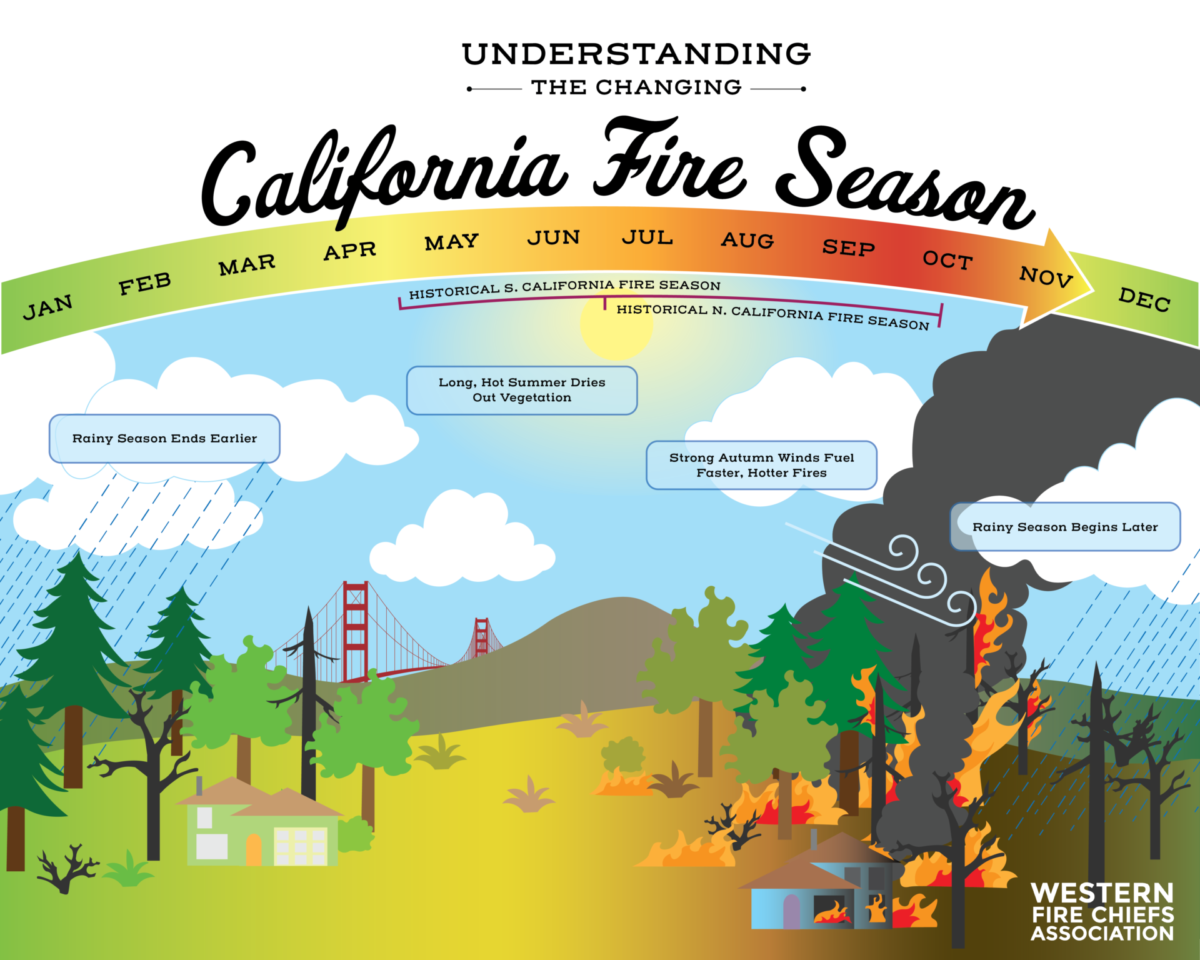
This warming trend has also led to an extended fire season. Historically concentrated in late summer and early fall, California’s fire season now often begins earlier in spring and stretches later into winter, sometimes almost year-round in certain regions. This longer period of dry, hot weather means more opportunities for fires to ignite and fewer breaks for ecosystems to recover. For travelers, this implies that fire risk is a consideration for a much larger portion of the year, potentially impacting plans from spring camping trips to autumn vineyard tours. It also strains firefighting resources and demands constant vigilance from residents and visitors alike.
Mega-Fires and Lasting Scars on California’s Landscapes
The combination of hotter, drier conditions and an extended fire season has given rise to “mega-fires” – blazes that consume hundreds of thousands, or even millions, of acres. These fires are not only larger but also burn with extreme intensity, often generating their own weather systems and becoming incredibly difficult to contain. The sheer scale of these mega-fires inflicts catastrophic ecological damage, destroying ancient forests, crucial wildlife habitats, and vital watersheds.
From a tourism perspective, the ecological scars left by mega-fires can drastically alter the landscape of beloved landmarks. A hike through a once-lush forest might now traverse a burn scar, fundamentally changing the experience. While nature does recover, the process can take decades, if not centuries, for mature ecosystems like those found in the Sierra Nevada or near the Giant Sequoias in Sequoia National Park. Air quality throughout the state, even far from immediate fire zones, is a significant concern, with smoke plumes traveling hundreds of miles to affect major cities like Los Angeles and San Francisco. This can impact outdoor activities and the overall enjoyment of a trip, urging travelers to check air quality indexes alongside weather forecasts. Climate change, therefore, doesn’t just influence how fires start; it dictates their behavior, duration, and the enduring legacy they leave on California’s cherished natural capital and the experiences it offers.
Beyond the Flames: Recovery, Prevention, and Responsible Travel
Understanding how California’s fires ignite is crucial, but equally important is how communities and ecosystems recover and what proactive measures are being taken to mitigate future risks. For the discerning traveler, this knowledge not only ensures safer journeys but also fosters a deeper appreciation for the state’s resilience and the positive role visitors can play in its sustainable future.
Communities Rebuild, Ecosystems Regenerate
In the wake of devastating wildfires, California’s communities embark on the arduous journey of rebuilding. Homes are reconstructed, businesses reopen, and local residents often demonstrate remarkable resilience, deeply connected to their land. Many popular tourist destinations, while occasionally impacted, implement robust recovery plans and often bounce back with renewed vigor, sometimes even offering unique perspectives on regeneration. Hotels, local restaurants, and attractions frequently rely on tourism to support their recovery, making responsible visitation a powerful act of solidarity. Travelers can significantly aid these efforts by choosing to visit areas that are open and safe, supporting local economies, and engaging with the stories of recovery.
Ecosystems, too, exhibit incredible, though varied, resilience. Some plant species, such as the Giant Sequoias in Yosemite National Park, have evolved with fire, relying on its heat to release seeds and clear competing vegetation. However, the increased intensity and frequency of modern mega-fires can overwhelm these natural adaptive mechanisms, leading to more severe and long-lasting damage. Forest management strategies are continuously evolving, emphasizing practices like prescribed burns and thinning, which mimic natural fire cycles to reduce fuel loads and promote healthier, more fire-resilient forests. These efforts are crucial for the long-term health of California’s natural landmarks and the ecosystems that support its diverse flora and fauna.

Prioritizing Fire Prevention and Safe Travel Practices
For visitors to California, adopting a “fire-wise” travel mindset is a vital component of a safe and enjoyable trip. It entails being prepared, informed, and proactive in preventing potential ignitions and minimizing risks.
- Stay Informed: Before and during your trip, consult official sources like CalFire or the National Park Service for current fire alerts, evacuation orders, and road closures, especially if your itinerary involves national parks, forests, or wildland areas. Local tourism boards also often provide updated information.
- Respect Fire Bans and Restrictions: Always adhere strictly to any campfire bans, fire restrictions, or red flag warnings. These measures are implemented for your safety and the preservation of the environment. If camping, use only designated fire rings and ensure fires are completely extinguished before leaving.
- Be Mindful of Sparks: Avoid parking vehicles on dry grass, as hot catalytic converters can easily ignite vegetation. Ensure trailer chains aren’t dragging, and dispose of cigarettes properly in designated receptacles, never tossing them from a vehicle or onto dry ground.
- Proper Equipment Use: If engaging in activities that might create sparks (e.g., off-roading, using recreational equipment with engines), understand and follow all safety guidelines.
- Have an Evacuation Plan: If staying in a high-risk area, familiarize yourself with local evacuation routes and emergency procedures. Many hotels and resorts will have this information readily available.
California is actively engaged in a multi-pronged approach to fire prevention, including extensive public awareness campaigns, investments in early detection technologies, improvements to infrastructure (such as undergrounding power lines), and robust forest management programs. These concerted efforts, combined with responsible actions from every individual, are essential to safeguarding the state’s natural beauty and ensuring it remains a world-class destination for future generations.
Planning Your California Adventure in a Changing World
Despite the omnipresent challenge of wildfires, California’s allure remains undiminished. Its sheer vastness and diversity mean that even when specific regions face fire threats, countless other areas remain perfectly safe and welcoming. The key to a fulfilling California adventure lies in informed planning, flexibility, and a steadfast commitment to responsible travel.
The Golden State continues to offer an extraordinary tapestry of experiences. Explore the sun-kissed beaches of Santa Monica and Laguna Beach, immerse yourself in the iconic urban sprawl of Los Angeles, home to Hollywood and countless cultural landmarks, or wander the vibrant, historic hills of San Francisco. Lake Tahoe provides year-round recreation, from exhilarating skiing in winter to serene paddleboarding in summer, often situated far from typical wildfire zones. The world-renowned vineyards of Napa Valley and Sonoma continue to produce exquisite wines, welcoming connoisseurs to their picturesque estates.
By understanding how California fires start—recognizing the blend of natural and human factors, and appreciating the accelerating influence of climate change—travelers can make more conscious and impactful choices. This might involve opting for coastal destinations during peak fire season, immersing oneself in urban cultural centers, or meticulously researching inland areas for current conditions. Supporting local businesses, choosing reputable hotels and resorts, and adhering to all safety guidelines contribute not only to your personal safety but also to the resilience and recovery of the communities you choose to visit.
California is a destination that constantly adapts and reinvents itself, navigating its environmental realities while preserving its iconic charm. With careful planning and a respectful, informed approach, your journey through the Golden State can still be an unforgettable experience, allowing you to immerse yourself in its wonders while being an active participant in fostering a more sustainable and fire-wise future.
LifeOutOfTheBox is a participant in the Amazon Services LLC Associates Program, an affiliate advertising program designed to provide a means for sites to earn advertising fees by advertising and linking to Amazon.com. Amazon, the Amazon logo, AmazonSupply, and the AmazonSupply logo are trademarks of Amazon.com, Inc. or its affiliates. As an Amazon Associate we earn affiliate commissions from qualifying purchases.