
California, often celebrated as the Golden State for its vibrant culture, stunning landscapes, and innovative spirit, has become increasingly synonymous with a devastating natural phenomenon: wildfires. Every year, headlines recount tales of widespread destruction, smoke-filled skies, and emergency evacuations, impacting everything from pristine natural landmarks to bustling urban centers. For travelers planning an idyllic escape or residents enjoying California’s diverse lifestyle, understanding the origins of these fires is crucial. It’s a complex tapestry woven from natural forces, human activity, and the overarching influence of a changing climate. Far from being a singular event, California wildfires stem from a multitude of causes, each contributing to the annual fire season that has grown longer and more intense. This article delves into these origins, exploring both the inherent risks and the preventable factors, while also touching upon their profound implications for travel, tourism, and accommodation across the state.

Understanding the Dual Nature: Natural and Human Triggers
Wildfires in California are fundamentally ignited by two broad categories: natural occurrences and human actions. While nature’s role is significant, the vast majority of ignitions are, perhaps surprisingly, attributable to human activity, albeit often accidentally.
The Unpredictable Hand of Nature: Lightning and Weather Patterns
Nature’s primary contribution to wildfire ignitions is lightning. During dry thunderstorm events, particularly common in the late summer and early fall, lightning strikes can ignite dry vegetation. These “dry lightning” storms are especially dangerous because they often bring little to no rain to extinguish the nascent flames, allowing them to smolder and then erupt. The Sierra Nevada Mountains, with their expansive forests and frequent summer thunderstorms, are particularly susceptible to lightning-sparked fires. These natural fires play a role in ecological cycles, historically clearing underbrush and promoting forest health. However, in an increasingly dry and fuel-laden landscape, even natural ignitions can quickly escalate into megafires.
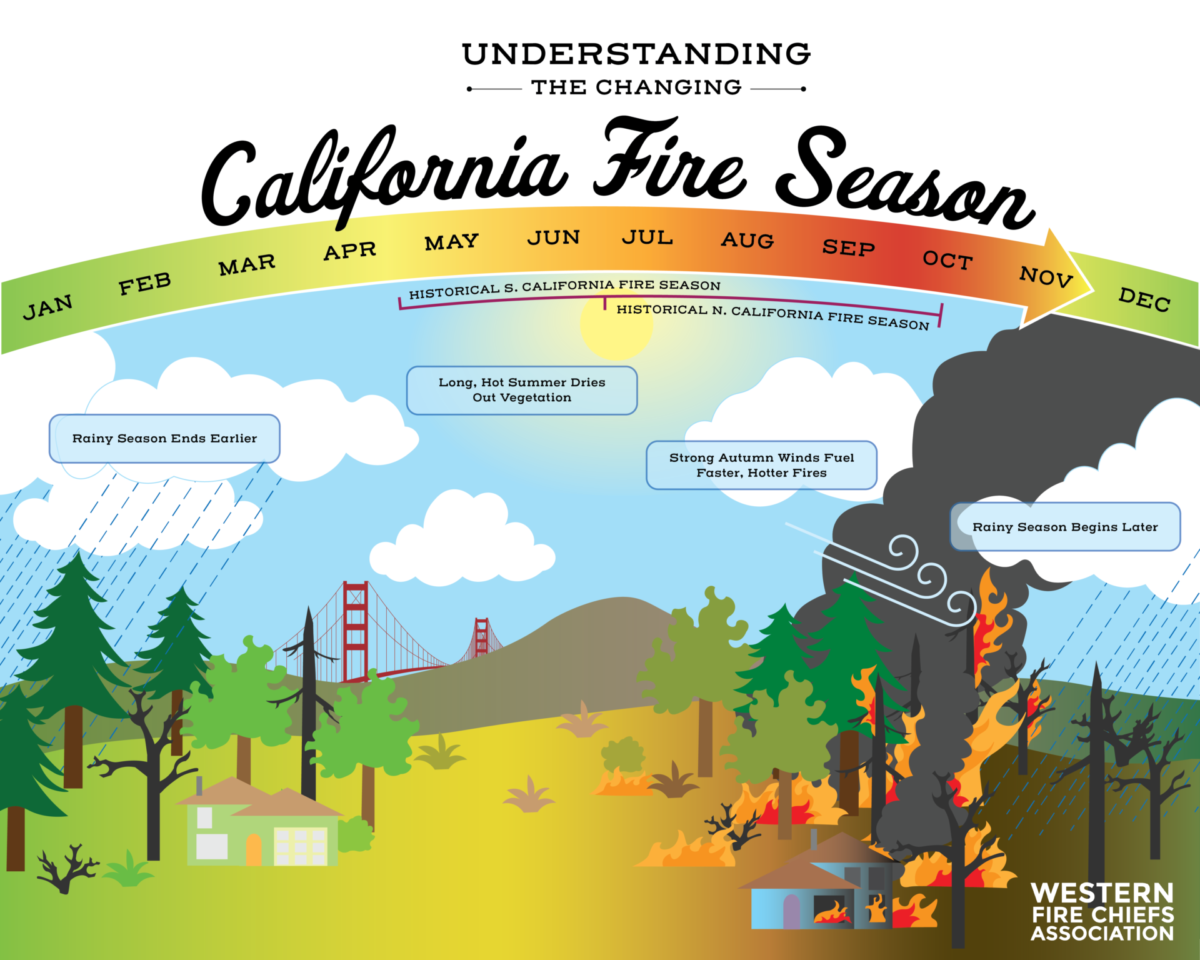
Beyond direct ignitions, weather patterns act as critical accelerants. California’s infamous foehn winds, such as the Santa Ana Winds in the south and the Diablo Winds in the north, are dry, hot gusts that sweep down mountain passes toward the coast. These winds act like bellows, fanning small fires into infernos, carrying embers for miles, and rapidly spreading flames across vast distances. They are a major factor in the destructive potential of many of the state’s largest and fastest-moving wildfires, transforming a localized blaze into a regional catastrophe within hours. The combination of dry fuels, low humidity, and these powerful winds creates an environment ripe for extreme fire behavior, often making containment incredibly challenging for firefighters.
The Pervasive Human Element: Accidental Ignitions
While natural causes capture headlines, human activity accounts for an overwhelming percentage of fire ignitions in California. These aren’t always acts of arson but rather a myriad of everyday accidents that can have catastrophic consequences, especially given the state’s dry climate and expanding wildland-urban interface (WUI).
One of the most common and historically significant human causes involves utility infrastructure, specifically power lines. Damaged power lines, often exacerbated by strong winds or falling trees, can spark fires. Equipment failures or lines coming into contact with dry vegetation are frequent culprits. Companies like PG&E have faced immense scrutiny and legal battles over fires linked to their infrastructure, leading to significant investments in grid hardening and vegetation management. The notorious Camp Fire in 2018, which decimated the town of Paradise, was a tragic example of a fire sparked by faulty electrical equipment.
Other significant human causes include:
- Campfires and Outdoor Activities: Unattended campfires, improperly extinguished coals, or sparks from recreational activities (e.g., target shooting, off-road vehicles) are frequent ignition sources, particularly in popular national parks and forest areas like those surrounding Lake Tahoe or within Yosemite National Park.
- Vehicle Malfunctions: Sparks from catalytic converters, dragging chains, or overheated engines can easily ignite dry grass along roadways. This is a common source of fires along major highways, impacting travel routes and sometimes leading to extensive road closures.
- Discarded Cigarettes: A seemingly innocuous flick of a cigarette butt can ignite a devastating blaze, especially in areas with dry brush.
- Agricultural and Construction Equipment: Sparks from farming machinery or construction tools, especially during dry conditions, can quickly get out of control.
- Fireworks: Illegal fireworks, particularly during celebratory periods, are a major source of urban and wildland ignitions, posing threats to residential areas and natural landscapes alike.
- Arson: While less frequent than accidental ignitions, intentional acts of arson remain a grim reality. These malicious acts pose a severe threat, often targeting remote areas or times of extreme fire danger.

Exacerbating Factors: A Confluence of Climate and Landscape
Understanding how fires start is only part of the equation. To truly grasp the intensity and scale of California’s wildfires, one must also consider the profound role of underlying environmental conditions and human development patterns that turn small sparks into raging infernos.
The Role of Climate Change and Drought
The most significant background factor exacerbating California’s fire problem is climate change. Rising global temperatures contribute to hotter, drier conditions across the state. This leads to prolonged drought periods, which severely dry out vegetation, turning forests, chaparral, and grasslands into highly combustible fuel. Snowpacks in the Sierra Nevada Mountains, a crucial water source for the state, are shrinking, further reducing moisture availability throughout the dry season. The longer and more intense dry seasons mean that fire conditions persist for more months out of the year, extending what was once a “fire season” into a year-round threat. Extreme heat waves, intensified by climate change, further desiccate the landscape and increase the likelihood of ignition and rapid spread. This creates a vicious cycle where higher temperatures lead to more fires, which in turn release more carbon into the atmosphere, contributing to further warming.
Fuel, Wind, and the Wildland-Urban Interface
Beyond climate, the sheer amount of available fuel is a critical factor. Decades of fire suppression policies, intended to protect homes and timber, inadvertently led to an accumulation of dense undergrowth, dead trees, and brush in many of California’s forests and wildlands. When a fire does break out in these overgrown areas, it burns hotter, faster, and with more intensity, making it incredibly difficult to contain. This “fuel load” is a direct consequence of past land management practices and is a key challenge for agencies like the California Department of Forestry and Fire Protection (CAL FIRE) and the United States Forest Service.
The previously mentioned powerful winds, like the Santa Ana Winds, transform these fuel-rich environments into fast-moving infernos. These winds not only spread flames rapidly but also carry embers miles ahead of the main fire front, causing new spot fires that bypass existing firebreaks and containment efforts.
Finally, the expansion of the wildland-urban interface (WUI) is a major driver of wildfire risk to human lives and property. As more people move into scenic, undeveloped areas on the fringes of forests and wildlands, the probability of human-caused ignitions increases. Simultaneously, these homes and communities become vulnerable targets for fires. This interface is where the human and natural elements of the fire problem tragically converge, leading to immense property damage, displacement, and loss of life. Areas like Malibu and the hills surrounding Los Angeles exemplify these vulnerable WUI communities.
Impact on California’s Iconic Landscapes and Tourism
The relentless nature of California’s wildfires has profound implications for the state’s most cherished landmarks, its thriving tourism industry, and the lifestyle of both residents and visitors.
Protecting Destinations: From Yosemite to Coastal Resorts
California boasts an unparalleled array of natural wonders and cultural attractions, many of which are directly threatened by wildfires. Yosemite National Park, home to ancient sequoia groves and granite monoliths, has frequently faced fire incursions and closures, impacting millions of visitors who come to witness its grandeur. Similarly, Sequoia National Park and Joshua Tree National Park have seen significant portions of their unique ecosystems burned, raising concerns about the long-term survival of their iconic trees. Coastal gems like Big Sur, with its dramatic cliffs and scenic Pacific Ocean views, have experienced road closures and threats to hotels and resorts situated along Highway 1.
The wine regions of Napa Valley and Sonoma County, famous for their vineyards, gourmet food, and luxury accommodation options, have repeatedly been devastated by fires. These events not only destroy vineyards and wineries but also disrupt the entire tourism economy, impacting hotels, restaurants, and local businesses that rely heavily on visitors. The smoke itself, even far from the fire front, can deter travelers and impact outdoor activities, forcing people to reconsider their itineraries or cancel trips to destinations like Lake Tahoe or Palm Springs. Iconic urban centers like San Francisco and Los Angeles also suffer from poor air quality, affecting everything from outdoor attractions like the Golden Gate Bridge to theme parks like Disneyland and the general enjoyment of city life.
Navigating Travel: Safety, Preparedness, and Reassurance
For those planning to visit or already residing in California, understanding wildfire risks has become an integral part of travel planning and lifestyle preparedness. Travelers must stay informed about current fire activity through reliable sources like CAL FIRE and local emergency services. Many hotels and accommodation providers, especially in high-risk areas like Santa Barbara or San Diego, have enhanced their emergency plans and communicate actively with guests about safety protocols.
Tourism boards and local businesses are working to reassure visitors while also providing practical guides on navigating a potential fire season. This includes advice on avoiding areas with active fires, understanding evacuation orders, and taking precautions against smoke exposure. Many tour operators and travel agencies offer flexible booking policies during fire season, acknowledging the uncertainty. For those considering long-term stays or property rentals, checking fire risk maps and understanding local emergency infrastructure is paramount. The resilience of California’s tourism sector is remarkable, but adaptation and informed choices are increasingly vital for a positive travel experience.
Prevention and Adaptation: Safeguarding the Golden State
Addressing California’s wildfire crisis requires a multi-pronged approach that tackles both ignition sources and the conditions that allow fires to become catastrophic. State agencies, federal partners like the National Parks Service, local communities, and individuals all play a role in prevention and adaptation.
Mitigation Strategies:
- Forest Management: Aggressive forest thinning, prescribed burns, and removal of hazardous fuels are crucial to reducing fire intensity and creating defensible spaces.
- Utility Infrastructure Upgrades: Burying power lines, hardening existing infrastructure, and advanced vegetation management around utility corridors aim to minimize ignitions from electrical equipment.
- Building Codes and Land Use Planning: Stricter building codes in WUI areas, mandating fire-resistant materials and defensible space around homes, are vital. Local planning must also consider fire risk in new developments.
- Public Education: Ongoing campaigns educate residents and visitors on fire safety, emphasizing responsible campfire practices, safe vehicle maintenance, and proper disposal of ignition sources.
- Early Detection and Rapid Response: Investments in advanced fire detection technologies (e.g., cameras, sensors) and a robust aerial and ground firefighting force are essential for quick containment.
Adapting to a New Reality:
California is actively investing in scientific research to better understand fire behavior, predict outbreaks, and develop innovative solutions. Communities are focusing on becoming “fire-adapted,” meaning they understand, prepare for, and live with wildfire risk, rather than simply suppressing it. For the tourism sector, this means integrating fire safety into travel guides, offering flexible booking options, and highlighting safer travel times or alternative destinations during peak fire season. The vibrant spirit of California endures, but its relationship with fire has profoundly shaped its lifestyle and the way visitors plan their memorable experiences in this extraordinary state.
In conclusion, the question “How did the fires start in California?” elicits a complex answer. It’s a combination of natural forces like lightning, frequently exacerbated by human carelessness and, increasingly, by the pervasive influence of climate change. The interaction of dry fuels, strong winds, and expanding human development creates a dangerous crucible where small sparks can ignite devastating blazes. While the challenges are immense, ongoing efforts in prevention, mitigation, and adaptation offer hope for a more resilient future for the Golden State’s cherished landscapes, vibrant communities, and thriving tourism industry. For anyone engaging with California, whether as a resident, a traveler, or a business owner, understanding these origins is the first step toward effective coexistence with fire.
LifeOutOfTheBox is a participant in the Amazon Services LLC Associates Program, an affiliate advertising program designed to provide a means for sites to earn advertising fees by advertising and linking to Amazon.com. Amazon, the Amazon logo, AmazonSupply, and the AmazonSupply logo are trademarks of Amazon.com, Inc. or its affiliates. As an Amazon Associate we earn affiliate commissions from qualifying purchases.