
The very name of one of America’s most iconic states, New York, evokes images of bustling cityscapes, majestic natural wonders, and a rich tapestry of history. But have you ever paused to consider the origins of this globally recognized moniker? The story behind New York’s name is a fascinating journey through centuries of exploration, conquest, and a significant royal decree. It’s a tale that intertwines the ambitions of European powers with the evolving landscape of North America, ultimately shaping the identity of a state that has become a cornerstone of the United States. This exploration delves into the historical context, the key players, and the pivotal moments that led to the naming of New York.

From Dutch Settlement to English Dominion
Before New York bore its familiar name, this strategically important territory was a Dutch colony. In the early 17th century, the Dutch West India Company, driven by lucrative fur trade opportunities, established a settlement in what is now Lower Manhattan. This outpost, known as New Amsterdam, became the capital of their vast holdings in North America, collectively called New Netherland. For decades, New Netherland thrived under Dutch rule, a testament to their trading prowess and colonial ambitions. However, the geopolitical landscape of Europe was volatile, and the rivalry between the Netherlands and England was fierce.
The Strategic Importance of the Hudson River Valley
The Hudson River Valley, with its abundant beaver populations and access to the interior of the continent, was a prize of immense economic and strategic value. The Dutch recognized this, and their control over the region was a thorn in the side of the expanding English colonies to the north and south. The English, under the ambitious King Charles II, saw New Netherland as an impediment to their own colonial ambitions and a potential base for hostile activities.
In 1664, this rivalry reached a breaking point. King Charles II granted a large swath of territory, including the entirety of New Netherland, to his brother, James, Duke of York and Albany. This grant was part of England’s broader strategy to consolidate its control over the eastern seaboard of North America and to displace Dutch influence. The king’s decision was not merely a territorial claim; it was a declaration of intent, setting the stage for a significant shift in colonial power.
The English Conquest and a Royal Dedication
With the royal charter in hand, James, Duke of York, dispatched an English fleet to take possession of New Netherland. The arrival of the English fleet in August 1664 presented Peter Stuyvesant, the Dutch governor, with a difficult choice. Despite his initial defiance, Stuyvesant ultimately surrendered New Amsterdam and New Netherland to the English without a shot being fired. This bloodless conquest was facilitated by the colonists themselves, many of whom were weary of Dutch rule and saw little advantage in resisting the superior English force.
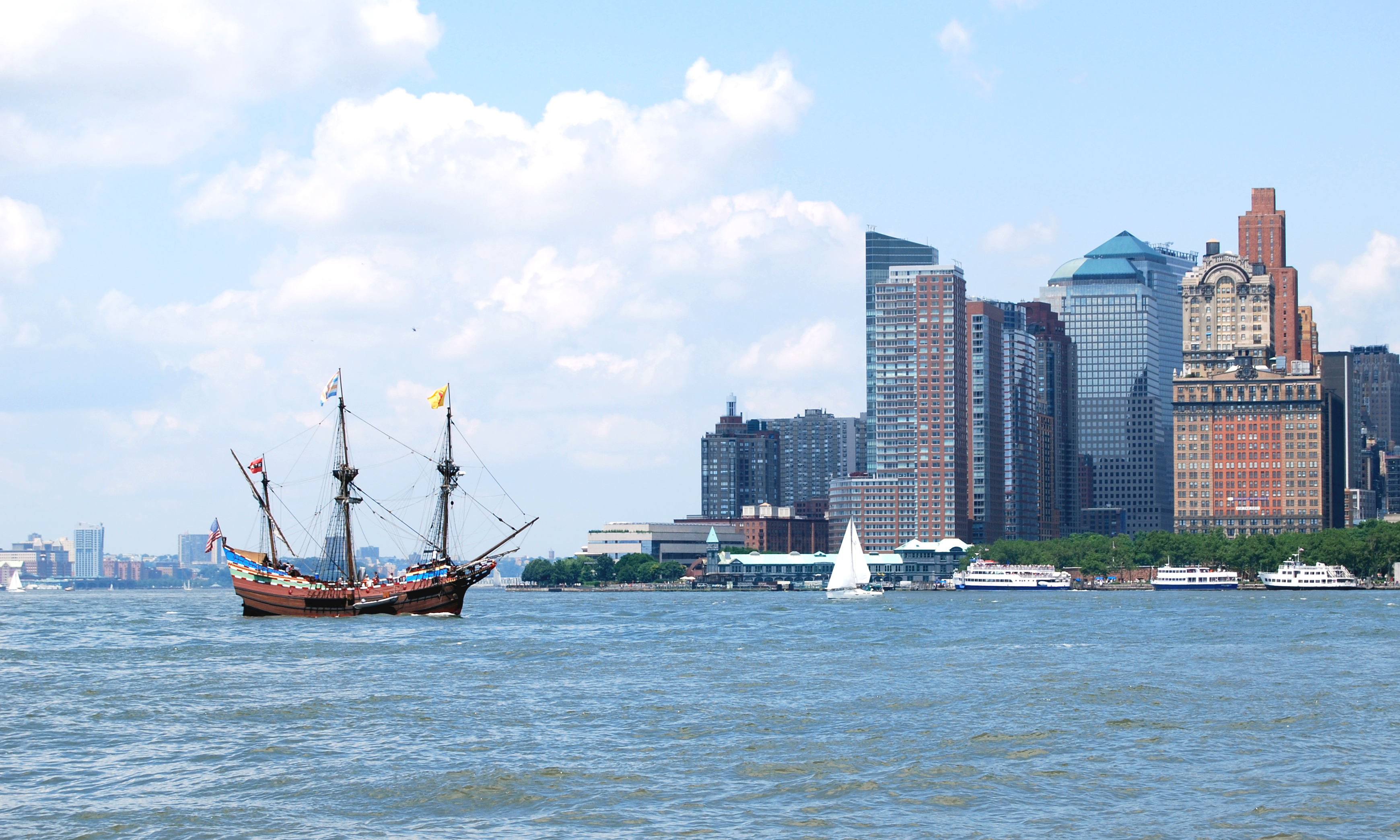
The surrender marked the end of Dutch colonial rule in the region and ushered in a new era under English sovereignty. It was at this juncture that the territory was officially renamed. In honor of the new proprietor, James, Duke of York, the former New Netherland was christened New York. This naming was a clear and direct dedication of the conquered lands to the king’s brother, solidifying his claim and integrating the territory into the English empire. The city of New York and the entire province were thus named, acknowledging the Duke’s significant role in its acquisition.
The Legacy of the Duke of York
James, Duke of York, was a figure of considerable influence. Before ascending to the throne as King James II, he held significant military and administrative responsibilities. His patronage of the arts and sciences, along with his role in naval affairs, made him a prominent figure in English society. The naming of New York in his honor was a fitting tribute to his importance and the strategic value of the territory. This act cemented his association with the region, an association that continues to be remembered through the state’s name today. While James would later face political turmoil and be deposed, his legacy in North America, particularly through the naming of New York, remained indelible.
The Evolution of New York: From Colony to Global Hub
The renaming of New Netherland to New York was more than just a change of name; it signified a fundamental shift in governance, culture, and economic orientation. Under English rule, New York began to develop its unique identity, drawing influences from its Dutch past while embracing English traditions. The port of New York City rapidly grew in importance, becoming a vital center for trade and commerce between Europe and the Americas.
Tourism and Lifestyle in Modern New York
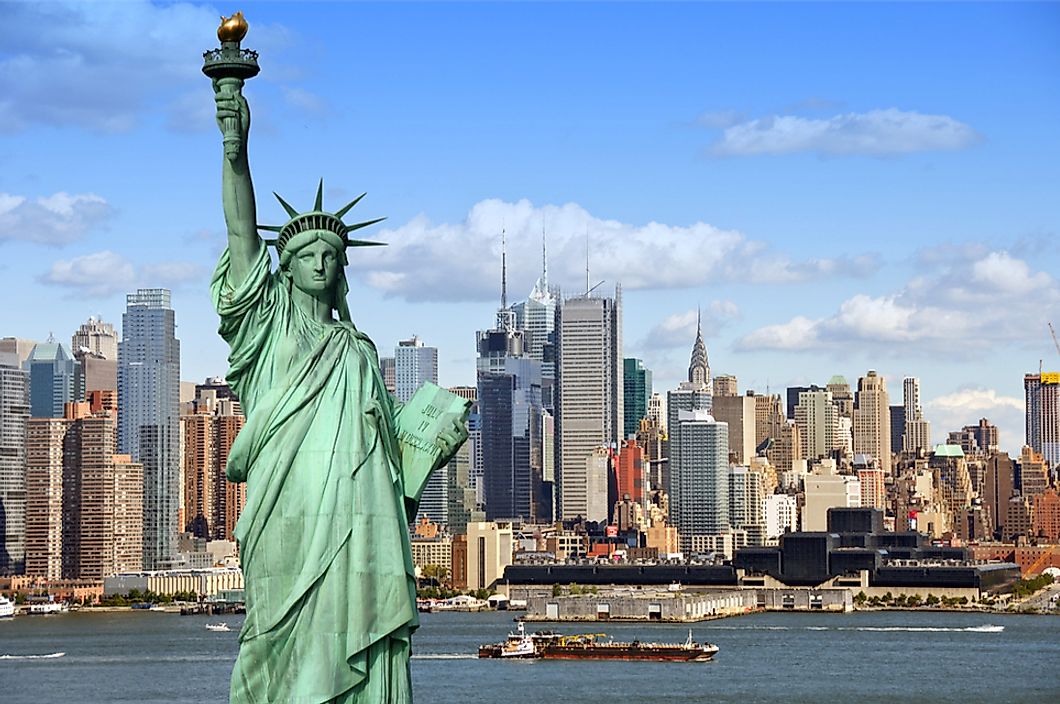
Today, the state of New York is a global leader in tourism, offering an unparalleled diversity of experiences. From the iconic skyscrapers of New York City to the breathtaking natural beauty of the Adirondack Mountains and the serene shores of Long Island, visitors are drawn to its myriad attractions. New York City itself is a landmark destination, boasting world-renowned museums like the Metropolitan Museum of Art, architectural marvels such as the Empire State Building and One World Trade Center, and vibrant neighborhoods that pulse with culture and energy.
The hospitality sector in New York is as diverse as the state itself, catering to every imaginable preference and budget. Luxury travelers can indulge in opulent suites at world-class hotels like the Plaza Hotel or the St. Regis New York, experiencing the height of lifestyle and comfort. For those seeking unique stays, charming villas and boutique apartments offer a more intimate experience. The culinary scene is a major draw for tourism, with local culture reflected in everything from Michelin-starred restaurants to beloved street food vendors. Exploring the diverse cuisines, from classic New York pizza to authentic ethnic eateries, is an adventure in itself.
Beyond the urban sprawl, the state offers abundant opportunities for outdoor experiences and nature exploration. The Finger Lakes region is renowned for its wineries and stunning glacial lakes, perfect for a relaxing getaway. Upstate New York provides hiking, skiing, and breathtaking scenic drives through the Catskill Mountains and the Adirondacks. Whether you’re planning a family trip, a romantic escape, a business stay, or a solo adventure, New York provides endless possibilities for discovery. The ease of booking accommodations through various platforms allows travelers to compare options and find the perfect resort or hotel, ensuring a memorable visit. The rich history embedded in its landmarks, combined with its dynamic contemporary lifestyle, makes New York a destination that truly has it all.
The name “New York” therefore, is not just a label; it’s a historical marker, a testament to a pivotal moment when England asserted its dominance and dedicated a significant North American territory to its royal family. From its Dutch origins as New Netherland and New Amsterdam, to its English renaming in honor of the Duke of York, the state’s identity has been shaped by its colonial past, a past that continues to resonate today in its vibrant culture and global significance.
LifeOutOfTheBox is a participant in the Amazon Services LLC Associates Program, an affiliate advertising program designed to provide a means for sites to earn advertising fees by advertising and linking to Amazon.com. Amazon, the Amazon logo, AmazonSupply, and the AmazonSupply logo are trademarks of Amazon.com, Inc. or its affiliates. As an Amazon Associate we earn affiliate commissions from qualifying purchases.