
The story of how the United States acquired Florida is a complex tapestry woven with threads of diplomacy, conflict, and strategic ambition. This vast peninsula, with its strategic location and rich natural resources, was a coveted prize for European powers long before it became a U.S. state. Understanding its journey from Spanish colony to American territory offers profound insights into the formative years of the United States and its expansionist policies.
Colonial Claims and Early European Encounters
The history of Florida begins with European exploration, primarily driven by the quest for new lands and resources. In 1513, the Spanish explorer Juan Ponce de León, searching for “La Florida” (the Flowery Land), landed on the coast of what is now Florida. He claimed the territory for Spain, naming it after the Spanish Easter festival of Pascua Florida. This initial claim set the stage for centuries of Spanish influence.
Spanish Colonization Efforts
Despite Ponce de León‘s claim, sustained Spanish colonization was a slow and challenging endeavor. Early attempts were met with resistance from indigenous populations, and the harsh environment proved difficult to overcome. The Spanish established missions, forts, and small settlements, but their presence remained precarious for a long time. St. Augustine, founded in 1565, is the oldest continuously inhabited European-established settlement in the continental United States. It served as a crucial military and administrative center for the Spanish in Florida, defending their claims against rival European powers, particularly the English and the French.
Rivalry with Other European Powers
The strategic importance of Florida was not lost on other European nations. The English, expanding south from their colonies in Carolina, viewed Spanish Florida as a territorial threat and a base for potential attacks. Likewise, the French, with their own ambitions in the Americas, eyed the region. This geopolitical rivalry led to numerous skirmishes, raids, and conflicts over control of the peninsula. The English, in particular, launched several expeditions against St. Augustine and other Spanish settlements. The fluctuating fortunes of these powers in European wars often translated into shifts in control or influence over Florida.
The Era of British Rule
The prolonged competition between Spain and Great Britain over colonial territories eventually led to significant territorial realignments. In the aftermath of the Seven Years’ War (known as the French and Indian War in North America), which concluded in 1763, the Treaty of Paris brought about a dramatic change in Florida‘s status. As part of the treaty’s concessions, Spain ceded Florida to Great Britain in exchange for the return of Havana, Cuba, which the British had captured during the war.
British Administration and Development
Under British rule, Florida was divided into two colonies: East Florida and West Florida. The British implemented new administrative policies and sought to develop the territory more aggressively. They encouraged settlement by offering land grants, particularly to loyalists fleeing the American Revolution. This influx of settlers, primarily from the British Isles and the thirteen colonies, brought new agricultural practices and economic activities, such as the cultivation of indigo, sugar, and timber. The British also focused on improving infrastructure, including roads and port facilities, and strengthening their military presence. However, British rule in Florida was relatively short-lived.
The American Revolution’s Impact
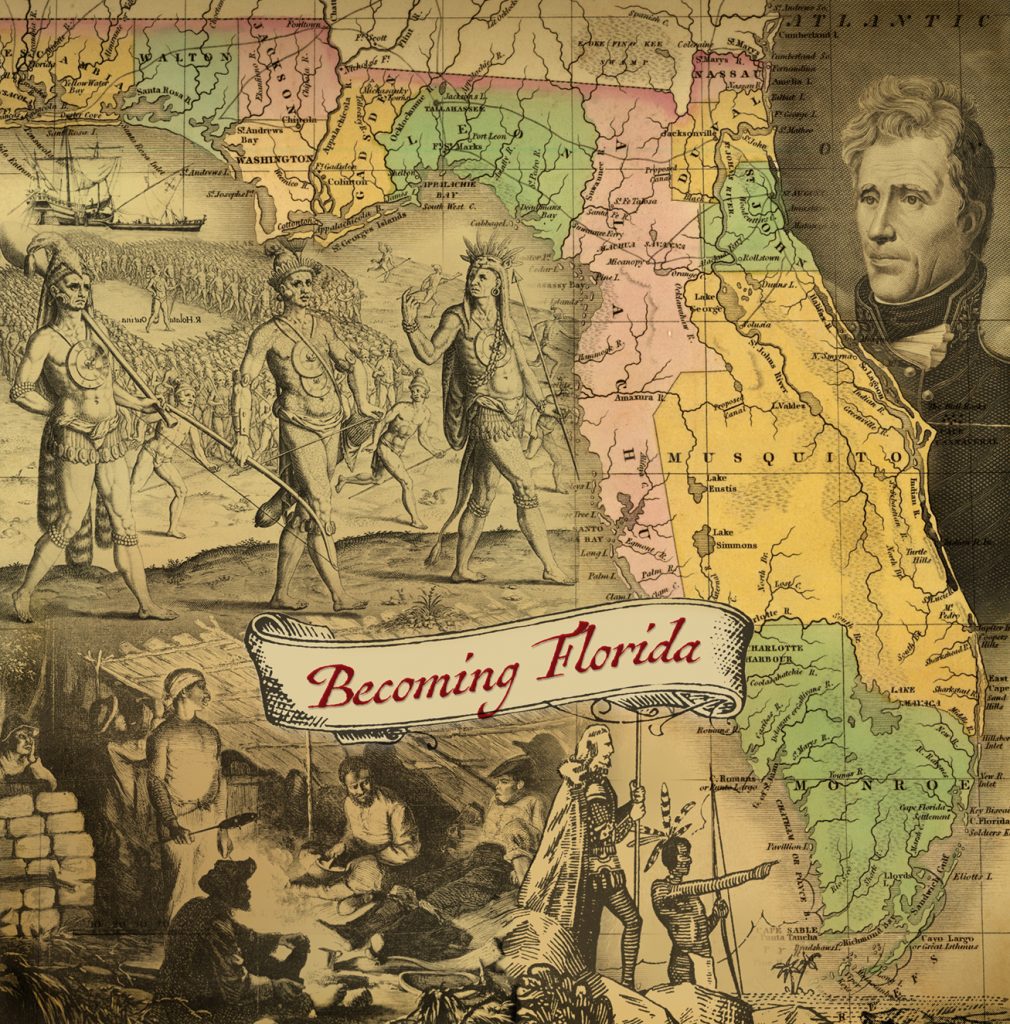
The American Revolution had a profound impact on Florida. While the colonies of East and West Florida remained loyal to the British Crown, the conflict created instability and drew military attention to the region. Spanish forces, allied with the American revolutionaries, launched campaigns to reclaim Florida. Bernardo de Gálvez, the Spanish governor of Louisiana, successfully captured key British forts in West Florida, including Pensacola, in 1781. This military success significantly weakened the British position in Florida.
The Return to Spanish Rule and Seeds of American Acquisition
Following the American Revolution, the Treaty of Paris of 1783 not only recognized the independence of the United States but also returned Florida to Spain. This marked a second period of Spanish rule, which lasted for several decades. However, this second Spanish era was characterized by a weakening Spanish empire and increasing encroachment by its ambitious northern neighbor, the United States.
Weakening Spanish Authority
By the early 19th century, Spain‘s global power was in decline. Internal political turmoil in Spain and its colonies meant that Florida received less attention and resources from the metropolis. This weakened authority created opportunities for American settlers and speculators to move into Florida, often illegally, and for the United States to assert its influence. Smuggling, land speculation, and tensions with indigenous tribes like the Seminole became increasingly common.
American Expansionist Ambitions
The United States, meanwhile, was experiencing a period of fervent nationalism and territorial expansion. Its gaze was firmly fixed on Florida, seen as crucial for securing its southern border, controlling access to the Gulf of Mexico, and preventing any potential European power from establishing a foothold so close to its burgeoning republic. Figures like President Thomas Jefferson had long recognized the strategic value of Florida for American trade and security.
The Adams-Onís Treaty and American Acquisition
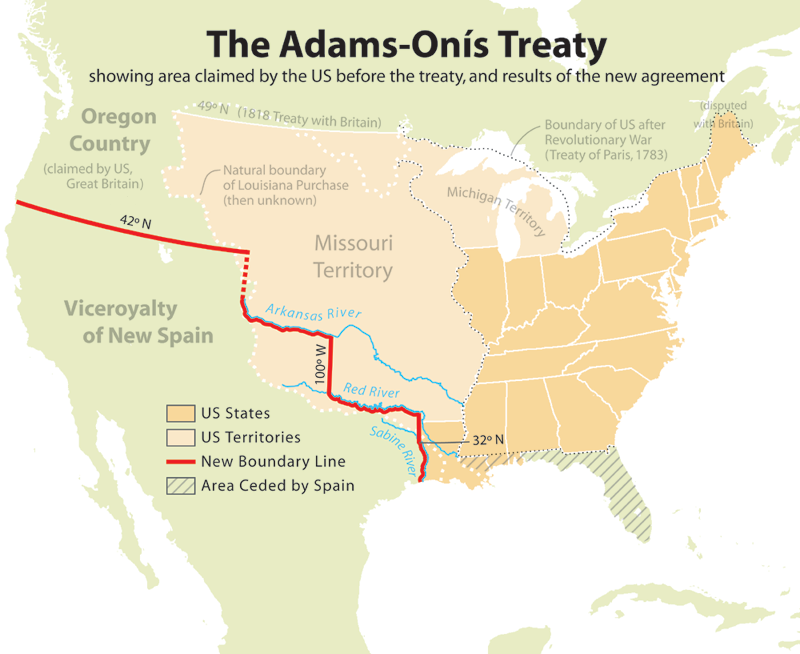
The growing tensions and incursions into Florida eventually led to a diplomatic crisis that culminated in a significant territorial transfer. The Adams-Onís Treaty, also known as the Transcontinental Treaty, was signed in 1819 between the United States and Spain. This pivotal agreement resolved long-standing border disputes and, most importantly, resulted in the cession of Florida to the United States.
Negotiating the Transfer
The treaty was named after John Quincy Adams, the U.S. Secretary of State at the time, and Luis de Onís y González-Vara, the Spanish Minister to the United States. Adams skillfully navigated complex negotiations, leveraging Spain‘s weakened position and its inability to effectively control or defend Florida. The United States agreed to renounce its claims to Texas (which was then part of Mexico) and to pay approximately $5 million to American citizens who held claims against the Spanish government. In return, Spain formally ceded Florida and its associated islands to the United States.
Ratification and American Control
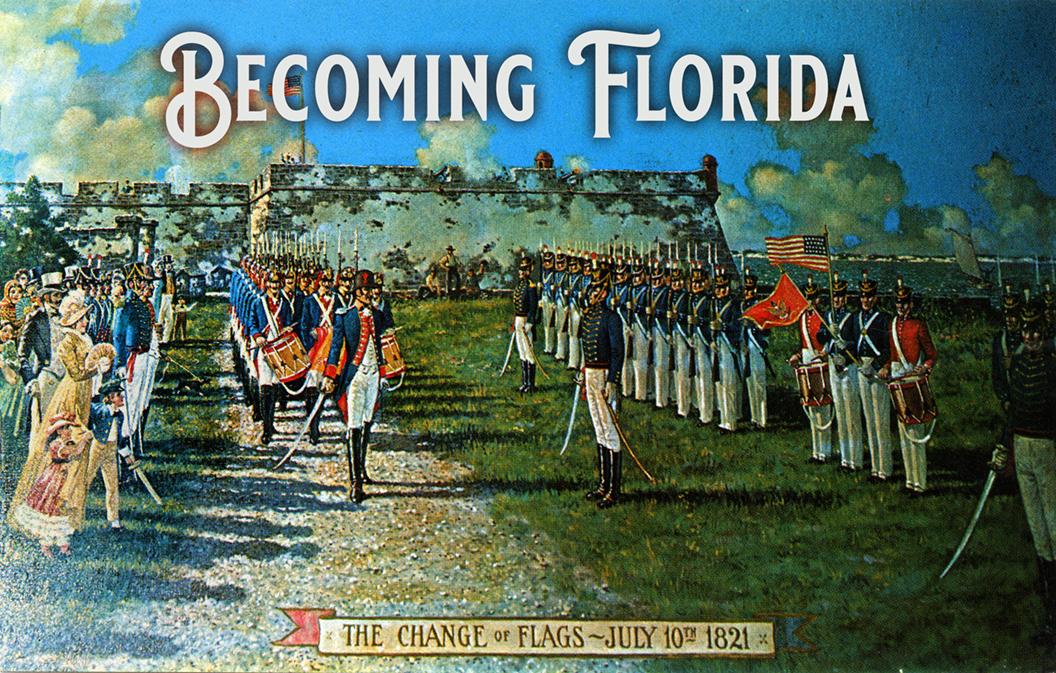
Although signed in 1819, the treaty was not ratified by Spain until 1821. Once ratified, Spain formally transferred possession of Florida to the United States. Andrew Jackson was appointed the first military governor of Florida, tasked with establishing American administration and asserting U.S. authority. This marked the end of over three centuries of Spanish and British colonial rule and the beginning of Florida‘s journey as a territory of the United States, a process that would eventually lead to its admission as the 27th state in 1845. The acquisition of Florida was a critical step in the United States‘ continental expansion, solidifying its control over the southeastern coast and the vital waterways of the Gulf of Mexico.
LifeOutOfTheBox is a participant in the Amazon Services LLC Associates Program, an affiliate advertising program designed to provide a means for sites to earn advertising fees by advertising and linking to Amazon.com. Amazon, the Amazon logo, AmazonSupply, and the AmazonSupply logo are trademarks of Amazon.com, Inc. or its affiliates. As an Amazon Associate we earn affiliate commissions from qualifying purchases.