
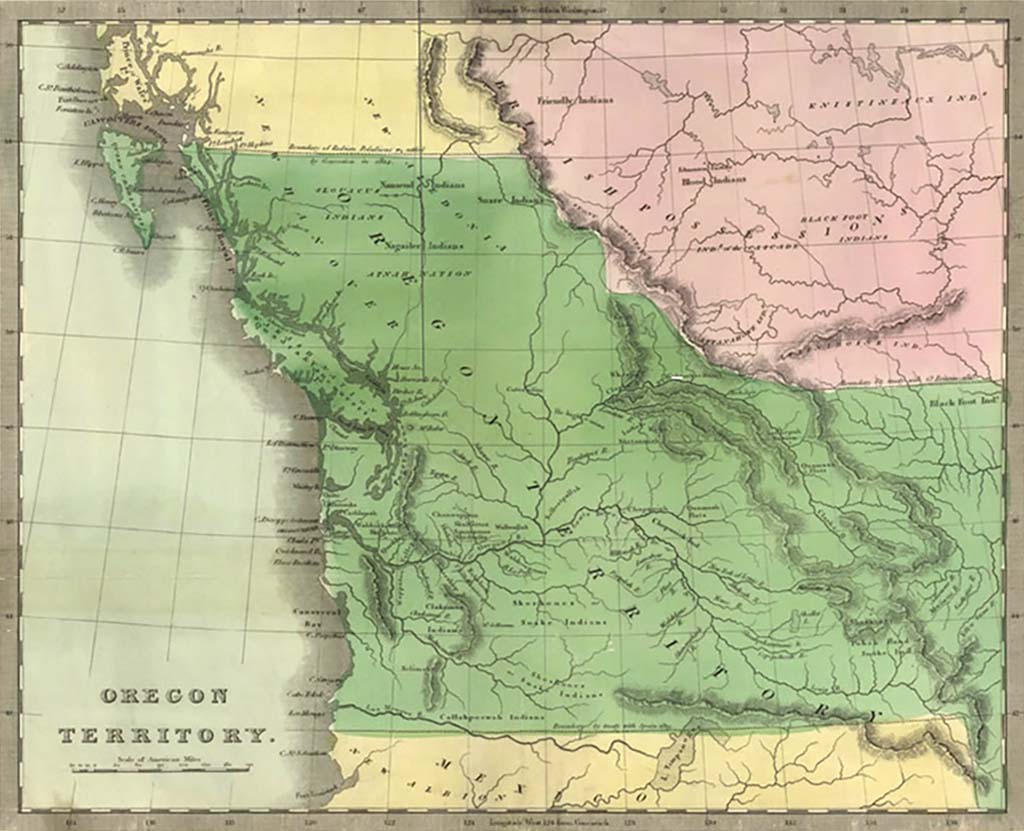
The history of the American West is often defined by the spirit of expansion, a narrative woven through maps, treaties, and arduous journeys. Among the most significant geopolitical shifts in the nineteenth century was the acquisition of the Oregon Territory, a vast expanse of land that shaped the future of the United States. This region, characterized by its rugged coastlines, dense forests, and fertile valleys, was not acquired through a single battlefield victory, but rather through a complex intersection of international diplomacy, competing colonial claims, and the relentless migration of American pioneers.

The Era of Competing Imperial Claims
Before the territory became a permanent fixture of the American map, it was a focal point of international friction. Throughout the late eighteenth and early nineteenth centuries, the Pacific Northwest was a contested space, with multiple global powers asserting their rights to the land based on maritime exploration and fur trading interests.
The Spanish and Russian Influence
Spain was among the first European powers to explore the coastline, claiming much of the territory based on the voyages of navigators who sought to establish a presence in the Pacific Ocean. However, as the 1800s approached, Spain’s grip on the region loosened. Simultaneously, Russia established lucrative fur-trading outposts stretching down from Alaska. These early claims created a crowded geopolitical theater, forcing the powers to negotiate boundaries that would eventually pave the way for American dominance.
The British and American Rivalry
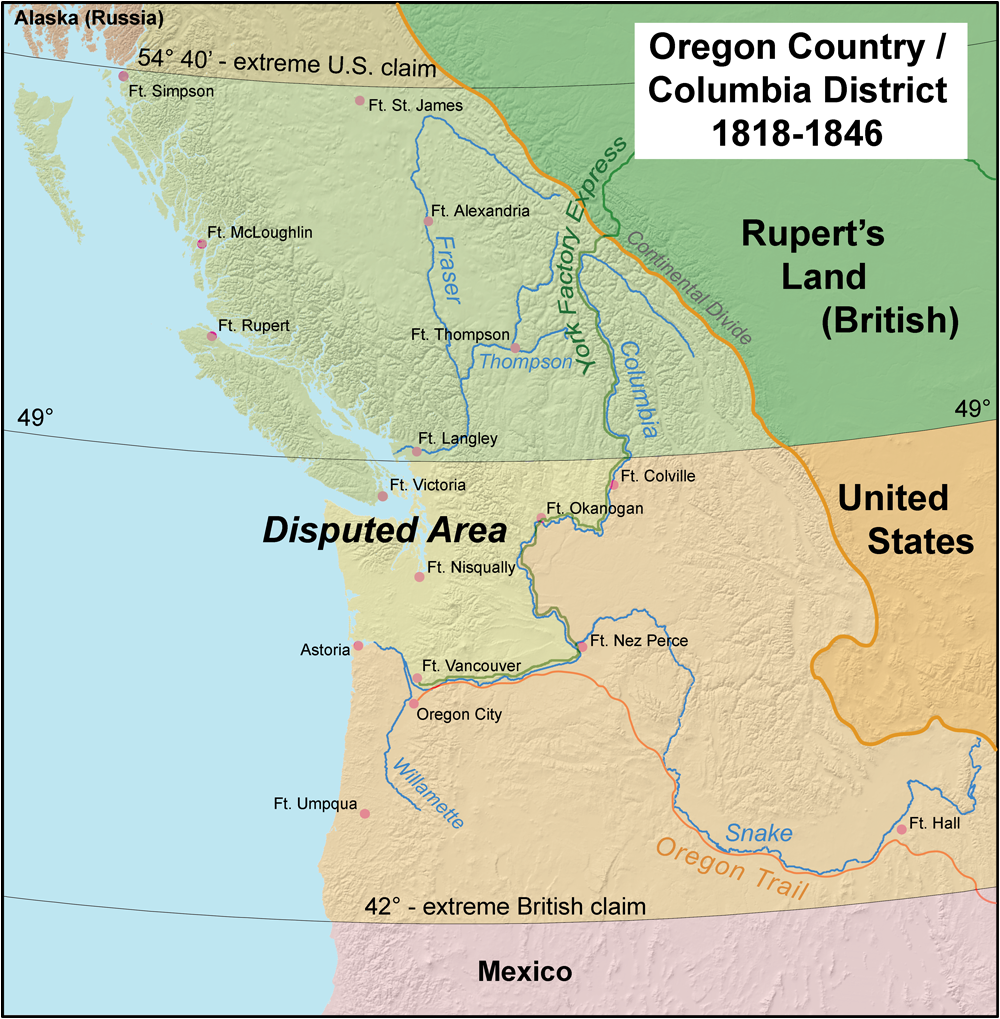
The most enduring rivalry for the region existed between the British Empire and the young American republic. British interests were primarily represented by the Hudson’s Bay Company, a formidable entity that established trade networks and settlements like Fort Vancouver. Conversely, the American claim rested on the 1792 expedition of Robert Gray, who navigated the Columbia River, and the subsequent Lewis and Clark Expedition. By 1818, the two nations signed a treaty allowing for “joint occupation,” a temporary solution that essentially deferred the ultimate question of sovereignty.
The Human Tide: The Oregon Trail and Manifest Destiny
Diplomacy in Washington D.C. was eventually eclipsed by the sheer force of human migration. During the 1830s and 1840s, the concept of “Manifest Destiny” took hold of the American consciousness, fueling the belief that the nation was divinely ordained to expand across the continent.
The Pioneer Movement
The catalyst for this shift was the establishment of the Oregon Trail. Starting in Independence, Missouri, thousands of families traded their sedentary lives for the uncertainty of the frontier. These pioneers, drawn by the promise of fertile land in the Willamette Valley, transformed the demographic reality of the region. As American settlements outpaced British trading posts, the joint occupation agreement became increasingly untenable for the British government, which saw its influence waning in the face of sheer numbers.
The Role of Missionaries and Settlers
Early missionaries, such as Marcus Whitman, played a pivotal role in promoting the territory to Eastern audiences. Their reports of the abundant climate and rich soil served as an unofficial invitation to those suffering from economic instability in the East. This mass influx of citizens forced the hand of the federal government, necessitating a permanent political resolution to avoid open conflict with the United Kingdom.
The Oregon Treaty of 1846
The tensions culminated in the presidential election of 1844, where the slogan “Fifty-four forty or fight!”—referring to the northern latitude boundary claimed by expansionists—pushed the nation toward a brink-of-war mentality. Under the administration of James K. Polk, the United States sought to consolidate its territory while simultaneously managing potential conflict with Mexico.
Diplomacy Over Conflict
Recognizing that a war with Britain would be catastrophic, President Polk opted for a diplomatic solution. In 1846, the Oregon Treaty was signed, formally settling the boundary between British North America and the United States at the 49th parallel. This line extended the border that already existed between the Great Lakes and the Rocky Mountains all the way to the Strait of Juan de Fuca.
Long-term Legacy
The resolution of the Oregon boundary dispute effectively secured the American hold on the Pacific Northwest, providing the country with vital deep-water ports and access to the burgeoning trans-Pacific trade. This acquisition was a cornerstone of the continental expansion that defined the American identity in the mid-nineteenth century. The subsequent formation of the Oregon Territory in 1848, followed by the Washington Territory, marked the final administrative steps in incorporating the region into the union.
Preserving the History of the Frontier
Today, the landscapes that were once the subject of intense international negotiation are celebrated for their natural beauty and historical significance. The route taken by those early pioneers has left an indelible mark on the landscape of the American West.
Landmarks of Expansion
Many travelers today visit sites that bear witness to this era. Fort Vancouver National Historic Site offers an immersive look into the fur-trading era, while the remnants of the trail itself are preserved in various locations across Nebraska, Wyoming, and Idaho. These landmarks allow contemporary visitors to engage with the physical realities that dictated the outcome of the Oregon acquisition.
The Modern Pacific Northwest
The legacy of this historical era is most clearly seen in the vibrant culture of the region today. From the thriving city of Portland to the rugged coastline of Oregon, the states formed from the original territory continue to reflect the pioneering, independent spirit of those who first journeyed there. Understanding the diplomatic and human history behind the acquisition of this territory provides a deeper appreciation for the modern topography and identity of the United States. Whether one is hiking through the Cascade Range or exploring the historic districts of Seattle, the historical weight of that 1846 decision remains omnipresent, reminding us of the pivotal moment when the American dream truly stretched from sea to shining sea.
LifeOutOfTheBox is a participant in the Amazon Services LLC Associates Program, an affiliate advertising program designed to provide a means for sites to earn advertising fees by advertising and linking to Amazon.com. Amazon, the Amazon logo, AmazonSupply, and the AmazonSupply logo are trademarks of Amazon.com, Inc. or its affiliates. As an Amazon Associate we earn affiliate commissions from qualifying purchases.