
Florida, a state synonymous with sun-drenched beaches, vibrant theme parks, and a rich tapestry of history, is a jewel in the American crown. But its journey to becoming a part of the United States was a long and complex one, marked by colonial rivalries, diplomatic maneuvering, and ultimately, strategic acquisition. For travelers planning a visit to Florida, understanding its past can deepen their appreciation for its unique culture and iconic landmarks. Whether you’re exploring the historic streets of St. Augustine, relaxing at a luxury resort in Miami Beach, or marveling at the natural beauty of the Everglades, the story of how Florida came to be an American state adds another layer to the experience.
The Early Struggles for Control: Spain and Great Britain
Before Florida was a United States territory, it was a land of contention, primarily between the mighty empires of Spain and Great Britain. The story begins with Spain, which was the first European power to claim and explore the vast peninsula.
Ponce de León’s Arrival and Spanish Colonization
In 1513, the intrepid Spanish explorer Juan Ponce de León landed on the coast of what is now Florida. He was on a quest for new lands and, according to legend, the mythical Fountain of Youth. While he didn’t find the fountain, he did claim the territory for Spain, naming it “La Florida” in honor of the Easter season, known as Pascua Florida (Flowery Easter). This marked the beginning of Spanish influence in the region, though initial attempts at colonization were met with fierce resistance from the indigenous populations, such as the Timucua and Calusa tribes.
Despite the challenges, the Spanish established St. Augustine in 1565, making it the oldest continuously inhabited European-established settlement in the present-day United States. For centuries, Florida remained a Spanish possession, serving as a crucial buffer zone and a strategic outpost in their vast American empire. It was a land of missions, forts, and sporadic settlements, but its development was slower compared to other European colonies in North America.
The Rise of British Interest and the Seven Years’ War
As the 18th century unfolded, Great Britain‘s colonial ambitions grew. The British colonies along the Atlantic coast were expanding, and they saw Florida as a strategically important territory that could curb Spanish influence and provide access to valuable resources. The rivalry between Spain and Great Britain intensified, culminating in various conflicts, most notably the Seven Years’ War (also known as the French and Indian War in North America), which raged from 1756 to 1763.
During this global conflict, Great Britain achieved significant military victories. As part of the peace negotiations, the Treaty of Paris in 1763 brought about a dramatic shift in the geopolitical landscape of North America. In a surprising exchange, Spain ceded Florida to Great Britain in return for the return of Havana, Cuba, which the British had captured.
British Florida: A Brief but Transformative Period
The cession of Florida to Great Britain ushered in a new era for the peninsula. Under British rule, Florida was divided into two colonies: East Florida, with its capital at St. Augustine, and West Florida, with its capital initially at Pensacola. This period, though relatively short-lived, saw significant changes and laid some of the groundwork for future developments.
British Administration and Development
The British administration aimed to develop Florida economically and strategically. They encouraged settlement by offering land grants to colonists, particularly from other British colonies and from Europe. This led to an influx of new settlers, who brought with them new agricultural practices and a different approach to governance. Large plantations were established, growing crops such as indigo, rice, and sugar. The British also focused on improving fortifications and naval presence in the region, recognizing its strategic importance.
However, British rule in Florida was also characterized by internal divisions and the ongoing tensions with the indigenous populations. Furthermore, as the American Revolution loomed, Florida remained loyal to the British Crown, making it a refuge for Loyalists fleeing the rebellious colonies to the north.
The Return to Spanish Rule and the Seeds of American Acquisition
The American Revolution had a profound impact on the fate of Florida. When Great Britain ultimately lost the war, the situation for its colonies changed dramatically.
The Second Treaty of Paris and Florida’s Return to Spain
The Treaty of Paris of 1783, which officially ended the American Revolutionary War, saw Great Britain cede Florida back to Spain. This marked the second time Spain controlled the territory, but its grip was loosening. The Spanish were primarily interested in maintaining their control over Cuba and other Caribbean possessions, and Florida was becoming a less significant asset.
During this second Spanish period, Florida experienced a period of relative instability. While there was some economic activity, the Spanish administration was not as effective as it had been in earlier times. The United States, now a burgeoning nation to the north, began to eye Florida with increasing interest.
American Expansionism and Growing Tensions
The early 19th century was a period of significant westward expansion for the United States. The concept of “Manifest Destiny” – the belief that the United States was destined to expand across the North American continent – was gaining traction. Florida, with its strategic location, fertile lands, and potential for trade, was a natural target for American expansionists.
Tensions between the United States and Spain over Florida grew. American settlers were increasingly encroaching on Spanish territory, and there were frequent border disputes and incidents involving Native American tribes, such as the Seminole Wars. The United States also expressed concerns about Spain‘s ability to control the territory and prevent it from becoming a haven for smugglers, pirates, and hostile Native American groups.
The Adams-Onís Treaty: The Peaceful Cession
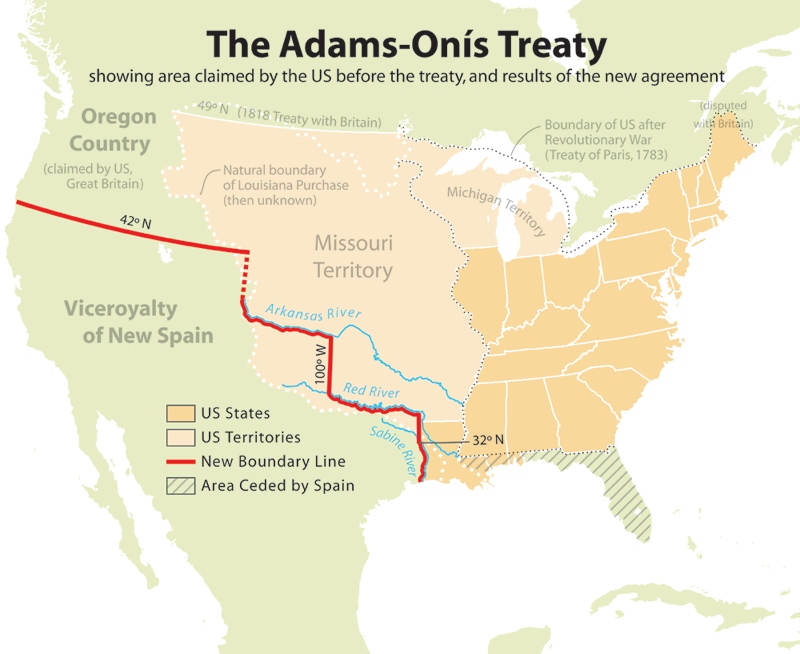
The simmering tensions and the desire for territorial expansion finally led to a diplomatic resolution. The Adams-Onís Treaty, signed in 1819, proved to be the pivotal moment in Florida‘s transition to American control.
Negotiations and the Terms of the Treaty
Negotiations were primarily conducted between John Quincy Adams, the United States Secretary of State, and Luis de Onís y González-Vara, the Spanish minister to the United States. The treaty was the culmination of years of diplomatic pressure and demonstrated American resolve.
Under the terms of the Adams-Onís Treaty, Spain formally ceded Florida to the United States. In return, the United States agreed to pay $5 million to Spain to settle claims of American citizens against the Spanish government. Crucially, the treaty also defined the western boundary of the Louisiana Purchase, giving the United States a clearer claim to territories in the West. This treaty was a significant diplomatic victory for the United States, allowing it to acquire a vast and strategically important territory without resorting to military conflict.
Ratification and Florida’s Statehood
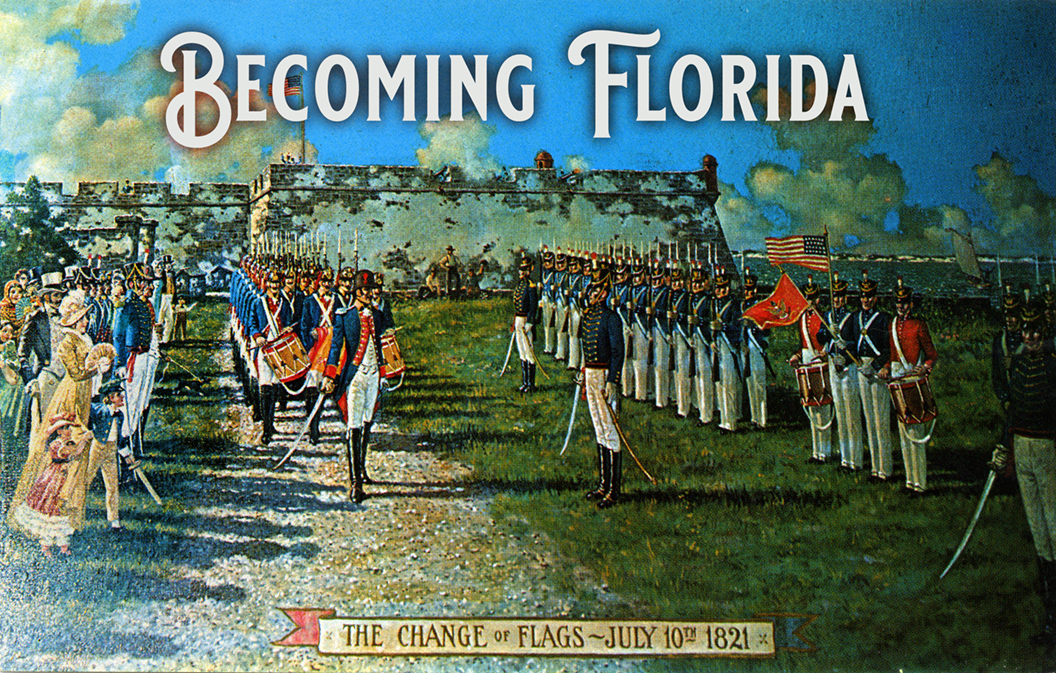
The Adams-Onís Treaty was ratified by both Spain and the United States in 1821. This marked the official transfer of sovereignty over Florida to the United States. Following the acquisition, territorial government was established, and the process of integrating Florida into the union began. It took several decades of development, including the resolution of conflicts with the Seminole people, before Florida was finally admitted as the 27th state of the United States on March 3, 1845.
Today, Florida is a vibrant and diverse state, a testament to its complex history. From the Spanish colonial architecture of St. Augustine to the modern marvels of Orlando‘s theme parks and the cultural melting pot of Miami, the state offers a wealth of experiences for every traveler. Understanding its journey from Spanish possession to British territory and finally to its acquisition by the United States provides a richer context for appreciating the unique character of the Sunshine State. Whether you are planning a family vacation to visit Walt Disney World Resort, a romantic getaway to a luxury resort in the Florida Keys, or an adventure exploring the natural wonders, the story of how Florida became American is an integral part of its captivating narrative.
LifeOutOfTheBox is a participant in the Amazon Services LLC Associates Program, an affiliate advertising program designed to provide a means for sites to earn advertising fees by advertising and linking to Amazon.com. Amazon, the Amazon logo, AmazonSupply, and the AmazonSupply logo are trademarks of Amazon.com, Inc. or its affiliates. As an Amazon Associate we earn affiliate commissions from qualifying purchases.