
California, a land renowned for its stunning diverse landscapes, from the sun-drenched beaches of Malibu to the towering sequoias of the Sierra Nevada mountains, has increasingly become synonymous with another, more destructive phenomenon: wildfires. Each year, headlines blare about fires raging across hundreds of thousands of acres, destroying homes, threatening landmarks, and casting a smoky pall over popular tourist destinations like Napa Valley and Lake Tahoe. For those planning travel to the Golden State, understanding the origins of these infernos is crucial, not only for safety but also to grasp the profound impact they have on the state’s natural beauty, local communities, and the vibrant tourism industry.

The question of “how did the wildfires in California start?” isn’t simple, as it rarely points to a single cause. Instead, it’s a complex tapestry woven from natural occurrences, human actions, and environmental conditions exacerbated by climate change. While lightning strikes can certainly ignite blazes, the vast majority of California’s most destructive fires are, directly or indirectly, the result of human activity. This understanding is paramount for residents, visitors, and businesses, including hotels, resorts, and other forms of accommodation, striving to coexist with and mitigate the risks posed by this ever-present threat.
The Dual Nature of Ignition: Natural and Human Factors
Wildfires are a natural part of many ecosystems, including California’s. For millennia, fires ignited by natural causes played a vital role in shaping the landscape, clearing undergrowth, and promoting new growth. However, in modern times, the frequency, intensity, and destructiveness of these events have soared, largely due to human influence.
Nature’s Spark: The Role of Lightning
While less common than human-caused ignitions, lightning remains a significant natural trigger for wildfires, particularly in remote, high-elevation areas that are less accessible for rapid fire suppression. During dry thunderstorm events, often without accompanying rainfall, lightning can strike vegetation, instantly igniting dry grasses, shrubs, or trees. These fires, sometimes referred to as “dry lightning” fires, can smolder undetected for days before bursting into a full-blown conflagration, especially if winds pick up or temperatures rise.
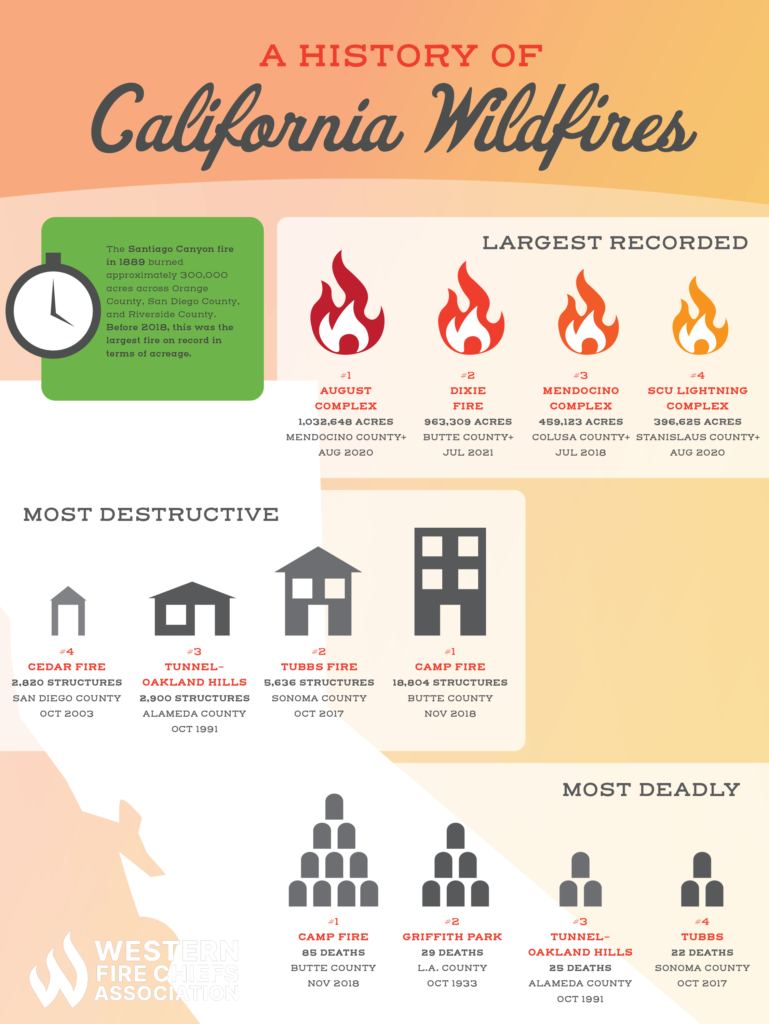
A notable example of lightning’s destructive potential was seen in 2020, when a series of intense dry lightning storms swept across California, igniting hundreds of fires almost simultaneously. These blazes collectively formed massive “complexes,” overwhelming firefighting resources and leading to some of the largest fires in the state’s history. While these natural ignitions are an unavoidable part of the environment, their impact is amplified by the other contributing factors discussed later. For visitors venturing into national parks and wilderness areas like Yosemite National Park or Sequoia National Park, understanding the risk of lightning-ignited fires underscores the importance of staying informed about weather conditions and park closures.
The Human Element: Negligence, Equipment, and Arson
By far the most prevalent cause of wildfires in California, human activity accounts for over 90% of all ignitions. These human-caused fires are often preventable and fall into several categories, ranging from accidental negligence to deliberate acts of arson. Each type poses a unique challenge for prevention and mitigation.
-
Negligence and Accidental Ignitions: This broad category encompasses a wide array of everyday activities that can inadvertently spark a fire. Unattended campfires, improperly discarded cigarettes, sparks from welding or grinding equipment, recreational vehicles operating without spark arrestors, and even children playing with matches can all lead to devastating blazes. Simple acts like dragging a chain from a trailer that creates sparks on the asphalt, or using equipment that emits exhaust close to dry grass, have ignited massive fires. The concern for negligence is particularly high in popular outdoor travel and camping destinations where visitors may not be fully aware of the extreme fire risk, especially during periods of drought. Many campgrounds and recreational areas in California now implement strict fire bans during peak season, impacting travel experiences for many.
-
Equipment Malfunctions and Infrastructure: A significant and increasingly scrutinized source of wildfires comes from faulty or improperly maintained infrastructure, most notably electrical power lines. Strong winds, especially the infamous Santa Ana winds and Diablo winds, can cause power lines to sway, break, or come into contact with dry vegetation, sending sparks to the ground. Older transmission lines, particularly those traversing dense forests or dry brush, are especially vulnerable. Utility companies, such as Pacific Gas and Electric Company (PG&E), have faced immense scrutiny and legal battles over their role in igniting some of the most destructive fires in recent history, leading to widespread power shutoffs (Public Safety Power Shutoffs or PSPS) during high wind events. While inconvenient for residents and visitors staying in hotels or vacation rentals, these shutoffs are a preventative measure designed to prevent catastrophic fires.
-
Arson: While less frequent than accidental ignitions, intentionally set fires (arson) can be among the most challenging to predict and control. Arsonists often choose locations that maximize destructive potential or make detection difficult. The motivations behind arson vary, from criminal intent to psychological issues, but the result is invariably tragic, leading to loss of life, property, and precious natural resources. Law enforcement and fire investigators, like those from California Department of Forestry and Fire Protection (CAL FIRE), dedicate significant resources to identifying and prosecuting individuals responsible for these deliberate acts.
Fueling the Flames: Environmental Conditions and Climate Change
While ignition sources provide the spark, it is the underlying environmental conditions that dictate whether a small fire smolders out or explodes into an uncontrollable inferno. California’s unique geography and Mediterranean climate, combined with a warming planet, create a perfect storm for large, destructive wildfires.
The Dry Tinder: Drought and Vegetation
The most fundamental element for any fire is fuel, and California has an abundance of it. The state’s diverse ecosystems, from dense coniferous forests to arid chaparral and grasslands, naturally produce vast quantities of combustible vegetation. Historically, indigenous peoples practiced controlled burns to manage this fuel, and natural fires helped clear undergrowth. However, decades of fire suppression policies, aimed at protecting communities, inadvertently led to an unnatural accumulation of dense, continuous fuel loads. When a fire eventually ignites in these areas, it can spread rapidly and burn with extreme intensity.
Compounding this issue are prolonged periods of drought, which have become increasingly common and severe in California. Drought conditions dry out vegetation, turning trees, shrubs, and grasses into highly flammable tinder. Trees weakened by drought also become more susceptible to insect infestations, like bark beetles, which kill vast swaths of forests, creating even more dead and dry fuel. This cycle of drought, insect infestation, and fuel accumulation makes the landscape exceptionally primed for large-scale fires. For those seeking nature-based experiences and outdoor activities, these conditions mean that many popular areas are often under high fire danger warnings, necessitating caution and adherence to local regulations.
Winds of Destruction: Santa Ana and Diablo
No discussion of California wildfires is complete without mentioning the notorious wind events that often transform small blazes into regional catastrophes. The Santa Ana winds in Southern California and the similar Diablo winds in Northern California are powerful, hot, and extremely dry winds that sweep down from the mountains, often accelerating as they funnel through canyons and passes. These winds act like a bellows, fanning flames, rapidly drying out any remaining moisture in vegetation, and carrying embers far ahead of the main fire front, sparking new blazes (spot fires).
The combination of an ignition source, abundant dry fuel, and these powerful winds creates an almost unstoppable force. Fires driven by Santa Ana or Diablo winds can move at incredible speeds, making evacuation and containment extremely difficult. Many of California’s most destructive fires, such as those that devastated communities in Sonoma County or Malibu, occurred during periods of intense wind events. These conditions not only threaten homes but also disrupt travel routes, close attractions, and even ground air travel due to poor visibility, significantly impacting the tourism sector.
The Overarching Threat: Climate Change
Underpinning all these factors is the undeniable influence of climate change. Rising global temperatures have a profound impact on California’s fire regime, extending the fire season, increasing the frequency and intensity of heatwaves, and exacerbating drought conditions. A longer, hotter, and drier fire season means more opportunities for ignition, quicker spread rates, and more extreme fire behavior.
Climate change also affects precipitation patterns, leading to less snowpack in the mountains (a crucial water source for the state) and more rain falling as intense, short-lived storms rather than gentle, soaking events. This combination of factors creates a feedback loop: hotter temperatures lead to drier fuels, which in turn lead to more intense fires that release more carbon dioxide, further contributing to global warming. For the United States and indeed North America, California serves as a stark example of how climate change is directly manifesting in environmental disasters, altering the very fabric of lifestyle and the viability of long-term tourism in certain regions.
The Far-Reaching Impact on California’s Landscape and Lifestyle
The immediate and devastating effects of wildfires are undeniable, but their ramifications extend far beyond the fire line, impacting everything from pristine natural landmarks to the daily lives of residents and the intricate network of tourism and travel.
Devastation to Destinations and Landmarks
Wildfires have permanently altered some of California’s most cherished natural attractions and landmarks. Iconic groves of giant sequoias, thousands of years old, have been severely damaged or lost. Popular hiking trails and scenic overlooks in state and national parks are frequently closed for extensive periods, impacting millions of visitors. Beyond natural wonders, historical buildings, charming small towns, and vineyards in world-renowned regions like Napa Valley and Sonoma County have been obliterated, taking with them pieces of California’s cultural heritage. The rebuilding process is arduous, and some areas may never fully recover their pre-fire charm, posing a challenge for the restoration of traditional tourism drawcards.
Disruption to Travel, Tourism, and Accommodation
The economic ripple effect of wildfires on California’s lucrative tourism industry is immense. Evacuation orders can force the closure of major highways, disrupting travel plans for thousands. Air quality issues due to smoke plume travel great distances, affecting cities like San Francisco and Los Angeles, deterring visitors even in areas far from the flames. Many hotels, resorts, and other accommodation providers in affected or adjacent areas face mass cancellations, significant revenue loss, and sometimes even direct damage to their properties. Luxury resorts in fire-prone areas invest heavily in fire-resistant landscaping and infrastructure, but the psychological impact on potential guests can be long-lasting. Even regions like Big Sur, famous for its scenic coastal drive, have seen extensive closures and reduced visitor numbers due to fires and subsequent mudslides.
Health and Economic Repercussions
Beyond direct property loss, wildfires exact a heavy toll on public health, primarily through smoke inhalation. Microscopic particulate matter in wildfire smoke can travel hundreds of miles, causing respiratory problems, heart issues, and other health complications for vulnerable populations. This health risk impacts the quality of life for residents and can significantly detract from a pleasant travel experience. Economically, the cost of fighting these fires, coupled with property damage, business interruption, and the long-term environmental restoration, runs into billions of dollars annually, placing a heavy burden on state and federal resources. The disruption to daily lifestyle, from school closures to lost workdays, underscores the pervasive reach of this challenge.
Towards Resilience: Prevention, Mitigation, and Future Outlook
Understanding how wildfires start is the first step; the next is implementing strategies to prevent them and build greater resilience in the face of an evolving climate. California is actively pursuing a multi-faceted approach involving public education, infrastructure improvements, landscape management, and rapid response capabilities.
Proactive Measures: Education and Infrastructure Upgrades
A significant focus is placed on public education campaigns to reduce human-caused ignitions. These campaigns emphasize responsible outdoor behavior, such as safe campfire practices, proper disposal of cigarettes, and careful operation of equipment. For residents in high-risk areas, creating defensible space around homes by clearing flammable vegetation is critical.
Regarding infrastructure, utility companies are undertaking massive projects to harden their systems. This includes undergrounding power lines, replacing old equipment, and implementing advanced sensors to detect problems early. While these efforts are costly and time-consuming, they are essential to reducing ignitions from electrical infrastructure, a major culprit in recent catastrophic fires. These efforts contribute to a more secure environment for both residents and visitors staying in hotels and resorts throughout the state.
Landscape Management and Rapid Response
Forest and land management practices are undergoing a significant shift, moving away from strict fire suppression towards a more holistic approach that includes prescribed burns and forest thinning. Prescribed burns, carefully managed fires conducted under specific weather conditions, help reduce accumulated fuel loads, mimicking natural fire cycles and creating more resilient landscapes. Mechanical thinning and selective logging also play a role in reducing fuel density, making forests less susceptible to catastrophic blazes.
CAL FIRE and other agencies continually invest in advanced firefighting technology, including more effective air tankers, helicopters, and ground resources, alongside sophisticated predictive modeling to anticipate fire behavior. Early detection through cameras, drones, and satellite imagery allows for faster deployment of resources, which is crucial for containing fires before they grow out of control.
A Path Forward for Sustainable Travel
For the tourism sector, the increasing prevalence of wildfires necessitates a pivot towards more sustainable and resilient practices. This includes promoting off-season travel to reduce pressure during peak fire risk periods, educating visitors about fire safety, and supporting local communities affected by fires. Many travel destinations are exploring eco-tourism models that prioritize conservation and climate resilience. Hotels and accommodation providers are also adapting, investing in fire-resistant construction, and developing emergency plans for guests. The goal is not just to recover after a fire but to build back stronger and smarter, ensuring that California can continue to offer its unparalleled travel experiences for generations to come, adapting to a new normal where fire risk is an inherent part of the lifestyle and landscape.
In conclusion, the question of “how did the wildfires in California start?” reveals a multifaceted challenge deeply rooted in human activity, environmental conditions, and the accelerating impacts of climate change. While lightning sparks some fires, the vast majority are ignited by human negligence or faulty infrastructure, then fanned by dry fuels, drought conditions, and powerful winds. The implications for California’s stunning natural landmarks, vibrant tourism industry, and the lifestyle of its residents are profound. However, through concerted efforts in prevention, education, land management, and a commitment to adapting to a changing climate, California is striving to build a more resilient future, ensuring its beauty and appeal endure despite the ongoing threat of wildfires.
LifeOutOfTheBox is a participant in the Amazon Services LLC Associates Program, an affiliate advertising program designed to provide a means for sites to earn advertising fees by advertising and linking to Amazon.com. Amazon, the Amazon logo, AmazonSupply, and the AmazonSupply logo are trademarks of Amazon.com, Inc. or its affiliates. As an Amazon Associate we earn affiliate commissions from qualifying purchases.