
The name Hawaii evokes images of pristine beaches, lush volcanic landscapes, and a vibrant culture steeped in ancient traditions. Today, it stands as the 50th state of the United States, a tropical paradise that draws millions of visitors annually, from luxury travelers seeking serene resorts to adventurous explorers yearning for unique experiences. Its appeal as a top travel destination is undeniable, offering everything from world-class surfing on Oahu’s North Shore to the breathtaking beauty of Maui’s Road to Hana and the dramatic cliffs of Kauai. Yet, behind this modern-day idyll lies a complex and often turbulent history concerning how these enchanting Hawaiian Islands came under American sovereignty. The story of Hawaii’s acquisition is not a simple tale of discovery or purchase, but rather a compelling narrative of international intrigue, economic ambition, cultural collision, and a dramatic overthrow of a sovereign monarchy. Understanding this journey offers a deeper appreciation for the islands’ unique identity and their enduring spirit.
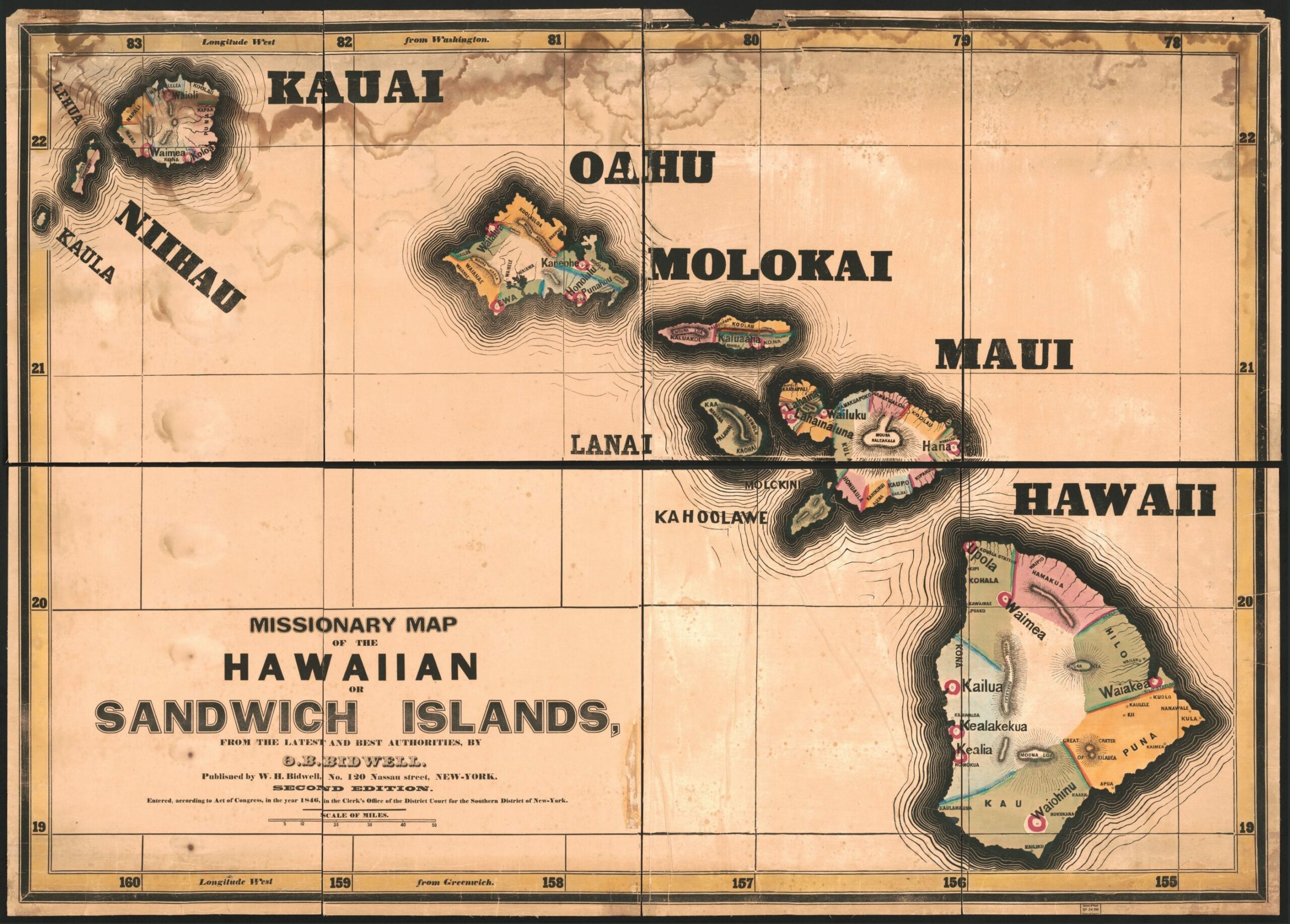
The Dawn of a Kingdom: Ancient Hawaii and Early Encounters
For centuries before European contact, the Hawaiian Islands thrived as an isolated, self-sufficient society. Polynesians, master navigators, were the first to settle these remote lands, bringing with them rich traditions, an advanced social structure, and a deep reverence for the natural world.
A Rich Cultural Tapestry
Ancient Hawaiian society was highly organized, governed by a sophisticated system of aliʻi (chiefs) and kahuna (priests), guided by a kapu (taboo) system that maintained social order and protected resources. The people developed remarkable agricultural practices, including extensive taro fields, and sophisticated aquaculture, creating a sustainable lifestyle in harmony with their environment. Their spiritual beliefs were intricate, honoring numerous deities and a pantheon of gods and goddesses associated with natural elements. Oral traditions, hula, and chant preserved their history and cultural values, painting a picture of a vibrant, resourceful civilization. This profound cultural heritage continues to shape the local culture and experiences available to tourists today, with many attractions focusing on preserving and sharing these ancient traditions. From cultural centers to traditional hula performances, visitors can immerse themselves in the deep history of these lands, gaining insights into the people who built the first Hawaiian kingdom.
Western Arrival and Shifting Tides
The relative isolation of Hawaii ended abruptly in 1778 with the arrival of British explorer Captain James Cook. His initial contact brought not only new technologies and goods but also devastating diseases against which the native population had no immunity, leading to a drastic decline in their numbers. Despite these challenges, the late 18th century saw the rise of a powerful leader, King Kamehameha I. Through a combination of strategic alliances, diplomacy, and military prowess, Kamehameha unified the warring island chiefdoms, establishing the Kingdom of Hawaii in 1810. This marked the birth of a sovereign nation, recognized by major global powers like Great Britain, France, and the United States. The monarchy under Kamehameha and his successors navigated a complex international landscape, attempting to maintain independence while engaging with an ever-increasing influx of Western traders, missionaries, and whalers. These early interactions laid the groundwork for the eventual shift in power dynamics, slowly eroding the kingdom’s autonomy.
The Seeds of Influence: American Ambition and Economic Expansion
The 19th century witnessed a gradual but relentless expansion of American influence in Hawaii, driven by economic interests and strategic geopolitical ambitions. This era saw the kingdom’s sovereignty steadily undermined, leading to a critical juncture in its history.
The Lure of Sugar and Strategic Value
American missionaries, who began arriving in the 1820s, played a significant role in introducing Western education, religion, and political ideals, often inadvertently altering the fabric of Hawaiian society. More profoundly, American businessmen, many of them descendants of these missionaries, started to dominate the islands’ burgeoning sugar industry. The fertile volcanic soil and favorable climate made Hawaii ideal for cultivating sugarcane, a highly profitable commodity. American planters acquired vast tracts of land, often through dubious means, and imported labor from China, Japan, and other countries to work their expanding plantations. This created a powerful, wealthy, and increasingly influential planter class, almost entirely composed of American citizens, who began to exert considerable political pressure on the Hawaiian monarchy.
Beyond economic gain, the strategic location of the Hawaiian Islands in the mid-Pacific was of immense interest to the United States Navy, particularly as American influence grew in Asia. A naval base in Hawaii would provide a crucial coaling station and strategic outpost, protecting American shipping lanes and projecting power across the Pacific Ocean. This dual draw of economic prosperity and strategic military advantage created a potent force pushing for closer ties, and eventually, integration with the United States.
Erosion of Sovereignty: From Bayonet Constitution to Overthrow
The growing power of American businessmen led to increasing demands for political reform that would favor their interests and weaken the monarchy. This culminated in 1887 with the imposition of the infamous Bayonet Constitution. Under duress and threat of violence from a heavily armed militia, King Kalākaua was forced to sign this document, which significantly curtailed the monarch’s power, stripped many native Hawaiians of their voting rights, and granted voting power to foreign residents, primarily Americans and Europeans. This marked a severe blow to Hawaiian sovereignty and autonomy, effectively shifting control to the foreign-dominated legislature.
The situation deteriorated further with the ascension of Queen Liliʻuokalani in 1891. A staunch nationalist, the Queen recognized the existential threat to her kingdom and sought to restore power to the monarchy and her people by drafting a new constitution. However, her efforts were met with fierce opposition from the powerful group of American and European businessmen, known as the Committee of Safety. Fearing the loss of their economic and political dominance, and with the tacit support of the United States Marine Corps from the USS Boston, the Committee of Safety orchestrated a coup d’état on January 17, 1893. Queen Liliʻuokalani, seeking to avoid bloodshed, reluctantly surrendered her throne under protest, appealing to the United States for justice. This unlawful overthrow effectively ended the independent Kingdom of Hawaii, transforming it into a provisional government led by Sanford B. Dole, a prominent American lawyer and businessman.
The Tumultuous Path to Annexation
The period following the overthrow was fraught with political uncertainty and international debate, as the United States grappled with the implications of the coup and the question of annexation.
The Republic of Hawaii: A Transitional State
Immediately following the overthrow, the provisional government declared its intention to seek annexation by the United States. However, the legitimacy of the coup was immediately questioned by then-President Grover Cleveland. Cleveland, a strong opponent of imperialism, launched an investigation led by James Blount, who concluded that the overthrow was illegal and that American diplomatic and military forces had improperly aided the conspirators. President Cleveland condemned the actions, refused to annex Hawaii, and even attempted to restore Queen Liliʻuokalani to her throne, though this effort ultimately failed due to resistance from the provisional government.
Faced with Cleveland’s opposition, the provisional government transformed itself into the Republic of Hawaii in 1894, with Sanford B. Dole as its first and only president. This new republic, essentially controlled by the same American business interests, continued to lobby aggressively for annexation, biding its time until a more sympathetic administration came to power in Washington D.C. For several years, Hawaii existed in this ambiguous state, an independent republic in name but with its fate inextricably tied to the political climate of the United States. This period is a poignant reminder of the intricate dance between local governance and foreign influence that shaped the destiny of these islands. Visitors to Iolani Palace in Honolulu today can witness firsthand the grandeur of the former monarchy and the stark contrast with the republic that supplanted it, offering a tangible connection to this pivotal era.
Strategic Imperatives and the Final Push
The turning point for annexation came with the election of President William McKinley in 1896, who was a staunch expansionist. The outbreak of the Spanish-American War in 1898 provided the decisive catalyst. The war highlighted the critical strategic importance of Hawaii as a mid-Pacific naval base for supporting American operations in the Philippines and Asia. The ability of the United States Navy to project power across the Pacific was deemed essential for national security and economic interests.
With renewed political will and public support fueled by wartime fervor, Congress moved swiftly. Despite objections from those who saw the annexation as an act of imperialism and a violation of international law, a joint resolution to annex Hawaii was passed. On July 7, 1898, President McKinley signed the Newlands Resolution, officially annexing the Hawaiian Islands as a territory of the United States. The formal transfer of sovereignty took place on August 12, 1898, with the Hawaiian flag lowered at Iolani Palace and the American flag raised in its place. This moment marked the end of Hawaii’s independence and the beginning of its new chapter as an American territory, eventually leading to its statehood in 1959. The strategic importance of the islands was further solidified in the decades that followed, with the development of Pearl Harbor into a major naval base, a landmark that would play a crucial role in world history.
Hawaii’s Enduring Legacy: A Blend of Cultures and a Vision for the Future
The acquisition of Hawaii by the United States was a momentous event, shaping not only the political landscape of the Pacific but also the cultural identity of the islands themselves. Today, Hawaii stands as a testament to resilience, a place where ancient traditions blend with contemporary American life.
Preserving the Past, Embracing the Present
The annexation and subsequent statehood brought significant changes to the Hawaiian Islands. English became the dominant language, and American political and economic systems were fully integrated. However, the spirit of aloha and the rich indigenous culture of Hawaii have not only endured but have also seen a powerful resurgence. Efforts to revitalize the Hawaiian language, hula, and traditional practices are widespread, championed by native Hawaiian cultural practitioners and supported by local communities and institutions. Landmarks like Iolani Palace in Honolulu serve as powerful reminders of the kingdom’s past, drawing visitors who seek to understand this complex history. Museums and cultural centers across the islands offer immersive experiences, from learning about ancient navigation techniques to understanding the intricate art of lei making, bridging the past with the present for tourists interested in local culture.
The unique blend of cultures—Polynesian, Asian, and American—is vividly reflected in Hawaii’s vibrant local culture, cuisine, and artistic expressions. This cultural fusion is a significant part of the tourism experience, offering an unparalleled opportunity to explore diverse traditions and culinary delights that go far beyond typical American fare. From budget travel options to luxury resorts, all visitors can find ways to connect with Hawaii’s unique heritage.

Hawaii Today: A Global Destination
Today, Hawaii is not just a state; it is a global icon for travel and tourism. Its breathtaking natural beauty, from the volcanic landscapes of the Big Island to the stunning beaches of Maui and Oahu, continues to captivate hearts worldwide. As a destination, Hawaii caters to every lifestyle, whether it’s a family trip seeking memorable adventures, a business stay with unparalleled scenic backdrops, or a luxury getaway at one of its many world-class resorts and hotels.
The story of how the United States acquired Hawaii is a crucial part of its identity. It’s a reminder of the historical forces that shaped this archipelago, a narrative of political maneuvering, economic ambition, and cultural resilience. For those planning a trip to these extraordinary islands, understanding this history enriches the entire experience, transforming a simple vacation into a journey through time and culture. It underscores the profound layers of history embedded within every landscape, every tradition, and every warm welcome extended by the people of Hawaii. As visitors explore its stunning attractions, from the historical depths of Pearl Harbor to the vibrant streets of Honolulu, they are walking through the pages of a compelling and unforgettable past that continues to influence the islands’ present and future.
LifeOutOfTheBox is a participant in the Amazon Services LLC Associates Program, an affiliate advertising program designed to provide a means for sites to earn advertising fees by advertising and linking to Amazon.com. Amazon, the Amazon logo, AmazonSupply, and the AmazonSupply logo are trademarks of Amazon.com, Inc. or its affiliates. As an Amazon Associate we earn affiliate commissions from qualifying purchases.