
All-inclusive resorts have revolutionized the way many travelers approach their vacations. The allure is undeniable: a single upfront price that covers accommodation, meals, drinks, activities, and often entertainment. This simplified model removes the constant need to budget for every single expense, allowing guests to relax and immerse themselves in their chosen destination. But how exactly do these resorts function, and what makes them such a popular choice for a wide spectrum of travelers, from families seeking hassle-free getaways to couples looking for romantic, uninterrupted escapes? Understanding the operational framework of an all-inclusive resort reveals a sophisticated blend of hospitality management, strategic pricing, and guest experience design.
The Core Value Proposition: Simplicity and Predictability
At its heart, an all-inclusive resort operates on a principle of bundling services to offer a predictable and often cost-effective vacation package. The primary benefit for the guest is financial transparency. Unlike traditional hotels where the room rate is just the starting point, all-inclusive resorts aim to include most, if not all, of the significant expenses a traveler would incur during their stay.
What’s Typically Included
The definition of “all-inclusive” can vary significantly between resorts, but a common baseline includes:
- Accommodation: Comfortable and well-appointed rooms, suites, or villas. The quality and size of these accommodations often dictate the resort’s tier and price point.
- Food and Beverages: This is a cornerstone of the all-inclusive model. Guests typically have access to multiple dining venues, ranging from casual buffets to à la carte restaurants. All meals, snacks, and a wide selection of alcoholic and non-alcoholic beverages are usually included. Premium or imported drinks may sometimes incur an extra charge.
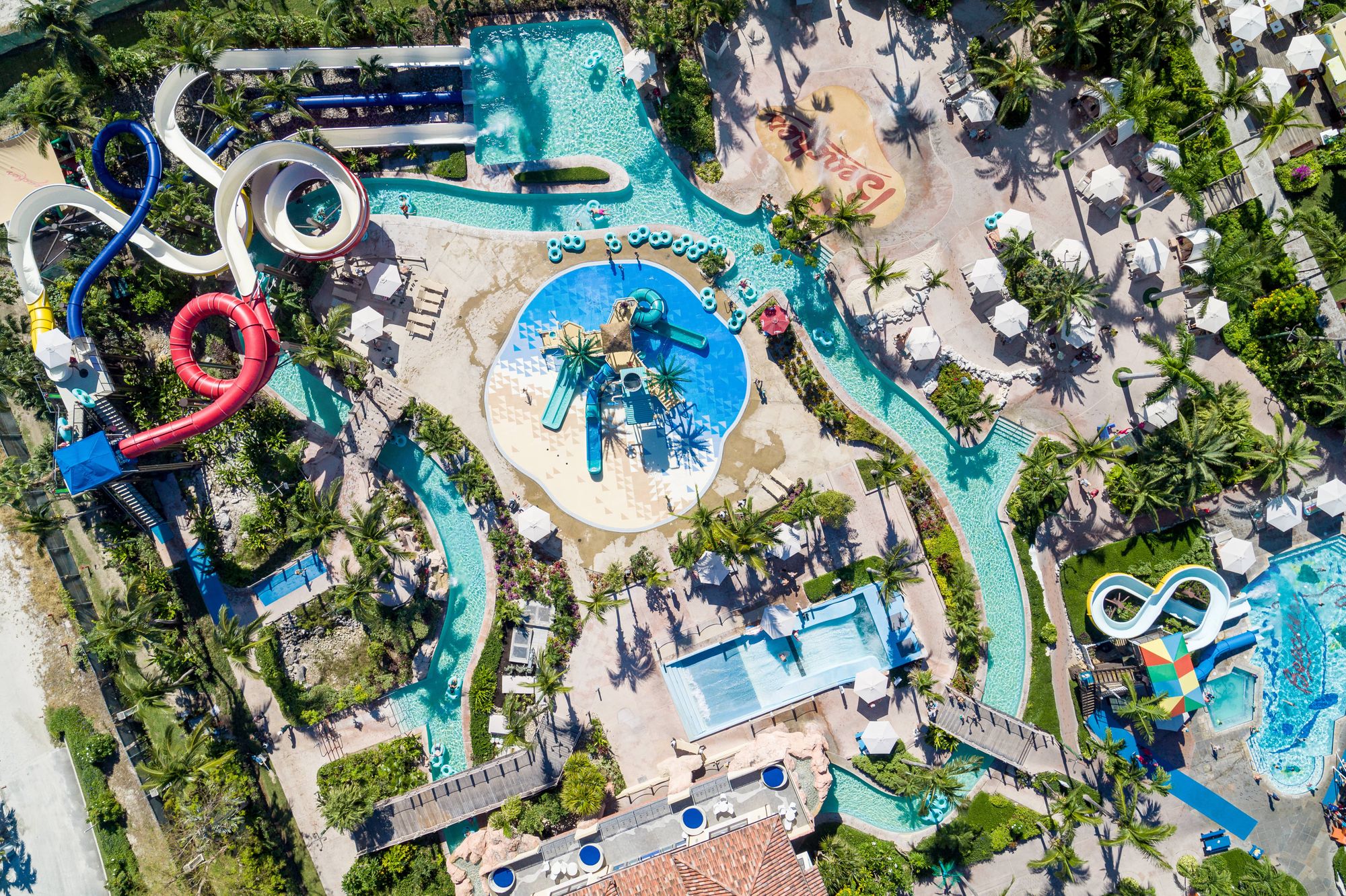
- Activities and Entertainment: Many resorts offer a plethora of on-site activities. This can include non-motorized water sports like kayaking and paddleboarding, access to swimming pools and fitness centers, daily organized games, and evening shows or live music.
- Taxes and Gratuities: While not universally included, many top-tier all-inclusive resorts bundle these costs into the initial price, further enhancing the “hassle-free” experience.
Understanding the Pricing Model
The operational success of an all-inclusive resort hinges on its ability to accurately forecast guest consumption and manage costs effectively. The upfront price is calculated based on several factors:
- Average Guest Consumption: Resorts analyze historical data to estimate how much food, beverages, and amenities the average guest will utilize.
- Operating Costs: This includes staff salaries, food and beverage procurement, maintenance, utilities, marketing, and overheads.
- Target Profit Margin: Like any business, resorts aim to make a profit.
- Perceived Value: The price is also set to align with the perceived value of the experience offered, considering the quality of amenities, service, and dining options.
The resort effectively bets that the collective spending of all guests will exceed their individual consumption, thereby covering costs and generating profit. This is why resorts often encourage guests to take advantage of the included offerings, as it helps them manage their inventory and labor more efficiently.
Operational Dynamics: Behind the Scenes
The seamless experience guests enjoy at an all-inclusive resort is the result of intricate planning and efficient operations. From procurement to staffing, every aspect is geared towards maximizing guest satisfaction while controlling costs.
Procurement and Inventory Management
A significant operational challenge is managing the vast quantities of food, beverages, and supplies required. Resorts often establish strong relationships with local and international suppliers to ensure a steady flow of high-quality goods at competitive prices. Sophisticated inventory management systems are crucial to minimize waste and prevent stockouts, especially during peak seasons. The ability to predict demand for specific items, from lobster at a fine-dining restaurant to cocktails at the swim-up bar, is a continuous operational focus. For instance, a resort in the Riviera Maya might stock large quantities of tequila and local produce, while a resort in the Dominican Republic may have different culinary focuses and inventory needs.
Staffing and Service Excellence

A well-trained and motivated staff is the backbone of any successful resort. All-inclusive operations often require a larger workforce than traditional hotels due to the extensive services offered. This includes chefs, servers, bartenders, housekeeping staff, activity coordinators, entertainers, maintenance crews, and guest relations managers. The challenge lies in providing consistently excellent service across all departments. Many resorts invest heavily in staff training to ensure a high level of professionalism, attentiveness, and problem-solving skills. The concept of “tipping included” in many North American-facing resorts, like those in Cancun, can simplify the guest experience but places a greater emphasis on base wages and performance-based incentives for staff.
Diversified Revenue Streams
While the core revenue comes from the upfront package price, many all-inclusive resorts strategically offer additional revenue streams that do not detract from the core value proposition but enhance the guest experience for those seeking more. These might include:
- Premium Dining: Some resorts designate certain restaurants as “gourmet” or “specialty” where an additional cover charge applies, offering a more refined culinary experience.
- Premium Beverages: High-end wines, champagne, or top-shelf liquors may be available for an extra fee.
- Spa and Wellness Services: While basic gym access is usually included, specialized spa treatments are typically an add-on.
- Excursions and Tours: Off-site adventures, such as exploring ancient ruins like Chichen Itza or snorkeling in Cozumel, are usually booked through the resort’s tour desk for an additional cost.
- Motorized Water Sports and Equipment Rentals: Jet skis, scuba diving excursions, or specialized equipment may incur extra charges.
- Gift Shops and Boutiques: Souvenirs, clothing, and essentials are available for purchase.
- Destination Weddings and Special Events: Resorts often cater to groups and celebrations, generating significant revenue from these bookings.
These supplementary offerings allow guests to customize their experience and allow the resort to cater to a broader range of guest desires while maintaining the profitability of the core all-inclusive package.
Guest Experience: Maximizing Enjoyment and Value
The success of an all-inclusive resort is ultimately measured by guest satisfaction. The operational model is designed to facilitate an enjoyable and stress-free vacation from arrival to departure.
The Arrival and Check-in Process
Upon arrival, guests are typically greeted with a welcome drink and efficiently checked in. Many resorts have streamlined the check-in process to minimize wait times, with staff ready to explain the resort’s amenities, dining options, and activity schedules. The aim is to get guests settled into their rooms and exploring the property as quickly as possible.
Navigating Dining and Activities
With multiple dining options, guests have the freedom to choose where and when they eat. Buffets offer convenience and variety, allowing guests to sample different dishes. À la carte restaurants provide a more intimate dining experience. Making reservations for popular restaurants, especially during peak season, is often recommended. Similarly, organized activities and shows cater to diverse interests, from yoga classes on the beach to vibrant evening entertainment. Resorts often provide daily schedules or mobile app updates to keep guests informed about what’s happening around the property.
Handling Special Requests and Issues
While the goal is a seamless experience, issues can arise. A good all-inclusive resort has a responsive guest services team or concierge who can address concerns promptly, whether it’s a room amenity issue, a dietary request, or a need for assistance with an excursion. The ability to resolve problems efficiently contributes significantly to overall guest satisfaction and positive word-of-mouth.

The Departure
The departure process is usually as straightforward as the arrival. Guests settle any incidental charges for non-included services, and transportation arrangements are confirmed. Many resorts offer late checkout options for a fee or have common areas where guests can relax if their flight departs later in the day. The goal is to ensure guests leave with fond memories, feeling they received excellent value and a truly relaxing vacation experience.
In conclusion, all-inclusive resorts function by creating a carefully balanced ecosystem where guests pay a fixed price for a comprehensive vacation experience. This model relies on astute financial planning, efficient procurement and staffing, and a strong focus on delivering consistent service and memorable moments. By demystifying the “all-inclusive” concept, travelers can better understand the value they are receiving and make informed choices when selecting their next destination.
LifeOutOfTheBox is a participant in the Amazon Services LLC Associates Program, an affiliate advertising program designed to provide a means for sites to earn advertising fees by advertising and linking to Amazon.com. Amazon, the Amazon logo, AmazonSupply, and the AmazonSupply logo are trademarks of Amazon.com, Inc. or its affiliates. As an Amazon Associate we earn affiliate commissions from qualifying purchases.