
California, a land renowned for its breathtaking natural beauty, vibrant cities, and diverse landscapes, is also a state intimately familiar with the destructive power of wildfires. From the sun-drenched beaches of Malibu to the majestic forests of Yosemite National Park and the rolling vineyards of Napa Valley, the threat of fire looms large, especially during the dry season. While often perceived as an inevitable force of nature, understanding how these devastating fires begin is crucial, not only for prevention but also for comprehending their profound impact on travel, tourism, and the cherished landmarks that define the Golden State.
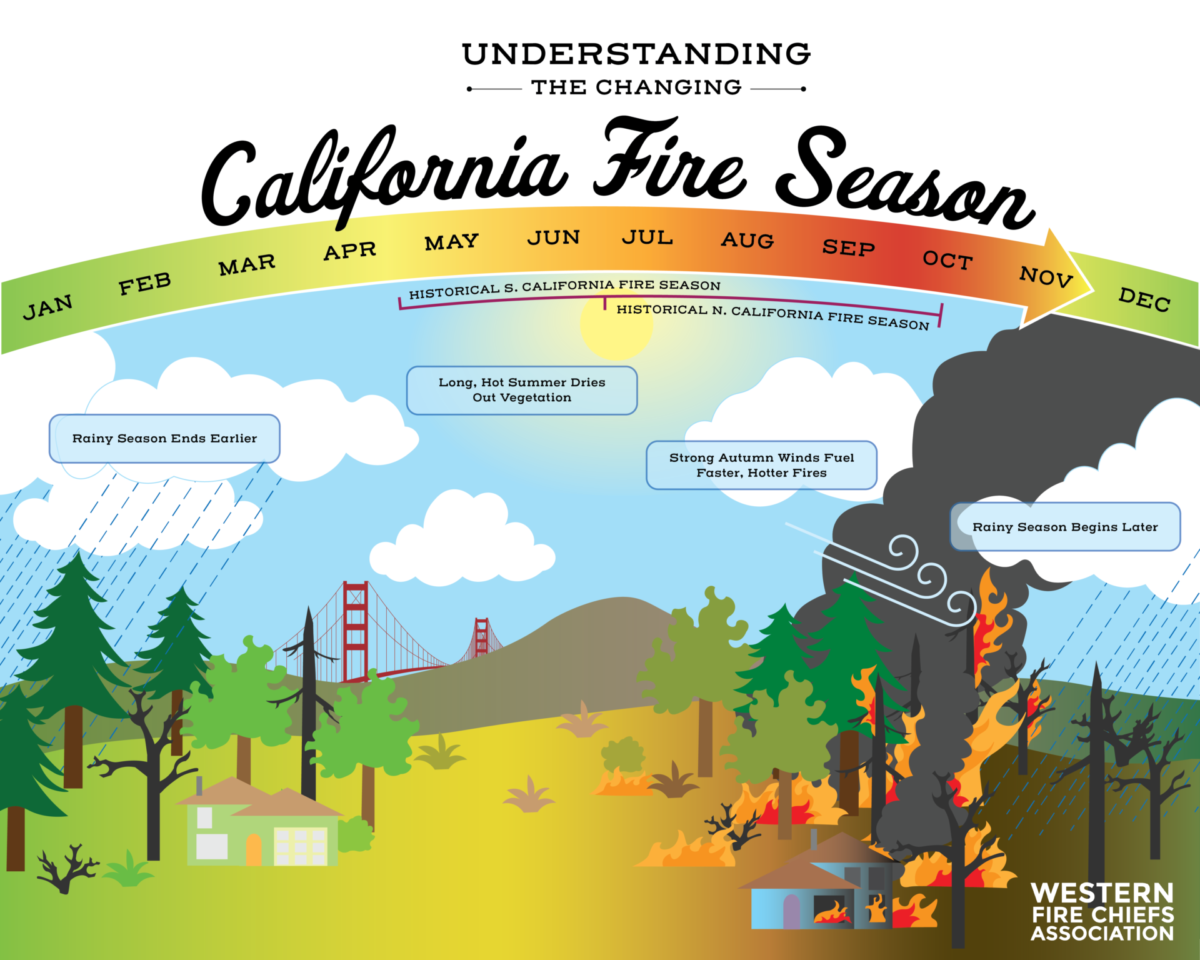
Wildfires in California are a complex phenomenon, born from a volatile cocktail of environmental factors, human activity, and an increasingly changing climate. This intricate web of causes makes predicting and preventing them an ongoing challenge, influencing everything from local culture to the sustainability of the state’s most beloved destinations. For travelers planning an adventure through this incredible region, or for those simply seeking a deeper understanding of its unique environment, grasping the origins of these fires is essential to appreciating the resilience of its communities and the efforts to protect its natural heritage.
Understanding California’s Unique Vulnerability
California’s geography and climate conspire to create a landscape highly susceptible to wildfires. It’s a land of extremes, boasting everything from the arid desert of Death Valley National Park to the snow-capped peaks of the Sierra Nevada Mountains. This diversity, while a major draw for tourism, also contributes to the state’s inherent vulnerability.
The Role of Climate and Topography
The state’s Mediterranean climate is a primary driver. Characterized by hot, dry summers and mild, wet winters, it creates a seasonal cycle where vegetation grows vigorously during the cooler months, only to dry out and become highly flammable fuel by late summer and fall. This natural rhythm, combined with periods of prolonged drought, transforms vast expanses of forests, chaparral, and grasslands into tinderboxes. The topography further exacerbates the situation; steep canyons and hillsides act as natural chimneys, funneling winds and accelerating fire spread, making containment incredibly difficult once a blaze ignites. Regions like Southern California, with its iconic hills and canyons, are particularly prone to this rapid, unpredictable spread.
A Landscape Shaped by Fire
Historically, fire has been a natural, even necessary, component of California’s ecosystems. Native American tribes traditionally used controlled burns to manage the land, promoting new growth and preventing massive, catastrophic fires. Many of the state’s plant species have evolved to depend on fire for reproduction, with seeds that only germinate after being exposed to intense heat. However, decades of fire suppression efforts, while well-intentioned, have inadvertently led to an accumulation of dense underbrush and dead vegetation. This “fuel load” now means that when fires do occur, they burn with unprecedented intensity and size, far exceeding the natural fire cycles the ecosystem once experienced. This shift significantly impacts natural landmarks like Sequoia National Park, where ancient trees that have survived countless natural fires are now threatened by super-hot blazes.
The Spark: Common Causes of Wildfires
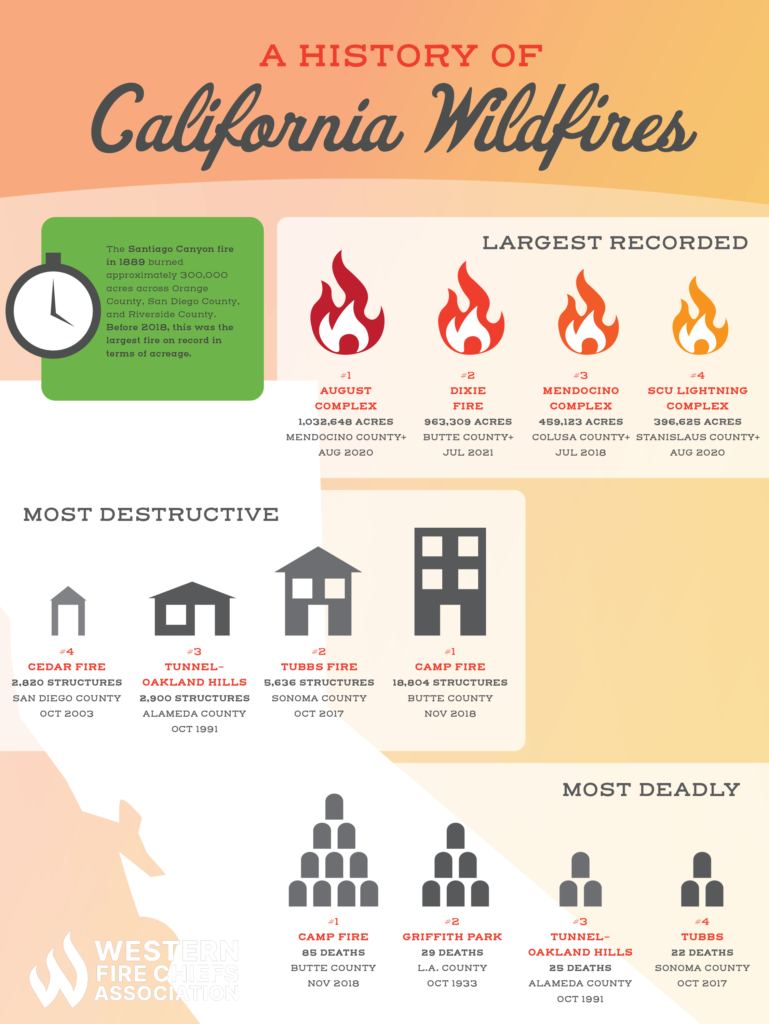
While the environmental conditions set the stage, a spark is always needed to ignite a wildfire. Surprisingly, natural causes account for a relatively small percentage of these ignitions. The vast majority trace back to human activity, highlighting a critical area for prevention and public awareness.
Human Activity: The Leading Factor
It’s a sobering fact that human actions, both intentional and accidental, are responsible for most wildfires in California. This reality underscores the importance of responsible behavior, especially for visitors exploring the state’s stunning natural attractions.
Power Lines
Aging infrastructure and extreme weather conditions often combine to make utility equipment a significant source of ignition. Strong winds can cause power lines to sway, arc, or even break and fall, especially in dry, vegetated areas. Sparks from these lines, or equipment malfunctions, have been linked to some of California’s most devastating fires. Utility companies like Pacific Gas and Electric Company (PG&E) have faced intense scrutiny and undertaken massive efforts to upgrade equipment, bury lines, and implement public safety power shutoffs to mitigate this risk, though it remains a complex challenge.
Arson and Negligence
While often less frequent than accidental ignitions, arson is a deliberate act that can lead to catastrophic consequences. Motives vary, but the impact is universally destructive. Negligence, on the other hand, often stems from carelessness. Discarded cigarettes, sparks from vehicles (especially catalytic converters on hot, dry grass), fireworks, unattended campfires, and even grinding or welding operations near dry vegetation can all provide the fatal spark. Education and vigilance are paramount, particularly when visiting popular camping destinations or remote areas like Joshua Tree National Park.
Campfires and Outdoor Equipment
For many, camping is an integral part of the California experience, offering unparalleled access to nature. However, improperly managed campfires are a major cause of wildfires. Even a seemingly extinguished fire can harbor embers that, with a gust of wind, can reignite and spread. Similarly, equipment used for outdoor recreation, such as chainsaws or off-road vehicles, can emit sparks that ignite dry grass. Responsible recreation involves understanding fire restrictions, using designated fire rings, ensuring fires are completely out, and being mindful of equipment use. Many popular outdoor destinations, including areas around Lake Tahoe and Big Sur, impose strict fire bans during peak season.
Natural Ignition: Lightning Strikes
Though less common than human-caused fires, lightning is a powerful natural igniter, especially during dry thunderstorms. These “dry lightning” events occur when storms produce thunder and lightning but little to no rain, allowing strikes to easily ignite parched vegetation. Often, lightning-sparked fires occur in remote, inaccessible wilderness areas, making them challenging for fire crews to reach and suppress quickly. The vast, rugged expanses of the Sierra Nevada Mountains are particularly susceptible to these naturally occurring ignitions. While unpredictable, these fires are an inherent part of the natural cycle, even if their increased intensity is a concern.
Fuel, Weather, and Topography: A Dangerous Confluence
Once a spark ignites, three critical elements determine how quickly and intensely a fire will spread: fuel, weather, and topography. This dangerous confluence transforms a small flame into a raging inferno, challenging the best efforts of fire suppression agencies like the California Department of Forestry and Fire Protection (CAL FIRE).
Drought and Dry Vegetation
California experiences cyclical droughts, which have become more frequent and severe in recent decades, largely attributed to climate change. These prolonged periods of minimal rainfall desiccate the landscape, turning vast amounts of vegetation – from towering trees to ground-level shrubs and grasses – into highly combustible fuel. The hotter and drier the conditions, the more readily vegetation ignites and the faster flames consume it. This makes the entire state, from the northern forests of Sonoma County down to the urban interfaces of San Diego, particularly vulnerable after extended dry spells.
The Menace of Santa Ana Winds
Perhaps no other weather phenomenon is as synonymous with California wildfires as the Santa Ana Winds. These strong, dry, downslope winds blow from the interior deserts toward the coast, typically in autumn and early winter. As they descend, they heat up and lose moisture, arriving at the coast as hot, arid gusts. The Santa Ana Winds act as nature’s bellows, fanning flames, carrying embers long distances, and drastically increasing fire spread rates. What might be a manageable brush fire can, under the influence of these winds, explode into an uncontrollable inferno, threatening communities and even major metropolitan areas like Los Angeles. The unique geography of Southern California makes it especially prone to the devastating effects of these winds.
Unpredictable Terrain
California’s diverse and rugged topography plays a significant role in wildfire behavior. Steep slopes allow fires to climb rapidly, often doubling their speed for every 10-degree increase in incline. Canyons and narrow valleys can create unpredictable wind patterns and funnel fire with terrifying speed, while dense, contiguous vegetation provides an unbroken path for flames. This makes fighting fires incredibly challenging, often requiring aerial resources and specialized ground crews to navigate difficult terrain. The complexity of the landscape means that what might seem like a safe distance one moment can quickly become a direct threat the next, impacting access to popular destinations and potentially closing down roads near natural landmarks.
The Far-Reaching Impact on California’s Charm and Travel
Wildfires, regardless of their origin, have a profound and often lasting impact on California’s landscape, economy, and, crucially, its tourism industry. For a state that relies heavily on its natural attractions and vibrant cities to draw visitors, mitigating these impacts and adapting to a new reality is paramount.
Protecting Iconic Destinations and Local Communities
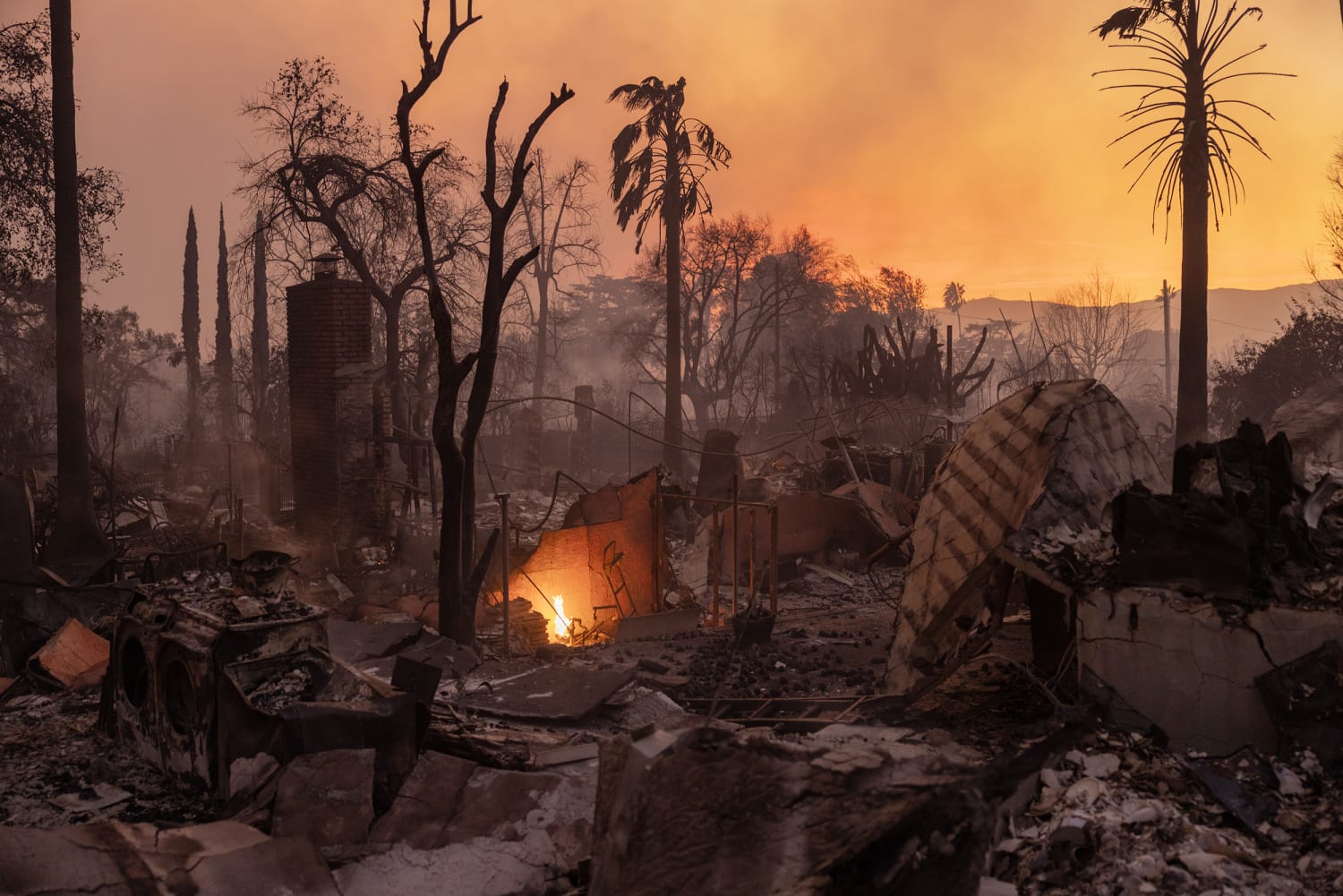
When fires rage, the first priority is always human life and safety. But the threat extends to cherished landmarks, national parks, and the vibrant communities that dot the state. Iconic spots like Yosemite National Park or the scenic drives along Big Sur can be closed for extended periods, disrupting travel plans and local economies. Hotels, resorts, and local businesses in affected areas, such as the fictional Golden State Resort near a national forest or the Pacific Crest Inn in a popular wine region, face cancellations and financial hardship. The recovery process is long and arduous, requiring rebuilding infrastructure, restoring ecosystems, and supporting displaced residents. This often involves a community-wide effort, with many tourism-dependent towns in places like Napa Valley or around Lake Tahoe mobilizing to rebuild and welcome visitors back.
Navigating Travel in Fire Season
For travelers, understanding the realities of California’s fire season, typically from late summer through fall, is key to a safe and enjoyable trip. It means staying informed about fire alerts, evacuation orders, and road closures, which can impact routes between major cities like San Francisco and Los Angeles, or access to natural parks. Air quality can also be a significant concern, with smoke plumes traveling hundreds of miles.
Responsible travel in California now includes being acutely aware of fire risk. This means checking local fire restrictions before planning a camping trip, being extremely cautious with anything that could spark a flame, and having alternative plans in case of closures. Many destinations, including the renowned Sierra Nevada Lodge in the mountains, provide up-to-date information on local conditions. By taking proactive steps and supporting local businesses during recovery, visitors can still enjoy the beauty of California while contributing to its resilience.
In conclusion, California wildfires are a multifaceted challenge, rooted in both natural processes and, overwhelmingly, human actions. By understanding their origins – from accidental sparks and faulty infrastructure to the powerful influence of climate change and Santa Ana Winds – we can better appreciate the state’s ongoing efforts to protect its irreplaceable natural wonders, its vibrant communities, and its enduring appeal as a premier travel destination. While the risk remains, informed choices and responsible actions can help ensure that the Golden State continues to shine for generations to come, allowing travelers to experience its unique blend of adventure, culture, and natural splendor.
LifeOutOfTheBox is a participant in the Amazon Services LLC Associates Program, an affiliate advertising program designed to provide a means for sites to earn advertising fees by advertising and linking to Amazon.com. Amazon, the Amazon logo, AmazonSupply, and the AmazonSupply logo are trademarks of Amazon.com, Inc. or its affiliates. As an Amazon Associate we earn affiliate commissions from qualifying purchases.