
California, often hailed as the Golden State, is a land of unparalleled beauty and diverse landscapes. From the sun-drenched beaches of Malibu and Santa Barbara to the towering redwoods of the north, the majestic peaks of the Sierra Nevada, and the vibrant urban centers of Los Angeles and San Francisco, it offers a myriad of destinations and experiences for every traveler. Yet, beneath this idyllic facade lies a persistent and often devastating challenge: wildfires. Each year, fires scorch vast expanses of the state, threatening homes, ecosystems, and vital tourism infrastructure. Understanding how these fires start is crucial not only for residents but also for visitors planning their journeys through this iconic United States state. The reality is complex, a confluence of natural conditions and human activity, exacerbated by a changing climate, creating a perfect storm for catastrophic blazes.
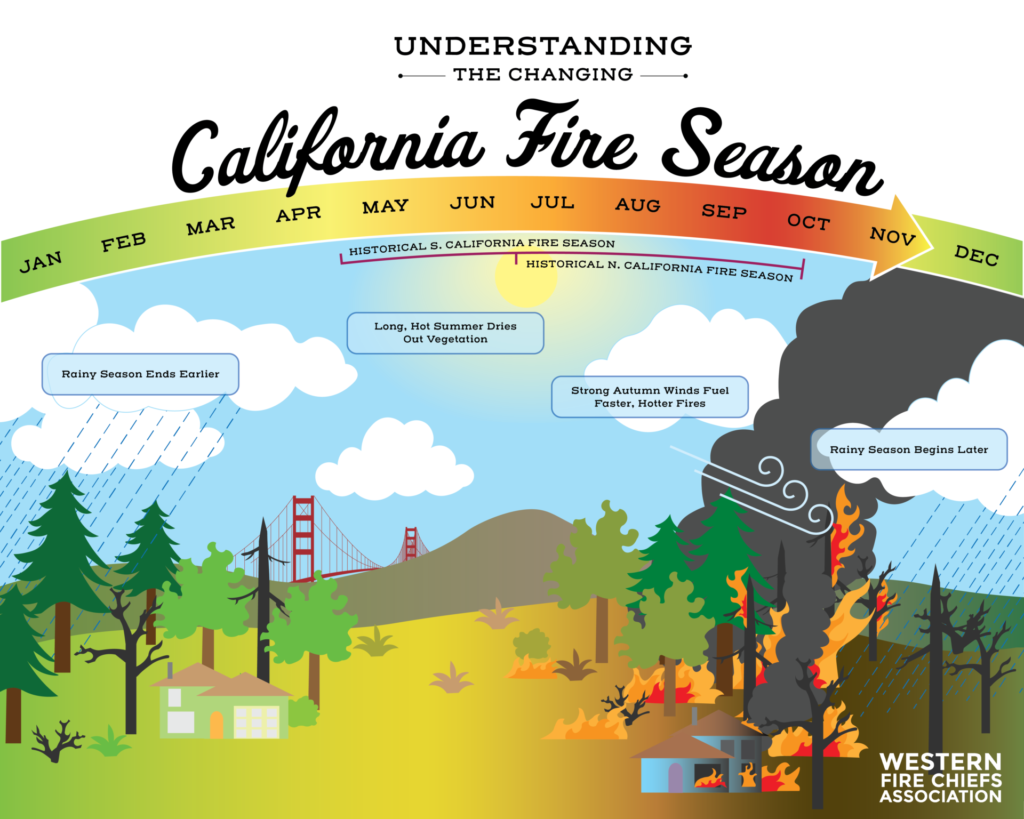
The Golden State’s Flammable Landscape: A Perfect Storm
The natural geography and climatic patterns of California inherently make it one of the most wildfire-prone regions in the world. Its unique blend of arid and semi-arid climates, coupled with a diverse and often dense vegetation, creates an environment ripe for ignition.
Natural Vulnerabilities: Topography and Vegetation
California’s landscape is a mosaic of different ecosystems, each contributing to the state’s fire risk. The predominant vegetation type in much of the central and southern parts of the state is chaparral, a dense shrubland characterized by drought-resistant plants like manzanita and chamise. These plants are naturally adapted to fire, regenerating quickly after a blaze, but they also produce highly flammable oils and dry out intensely during the summer and fall, becoming potent fuel.
Further inland and in the mountainous regions, such as the Sierra Nevada range, dense forests of pine, fir, and oak dominate. Iconic National Parks like Yosemite National Park, Sequoia National Park, and Redwood National Park boast majestic trees, but centuries of fire suppression have led to an accumulation of ladder fuels—smaller trees and undergrowth that allow ground fires to climb into the forest canopy, creating more destructive crown fires. The steep canyons and slopes of California’s mountains also act as natural chimneys, funneling flames rapidly uphill and making fire containment extremely challenging.
The Role of Climate and Weather Patterns
Beyond the fuel, California’s climate provides the ideal conditions for ignition and rapid spread.
- Prolonged Drought Cycles: The state experiences periodic, extended droughts, which turn already dry vegetation into tinder. When rainfall is scarce for several consecutive years, plants become desiccated, creating an immense fuel load ready to ignite.
- Santa Ana Winds and Diablo Winds: These powerful, hot, and dry winds are a notorious factor in California’s fire season. The Santa Ana Winds typically affect Southern California, originating from the deserts and gaining speed and heat as they descend through mountain passes, carrying embers long distances and fanning flames into infernos. Similarly, the Diablo Winds impact Northern California, often intensifying fires in regions like Napa Valley and Sonoma County.
- Lightning Strikes: While less common than human-caused ignitions, natural lightning strikes, especially during “dry lightning” storms (thunderstorms without significant rainfall), can be a significant source of ignition, particularly in remote wilderness areas. These fires can smolder undetected for days before erupting into large blazes.
- Climate Change: The overarching shadow of climate change exacerbates all these factors. Rising temperatures, earlier snowmelt, and more frequent and intense droughts contribute to longer and more severe fire seasons. This means more frequent extreme heat events, drier fuels, and an increased likelihood of large, uncontrollable wildfires.
Human Footprint: The Dominant Ignition Source
While natural factors create the conducive environment, human activity is overwhelmingly the primary cause of wildfires in California. Over 95% of wildfires in the state are attributed to human actions, whether intentional or accidental. As populations expand into the wildland-urban interface, the risk of human-caused ignitions grows exponentially, jeopardizing homes, vacation rentals, and the overall lifestyle of residents.
Accidental Ignitions: Sparks and Negligence
Many devastating fires begin innocently, often due to a combination of oversight and unfortunate circumstances.
- Power Lines: Faulty or aging electrical infrastructure is a leading cause of major wildfires. High winds can cause power lines to snap, fall, or come into contact with vegetation, showering sparks onto dry ground. Equipment failures, such as exploding transformers or sagging lines, can also ignite fires. Utility companies, like PG&E in Northern California and Southern California Edison, have faced immense scrutiny and liability for fires attributed to their equipment. Efforts to upgrade infrastructure, harden lines, and implement Public Safety Power Shutoffs (PSPS) during high-risk weather are ongoing but controversial, impacting daily life and travel.
- Vehicle Malfunctions: Cars, trucks, and even trains can inadvertently start fires. Hot catalytic converters coming into contact with dry grass, sparks from faulty brakes, or even chains dragging from trailers creating friction sparks on asphalt or dirt roads are all documented causes. This is a particular risk along busy scenic routes like the Pacific Coast Highway and roads leading to popular tourist spots such as Lake Tahoe or Big Sur.
- Equipment Use: Sparks from various equipment, both industrial and residential, frequently lead to ignitions. Grinders, welders, mowers, chainsaws, and even agricultural machinery can throw off hot sparks capable of igniting dry vegetation. Construction activities, especially during the dry season, pose a constant threat, and those working in or near wildlands must exercise extreme caution.
- Campfires and Debris Burning: Though seemingly innocuous, unattended campfires or poorly extinguished embers are a recurring problem. Visitors to California’s many campgrounds and wilderness areas, from the vast expanses of Joshua Tree National Park to the forests surrounding Mammoth Lakes, are often warned about fire restrictions. Similarly, residential debris burning, when not properly managed or conducted during unsafe conditions, can quickly escape control and ignite surrounding wildlands.
- Discarded Cigarettes: A lit cigarette flicked from a car window or dropped on a trail can be enough to start a major wildfire. Despite widespread awareness campaigns, this simple act of negligence continues to be a surprisingly common ignition source.
- Fireworks: Illegal fireworks, or even legal ones used improperly, pose a significant fire risk, especially during dry conditions around holidays like the Fourth of July.
Intentional Acts: Arson
The most insidious cause of wildfires is arson. Deliberate acts of setting fires, whether driven by malice, thrill-seeking, or other motives, contribute to a smaller percentage of overall ignitions but can result in some of the most destructive and unpredictable blazes. Arsonists often choose remote locations or times of high fire danger, making these fires particularly challenging to detect and suppress. Law enforcement agencies in California dedicate substantial resources to investigating and prosecuting arson cases, recognizing the immense threat they pose to lives and property.
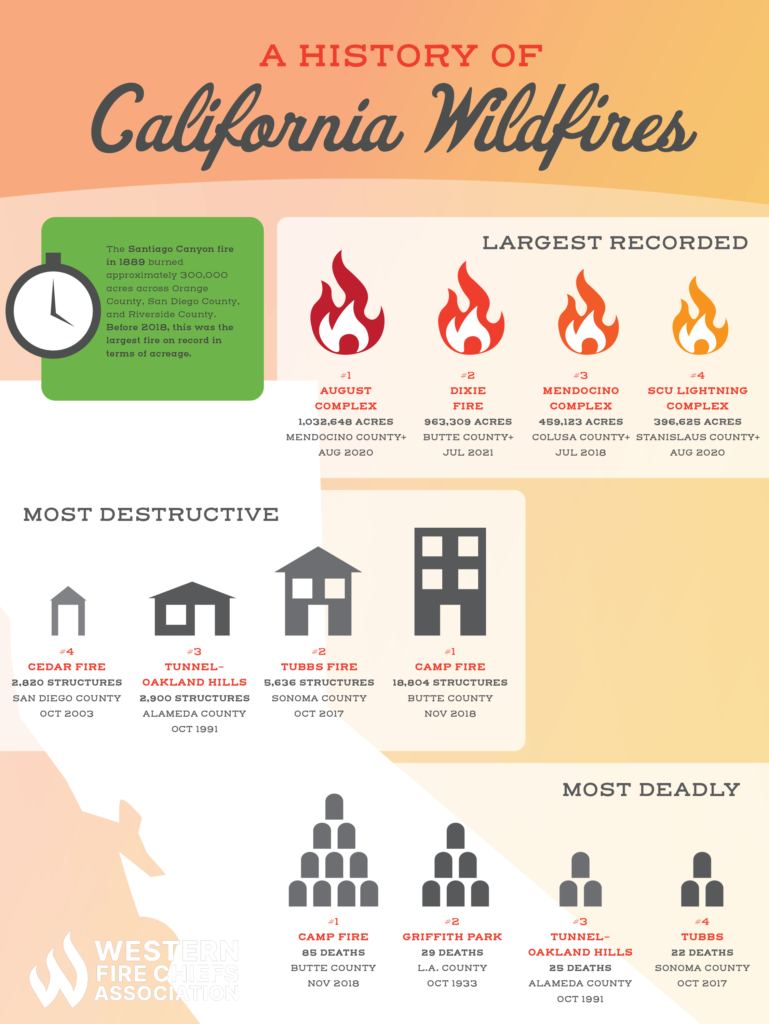
The Ripple Effect: Fires, Tourism, and Lifestyle
The impact of California wildfires extends far beyond the immediate burn scar. They fundamentally alter the travel experience, affect the state’s tourism industry, and force residents to adapt to a new, fire-prone lifestyle.
Impact on Travel and Destinations
For visitors planning their dream California vacation, wildfires can quickly turn plans upside down.
- Smoke and Air Quality: Even if a fire is far from a tourist hub, its smoke plumes can travel hundreds of miles, affecting air quality in major cities like San Diego, Sacramento, and even across the border into Nevada. This can lead to hazy skies, poor visibility, and health advisories, particularly for those with respiratory conditions. This diminishes the enjoyment of outdoor activities and scenic views, which are central to California’s appeal.
- Closures and Cancellations: National Parks, state parks, hiking trails, and even segments of popular scenic routes are frequently closed during active fires or due to subsequent damage. A planned trip to Yosemite National Park or Big Sur could be disrupted, forcing travelers to seek alternative destinations or cancel their trips altogether. This impacts not only attractions but also bookings for hotels, resorts, and various accommodations, leading to significant economic losses for local businesses.
- Damage to Infrastructure: Wildfires can directly destroy tourist infrastructure, from quaint inns in wine country to luxury resorts in Malibu. Rebuilding can take years, if it happens at all, permanently altering the landscape and the visitor experience in affected areas. This makes booking accommodations a tricky endeavor, with travelers often needing to verify the status of their chosen hotels or villas, and travel agents needing to be aware of the latest conditions.
- Economic Impact: The tourism industry is a cornerstone of California’s economy. Wildfires lead to decreased visitor numbers, canceled events, and reduced spending, dealing a significant blow to local economies that rely on tourism for jobs and revenue.
Adapting to the Fire-Prone Lifestyle
For California residents, wildfires are more than an annual event; they are an integral part of life.
- New Construction Standards: Building codes in wildfire-prone areas have been strengthened, requiring fire-resistant materials for roofing, siding, and windows, and mandating “defensible space” around properties—clearing vegetation to create a buffer zone. This affects housing costs and development patterns, shaping the lifestyle in communities like those in Anaheim Hills or Palm Springs.
- Evacuation Preparedness: Evacuation orders are a regular occurrence during fire season, making emergency preparedness a necessity for many families. This includes having “go bags,” knowing evacuation routes, and staying informed through local alert systems, adding a layer of stress to daily life.
- Psychological Toll: The constant threat of fire, the loss of homes, and the disruption of communities take a severe psychological toll on residents. The trauma of wildfires leaves lasting scars, influencing mental well-being and a sense of security.
- Technological Advancement: California is at the forefront of employing technology for fire detection and suppression, including sophisticated satellite monitoring, AI-driven risk assessment, and rapid deployment of air tankers and helicopters, influencing the state’s approach to disaster management.
Mitigation and the Way Forward
Addressing the complex issue of wildfires in California requires a multi-faceted approach, combining proactive prevention, robust preparedness, and a commitment to adapting to a new normal.
Prevention and Preparedness Strategies
Effective fire management focuses heavily on reducing ignitions and fuel loads.
- Forest Management: Decades of aggressive fire suppression have led to overgrown forests. Controlled burns, strategic thinning of dense vegetation, and managing prescribed fires are critical tools to reduce fuel loads and restore ecological balance in areas like the Sierra Nevada and around Lake Tahoe, making them less prone to catastrophic blazes.
- Public Awareness Campaigns: Initiatives like “One Less Spark, One Less Wildfire” aim to educate residents and visitors about fire safety, covering everything from proper campfire etiquette in National Forests to avoiding sparks from vehicle chains.
- Infrastructure Investment: Billions are being invested in upgrading electrical grids, including undergrounding power lines in high-risk areas, installing stronger poles, and employing advanced sensors to detect potential faults before they cause ignitions.
- Community Involvement: Fire Safe Councils and other community groups play a vital role in organizing neighborhood clean-ups, promoting defensible space, and fostering a culture of fire preparedness, encouraging a communal lifestyle focused on safety.
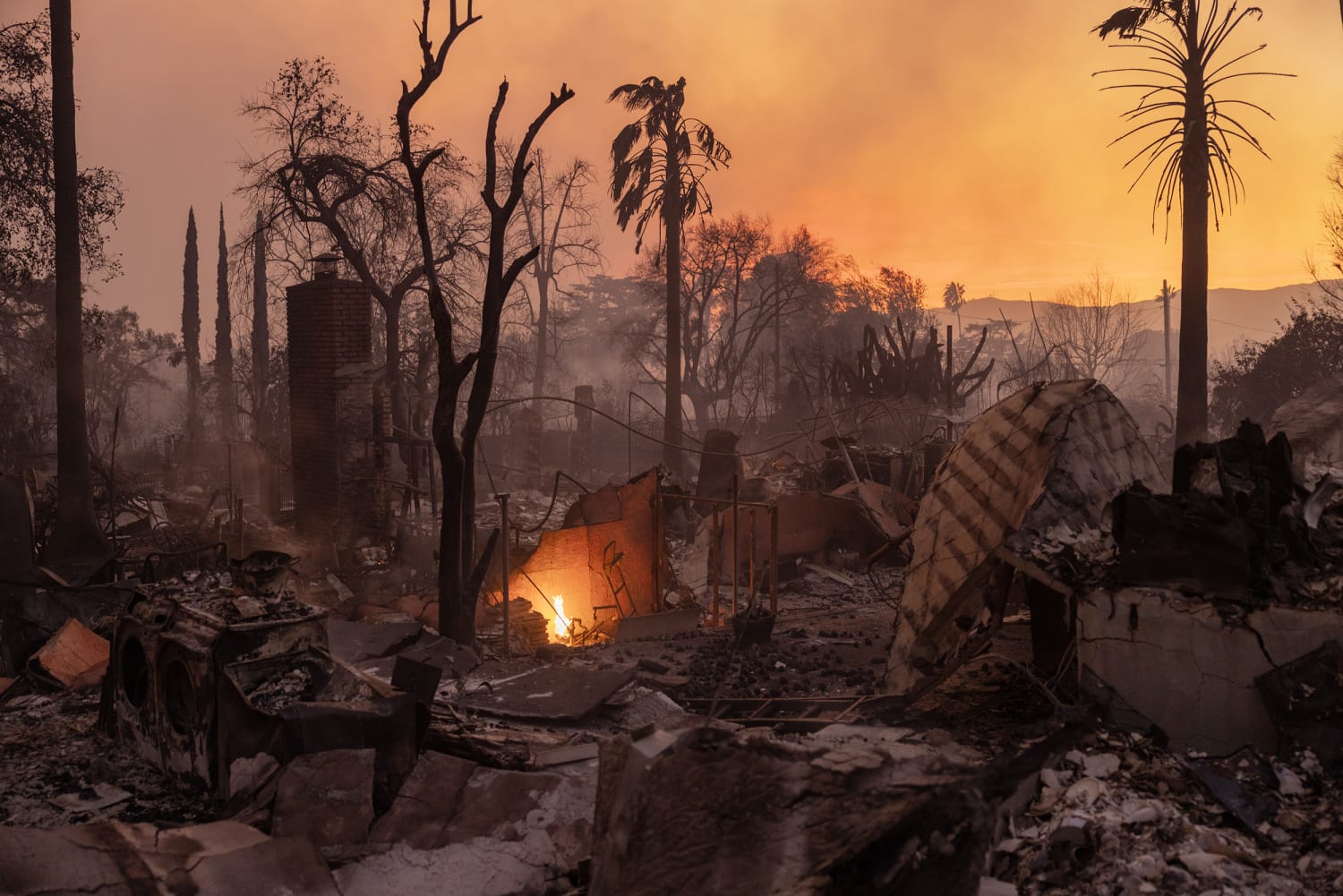
Resilient California: Recovery and Rebuilding
Despite the devastation, California’s natural landscapes possess an inherent resilience, and its communities demonstrate remarkable fortitude in recovery. Many native plant species in chaparral ecosystems, for instance, are pyrophytic, meaning they thrive and regenerate after fire, with some even requiring fire for their seeds to germinate.
The spirit of California residents is evident in the ongoing efforts to rebuild communities, support affected families, and restore natural areas. As travel and tourism continue to be vital to the state, there’s a growing emphasis on sustainable practices and “fire-adapted tourism,” ensuring that visitors are informed and respectful of the fire-prone environment. This includes promoting responsible outdoor activities and supporting local businesses as they recover and adapt. The future of California living and travel will undoubtedly involve continuous innovation in fire management and a collective commitment to protecting this unique and beautiful state.
In conclusion, how fires start in California is not a simple question with a single answer. It is a complex interplay of the state’s natural beauty and its inherent vulnerabilities, magnified by human activity and a changing climate. From accidental sparks from power lines to deliberate acts of arson, and fueled by dry vegetation and powerful winds, each fire has a unique origin story. However, with increased awareness, preventive measures, and a collective commitment to adaptation, California can continue to preserve its stunning landscapes and vibrant lifestyle for generations of residents and travelers alike.
LifeOutOfTheBox is a participant in the Amazon Services LLC Associates Program, an affiliate advertising program designed to provide a means for sites to earn advertising fees by advertising and linking to Amazon.com. Amazon, the Amazon logo, AmazonSupply, and the AmazonSupply logo are trademarks of Amazon.com, Inc. or its affiliates. As an Amazon Associate we earn affiliate commissions from qualifying purchases.