
The Dual Nature of Ignition: Natural and Human Causes
The ignition of wildfires in [California] can be attributed to two primary categories: natural occurrences and human actions. While natural causes are an unavoidable force of nature, human-caused fires are largely preventable and represent a significant focus for mitigation efforts, especially in areas popular for [travel] and [tourism].
Nature’s Fiery Spark: Lightning Strikes
Lightning strikes are the quintessential natural cause of wildfires. During the intense summer thunderstorm season, particularly in the drier, more remote regions and the high elevations of the [Sierra Nevada Mountains], lightning can directly strike trees or dry vegetation, igniting a blaze. While less frequent than human-caused fires, lightning-ignited fires often occur in remote, inaccessible wilderness areas. This makes them challenging to detect early and difficult for firefighters to reach, allowing them to grow substantially before suppression efforts can begin. These fires are a natural process, clearing out old growth and allowing new ecosystems to flourish, but their intensity and spread can be exacerbated by drought conditions and accumulated fuel.
The Human Element: Unintentional and Intentional Ignitions
The vast majority of wildfires in [California], approximately 85% to 90%, are started by human activities. This makes human behavior a critical factor in fire prevention. Unintentional ignitions stem from a wide array of everyday activities, often with devastating consequences.
- Equipment Use: Agricultural equipment, construction machinery, and even off-road vehicles can generate sparks that ignite dry grass or brush. Faulty exhaust systems, hot catalytic converters, or dragging chains are common culprits. Power lines, particularly aging infrastructure or lines damaged by high winds, can also spark fires when they come into contact with vegetation or sag to the ground. Notable examples include the devastating fires attributed to utility equipment failures.
- Campfires and Debris Burning: While enjoying the state’s numerous campgrounds and natural [landmarks], a poorly extinguished campfire or an improperly managed debris burn can quickly escalate into a large-scale wildfire. Regulations for campfires are stringent, especially during dry seasons, yet accidental ignitions still occur. [Yosemite National Park] and [Joshua Tree National Park] frequently issue warnings and bans to protect their fragile ecosystems.
- Smoking: Discarded cigarettes or other smoking materials, though seemingly small, are a frequent cause of fires, especially along roadsides or in dry grassy areas.
- Fireworks: Despite strict bans in many areas, illegal fireworks or those used irresponsibly, particularly around holidays, can trigger massive fires, leading to significant property damage and threats to human life in residential areas and wildland-urban interfaces.
- Arson: Sadly, some fires are intentionally set. Arson poses a particularly challenging problem for law enforcement and fire agencies, as the motivations can vary from criminal intent to psychological issues. These fires are often started in strategic locations to maximize damage or spread, making them extremely dangerous.
- Vehicle-Related Incidents: Accidents involving vehicles, such as sparks from grinding metal or hot fragments from an exhaust system, can ignite roadside vegetation. Additionally, vehicles parked on dry grass with hot exhaust systems can be a source of ignition.
Understanding these human factors is paramount for both residents and visitors. Those enjoying [California’s] natural beauty, whether staying in a luxurious [resort] in [Napa Valley] or camping in a remote wilderness area, must adhere to local regulations and practice extreme caution to prevent accidental ignitions.
Catalysts for Catastrophe: Environmental and Climatic Factors
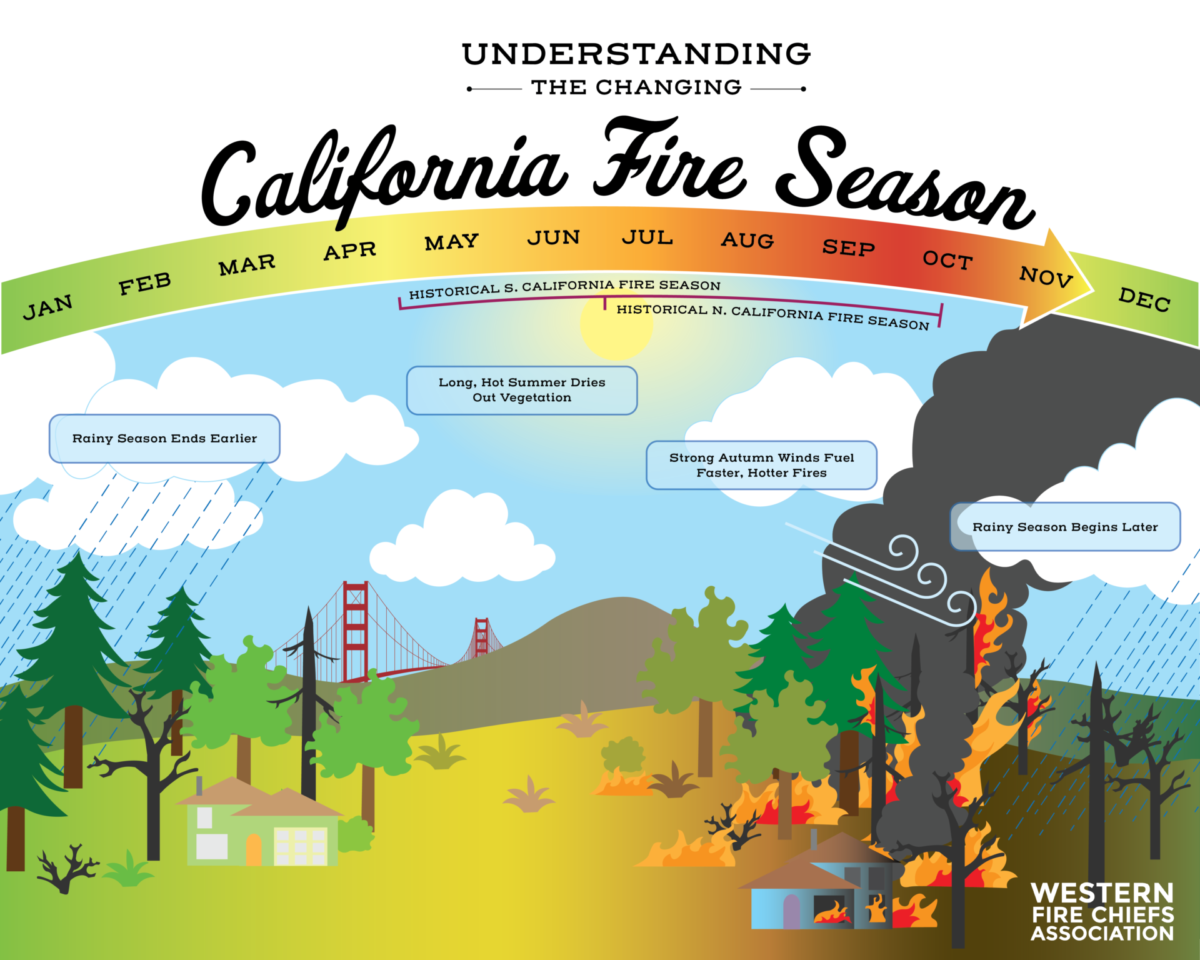
While ignition sources are the spark, a confluence of environmental and climatic factors in [California] determines whether that spark becomes a minor flare-up or a raging inferno. The state’s unique Mediterranean climate, characterized by hot, dry summers and mild, wet winters, creates ideal conditions for fire activity.
The Scourge of Drought and Fuel Accumulation
Prolonged periods of drought are arguably the most significant contributing factor to [California’s] escalating wildfire problem. Years of insufficient rainfall lead to parched landscapes, turning vegetation into highly combustible fuel. Trees and shrubs become desiccated, shedding leaves and needles that accumulate on the forest floor, creating a dense, continuous fuel bed. Dead trees, often killed by drought or bark beetle infestations, stand as vertical tinderboxes, ready to explode into flames. This “fuel load” is a critical component of the fire triangle (fuel, oxygen, heat). When combined with high temperatures and low humidity, the accumulated biomass becomes extremely volatile, making it easier for fires to start and spread rapidly. Places like [Big Sur] and the coastal ranges, typically lush, become vulnerable during extended dry spells, impacting scenic drives and access to popular [accommodations] and [landmarks].
The Whisper of the Santa Ana Winds
Unique to [Southern California], the [Santa Ana winds] are infamous for their role in fanning wildfires into uncontrollable blazes. These hot, dry winds originate from inland deserts, picking up speed and heat as they descend through mountain passes and canyons towards the coast. They are characterized by their extreme dryness, high speeds, and ability to sap moisture from vegetation, making already dry landscapes even more flammable. When a fire ignites during a [Santa Ana wind] event, the winds propel embers miles ahead of the main fire front, creating new spot fires and causing rapid, unpredictable spread. The intensity and erratic behavior of fires driven by [Santa Ana winds] pose immense challenges for firefighters and necessitate rapid evacuations, affecting countless homes, [hotels], and [tourism] infrastructure across regions from [San Diego] to [Santa Barbara].
Topography and the Spread of Flames
The varied topography of [California] plays a crucial role in how fires behave and spread. Steep slopes and narrow canyons act as natural chimneys, funneling flames uphill at incredible speeds. Fire moves significantly faster uphill than on flat terrain, and the preheating of vegetation higher up the slope by the rising heat column further accelerates the spread. This phenomenon is particularly evident in the rugged hillsides of the [San Francisco Bay Area] and the chaparral-covered mountains of [Southern California]. The complex terrain also makes access difficult for firefighters and equipment, hindering containment efforts. The wildland-urban interface, where developed areas meet natural landscapes, is especially vulnerable, as homes and businesses are built directly adjacent to high-fire-risk zones. This often means that [villas] and [resorts] nestled in scenic canyon areas face heightened risks.
Navigating the Landscape: Impact on California Travel and Lifestyle
Wildfires not only devastate ecosystems and communities but also significantly impact [California’s] vibrant [travel] and [tourism] industries, influencing everything from [destinations] accessibility to lifestyle choices for residents.
Protecting California’s Natural Wonders and Landmarks
[California’s] identity is deeply intertwined with its iconic natural [landmarks] and protected areas, which draw millions of visitors seeking unparalleled experiences. Fires pose an existential threat to these treasures. [Yosemite National Park], [Sequoia National Park], and [Kings Canyon National Park], home to the world’s largest trees, have all faced severe fire threats, leading to closures that disrupt [travel] plans and impact the local economies reliant on [tourism]. The smoke from large fires can drift hundreds of miles, affecting air quality in major cities and popular [attractions] like [Lake Tahoe] or the [Golden Gate Bridge], even if those areas are not directly threatened by flames. This can deter visitors and negatively impact outdoor activities, from [hiking] and [camping] to wine tasting in [Napa Valley]. The long-term ecological recovery of these areas is also a concern, as fire-damaged landscapes may take decades to regain their former glory, altering the visitor experience.Safety and Preparedness for Residents and Tourists
For both residents and visitors, understanding and preparing for fire season is an essential part of life and [travel] in [California]. During peak fire season (typically late summer through fall), advisories and warnings are common. Tourists planning trips to wilderness areas, national parks, or scenic routes like [Highway 1] near [Big Sur] should always check local fire conditions and potential closures. [Accommodation] providers, from luxury [hotels] in [Palm Springs] to quaint [apartments] in [Sonoma], often have emergency plans in place and may provide guests with information on evacuation routes.
Residents, particularly those living in the wildland-urban interface, are encouraged to create “defensible space” around their homes by clearing vegetation and using fire-resistant building materials. Local authorities regularly update information on fire bans, red flag warnings (indicating critical fire weather), and evacuation orders. For travelers, this means being flexible with itineraries, having alternative plans, and respecting all warnings and closures. It also involves practicing fire-safe habits, such as never discarding lit cigarettes, being cautious with campfires, and understanding local regulations regarding equipment use in dry areas. These precautions are part of responsible [tourism] and [lifestyle] in a fire-prone region.
Proactive Measures: Prevention and Mitigation
Addressing the complex issue of wildfires in [California] requires a multi-faceted approach focused on prevention, early detection, and strategic mitigation. These efforts not only protect lives and property but also preserve the natural [destinations] that drive [tourism] and define the state’s allure.
Technological Advances and Early Detection
Advancements in technology are playing an increasingly critical role in wildfire management. Remote sensing, satellite imagery, and drone technology allow fire agencies to monitor vast areas of land for signs of ignition, providing crucial early detection. AI-powered cameras strategically placed in high-risk areas can identify smoke plumes shortly after a fire starts, alerting authorities often before ground crews spot it. These early alerts are vital, as a rapid response can mean the difference between a small fire quickly contained and a catastrophic inferno. Improved weather forecasting models, including those for predicting [Santa Ana winds] and lightning storms, allow for preemptive resource deployment and public warnings, giving residents and travelers time to prepare or evacuate. Public alert systems, leveraging mobile technology and social media, ensure that critical information on fire activity and evacuation orders reaches affected communities promptly.

Community Engagement and Sustainable Practices
Ultimately, effective wildfire prevention hinges on community engagement and the adoption of sustainable land management practices. Education campaigns targeting both residents and tourists emphasize fire-safe behaviors, from proper campfire etiquette to responsible debris burning. Programs that encourage homeowners to create defensible space around their properties and to harden their homes against embers are essential.
Furthermore, prescribed burns, which are controlled fires set under specific weather conditions, are a crucial tool for reducing fuel loads in forests and wildlands. By intentionally burning away accumulated brush and dead vegetation, these controlled fires mimic natural ecological processes and reduce the risk of larger, more destructive wildfires. Forest thinning and managed grazing are other strategies employed to reduce fuel. These efforts help maintain the health and resilience of [California’s] diverse ecosystems, protecting both residential areas and vital [tourism] assets like campgrounds, [hotels], and hiking trails. For those interested in sustainable [lifestyle] choices, supporting these initiatives and practicing fire-conscious habits are key to preserving [California’s] beauty for future generations of travelers and residents alike.
By understanding the multitude of ways fires can start, the environmental factors that fuel them, and the proactive steps being taken for prevention and mitigation, we can collectively work towards a more fire-resilient [California], ensuring its stunning [landmarks] and vibrant culture remain accessible and safe for all.
LifeOutOfTheBox is a participant in the Amazon Services LLC Associates Program, an affiliate advertising program designed to provide a means for sites to earn advertising fees by advertising and linking to Amazon.com. Amazon, the Amazon logo, AmazonSupply, and the AmazonSupply logo are trademarks of Amazon.com, Inc. or its affiliates. As an Amazon Associate we earn affiliate commissions from qualifying purchases.