
When planning any event that requires accommodation for a group, from a destination wedding in Tuscany to a corporate conference in Las Vegas, the concept of a “hotel block” often emerges. It sounds straightforward – securing a set of rooms for your guests – but understanding the nuances of how hotel blocks work can save you time, money, and a significant amount of stress. This article delves into the mechanics of hotel blocks, exploring their benefits, the process of booking, crucial contract elements, and key considerations for making the most of this valuable tool.
Understanding the Fundamentals of Hotel Blocks
At its core, a hotel block is a reservation of a specific number of hotel rooms at a negotiated rate for a particular group of people, typically for a set period. This isn’t just about booking multiple individual rooms; it’s a strategic agreement between an event organizer and a hotel. These blocks are commonly used for:
- Weddings: Hosting out-of-town guests for ceremonies and receptions.
- Conferences and Conventions: Accommodating attendees for business events.
- Sporting Events: Ensuring teams and their supporters have rooms.
- Family Reunions: Gathering relatives from various locations.
- Group Tours: Providing lodging for organized travel itineraries.
- Special Events: Securing rooms for festivals, concerts, or alumni gatherings.
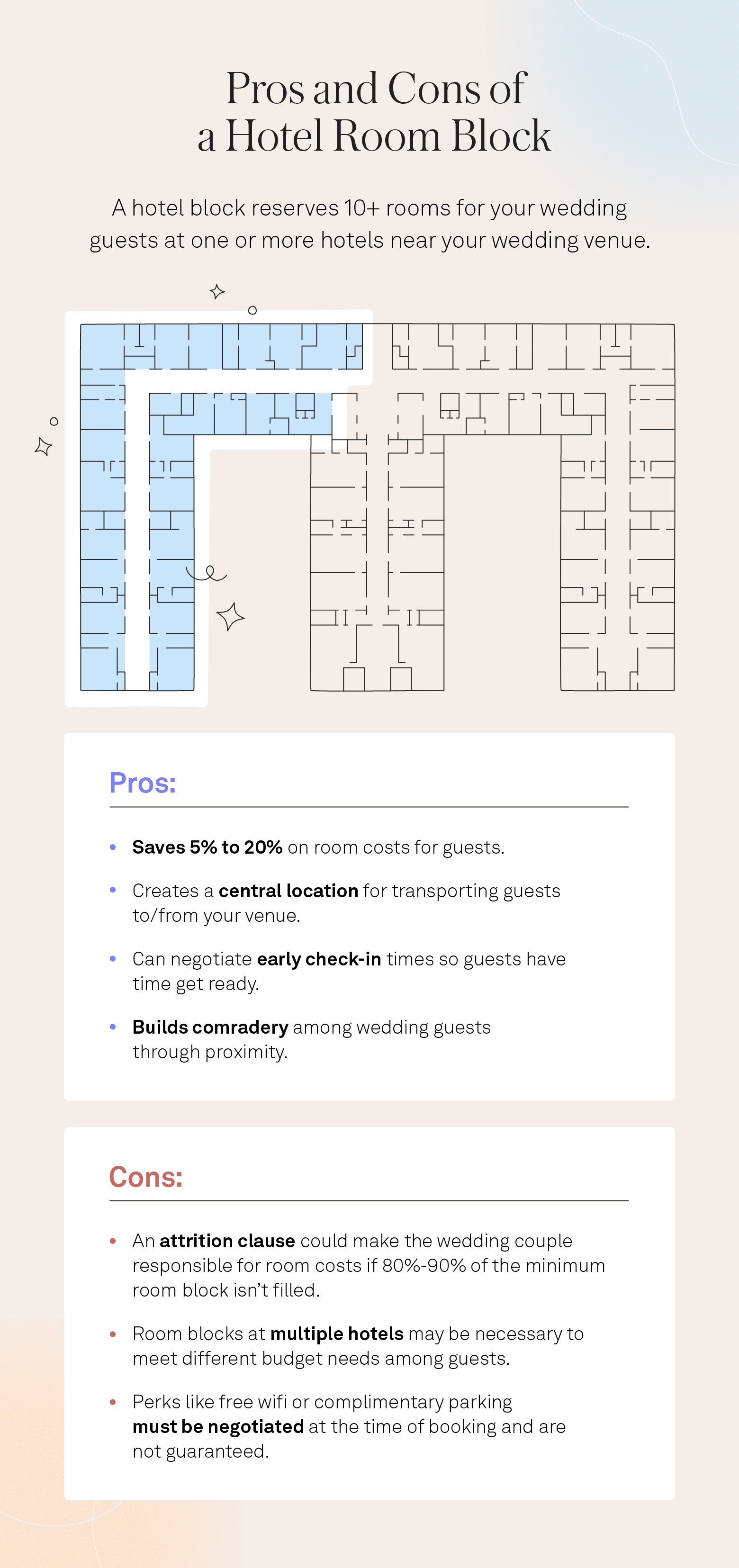
The primary advantage of a hotel block is the potential for preferential rates. By guaranteeing a certain volume of business, organizers can often negotiate discounts below the hotel’s standard rack rates. Furthermore, it simplifies the booking process for guests, who often receive a unique booking link or code, ensuring they stay at the same property and can easily access group activities. It also provides a sense of unity for the group, keeping everyone in one convenient location.
The Process of Securing a Hotel Block
Initiating the process of securing a hotel block typically begins with identifying potential hotels that can accommodate the size of your group and align with your budget and desired location. For instance, if you’re planning a wedding in New Orleans, you might research hotels in the French Quarter or Garden District.
1. Contacting the Hotel:
The first step is to reach out to the hotel’s group sales department or convention services manager. Clearly state your needs: the estimated number of rooms required, the desired dates of stay, and the occasion for the block.
2. Proposal and Negotiation:
The hotel will then typically provide a proposal outlining the room rates, the number of rooms offered, and the terms and conditions. This is where negotiation plays a crucial role. You can discuss:
* Room Rates: Aim for a rate that is competitive and attractive to your guests.
* Room Types: Specify if you need a mix of standard rooms, suites, or accessible rooms.
* Cut-off Date: This is the deadline by which guests must book their rooms to receive the group rate. A typical cut-off date is 30 days before the event, but this can be negotiated.
* Attrition Clauses: These are very important and will be discussed further.
* Complimentary Rooms: For larger blocks, hotels might offer a certain number of complimentary rooms for the organizers or special guests.
* Amenities: Inquire about any group discounts on services like parking, breakfast, or Wi-Fi.
3. Reviewing the Contract:
Once terms are agreed upon, the hotel will issue a contract. This is a legally binding document that needs thorough review. It’s highly recommended to have legal counsel or someone experienced in contract review examine it before signing.
4. Distributing Booking Information:
After signing the contract, the hotel will provide a unique booking code or a dedicated webpage for your group. You will then distribute this information to your guests along with instructions on how to book their rooms within the block.
Key Elements of a Hotel Block Contract
The contract is the backbone of your hotel block agreement. Understanding its clauses is paramount to avoiding unexpected costs or obligations.
Negotiating Room Rates and Room Blocks
The heart of any hotel block negotiation lies in the room rates and the size of the block.
Room Rates
The negotiated rate should be attractive enough for your guests to book within the block. Consider the average cost of accommodation in the area and the hotel’s typical pricing. It’s also wise to inquire about different room types and their respective rates. For a luxury event, you might be looking at rates for suites at a Ritz-Carlton, while a budget-friendly family reunion might focus on more standard rooms. Always clarify what is included in the rate – is breakfast included? Is there a resort fee?
Room Block Size

The number of rooms in your block should be a realistic estimate of your guests’ needs. It’s better to start with a slightly conservative number and request an increase later if needed, rather than commit to too many rooms that might go unused. Hotels are often flexible with increasing room blocks, especially if they have availability.
Understanding Attrition Clauses and Cut-off Dates
These are arguably the most critical components of a hotel block contract.
Attrition Clauses
An attrition clause (also known as a “shortfall clause”) protects the hotel from financial loss if the agreed-upon number of rooms is not booked. It specifies the percentage of the block that must be filled, or a minimum number of room nights that must be consumed, by the cut-off date. If this minimum is not met, the group organizer may be held liable for the revenue loss for the unbooked rooms.
For example, a contract might state that 80% of the block must be booked by the cut-off date. If you booked 100 rooms and only 70 were booked, you might be responsible for the revenue of the remaining 10 rooms (20% of 100) at the negotiated rate. The exact penalty and calculation can vary significantly, so this needs careful examination.
Cut-off Dates
The cut-off date is the deadline by which your guests must book their rooms to guarantee the group rate and secure their spot within the block. As mentioned earlier, this is often set around 30 days before the event, but it can be negotiated. A later cut-off date can be beneficial for guests who book travel last minute, but it also increases the risk of attrition for the organizer if the booking pace is slow.
Additional Contractual Considerations
Beyond rates and attrition, several other points deserve attention:
- Cancellation Policy: Understand the penalties for canceling the block or parts of it, both by the organizer and the hotel.
- Payment Terms: Clarify how deposits and final payments will be handled, both for the block and for individual guest bookings.
- Concessions: These are extra benefits offered by the hotel, such as complimentary room upgrades, discounted parking, or a complimentary meeting space. Negotiate for concessions that add value to your event.
- Guest Perks: Inquire about any special amenities or services offered to your group, such as a welcome reception area, a dedicated check-in desk, or personalized welcome notes.
- Food and Beverage Minimums: If your event involves catering or significant food and beverage consumption, the contract may include a minimum spend requirement.
- Resort Fees and Taxes: Ensure you understand all applicable fees and taxes that will be added to the room rate.
Maximizing Your Hotel Block Experience
Successfully managing a hotel block involves more than just signing a contract. Proactive communication and strategic planning are key.
Effective Communication with Guests
Once the block is secured, clear and timely communication with your guests is vital.
* Early Announcement: Inform your guests about the event and the hotel block well in advance. Provide the hotel name, address, and the booking deadline.
* Booking Details: Share the unique booking code or link, along with step-by-step instructions on how to make their reservation.
* Room Rate Transparency: Clearly state the group rate and highlight any benefits, such as included breakfast or special discounts.
* Contact Information: Provide a point of contact for guests who have booking questions or encounter issues.
Managing and Adjusting Your Block
It’s common for the number of rooms needed to fluctuate as your event date approaches.
* Monitor Bookings: Keep track of how many rooms are being booked within the block. Most hotels provide a booking pace report.
* Request Increases: If bookings are exceeding expectations, don’t hesitate to contact the hotel to request an increase in the room block. Hotels are often happy to accommodate this, especially if they have availability.
* Release Unneeded Rooms: If you anticipate not filling the entire block, communicate with the hotel well before the cut-off date. They may be able to release some rooms back into general inventory, potentially mitigating attrition penalties.

Post-Event Review
After the event, take some time to review the hotel block performance.
* Final Rooming List: Ensure the final rooming list is accurate.
* Billing Reconciliation: Carefully review all invoices to ensure they match the contract terms and the actual services provided.
* Feedback: Gather feedback from your guests regarding their accommodation experience. This can be invaluable for future event planning.
* Lessons Learned: Document any challenges or successes related to the hotel block to refine your approach for future events.
Ultimately, a hotel block is a powerful tool for managing group accommodation. By understanding how they work, carefully reviewing contracts, and engaging in proactive communication, you can ensure a smooth and cost-effective lodging experience for your guests, allowing everyone to focus on enjoying the event, whether it’s a scenic destination wedding in Bali or a business summit at a prominent venue in Singapore.