
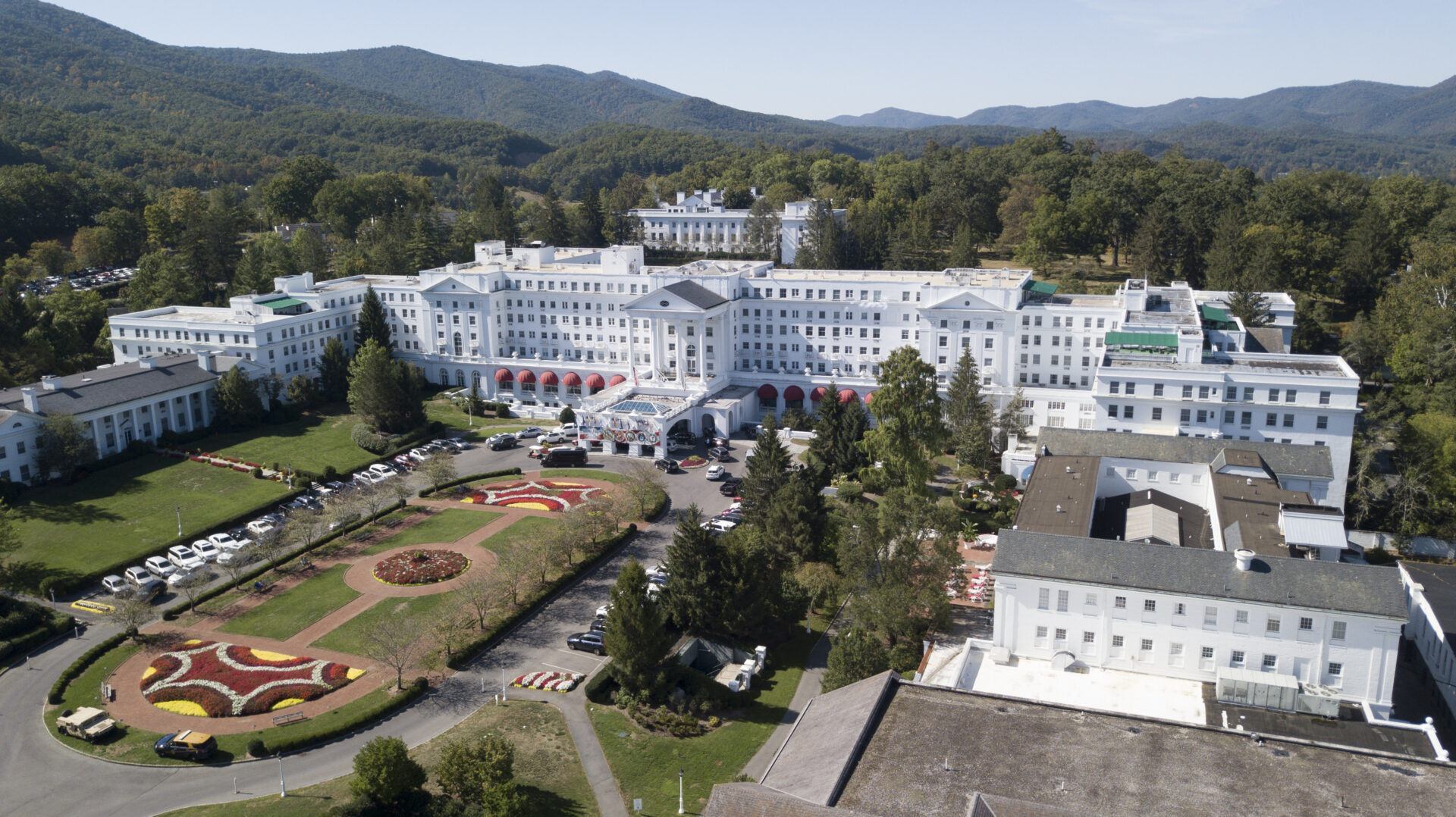
Nestled amidst the majestic Allegheny Mountains of West Virginia, The Greenbrier Resort stands as a beacon of luxury, history, and unparalleled hospitality. More than just a hotel, it is a landmark, a living museum, and a testament to America’s enduring spirit of grand travel. For centuries, its legendary mineral springs have drawn visitors seeking healing and rejuvenation, evolving from a humble spa retreat into one of the world’s most iconic destinations. Yet, behind its opulent facade and storied past lies a complex narrative of ownership, marked by various transitions that have shaped its destiny. Understanding who owns The Greenbrier today, and the journey that led to its current stewardship, offers a deeper appreciation for this magnificent estate. This article delves into the fascinating history of The Greenbrier’s ownership, exploring the pivotal moments and influential figures who have guided its path from its early days to its present-day status as a cherished American gem.

A Legacy of Grandeur: The Greenbrier’s Storied Past
The history of The Greenbrier is inextricably linked to the ebb and flow of American history itself. Its roots stretch back to the late 18th century, a period when the curative properties of natural mineral springs were highly sought after. What began as a primitive encampment around the “white sulphur spring” soon blossomed into a sophisticated retreat, attracting an increasingly elite clientele.
From Healing Waters to High Society
The initial appeal of the site, located in what would become White Sulphur Springs, was undoubtedly its restorative waters. Locals and early settlers recognized the health benefits, leading to the establishment of basic bathing facilities. By the early 19th century, the growing popularity necessitated more substantial accommodations. The first formal hotel, the “Old White Hotel,” was erected in 1858, cementing the location’s reputation as a premier destination. This era saw the resort become a favorite haunt for prominent Southern families, politicians, and distinguished visitors, establishing its reputation as a social nexus. Guests would arrive for extended stays, enjoying not only the therapeutic waters but also lavish balls, horse races, and lively social gatherings that defined high society in the antebellum USA. The resort’s stunning natural beauty, combined with its burgeoning social scene, made it an indispensable part of the American elite’s annual circuit, fostering a legacy of elegance and refinement that continues to this day.
The Railway Era and Wartime Service
The mid-19th century brought significant change to The Greenbrier, mirroring broader developments across the nation. During the Civil War (1861-1865), the resort found itself at a crossroads, serving both Confederate and Union forces at different times as a hospital. Its strategic location and substantial facilities made it invaluable for treating the wounded. Following the war, the resort faced the challenge of rebuilding its clientele and its image. A pivotal moment came in 1910 when the Chesapeake and Ohio Railway (C&O) purchased the property. This acquisition ushered in an era of unprecedented growth and luxury. The C&O, recognizing the resort’s potential as a destination for its affluent passengers, invested heavily in its expansion and modernization. They commissioned the famous architect Frederick Junius Sterner to design a new, grand hotel building, which opened in 1913 and would become the core of the modern Greenbrier. This period also saw the hiring of renowned interior designer Dorothy Draper, whose vibrant and distinctive “Draper style” transformed the resort’s interiors, setting a benchmark for hospitality aesthetics.
The resort once again played a critical national role during World War II. From 1942 to 1946, it was leased to the U.S. government and repurposed as a military hospital, known as Ashford General Hospital, treating over 24,000 soldiers. After the war, it briefly served as an internment camp for Axis diplomats before being returned to the C&O Railway and meticulously restored to its former glory, preparing it for its next, most secretive chapter.
The Cold War’s Best-Kept Secret
Perhaps the most intriguing and clandestine chapter in The Greenbrier’s history unfolded during the Cold War. From 1958 to 1992, beneath the elaborate West Virginia Wing of the hotel, a massive, top-secret bunker was constructed, designed to house the entire United States Congress in the event of a nuclear attack. Codenamed Project Greek Island, this facility was a testament to the era’s pervasive anxieties and the government’s desperate measures for continuity. The bunker was fully stocked with supplies for 1,100 people, including a broadcasting studio, medical facilities, dormitories, and even a power plant. It operated in plain sight but was camouflaged as a normal hotel exhibition hall and industrial facility.
Maintenance of the bunker was discreetly handled by a select group of government employees, posing as audiovisual technicians working for a fictional company called Forsythe Associates, a subsidiary of the Chesapeake and Ohio Railway. Their presence and activities were so seamlessly integrated into the resort’s operations that very few, even among the long-term staff, suspected its true purpose. For over three decades, this elaborate deception remained intact, a silent sentinel against the backdrop of one of America’s most luxurious resorts. The bunker’s existence was finally revealed to the public in a 1992 article by The Washington Post, causing a sensation and bringing an end to the project. Today, portions of the bunker are open for tours, offering a chilling and fascinating glimpse into a unique piece of American history that once lay hidden beneath the serene facade of The Greenbrier. This revelation only added another layer of allure to an already legendary destination, solidifying its place in the annals of both hospitality and national security.
The Greenbrier’s Modern Chapter: Ownership Transitions
As the 20th century drew to a close and the new millennium began, The Greenbrier faced new challenges, reflecting broader shifts in the travel and hospitality industry. Its ownership journey continued to evolve, navigating economic pressures and seeking new visions to ensure its future.

CSX Transportation and Changing Tides
Following the extensive investments made by the Chesapeake and Ohio Railway, the railroad company eventually merged and restructured several times, leading to the formation of CSX Transportation. CSX continued to own The Greenbrier for a significant period, maintaining its grandeur and upholding its reputation as a premier luxury resort. Under CSX’s stewardship, the resort continued to host major events, attract celebrities, and serve as a cherished retreat for generations of families. However, by the early 21st century, the economic landscape had changed considerably. Operating a historic, large-scale luxury resort became increasingly challenging. The high costs associated with maintaining such an expansive property, coupled with fierce competition from modern resorts and fluctuating travel trends, placed a significant financial burden on CSX, whose primary business was freight transportation, not hospitality.
The resort, while still iconic, began to struggle with profitability, leading to mounting concerns about its long-term viability. The global financial crisis of 2008 further exacerbated these issues, pushing The Greenbrier into a precarious financial position. Faced with significant losses and the realization that running a luxury resort was far outside its core competency, CSX began to explore options for divesting the property. The possibility of closure or sale to an entity that might not preserve its historic character loomed large, creating widespread apprehension among employees, residents of West Virginia, and loyal guests who viewed The Greenbrier as an irreplaceable landmark. The fate of this beloved institution hung in the balance, awaiting a new owner with the vision and resources to steer it into the future.
The Justice Family Takes the Reins
In 2009, a new chapter began for The Greenbrier with its acquisition by Jim Justice, a prominent West Virginia businessman and philanthropist, who would later become the state’s governor. The purchase by Justice and his family, through the Justice Family Group LLC, was seen by many as a lifeline for the struggling resort. At the time of the sale, The Greenbrier was facing the very real threat of bankruptcy and potential closure, a prospect that would have devastated the local economy and erased a significant piece of American heritage. Justice’s motivation for acquiring the resort was deeply rooted in his personal connection to West Virginia and a desire to save what he considered a state treasure. He recognized not only the resort’s historical significance and architectural splendor but also its vital role as one of the largest employers in the region.
Upon taking ownership, Jim Justice immediately embarked on an ambitious revitalization plan. This included substantial financial investments in renovations, upgrades to amenities, and the introduction of new attractions to draw a broader range of guests. He brought a hands-on approach, often personally overseeing projects and engaging directly with staff and guests. One of the most significant additions under his ownership was the creation of a private, members-only casino, which opened in 2010. This bold move aimed to diversify the resort’s revenue streams and appeal to a new demographic of luxury travelers. Other initiatives included enhancing the existing golf courses, introducing new dining concepts, and focusing on improving guest experiences across the board. Justice’s commitment to the resort went beyond mere business; it was a passion project aimed at ensuring The Greenbrier’s legacy for future generations. His family’s ownership marked a renewed period of stability and growth, allowing the resort to reclaim its status as a world-class destination while preserving its unique historical essence.
What Makes The Greenbrier Special Today?
Under the stewardship of the Justice family, The Greenbrier Resort has not only survived but thrived, reaffirming its position as one of America’s most distinguished luxury destinations. Its enduring appeal lies in a harmonious blend of historical preservation and contemporary innovation, offering an experience that is both deeply rooted in tradition and refreshingly modern.
A Resort Reimagined: Amenities and Experiences
Today, The Greenbrier offers an unparalleled array of amenities and experiences that cater to every taste, embodying the concept of a self-contained luxury destination. The resort boasts three championship golf courses, including The Old White TPC, which historically hosted the PGA Tour’s Greenbrier Classic. These courses, designed by legends such as Sam Snead, provide a world-class golfing experience amidst stunning mountain scenery.
Beyond golf, the resort’s spa remains a cornerstone of its wellness offerings, drawing on the tradition of its mineral springs with treatments that combine ancient techniques with modern therapies. The addition of the lavish, members-only Greenbrier Casino Club has introduced a new dimension of entertainment, offering high-stakes gaming in an opulent setting. Culinary enthusiasts can indulge in a diverse range of dining experiences, from gourmet fine dining to casual cafes, all upholding the resort’s commitment to exceptional quality and service. For the adventurous, The Greenbrier Sporting Club offers a wide array of outdoor activities, including falconry, off-road driving, whitewater rafting, and extensive hiking trails. Family-friendly activities, luxury boutiques, and a range of cultural events further enrich the guest experience, ensuring that every visit is memorable and unique. The distinctive Dorothy Draper interiors continue to charm, creating an atmosphere that is both grand and inviting, making every corner of the resort a visual delight.
Preserving History, Embracing the Future
Under its current ownership, The Greenbrier’s commitment to preserving its rich history is as strong as its drive to embrace the future. Extensive efforts are continuously made to maintain the resort’s architectural integrity and historical artifacts, ensuring that its legacy remains vibrant and accessible. The historic tours, particularly those of the aforementioned Project Greek Island bunker, allow guests to delve into the resort’s past, connecting them directly with significant moments in American history. These initiatives are not merely about nostalgia; they are about understanding the layers of stories that have shaped The Greenbrier into the iconic institution it is today.
At the same time, the Justice family has demonstrated a clear vision for the resort’s future, continually investing in infrastructure, technology, and service enhancements. This forward-thinking approach ensures that The Greenbrier remains relevant and competitive in the ever-evolving luxury travel market. It serves as a vital economic engine for West Virginia, providing employment, attracting tourism, and promoting the state as a premier destination. The seamless integration of modern luxury with a profound respect for its heritage is what truly sets The Greenbrier apart. It is a place where history is not just displayed but lived, where every amenity is offered with a nod to its illustrious past, and where guests can create new memories within walls that hold centuries of stories. This careful balance ensures that The Greenbrier continues to be not just a resort, but a cherished national landmark, poised to enchant visitors for generations to come.
In conclusion, the journey of The Greenbrier Resort through various ownerships is a testament to its enduring appeal and significance. From its early days as a modest health retreat to its transformation into a grand railway hotel, its wartime service, and its secret role in the Cold War, each chapter has added to its unique character. Today, under the dedicated ownership of the Justice family, The Greenbrier continues to shine as a jewel of American hospitality. Their commitment has ensured that this historical treasure remains a vibrant, luxurious, and welcoming destination, where guests can immerse themselves in unparalleled elegance while experiencing the rich tapestry of its storied past. The story of The Greenbrier is not just about who owns it, but how each guardian has contributed to its legacy, preserving its magic for the world to discover.
LifeOutOfTheBox is a participant in the Amazon Services LLC Associates Program, an affiliate advertising program designed to provide a means for sites to earn advertising fees by advertising and linking to Amazon.com. Amazon, the Amazon logo, AmazonSupply, and the AmazonSupply logo are trademarks of Amazon.com, Inc. or its affiliates. As an Amazon Associate we earn affiliate commissions from qualifying purchases.