
In the intricate world of hospitality, where every detail contributes to the overall guest experience, even seemingly minor elements like how frames are hung on a wall hold significant importance. Far from being a mere decorative afterthought, the strategic placement and secure installation of art and mirrors are integral to a hotel’s aesthetic, safety standards, and brand identity. From the opulent lobbies of a Ritz-Carlton in Dubai to the cozy guest rooms of a boutique hotel in Kyoto, the method of displaying wall decor is a nuanced blend of interior design principles, engineering, and robust maintenance protocols.
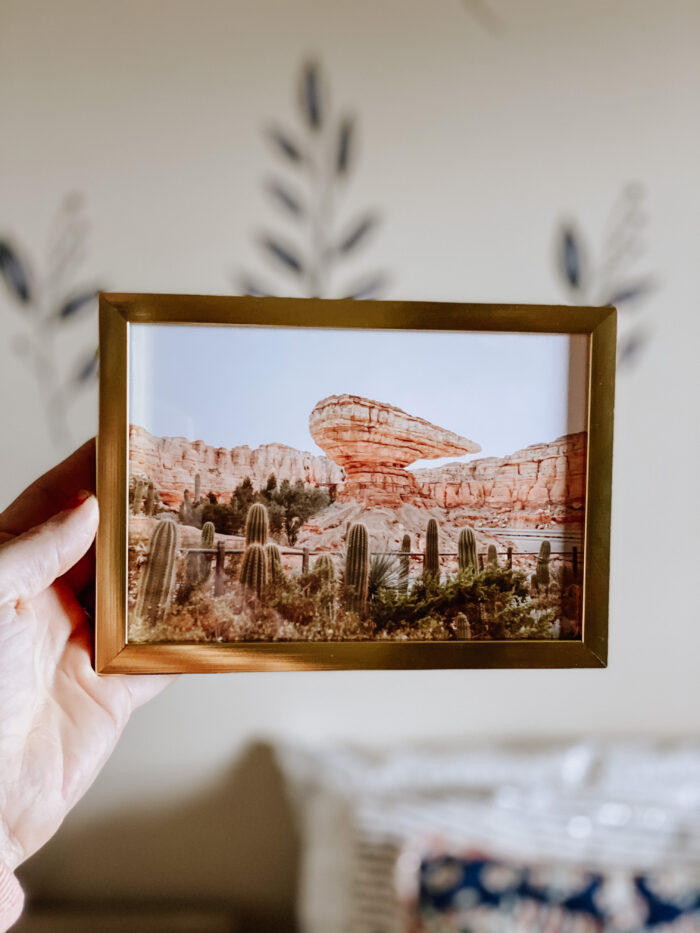
A hotel room or public space isn’t just a place to sleep or pass through; it’s an immersive environment designed to evoke comfort, luxury, or a sense of place. Art, whether a striking abstract piece, a calming landscape, or a reflective mirror, plays a crucial role in shaping this atmosphere. Hotels meticulously plan their art programs to align with their brand narrative and the local culture. For instance, a hotel in Venice might feature Murano glass art or intricate Venetian masks, while a resort in Bali could showcase vibrant local paintings or wood carvings. These choices are not accidental; they are part of a broader strategy to enhance the guest’s travel experience, providing visual interest and a subtle connection to their destination. The way these pieces are presented—how they are framed, positioned, and securely fastened—is paramount to their longevity and the safety of guests and staff alike. This comprehensive approach ensures that the art not only looks good but also withstands the rigors of a high-traffic environment, fulfilling its dual role as both decoration and an integral part of the hotel‘s infrastructure.
The Art of Hotel Aesthetics: Curating the Guest Experience
The visual appeal of a hotel is paramount, directly influencing guest perceptions of comfort, luxury, and attention to detail. Art and framed decor are not just embellishments; they are strategic tools used to craft specific moods and reinforce a hotel’s brand.
Designing Ambiance: More Than Just Pictures on Walls
Hotels employ professional interior designers and art consultants to curate collections that speak to their target audience and the property’s unique character. This process involves selecting art that complements the color schemes, furniture, and overall architectural style of the space. In a luxury hotel like a Four Seasons Hotel, guests might encounter original paintings, limited-edition prints, or high-end sculptural pieces. These pieces are often chosen for their ability to evoke sophistication and exclusivity. Conversely, a boutique hotel in Amsterdam might focus on quirky, locally sourced art that tells a story and offers a more personalized, intimate experience.
The types of frames used are also critical. High-quality frames, often made from solid wood, metal, or specialized composite materials, are selected not only for their aesthetic appeal but also for their durability. Anti-glare glass or acrylic is frequently chosen, especially for artwork placed opposite windows or in well-lit areas, to ensure the art is always visible and appealing. Mirrors are also strategically placed to expand spaces, reflect natural light, and add a touch of elegance. In a typical guest room, the art selection often aims for a calming or inspiring effect, while in common areas like lobbies or restaurants, the art might be more bold, abstract, or culturally significant, acting as conversation starters or focal points. The placement of art at eye-level, grouped effectively, or used to create visual pathways helps guide the guest’s experience through the property, contributing to a seamless and engaging journey.
Strategic Placement and Proportion for Impact
The placement of framed art is governed by precise design principles to ensure optimal visual impact and harmony within the space. Designers consider the scale of the artwork relative to the wall, ceiling height, and surrounding furniture. A common rule of thumb is to hang the center of the artwork at an average eye-level, typically between 57 and 60 inches from the floor, when it’s hung alone. However, this rule can vary when art is hung above furniture, where it should be positioned to relate to the piece below it, usually with 6-12 inches of space.
In guest rooms, art is often hung above the headboard, desk, or dresser, creating focal points that balance the room’s layout. In larger public areas, galleries of framed pieces might be arranged symmetrically or asymmetrically to create visual interest. For instance, a grand hallway in a historic London hotel might feature a series of large, uniformly framed portraits or landscapes, creating a sense of tradition and gravitas. Lighting is another critical consideration; many hotels utilize accent lighting, such as picture lights or recessed spotlights, to highlight artwork and enhance its texture and colors, especially in dimly lit corridors or lounges. The overall goal is to create a cohesive and visually pleasing environment that reinforces the hotel’s brand, whether that’s modern chic, historic grandeur, or casual comfort, ensuring every framed piece contributes meaningfully to the overall lifestyle experience.
Technical Aspects of Frame Installation: Durability and Safety First
Beyond aesthetics, the practicalities of hanging frames in a hotel environment are paramount, focusing heavily on durability, security, and safety. Unlike residential settings, hotel frames must withstand constant exposure to guests, staff, and the general wear and tear of a bustling commercial space.
Choosing the Right Hardware: Industrial Strength Solutions
The hardware used to hang frames in hotels is significantly more robust than what one would typically find in a home. Standard picture hooks and nails are insufficient for commercial use due to safety concerns and the need for longevity. Hotels commonly employ heavy-duty hanging systems designed for security and stability.
One popular method involves security hangers or anti-theft hardware. These systems often include specialized brackets or screws that lock the frame to the wall, preventing easy removal. For instance, a key plate hanger or a D-ring attached to a security hook requires a special tool or a specific lifting motion to detach the frame, making casual theft or accidental dislodging highly improbable. Another common solution is the French cleat system, especially for heavier mirrors or large pieces of art. This system involves two interlocking pieces of wood or metal, one attached to the wall and the other to the frame. When the frame is hung, the two pieces interlock securely, distributing the weight evenly across a wider area and making it incredibly stable. This is particularly useful in areas prone to seismic activity, such as hotels in San Francisco or Tokyo, where frames need to remain firmly in place during minor tremors. For lighter items or where flexibility is desired, heavy-gauge picture wire attached to robust wall anchors, often into studs, is used. However, even with wire, additional security measures might be employed to prevent the frame from swinging or being easily knocked off. The type of wall material (drywall, plaster, concrete, wood paneling) also dictates the specific anchors and fasteners used, with professional installers always ensuring maximum grip and load-bearing capacity.
The Installation Process: Precision and Professionalism
Hotel frame installation is typically carried out by experienced professionals, often specialized art handlers or facilities teams, rather than general maintenance staff. This ensures precision, adherence to safety standards, and proper technique.
The process begins with meticulous measurement and layout planning. Templates are often used for multiple frames in a series to ensure perfect alignment and consistent spacing. Laser levels are indispensable tools, guaranteeing that every frame is perfectly straight and symmetrical, a detail that greatly contributes to the perceived quality of the accommodation. For heavy items, wall stud finders are used to locate structural supports, or specialized heavy-duty anchors like toggle bolts or molly bolts are employed for drywall, and wedge anchors or sleeve anchors for concrete or brick. In some cases, especially for very large or unusually shaped pieces, additional wall reinforcement might be installed behind the drywall to provide extra support.
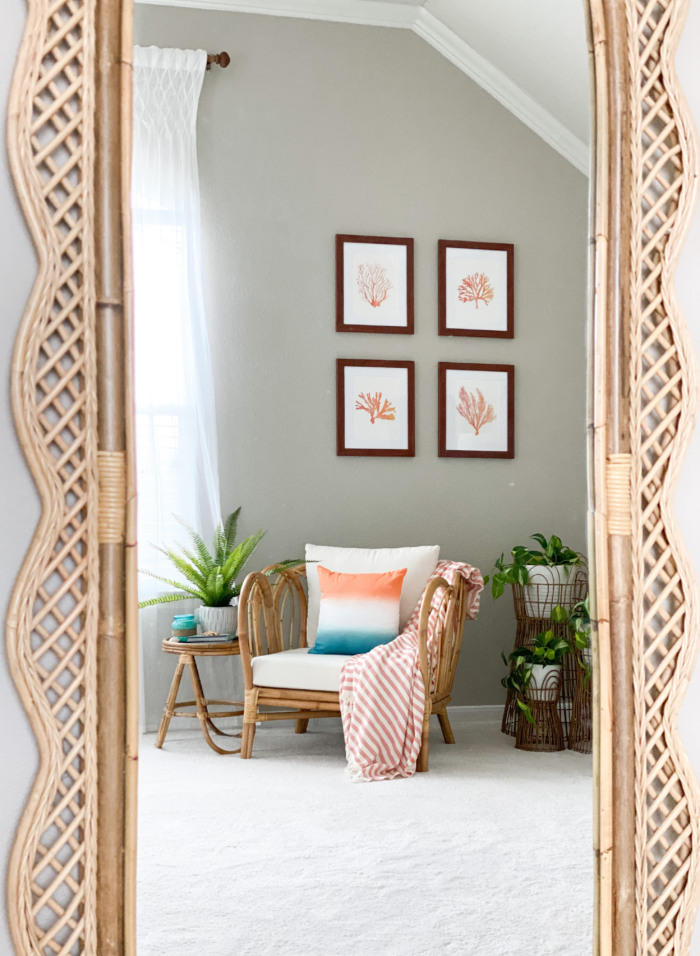
Beyond the initial hang, installers also consider the long-term integrity of the installation. This includes checking for any potential stress points, ensuring the weight is distributed correctly, and confirming that the frame hangs flush against the wall to minimize movement and potential damage. The goal is to install the frame once and have it remain securely in place for years, minimizing the need for frequent adjustments or repairs, which could disrupt guest stays or incur additional costs. Hotels that are part of large chains like Marriott International or Hilton Worldwide often have standardized operating procedures (SOPs) for art installation to ensure consistency across all their properties, from a Courtyard by Marriott to a Waldorf Astoria. This rigorous approach underscores the understanding that a well-hung frame is not just a decoration but a testament to the hotel’s commitment to safety and quality.
Maintenance, Longevity, and Sustainability in Hotel Art Programs
Maintaining the aesthetic appeal and structural integrity of framed art is an ongoing commitment for hotels. This involves regular upkeep, strategic refreshes, and an increasing focus on sustainable practices.
Regular Inspections and Upkeep: Keeping Art Pristine
The high-traffic nature of hotel environments means that framed art is constantly exposed to dust, fingerprints, and potential accidental damage. Therefore, a robust maintenance schedule is essential. Housekeeping staff are usually trained to gently dust frames and clean glass surfaces during their regular room service. For more thorough cleaning, specialized teams might use appropriate cleaners for the specific frame materials and art protection (e.g., non-abrasive cleaners for acrylic, glass cleaner for glass).
Beyond superficial cleaning, facilities management conducts periodic, detailed inspections. These inspections check for any signs of wear and tear, such as loose wires, bent D-rings, cracked frames, fading artwork, or damaged glass. In a property like the Grand Hyatt Hotel in New York City, where thousands of guests pass through daily, such rigorous checks are vital to prevent safety hazards and maintain the high-end appearance expected by guests. Any issues are promptly addressed, whether it’s tightening a screw, replacing a damaged frame, or even swapping out a piece of art that has become outdated or too worn. This proactive approach ensures that the art collection consistently presents itself in the best possible condition, contributing positively to the overall guest experience and the hotel’s reputation.
Adapting to Trends and Renovations: A Dynamic Aesthetic
The art program within a hotel is not static; it evolves with design trends, brand refreshes, and major property renovations. During significant renovation cycles, which often occur every 5-7 years, art collections are frequently updated or entirely replaced to align with the new interior design scheme and contemporary tastes. This is where art consultants play a crucial role, advising hotels on new artists, styles, and themes that will resonate with current and future guests. For example, a previously traditional hotel in Paris undergoing a modern renovation might swap out classical landscapes for more abstract or contemporary Parisian street photography, reflecting a younger, more cosmopolitan clientele.
Some hotels also incorporate local artists and artisans into their collections, fostering a connection with the local culture and supporting the community. This approach is not only sustainable but also adds authenticity and a unique narrative to the hotel’s aesthetic, making the guest’s tourism experience more immersive. The decision to update or replace art is also influenced by sustainability considerations. Many hotels now prioritize working with artists who use eco-friendly materials, sourcing frames from sustainable timber, or even commissioning digital art displays that reduce waste and offer flexibility in content. This commitment to environmentally conscious choices reflects a broader lifestyle trend and aligns with the values of many modern travelers, particularly those seeking unique experiences.
The Rise of Digital Art and Interactive Displays
A burgeoning trend in hotel art is the integration of digital displays. Large, high-resolution LED or LCD screens are increasingly being used to showcase dynamic art, photography, or even interactive installations. This approach offers immense flexibility; a single screen can display a rotating gallery of artwork, change themes with the seasons, or even feature promotional content. This technology significantly reduces the need for physical frames, printing, and installation, offering a cost-effective and environmentally friendly alternative for updating hotel aesthetics. In a high-tech city like Singapore, a modern hotel might feature interactive digital art walls in its lobby, allowing guests to engage with the artwork using gestures or touch, thereby enhancing the overall guest experience and reflecting a forward-thinking brand image.
Special Considerations Across Different Hotel Types
The approach to hanging frames is not uniform across the entire hospitality spectrum. It varies significantly depending on the type of hotel, its target market, and its overall brand positioning.
Luxury Resorts vs. Budget Accommodations: Tailored Approaches
The contrast between a luxury resort and a budget accommodation is perhaps the most stark. In a 5-star property, such as a St. Regis or a Fairmont Hotel, art is often an investment. Guests expect original artwork, custom framing, and a curated collection that reflects exclusivity and a high level of sophistication. Here, the hanging mechanisms might be hidden entirely, showcasing the art itself as the centerpiece. The choice of artist, the rarity of the piece, and the quality of the frame materials are all crucial, contributing to the perceived value and unique experience of the stay. These properties often employ art conservators and specialized art installation teams to handle their valuable collections.
Conversely, budget hotels, such as a Motel 6 or an ibis Hotel, prioritize cost-effectiveness, durability, and ease of replacement. Artwork typically consists of mass-produced prints or photographs, often chosen for their generic appeal and ability to withstand wear and tear. Frames are usually simple, robust, and designed for quick installation and replacement. While security is still important, the anti-theft measures might be less complex, focusing on sturdy, tamper-resistant screws rather than elaborate cleat systems. The art serves more as a functional decorative element to make the room feel less stark, rather than a statement piece. The goal is to provide a clean, functional, and consistent aesthetic across many rooms, often with standardized hardware and installation methods to streamline operations and minimize maintenance costs.
Thematic Hotels and Boutique Stays: Storytelling Through Art
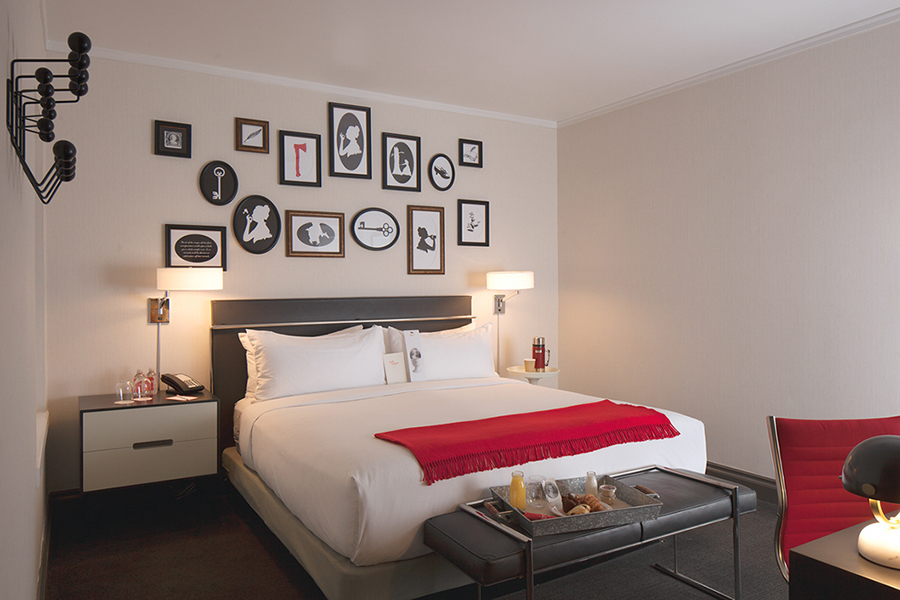
Boutique hotels and those built around specific themes offer a fascinating perspective on frame hanging. These properties often prioritize uniqueness and storytelling through their interior design, and art plays a pivotal role in this narrative. A boutique hotel in New Orleans, for example, might feature frames holding vintage Mardi Gras posters, jazz musician portraits, or local architectural drawings, all hung to evoke the city’s rich history and vibrant culture. The hanging methods might be tailored to the specific art piece, perhaps using antique chains or rustic ropes for a more thematic look, while still ensuring safety and security.
These hotels often collaborate with local artists, using their work to reflect the unique spirit of the destination. The frames themselves might be handcrafted, salvaged, or repurposed, adding to the character and authenticity of the space. In a themed hotel, the art is not just hung on the wall; it is integrated into the very fabric of the hotel’s story, creating an immersive experience for the guest. Whether it’s a beach-themed resort in Hawaii with surfboard art or a historic inn in Boston with framed revolutionary-era documents, the method of display is carefully chosen to enhance the narrative, ensuring that every framed piece contributes to the overall ambiance and the unique charm of the accommodation experience. This bespoke approach to art installation underscores the deep connection between design, culture, and the art of hospitality.
In conclusion, the seemingly simple act of hanging a frame in a hotel is, in fact, a sophisticated process that merges aesthetic design with engineering precision and stringent safety protocols. From selecting art that resonates with the hotel’s brand and local culture to employing industrial-strength hardware and precise installation techniques, every step is carefully considered. This meticulous attention to detail ensures that the framed art not only enhances the visual appeal of a guest room or public space but also stands the test of time, remaining secure, pristine, and contributing positively to the overall guest journey. Whether it’s a renowned landmark hotel or a cozy apartment stay, the thought and effort invested in how frames are hung ultimately reflect a commitment to quality and the creation of memorable experiences for every visitor.
LifeOutOfTheBox is a participant in the Amazon Services LLC Associates Program, an affiliate advertising program designed to provide a means for sites to earn advertising fees by advertising and linking to Amazon.com. Amazon, the Amazon logo, AmazonSupply, and the AmazonSupply logo are trademarks of Amazon.com, Inc. or its affiliates. As an Amazon Associate we earn affiliate commissions from qualifying purchases.