
Living in California, a state celebrated for its diverse landscapes, vibrant cities, and unparalleled lifestyle, is a dream for many. Whether you’re drawn to the sun-drenched beaches of Los Angeles, the iconic vistas of San Francisco, or the serene beauty of Yosemite National Park, the Golden State offers a quality of life that is truly unique. However, for those facing health challenges or disabilities, ensuring financial security and access to necessary support systems is a critical first step towards fully embracing all that California has to offer. Understanding how to apply for disability in California isn’t just about navigating paperwork; it’s about securing a foundation that empowers you to explore accessible travel opportunities, find suitable accommodation, and maintain a fulfilling lifestyle amidst the state’s countless attractions. This comprehensive guide will walk you through the essentials of disability applications in California, intertwined with considerations for how these benefits can shape your travel, housing, and overall lifestyle within this magnificent state.
Understanding the Landscape of Disability Benefits in California
Navigating the various disability programs available can seem daunting, but it’s crucial for anyone planning their long-term stay or seeking stability in California. The state offers both state-specific programs and federal programs, each with distinct eligibility criteria and application processes. Grasping these differences is the cornerstone of a successful application and ultimately, a more secure future, allowing you to focus on experiences, from a relaxing stay at a resort in Palm Springs to an adventurous trip through the Redwood National Park.
State vs. Federal Programs: A Key Distinction
In California, individuals might be eligible for benefits through either the state’s own program or federal initiatives. The primary state-level program is the California State Disability Insurance (SDI). California State Disability Insurance (SDI) is a short-term wage replacement program for eligible California workers who lose wages when they are unable to work due to a non-work-related illness or injury, or a pregnancy. It’s funded through employee payroll deductions. While vital for immediate needs, SDI is not a long-term solution for permanent disabilities.
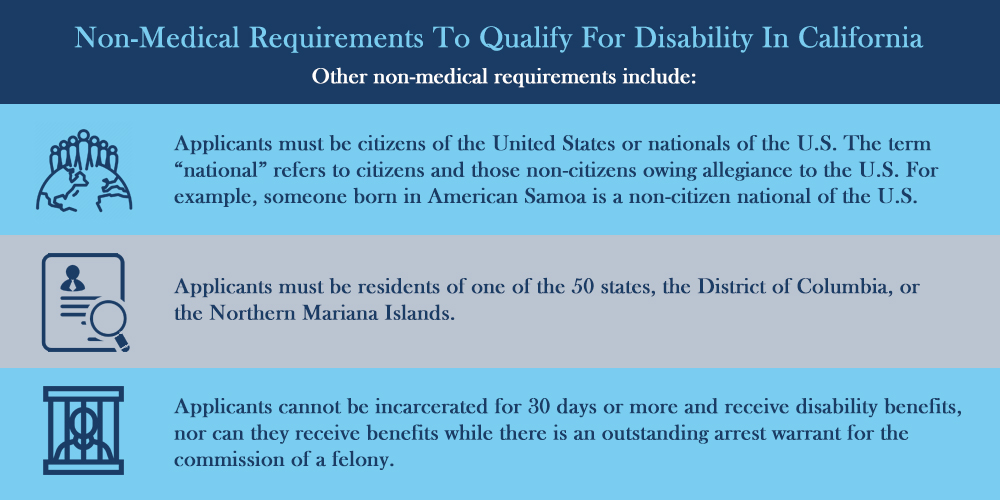
For long-term disability, applicants typically look to federal programs administered by the Social Security Administration. These include Social Security Disability Insurance (SSDI) and Supplemental Security Income (SSI). Social Security Disability Insurance (SSDI) is for those who have worked and paid Social Security taxes, accumulating sufficient “work credits.” Supplemental Security Income (SSI), on the other hand, is a needs-based program for individuals with limited income and resources, regardless of their work history. Both SSDI and SSI require a medical determination that you are unable to engage in substantial gainful activity due to a medically determinable physical or mental impairment that is expected to last for a continuous period of not less than 12 months or result in death. Understanding which program aligns with your work history and financial situation is paramount, influencing everything from your ability to afford specific accommodation to funding your next local culture exploration in Sacramento.
Eligibility and Application Essentials
The application process for disability benefits, whether state or federal, demands meticulous attention to detail. For California State Disability Insurance (SDI), you typically apply through the Employment Development Department (EDD). You’ll need medical certification from a licensed health professional confirming your inability to work. The application can usually be filed online, providing a relatively streamlined experience for those seeking temporary relief.
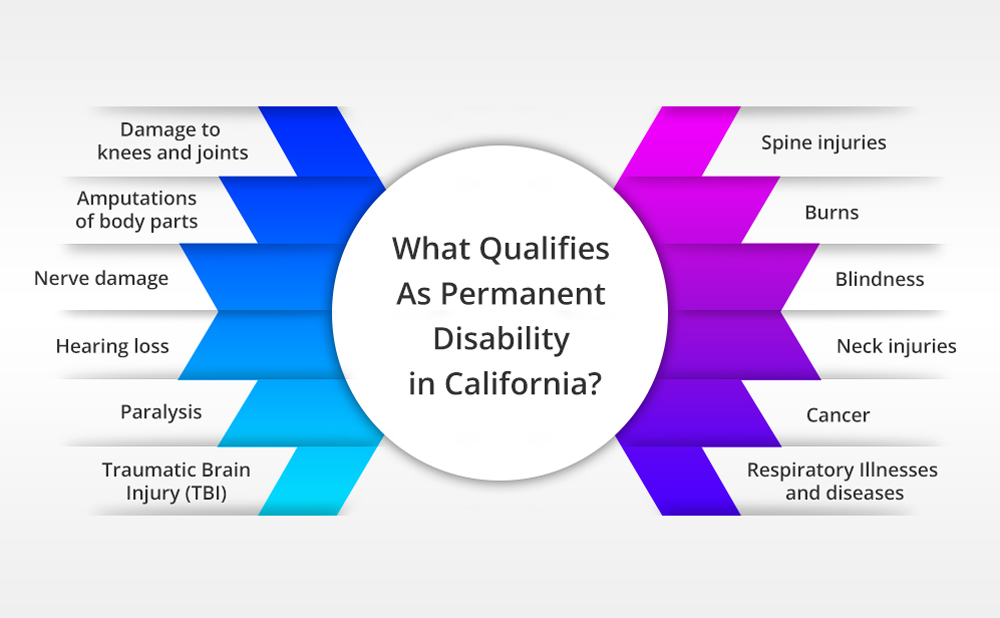
For federal benefits (SSDI and SSI), the process is more extensive. You can apply online, by phone, or in person at a local Social Security Administration office. The application requires detailed medical evidence, including diagnoses, treatment records, and statements from your doctors. It’s also critical to provide comprehensive information about your work history, educational background, and daily activities. The Social Security Administration maintains a strict definition of disability, focusing on your inability to perform substantial gainful activity. This often lengthy process can be complex, and many applicants find it beneficial to seek assistance from legal professionals specializing in disability law. Securing these benefits can open doors to a more stable lifestyle, enabling greater freedom to plan trips to destinations like the serene beaches of San Diego or the historical sites of Sacramento.
Planning Your California Lifestyle with Disability Considerations
Once you’ve navigated the application process or as you embark on it, thinking about how disability benefits integrate with your desired California lifestyle becomes key. California is renowned for its diverse offerings, and with careful planning, it can be fully enjoyed by everyone, including those with disabilities. From accessible accommodation options to barrier-free travel experiences, the state is making strides to ensure inclusivity.
Navigating Accommodation and Accessibility
Finding suitable accommodation is a top priority, whether you’re seeking a long-term residence or planning a vacation. Many hotels, resorts, and vacation rentals in California are compliant with the Americans with Disabilities Act (ADA), offering features like roll-in showers, grab bars, accessible routes, and communication aids. When booking, it’s essential to specifically inquire about Americans with Disabilities Act (ADA) compliant rooms and facilities. Major hotel chains in cities like San Francisco, Los Angeles, and San Diego often have excellent accessible options, from luxurious suites to comfortable apartments. For extended stays, exploring accessible apartments or specialized housing communities can provide peace of mind. Websites dedicated to accessible travel and housing can be invaluable resources, helping you find properties that meet specific needs, allowing for a comfortable and enjoyable stay, whether it’s a short city break or a long-term relocation. Considering the unique amenities of various resorts, like those in Palm Springs, can turn a simple trip into a luxurious and relaxing escape, made possible by secure benefits.
Exploring California’s Accessible Travel Destinations
California offers a plethora of accessible destinations, ensuring that disability does not have to be a barrier to experiencing the Golden State’s natural wonders and cultural attractions. Many of California’s most famous landmarks and attractions have made significant efforts to enhance accessibility.
In San Francisco, visitors can enjoy the iconic Golden Gate Bridge with accessible viewing points, explore the vibrant Fisherman’s Wharf, and navigate many of the city’s museums via accessible public transport. The city’s famous cable cars also offer limited accessibility. For those venturing to Los Angeles, Disneyland Park in Anaheim is a pioneer in accessible attractions, offering comprehensive guides for guests with disabilities. The Santa Monica Pier provides accessible pathways, and many of the city’s world-class museums, such as the Getty Center, are fully accessible. Universal Studios Hollywood also provides detailed accessibility information for its rides and attractions, ensuring a thrilling experience for everyone.
Nature lovers will be delighted to know that even some of California’s national parks, like Yosemite National Park, offer accessible trails, viewpoints, and lodging options. While some areas remain challenging due to rugged terrain, significant portions are designed to be enjoyed by all. Similarly, the serene beauty of Lake Tahoe features accessible beaches and boat tours. For a different kind of relaxation, the vineyards of Napa Valley offer accessible tasting rooms and tours, allowing everyone to savor California’s renowned wine country. These destinations not only promise incredible experiences but also showcase the evolving commitment to inclusive tourism in California. Planning ahead, utilizing accessible travel guides, and perhaps even engaging with specialized tour operators can transform your travel dreams into reality.
Resources and Support for a Fulfilling Life in California
Beyond financial benefits, California provides a robust network of resources designed to support individuals with disabilities, further enhancing their lifestyle and travel experiences. These resources can be instrumental in navigating daily life, accessing specialized services, and engaging with the community.
Beyond Benefits: Community and Support Networks
Living well in California involves more than just financial security; it’s about being part of a supportive community. Numerous non-profit organizations and state agencies, such as the California Department of Rehabilitation, offer a wide range of services, including vocational training, independent living programs, and assistive technology support. These services can significantly enhance one’s ability to participate in various aspects of life, from employment to leisure activities. Local independent living centers, found across the state, provide peer support, advocacy, and information and referral services, creating vital connections for individuals with disabilities. Engaging with these communities can provide invaluable tips on everything from finding accessible local culture events to discovering hidden accessible gems in your city.
Making the Most of Your California Experience
Understanding and securing disability benefits in California is a foundational step toward a life of stability and opportunity. With these benefits in place, individuals can confidently plan their financial future, which in turn empowers them to embrace the diverse experiences California has to offer. Whether it’s enjoying the luxury of a well-appointed accessible suite, embarking on a carefully planned accessible tour of the state’s famous landmarks, or simply enjoying the local amenities and culture, financial security provides the freedom to choose. California is not just a place to live; it’s a lifestyle. By proactively managing your disability application and understanding the available resources, you unlock the potential for a truly fulfilling and adventurous life in the Golden State.
Conclusion
Applying for disability in California is a significant undertaking, but it’s a process that can unlock a world of possibilities for an enriched lifestyle. By thoroughly understanding the state and federal programs, diligently preparing your application, and leveraging the extensive network of accessible resources, you pave the way for a more secure and independent future. This security, in turn, empowers you to immerse yourself in California’s incredible travel destinations, find comfortable and accessible accommodation, and experience the vibrant local culture without undue financial stress. California beckons with its promise of diverse experiences, and with the right support, everyone can answer its call and truly live life out of the box.
LifeOutOfTheBox is a participant in the Amazon Services LLC Associates Program, an affiliate advertising program designed to provide a means for sites to earn advertising fees by advertising and linking to Amazon.com. Amazon, the Amazon logo, AmazonSupply, and the AmazonSupply logo are trademarks of Amazon.com, Inc. or its affiliates. As an Amazon Associate we earn affiliate commissions from qualifying purchases.