
Navigating the healthcare landscape can often feel like charting an unfamiliar territory, and when it comes to accessing vital health insurance like Medicaid, understanding the application process is paramount. For residents of Nevada, the path to securing this essential coverage involves a series of clear steps, designed to assess eligibility and provide necessary support. This guide aims to demystify the Nevada Medicaid application process, offering an in-depth look at requirements, methods of application, and what to expect once your submission is in. Whether you are a long-time resident or new to the Silver State, this information is designed to empower you to access the healthcare you need.
Understanding Nevada Medicaid Eligibility
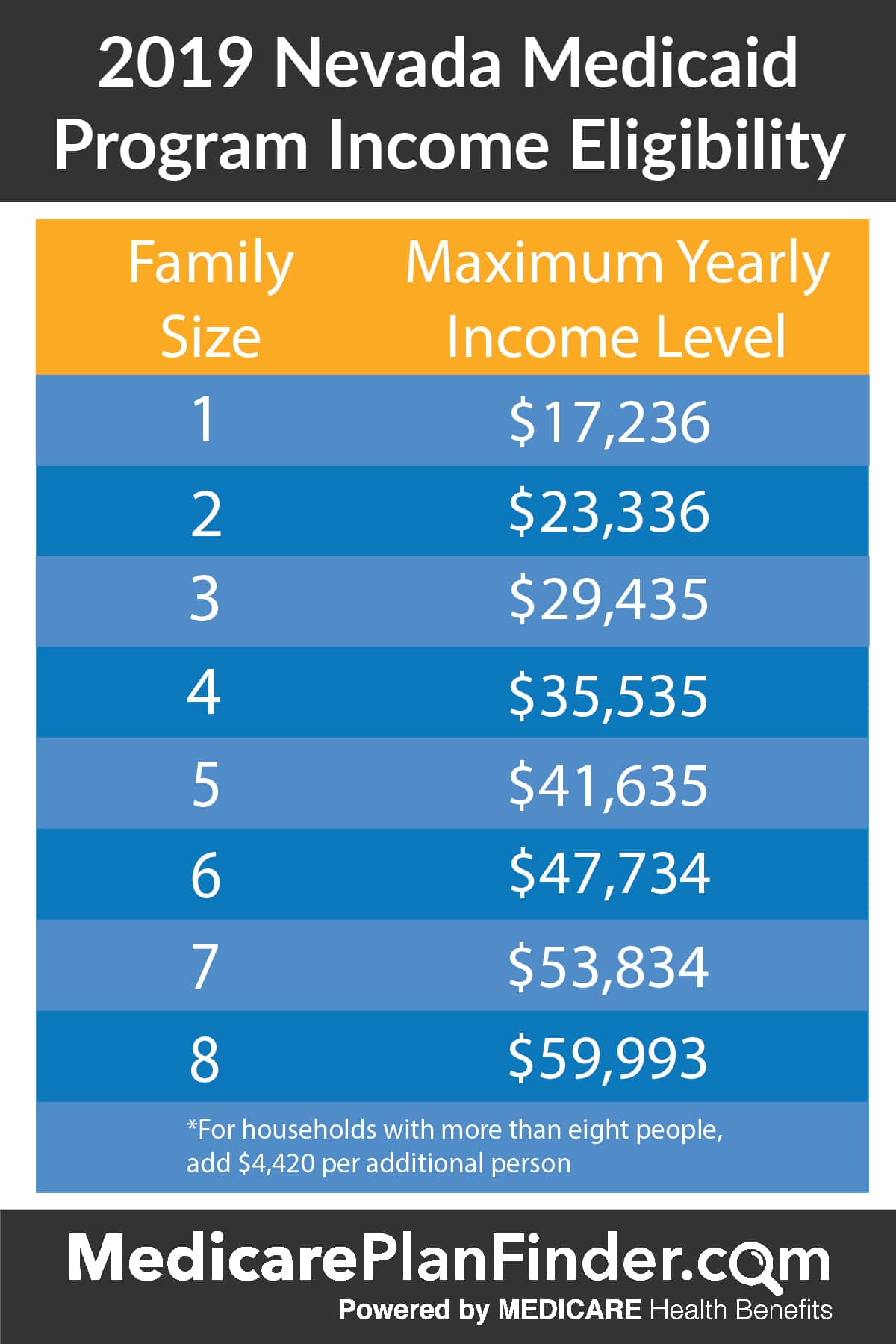
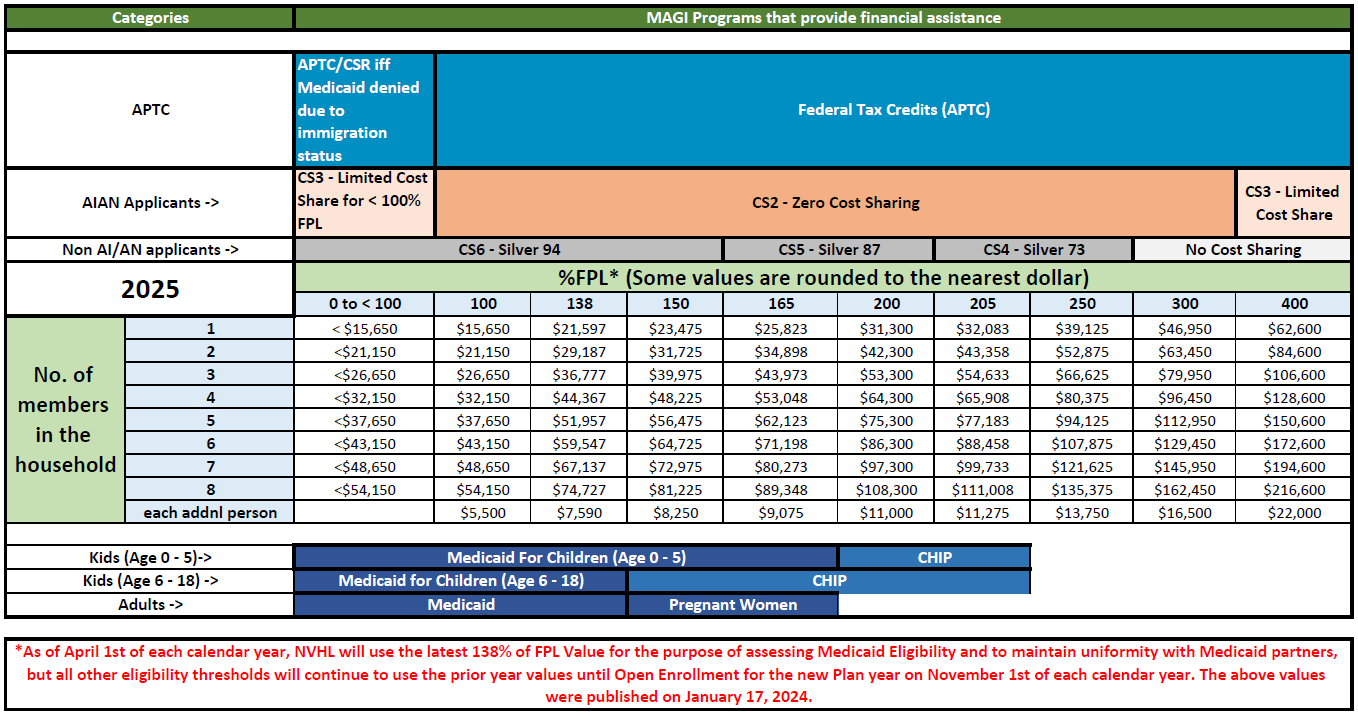
Before embarking on the application journey, it’s crucial to understand the foundational elements of Nevada Medicaid eligibility. The program is designed to provide health coverage to low-income individuals and families, as well as those with specific medical needs, regardless of income. Eligibility is determined by a combination of factors, including household size, income, age, disability status, and family status.
Key Eligibility Criteria
Nevada Medicaid serves a broad spectrum of individuals, with specific categories having defined requirements:
- Low-Income Families and Children: This is one of the largest groups served by Medicaid. Eligibility for families is generally based on a percentage of the Federal Poverty Level (FPL). Children in lower-income households are often eligible even if their parents are not.
- Pregnant Women: Pregnant individuals are a priority group, and eligibility often extends beyond typical income limits for other adults to ensure prenatal care.
- Elderly Individuals (Aged 65 and Older): Seniors who meet income and asset requirements can qualify for Nevada Medicaid, which can be crucial for covering healthcare costs in retirement, especially for long-term care needs.
- Individuals with Disabilities: Those who are unable to work due to a qualifying disability can be eligible for Medicaid, often in conjunction with or as an alternative to Supplemental Security Income (SSI).
- Adults Under 65: In Nevada, the state has expanded Medicaid coverage to include many adults who do not fit into the traditional categories, provided their income falls within certain limits. This expansion significantly broadens access to healthcare for a larger segment of the adult population.
It is important to note that while income is a primary factor, certain expenses can be deducted to determine countable income, potentially making more individuals eligible. These deductions can include medical expenses, child care costs, and other necessary work-related expenses. The Nevada Department of Health and Human Services provides detailed guidelines on specific income thresholds for each eligibility group.
Gathering Necessary Documentation
To accurately assess your eligibility, the Nevada Medicaid program will require specific documentation. Having these items prepared in advance can significantly streamline the application process.
- Proof of Identity and Citizenship/Residency: This typically includes a birth certificate, passport, or immigration documents.
- Proof of Income: Pay stubs, W-2 forms, tax returns, or letters from employers are generally required to verify income. For self-employed individuals, profit and loss statements or other business records may be needed.
- Proof of Assets (for certain categories): For programs with asset limits, such as those for the elderly or disabled, documentation of bank accounts, real estate, vehicles, and other significant assets will be requested.
- Medical Information: For disability-based eligibility, medical records, doctor’s statements, and disability certifications will be essential. For pregnant individuals, verification of pregnancy is necessary.
- Household Information: Social Security numbers for all household members applying for coverage, and potentially proof of relationships (e.g., marriage certificates, birth certificates for children).
Failing to provide complete and accurate documentation can lead to delays or denial of your application. It is advisable to contact the Nevada Department of Health and Human Services or consult their official website for the most up-to-date list of required documents.
Methods of Applying for Nevada Medicaid
Nevada offers multiple avenues for individuals to apply for Medicaid, catering to different preferences and accessibility needs. Understanding these options will help you choose the method that best suits your situation.
Online Application Through The Silver State Health Insurance Exchange (SSIIE)
The primary and often most efficient way to apply for Nevada Medicaid is through the state’s official health insurance marketplace, known as the Silver State Health Insurance Exchange (SSIIE). This online portal is designed to streamline the application process for various health coverage options, including Medicaid and the Nevada Check Up program for children.
- Create an Account: The first step is to visit the SSIIE website and create a secure user account.
- Complete the Application: You will be guided through a series of questions about your household, income, and medical needs. Be prepared to enter the information gathered in the documentation phase.
- Submit and Review: Once the application is complete, you will submit it electronically. The system will then assess your eligibility based on the information provided. You may be able to receive an initial determination of eligibility almost immediately.
- Verification and Further Information: If the online system cannot verify all necessary information automatically, you may be asked to upload supporting documents or be directed to an in-person office for further verification.
The SSIIE portal is available 24/7, allowing you to apply at your convenience. It also provides a centralized place to manage your application and view updates on its status.
Paper Applications and In-Person Assistance
For individuals who prefer not to apply online or who require additional assistance, paper applications and in-person support are available.
- Downloadable Forms: Application forms can typically be downloaded from the Nevada Department of Health and Human Services website. These forms can then be filled out manually and mailed or submitted in person.
- Local Welfare Offices: The Nevada Department of Health and Human Services operates local offices throughout the state. You can visit these offices to pick up application forms, receive assistance in completing them, and submit them directly to caseworkers. These offices are staffed with trained professionals who can answer your questions and guide you through the process.
- Community Partners and Outreach: Nevada also works with various community organizations and outreach programs that can assist individuals with their Medicaid applications. These partners often provide free assistance and can help overcome language barriers or other challenges. Information on these partners can usually be found on the SSIIE or Department of Health and Human Services websites.
When applying in person or via paper forms, it is highly recommended to bring all your supporting documentation with you. This will help ensure that your application is as complete as possible from the outset.
What to Expect After Applying
Once your Medicaid application has been submitted, a period of review and processing will follow. Understanding this post-application phase can help manage expectations and ensure you are prepared for the next steps.
Processing and Determination
The Nevada Department of Health and Human Services is responsible for reviewing all submitted applications. The timeframe for this review can vary depending on the volume of applications received and the complexity of your case.
- Initial Review: An initial review will determine if your application is complete and if all necessary documentation has been provided. If information is missing, you will typically be contacted with a request for the outstanding items.
- Eligibility Determination: Based on the submitted information and documentation, caseworkers will determine your eligibility for Nevada Medicaid. This determination will be based on the state’s specific eligibility rules and federal guidelines.
- Notification of Decision: You will receive a formal notification of the decision on your application, either by mail or through your SSIIE account. This notification will state whether your application has been approved or denied. If approved, it will specify the type of coverage you have been granted. If denied, it will explain the reasons for the denial and outline your rights to appeal the decision.
The processing time can range from a few weeks to a couple of months, especially if your case requires more in-depth investigation or if there are many applications being processed simultaneously.
Appeals Process for Denied Applications
If your Nevada Medicaid application is denied, you have the right to appeal this decision. The appeals process provides an opportunity to have your case re-evaluated.
- Understanding the Denial: Carefully read the denial letter to understand the specific reasons for the rejection. This will help you prepare your appeal. Common reasons for denial include exceeding income limits, insufficient documentation, or not meeting specific program criteria.
- Requesting a Fair Hearing: The denial letter will provide instructions on how to request a fair hearing. This is a formal process where you can present your case to an administrative law judge. You will typically have a limited timeframe, often 30 days, to request this hearing after receiving the denial notice.
- Gathering Evidence for Appeal: If you decide to appeal, gather any additional evidence that supports your eligibility. This could include updated income statements, medical records, or letters from doctors and employers.
- Participating in the Hearing: At the fair hearing, you will have the opportunity to present your case, explain why you believe the initial decision was incorrect, and submit your evidence. You can represent yourself, or you may choose to have an attorney or advocate assist you.
- Decision After Hearing: After the hearing, the judge will issue a decision. This decision will either uphold the original denial or overturn it, granting you Medicaid coverage.
Navigating the appeals process can be challenging, and it is often beneficial to seek assistance from legal aid societies or advocacy groups that specialize in healthcare access. They can provide guidance and support throughout the appeal.
Applying for Nevada Medicaid is a structured process designed to ensure that those in need can access essential healthcare services. By understanding the eligibility requirements, choosing the most convenient application method, and knowing what to expect after submission, residents can navigate this system with greater confidence and secure the health coverage they deserve.
LifeOutOfTheBox is a participant in the Amazon Services LLC Associates Program, an affiliate advertising program designed to provide a means for sites to earn advertising fees by advertising and linking to Amazon.com. Amazon, the Amazon logo, AmazonSupply, and the AmazonSupply logo are trademarks of Amazon.com, Inc. or its affiliates. As an Amazon Associate we earn affiliate commissions from qualifying purchases.