
Applying for Section 8 housing assistance in Florida, officially known as the Housing Choice Voucher Program, is a crucial step for many individuals and families seeking affordable and safe accommodation. This program, administered by the U.S. Department of Housing and Urban Development (HUD), aims to provide rental assistance to low-income households, allowing them to secure housing in the private market. While the core principles of Section 8 are consistent nationwide, the application process and specific details can vary slightly depending on the local Public Housing Agency (PHA) managing the program in different counties and cities across the Sunshine State. This guide will walk you through the essential steps and considerations for applying for Section 8 in Florida, focusing on understanding eligibility, the application process, and what to expect once you’ve applied.
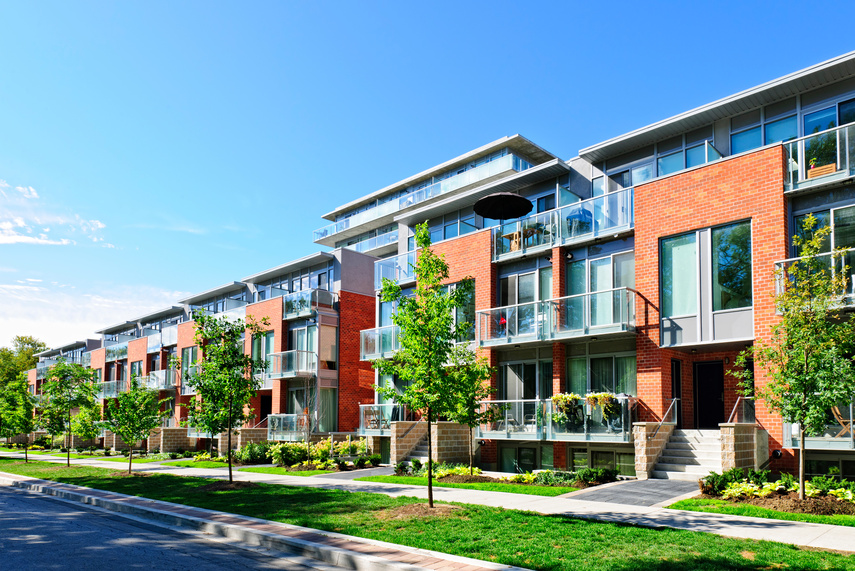
The Housing Choice Voucher Program is designed to empower individuals to choose their own housing, whether it’s an apartment, a house, or even a townhouse, from any landlord willing to participate in the program. The assistance is provided in the form of a voucher, which covers a portion of the monthly rent, typically the difference between 30% of the household’s adjusted income and the Fair Market Rent (FMR) set by HUD for a particular area. This allows families to live in areas they might not otherwise be able to afford, potentially offering access to better schools, employment opportunities, and safer neighborhoods.
Understanding the eligibility criteria is the first and most critical step in the application process. The program prioritizes very low-income families, the elderly, and individuals with disabilities. There are specific income limits set by HUD, which are based on the median income for the specific metropolitan area or county in which you are applying. These limits are adjusted annually and can differ significantly from one region of Florida to another. For instance, the income limits in Miami-Dade County might be different from those in more rural areas of North Florida.
Understanding Eligibility Requirements
To be eligible for Section 8 in Florida, applicants must meet several key criteria beyond income. These include citizenship or eligible immigration status, as well as residency within the jurisdiction of the PHA to which you are applying. While you can use your voucher anywhere in the United States where a participating PHA exists, you typically need to apply through the PHA that serves the area where you currently reside.
Income Limits: As mentioned, the most significant factor is your household income. PHAs use a percentage of the Area Median Income (AMI) to determine income eligibility. Generally, very low-income families must earn less than 50% of the AMI, and extremely low-income families must earn less than 30% of the AMI. These percentages can be adjusted by HUD based on local economic conditions. It’s essential to check the specific income limits for the PHA in your desired county, as these figures are updated regularly. Websites for PHAs often provide detailed charts or calculators to help you determine if you fall within the eligible income bracket.
Family Composition: The size and composition of your household also play a role. The voucher amount is determined based on the number of bedrooms needed for your family, which is generally based on HUD guidelines for family size. For example, a single individual might be allocated a voucher for a studio or one-bedroom unit, while a family of four might qualify for a two or three-bedroom voucher. PHAs have specific definitions for what constitutes a family for the purpose of the program.
Citizenship and Immigration Status: Applicants must be U.S. citizens or have eligible immigration status. PHAs will require documentation to verify this status.
Residency: While you can move anywhere with your voucher, initial application often requires you to be a resident of the specific PHA’s jurisdiction. This means if you live in Orange County, you would typically apply through the Orlando Housing Authority or the PHA that serves that county.
Criminal Background: PHAs will conduct background checks, including criminal history. Certain felony convictions, particularly those involving drug-related offenses or violent crimes, may disqualify an applicant. Each PHA has its own specific policies regarding criminal background screening.
The Application Process: Step-by-Step
The application process for Section 8 in Florida can seem daunting, but by breaking it down into manageable steps, it becomes more straightforward. The primary method of application is typically through the local PHA.
Step 1: Identify Your Local Public Housing Agency (PHA)
The first and most crucial step is to find the PHA that serves your county or city. Florida has numerous PHAs, each responsible for administering the Housing Choice Voucher Program within its specific geographic area. You can find a comprehensive list of PHAs in Florida on the HUD website, or by searching online for “[your county name] Public Housing Agency” or “[your city name] Housing Authority.” For example, if you are looking for housing assistance in Tampa, you would search for the Tampa Housing Authority.
Step 2: Check for Open Waiting Lists
A significant challenge in applying for Section 8 is that waiting lists are often closed due to high demand. PHAs periodically open their waiting lists to accept new applications. It is vital to stay informed about when these lists will open. Many PHAs announce openings on their websites, through local news outlets, or via community outreach programs. Some PHAs maintain a notification system where you can sign up to be alerted when the waiting list opens. Applying as soon as the list opens is often recommended to increase your chances of being selected.
Step 3: Complete the Application Form
Once the waiting list is open, you will need to obtain and complete an application form. These forms are usually available online on the PHA’s website, or you can pick one up in person at the PHA’s office. The application will require detailed information about your household, including:

- Personal Information: Names, dates of birth, and Social Security numbers for all household members.
- Income Information: Details on all sources of income, including wages, benefits, pensions, and any other financial assistance. You will likely need to provide supporting documentation such as pay stubs, benefit statements, and tax returns.
- Asset Information: Details about any savings, investments, or other assets your household may possess.
- Family Composition: Information on the number of family members and their relationship to the head of household.
- Previous Addresses: A history of where you have lived.
- Reason for Needing Assistance: You may be asked to explain your situation.
It is imperative to fill out the application accurately and completely. Any errors or omissions can lead to delays or even disqualification. It is also advisable to keep copies of all submitted documents for your records.
Step 4: Submit Your Application and Documentation
After completing the application, you will need to submit it along with all required supporting documents. The PHA will specify the acceptable forms of documentation. This typically includes:
- Proof of identity (e.g., driver’s license, state ID)
- Proof of citizenship or eligible immigration status
- Proof of income (e.g., recent pay stubs, Social Security award letters, unemployment benefits statements)
- Birth certificates for all household members
- Social Security cards for all household members
- Any other documents requested by the PHA
Submission methods vary by PHA; some accept online applications, while others require mail-in or in-person submissions.
Step 5: Attend an Interview and Verification Process
If your application is selected from the waiting list, you will be contacted by the PHA to schedule an interview. This interview is a crucial part of the verification process. During the interview, a PHA representative will review your application, verify the information you provided, and collect any additional documentation needed. This is also an opportunity for you to ask any questions you may have about the program. You may need to provide updated income information or other documents at this stage.
Step 6: Receive a Voucher and Search for Housing
Once you are deemed eligible and selected from the waiting list, you will be issued a voucher. This voucher specifies the size of the unit your family qualifies for and the maximum rent that the PHA will pay. You will then have a limited time, typically 60 days, to find a suitable housing unit. You are free to search for apartments, houses, or other rental properties in any neighborhood within the PHA’s jurisdiction, or even in other participating jurisdictions if the PHA allows portability.
When you find a place you like, you will need to have the landlord complete a Request for Tenancy Approval (RFTA) form. The PHA will then inspect the unit to ensure it meets HUD’s safety and quality standards. If the unit passes inspection and the rent is approved by the PHA, you will sign a lease agreement with the landlord, and the PHA will begin paying its portion of the rent directly to the landlord. You will be responsible for paying your portion of the rent, which is typically 30% of your adjusted gross income.
Navigating the Waiting List and What to Expect
The waiting list for Section 8 in Florida can be notoriously long. Due to the high demand and limited funding, some PHAs have waiting lists that can span years. This can be a source of frustration and anxiety for applicants.
Factors Affecting Wait Times:
- Funding Availability: The number of vouchers allocated to a PHA is dependent on federal funding, which can fluctuate annually.
- Local Demand: Areas with a higher cost of living and a larger population of low-income individuals tend to have longer waiting lists.
- PHA Efficiency: The efficiency of a PHA in processing applications and managing its programs can also impact wait times.
Tips for Managing the Wait:
- Stay Informed: Regularly check the PHA’s website and communicate with them to stay updated on your status.
- Update Your Information: If your contact information or household circumstances change, inform the PHA immediately. Failure to do so could result in you being removed from the waiting list.
- Consider Other Housing Options: While waiting for Section 8, explore other affordable housing programs or resources available in your area.
- Be Patient and Persistent: The process requires a great deal of patience. Don’t give up if you don’t hear back immediately.
Life After Receiving a Voucher:
Once you receive a voucher, the search for housing begins. It’s important to work closely with your PHA during this phase. They can often provide lists of participating landlords or properties that are accepting vouchers. Remember that you have the freedom to choose your own housing, but the property must meet certain standards and the rent must be within the FMR for your voucher size. Landlords are not obligated to accept Section 8 vouchers, which can sometimes make the search challenging. However, many landlords recognize the reliability of rental payments from PHAs.
The Housing Choice Voucher Program in Florida offers a vital lifeline for many families and individuals struggling with housing affordability. By understanding the eligibility requirements, meticulously following the application process, and staying informed about waiting list updates, you can successfully navigate your journey to obtaining this essential housing assistance. While the path may require patience, the prospect of securing safe, affordable housing makes the effort worthwhile.
LifeOutOfTheBox is a participant in the Amazon Services LLC Associates Program, an affiliate advertising program designed to provide a means for sites to earn advertising fees by advertising and linking to Amazon.com. Amazon, the Amazon logo, AmazonSupply, and the AmazonSupply logo are trademarks of Amazon.com, Inc. or its affiliates. As an Amazon Associate we earn affiliate commissions from qualifying purchases.