
Embarking on a career as a home inspector in Texas offers a rewarding path for those with a keen eye for detail, a passion for real estate, and a desire to help others make significant investments with confidence. This profession demands a unique blend of technical knowledge, communication skills, and an understanding of the complex systems that make a house a home. Texas, with its dynamic real estate market and diverse housing stock, presents a fertile ground for aspiring home inspectors. The journey involves understanding the regulatory landscape, acquiring the necessary education and licensing, and developing the practical skills that define a competent inspector.

Understanding the Role and Requirements in Texas
A home inspector’s primary role is to provide an objective visual examination of the physical structure and systems of a house, from the roof to the foundation. This examination is designed to identify significant defects, potential issues, and safety concerns that might not be apparent to the average homebuyer. The findings are then compiled into a comprehensive report, serving as a crucial decision-making tool for clients, whether they are purchasing, selling, or maintaining a property.
In Texas, the profession is regulated by the Texas Department of Licensing and Regulation (TDLR). To legally operate as a home inspector in the state, individuals must obtain a professional license. This licensing process ensures that inspectors meet a minimum standard of competency and adhere to ethical practices.
Licensing Pathways in Texas
The TDLR outlines specific requirements for obtaining a home inspector license. There are generally two primary pathways to licensure:
1. Education and Examination Route
This is the most common route for individuals new to the profession. It involves completing a state-approved education program followed by passing a licensing examination.
-
Approved Education: Aspiring inspectors must complete a minimum of 192 hours of qualifying education from a TDLR-approved pre-licensing education provider. This curriculum covers a broad spectrum of topics essential for effective home inspection, including:
- Structure and foundation systems
- Roofing materials and systems
- Electrical systems and components
- Plumbing systems and fixtures
- Heating, ventilation, and air conditioning (HVAC) systems
- Insulation and ventilation
- Interior and exterior finishes
- Safety hazards and building codes
- Report writing and professional ethics
-
Examination: Upon successful completion of the education program, candidates must pass the Texas home inspector licensing examination. This exam is designed to assess the applicant’s knowledge of inspection principles, practices, and relevant laws and regulations. The TDLR contracts with a third-party testing service to administer the exam.
2. Experience and Examination Route
For individuals with a background in related construction or inspection fields, there may be an alternative pathway that allows for substituting some of the educational requirements with documented experience.
- Documented Experience: This route typically requires a significant amount of supervised or documented work experience in areas such as construction, building inspection, or a related trade. The specific amount and type of experience required are detailed by the TDLR and may vary.
- Examination: Similar to the education route, candidates must still pass the Texas home inspector licensing examination to demonstrate their competency.
Regardless of the chosen pathway, all applicants must also meet general eligibility requirements, which often include being at least 18 years old, possessing a high school diploma or GED, and not having a criminal history that would disqualify them from licensure. Background checks are a standard part of the application process.
The Education and Training Process
The 192 hours of pre-licensing education are foundational. These courses are typically delivered by accredited schools or institutions that have been approved by the TDLR. The curriculum is meticulously designed to equip future inspectors with the knowledge necessary to conduct thorough and accurate inspections.
Core Curriculum Components
The educational modules delve deeply into the various components of a residential property. Inspectors learn to identify the materials used, understand how systems function, and recognize common failure points or signs of wear and tear.
- Structural Integrity: This includes understanding load-bearing walls, foundations (slab, pier and beam, basement), framing techniques, and potential issues like settling, cracks, or water damage.
- Exterior Systems: Knowledge of roofing materials (shingles, metal, tile), flashing, gutters, drainage, siding, windows, doors, and decks is crucial. Inspectors learn to spot leaks, deterioration, and improper installation.
- Interior Systems: This encompasses plumbing (supply and drain lines, fixtures, water heaters), electrical systems (wiring, panels, outlets, safety devices), HVAC (furnaces, air conditioners, ductwork), insulation, ventilation, and interior finishes like drywall, flooring, and cabinetry.
- Safety and Compliance: A significant portion of the training focuses on identifying safety hazards, such as faulty wiring, gas leaks, improper ventilation, or tripping hazards. Understanding relevant building codes, even if not directly enforceable during an inspection, provides a benchmark for assessing conditions.
- Report Writing and Ethics: Mastering the art of clear, concise, and objective report writing is paramount. Inspectors must learn to document their findings accurately, using language that is easily understood by clients. Ethical considerations, including conflict of interest, impartiality, and professional conduct, are also heavily emphasized.
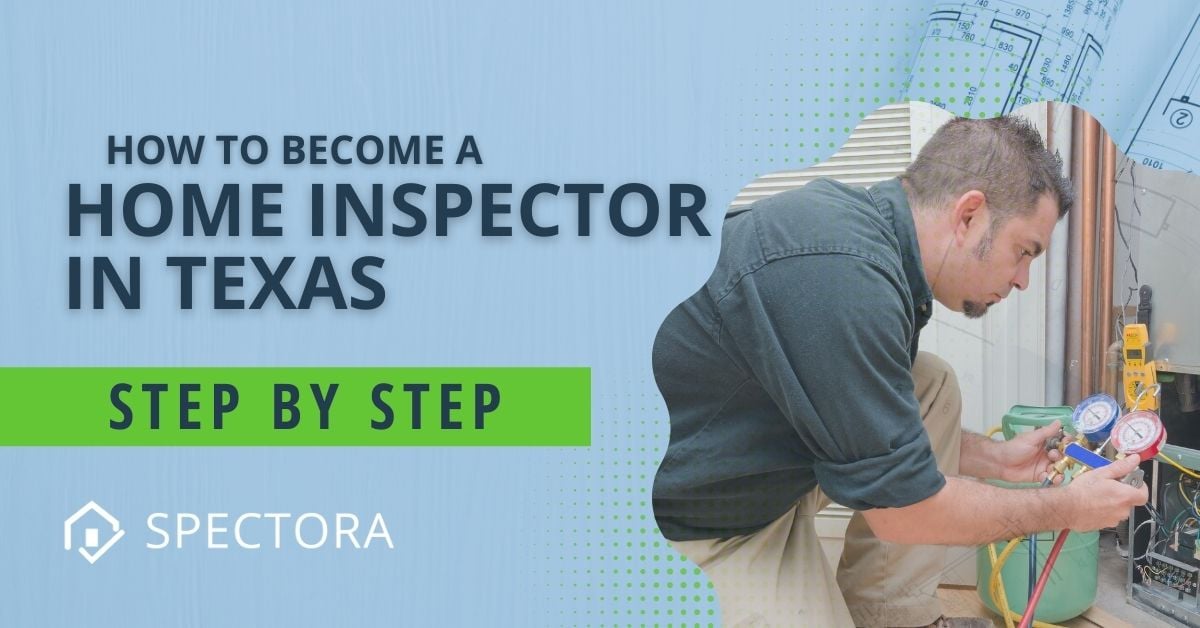
Hands-On Training and Field Experience
While classroom education provides theoretical knowledge, practical experience is where this knowledge is applied. Some pre-licensing programs may incorporate limited field training or simulations. However, the real hands-on experience often begins after licensure, either through mentorship or by conducting inspections independently. The TDLR requires licensed inspectors to adhere to Standards of Practice, which outline the minimum requirements for conducting an inspection.
Passing the Exam and Obtaining Your License
Once the educational requirements are met, the next critical step is passing the TDLR licensing exam. This standardized test ensures that all licensed inspectors possess a consistent level of knowledge and understanding.
Preparing for the Examination
Thorough preparation is key to success on the licensing exam. Candidates should:
- Review Course Materials: Revisit notes, textbooks, and any practice materials provided during the pre-licensing education.
- Utilize Practice Exams: Many approved education providers offer practice exams that mimic the format and difficulty of the actual test. These are invaluable for identifying areas of weakness.
- Understand Exam Format: The exam typically consists of multiple-choice questions covering a wide range of topics. Familiarizing yourself with the types of questions and the time constraints can reduce anxiety.
- Focus on Key Areas: Pay special attention to topics like structural integrity, electrical systems, plumbing, HVAC, and report writing, as these are frequently tested.
The Application and Licensing Process
After passing the exam, candidates can submit their formal license application to the TDLR. This application will require proof of education completion, exam results, and payment of applicable fees. Background checks are an integral part of this process.
Once the application is approved and all requirements are met, the TDLR will issue the home inspector license. This license is typically valid for a specified period and requires renewal, which usually involves continuing education and adherence to professional standards.
Building Your Career as a Home Inspector in Texas
Obtaining a license is the gateway to a career, but building a successful practice involves more than just the credential. It requires dedication to continuous learning, exceptional client service, and effective business practices.
Developing Your Skills and Expertise
The field of home inspection is constantly evolving, with new materials, technologies, and building practices emerging. To remain competitive and provide the highest level of service, inspectors should:
- Pursue Continuing Education: Beyond the minimum requirements for license renewal, engage in advanced training on specific topics like mold inspection, infrared thermography, or structural engineering principles.
- Join Professional Organizations: Membership in organizations like the American Society of Home Inspectors (ASHI) or the International Association of Certified Home Inspectors (InterNACHI) provides access to resources, networking opportunities, and continuing education credits.
- Stay Updated on Codes and Standards: Familiarize yourself with the latest versions of the International Residential Code (IRC) and other relevant standards that influence construction and safety.
Building a Business and Client Base
Many home inspectors choose to work independently or start their own inspection companies. This requires developing business acumen alongside technical skills.
- Marketing and Networking: Establish relationships with real estate agents, mortgage brokers, and builders who can refer clients. Develop a professional website and utilize social media to showcase your services.
- Client Communication: Excellent communication skills are vital. Be prepared to explain your findings clearly and answer client questions patiently and thoroughly. Your ability to build trust and rapport is a significant factor in client satisfaction and referrals.
- Insurance and Liability: Ensure you have adequate professional liability insurance (errors and omissions insurance) to protect yourself and your business from potential claims.
- Invest in Tools and Technology: A comprehensive home inspection requires specialized tools, including moisture meters, voltage testers, carbon monoxide detectors, and potentially advanced equipment like thermal cameras.

The Importance of Objectivity and Ethics
As a home inspector, you are an impartial third party. Your role is to provide an objective assessment of the property’s condition, free from bias or influence from any party involved in the transaction. Upholding the highest ethical standards is paramount to building a reputable and trusted inspection service. This means conducting thorough inspections, reporting findings accurately and without exaggeration, and maintaining confidentiality.
The journey to becoming a home inspector in Texas is a structured and rewarding one. By understanding the licensing requirements, dedicating yourself to comprehensive education and training, and committing to professional excellence, you can establish a fulfilling career that plays a vital role in the Texas real estate landscape.
LifeOutOfTheBox is a participant in the Amazon Services LLC Associates Program, an affiliate advertising program designed to provide a means for sites to earn advertising fees by advertising and linking to Amazon.com. Amazon, the Amazon logo, AmazonSupply, and the AmazonSupply logo are trademarks of Amazon.com, Inc. or its affiliates. As an Amazon Associate we earn affiliate commissions from qualifying purchases.