
Embarking on a journey to become a resident of New York is a dream for many, fueled by the city’s unparalleled energy, diverse culture, and endless opportunities. Whether you are drawn to the iconic skyline of Manhattan, the vibrant neighborhoods of Brooklyn, the historic charm of Queens, the cultural hub of the Bronx, or the suburban feel of Staten Island, establishing residency in the Empire State involves understanding its unique landscape and fulfilling specific requirements. This guide delves into the multifaceted process of transitioning from a visitor to a legitimate resident of this dynamic global metropolis, focusing on the practicalities and the essential steps that pave the way for a fulfilling life in New York.
Understanding Residency Requirements
To legally be considered a resident of New York, you must demonstrate a clear intent to make the state your permanent home. This isn’t merely about spending time within its borders; it’s about establishing roots and aligning your life with the state’s regulations. The primary indicators of residency are where you physically reside, where you pay taxes, and where you engage in everyday activities. The state defines residency for various purposes, including taxation, voting, obtaining a driver’s license, and accessing state services.
Establishing Domicile
Domicile is a legal term referring to your permanent legal home. It’s the place where you intend to return whenever you are away. For New York, establishing domicile is crucial. This involves more than just having a mailing address; it means your primary abode and where you intend to live indefinitely. Factors considered by the state include:
- Physical Presence: The amount of time you spend in New York compared to other states is a significant factor. While there’s no strict minimum number of days, a substantial presence indicates an intent to reside.
- Intent: This is the most critical element. You must intend for New York to be your permanent home. This intent can be demonstrated through various actions, such as securing long-term housing, registering to vote, obtaining a New York driver’s license, and filing New York tax returns.
- Primary Abode: Your domicile is generally considered the place that is your principal residence, where you live and sleep most of the time.
Key Indicators of Residency
To solidify your status as a New York resident, consider the following actions:
- Securing Long-Term Housing: This can range from signing a lease for an apartment in areas like Greenwich Village or DUMBO, to purchasing a co-op on the Upper East Side, or even establishing a long-term rental in a suburban town. Having a permanent address where you receive mail and conduct personal affairs is fundamental.
- Obtaining a New York Driver’s License or State ID: Surrendering your out-of-state driver’s license for a New York one is a strong indicator of your intent to reside. This often requires proof of identity, social security number, and your new New York address.
- Registering to Vote: Registering to vote in New York elections is a powerful legal declaration of your residency.
- Filing New York State Taxes: When you file your income tax returns, designating New York as your state of residence is a definitive step. This includes both state and local taxes.
- Enrolling Children in New York Schools: If you have children, enrolling them in public or private schools within New York demonstrates a commitment to remaining in the state long-term.
- Opening Bank Accounts in New York: Establishing financial ties within the state, such as opening checking and savings accounts with New York-based banks, further supports your residency claim.
- Transferring Professional Licenses: If your profession requires a license, transferring it to New York signals your intention to practice your career within the state.
Navigating the Practicalities of Relocation
Becoming a resident involves more than just legal declarations; it requires a strategic approach to settling into your new life. This includes finding a suitable place to live, managing your finances, and integrating into the community.
Finding Your New York Home
The housing market in New York is diverse and competitive, offering options for every budget and lifestyle.
- Apartments: The quintessential New York living experience is often found in apartments. Neighborhoods across the five boroughs offer distinct vibes, from the bustling streets of Times Square to the trendy enclaves of Williamsburg. Rental prices vary significantly based on location, size, and amenities.
- Co-ops and Condominiums: For those seeking to invest in their New York future, co-ops and condos offer ownership opportunities. These are particularly prevalent in established neighborhoods like Upper West Side and parts of Queens.
- Suburban Living: If the intensity of the city is not for you, consider the suburban areas surrounding New York City. Towns in Westchester County or Long Island offer a more tranquil lifestyle while still providing convenient access to the city’s attractions and job markets.
- Temporary Housing Options: While you’re in the process of finding a permanent residence, short-term apartments, extended-stay hotels, or even furnished apartments can provide a comfortable base as you explore different neighborhoods.
Financial Considerations
Relocating to New York involves financial planning. The cost of living can be high, so understanding your budget is paramount.
- Budgeting: Create a detailed budget that accounts for rent or mortgage, utilities, transportation, food, and entertainment. New York City is known for its high rental costs, especially in desirable neighborhoods like SoHo or Chelsea.
- Employment: If you are moving without a job, actively seeking employment before or immediately upon arrival is crucial. New York offers a vast array of industries, from finance on Wall Street to arts and culture in Lincoln Center.
- Banking: Open a New York-based bank account to manage your finances efficiently and to further establish your residency.
Transportation and Commuting
Understanding New York‘s extensive public transportation system is essential for daily life.
- The MTA: The Metropolitan Transportation Authority (MTA) operates the subways, buses, and commuter rails that connect the boroughs and surrounding areas. A MetroCard or OMNY (One Metro New York) is your key to navigating the city.
- Driving: While driving is an option, it often comes with challenges such as traffic congestion and expensive parking, particularly in Manhattan. Many residents opt to rely on public transport.
- Walking and Biking: Many New York neighborhoods are highly walkable, and cycling is becoming an increasingly popular and practical way to get around.
Legal and Administrative Steps

Beyond the practical aspects, certain legal and administrative steps are necessary to formalize your residency.
Changing Your Address and Forwarding Mail
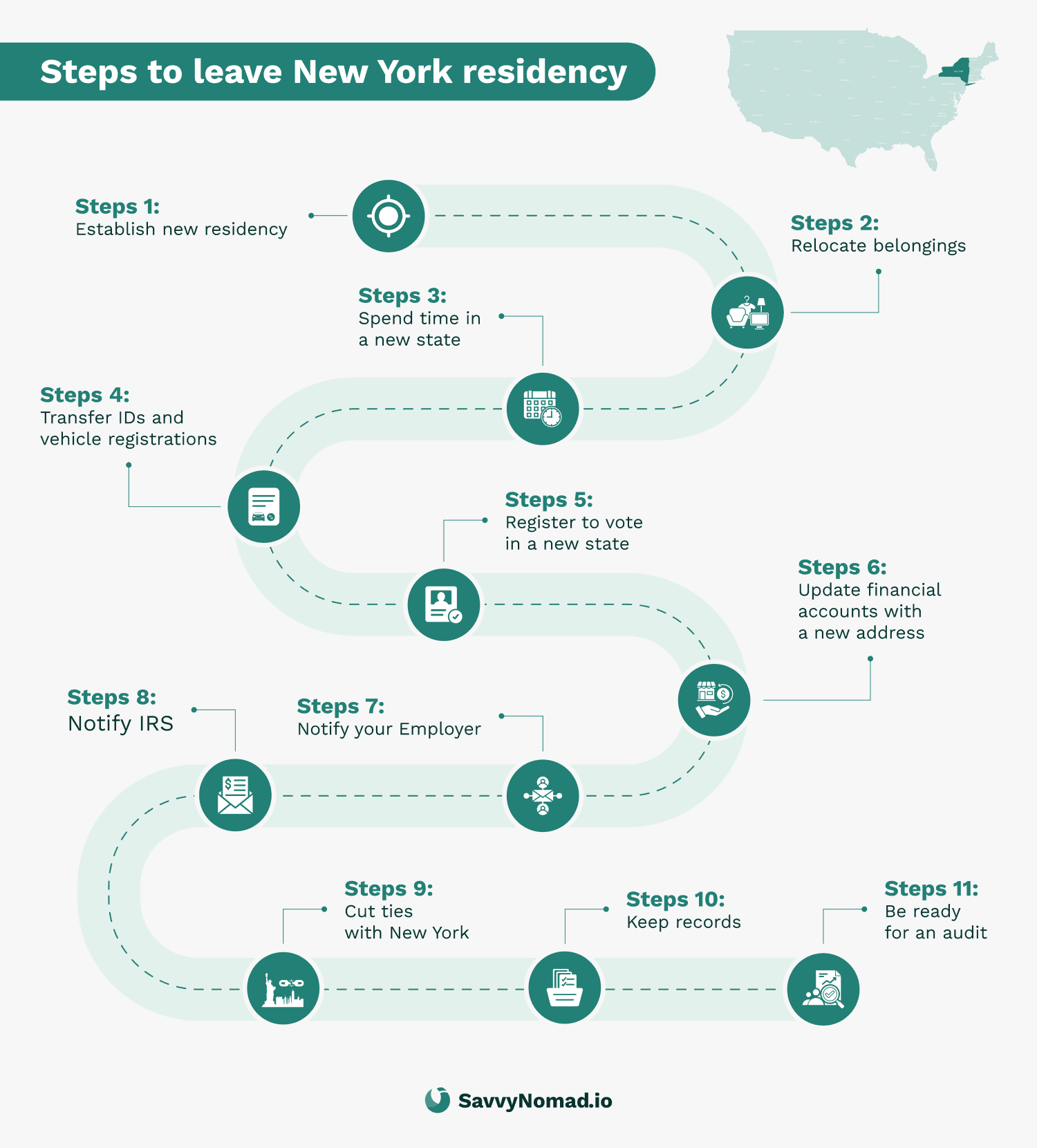
A crucial early step is to officially change your address with the United States Postal Service (USPS). This ensures that your mail is forwarded to your new New York address, which is vital for receiving important documents, bills, and correspondence. Update your address with all relevant institutions, including banks, credit card companies, employers, and any subscription services you use.
Driver’s License and Vehicle Registration
If you plan to drive in New York, you will need to obtain a New York State driver’s license and register your vehicle within a specified timeframe after establishing residency. The New York State Department of Motor Vehicles (DMV) handles these processes. You will typically need to provide proof of identity, residency, and your social security number. If you are bringing a vehicle from another state, it will need to be inspected and registered in New York.
Voting Registration
To participate in the democratic process and have a say in local and state governance, registering to vote is essential. You can register online, by mail, or in person at your local board of elections. Your New York address will be required for this process.
Tax Obligations
As a resident of New York, you are subject to state and local income taxes. It is important to understand the filing requirements and deadlines for New York State taxes. If you move from another state, you may need to file final tax returns in your previous state of residence while establishing your tax obligations in New York. Consulting with a tax professional can be beneficial to ensure compliance.
Healthcare and Insurance
Securing New York-based health insurance is a critical step for any new resident. If your employer provides health insurance, ensure it is valid in New York. If you are self-employed or your employer does not offer coverage, you can explore options through the New York State of Health marketplace or private insurance providers. It’s also advisable to find new healthcare providers, such as doctors and dentists, within New York.
Embracing the New York Lifestyle
Becoming a resident is not just about fulfilling requirements; it’s about immersing yourself in the unique culture and opportunities that New York offers.
Exploring Neighborhoods
Each of New York‘s neighborhoods has its own distinct character, from the artistic vibe of Greenwich Village to the historic streets of Harlem and the diverse culinary scene of Jackson Heights. Take the time to explore these areas to find your favorite spots and understand the fabric of the city.
Engaging with Local Culture
New York is a global hub for arts, culture, and entertainment. Attend performances at the Metropolitan Opera, catch a show on Broadway, visit world-renowned museums like the Metropolitan Museum of Art or the Museum of Modern Art (MoMA), or explore the vibrant music scene in clubs across the city.
Building Community
New York can feel overwhelming, but building a sense of community is key to feeling at home. Join local clubs, volunteer for causes you care about, attend neighborhood events, or connect with people through shared interests. From the bustling Union Square Farmer’s Market to local sports teams like the New York Yankees and New York Knicks, there are countless ways to connect.

Experiencing the Culinary Scene
New York is a paradise for food lovers. From Michelin-starred restaurants to street food vendors, the city offers an unparalleled culinary journey. Explore the diverse ethnic enclaves for authentic flavors, indulge in classic New York bagels and pizza, and discover the latest gastronomic trends.
Becoming a resident of New York is a significant undertaking that requires careful planning and a clear understanding of the legal and practical aspects. By diligently addressing residency requirements, navigating the logistical challenges of relocation, and embracing the rich tapestry of New York life, you can successfully transition from visitor to a fully integrated member of this extraordinary city and state. The journey may be complex, but the rewards of calling New York home are immeasurable.
LifeOutOfTheBox is a participant in the Amazon Services LLC Associates Program, an affiliate advertising program designed to provide a means for sites to earn advertising fees by advertising and linking to Amazon.com. Amazon, the Amazon logo, AmazonSupply, and the AmazonSupply logo are trademarks of Amazon.com, Inc. or its affiliates. As an Amazon Associate we earn affiliate commissions from qualifying purchases.