
Embarking on a career as a social worker in California is more than just choosing a profession; it’s a profound lifestyle decision that promises both immense challenges and unparalleled rewards. This path is for those dedicated to fostering positive change, advocating for vulnerable populations, and building stronger communities. The Golden State, with its vast diversity, complex social dynamics, and innovative spirit, offers a unique backdrop for social work professionals to craft a meaningful and impactful life. Understanding the journey, from educational prerequisites to licensure and specialized practice areas, is crucial for anyone aspiring to dedicate their lifestyle to service in California.
The Lifestyle of a Social Worker in California
Choosing social work means committing to a lifestyle characterized by empathy, resilience, and continuous learning. In California, this lifestyle is incredibly varied, reflecting the state’s diverse geography and demographics. Social workers operate in bustling urban centers like Los Angeles and San Francisco, serving populations dealing with homelessness, mental health crises, and systemic inequities. They also work in suburban communities, supporting families, children, and seniors, or in rural areas, addressing issues unique to agricultural regions and underserved populations.
The work is rarely confined to a 9-to-5 schedule; it often involves navigating urgent situations, collaborating with multiple agencies, and providing support during times of crisis. However, the satisfaction of witnessing tangible improvements in people’s lives, empowering individuals, and contributing to social justice forms the bedrock of this demanding yet fulfilling lifestyle. Social workers in California are not just professionals; they are pillars of their communities, embodying a proactive and compassionate approach to life. This career choice allows for a deeply engaged existence, where personal values align directly with daily professional endeavors, offering a lifestyle rich in purpose and human connection.
Educational Pathways: Building Your Foundation for Impact
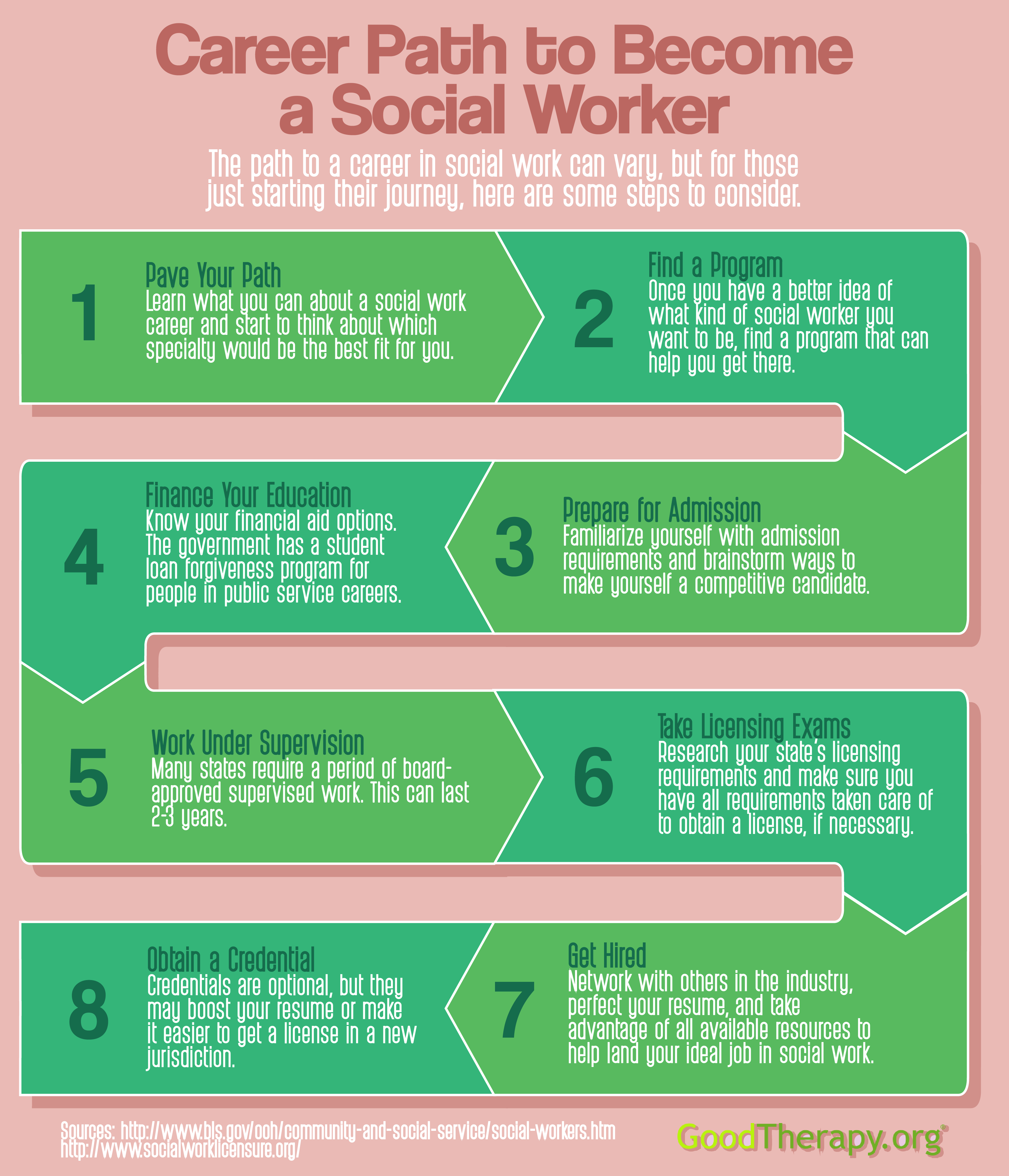
The journey to becoming a social worker in California begins with a solid educational foundation. This isn’t merely about acquiring credentials; it’s about developing the critical thinking, ethical understanding, and practical skills essential for effective intervention and advocacy.
Bachelor of Social Work (BSW)
For those new to the field, a Bachelor of Social Work (BSW) degree is the foundational step. An accredited BSW program provides a comprehensive introduction to social work theories, practice methods, human behavior, social welfare policies, and research. It includes supervised fieldwork, offering students their first taste of the social worker’s lifestyle in a real-world setting. Graduates with a BSW can pursue entry-level positions in areas such as case management, community outreach, and direct client services. While a BSW can open doors, many aspiring social workers in California opt for further education to unlock more advanced roles and clinical practice opportunities.
Master of Social Work (MSW)
The Master of Social Work (MSW) is typically the terminal degree required for advanced practice and clinical licensure in California. An MSW curriculum delves deeper into specialized areas like clinical social work, community organizing, social policy, and administration. It emphasizes advanced practice skills, ethical decision-making, and critical analysis of social issues. Most MSW programs require extensive supervised practicum hours, allowing students to apply theoretical knowledge in diverse settings such as hospitals, schools, mental health clinics, and government agencies. California boasts numerous reputable MSW programs within the University of California, Berkeley, University of Southern California, and California State University systems, each offering unique specializations to align with various career aspirations and desired lifestyles within the profession. Pursuing an MSW is a significant commitment, but it’s a direct investment in a lifestyle of profound impact and professional growth.
Navigating Licensure in the Golden State
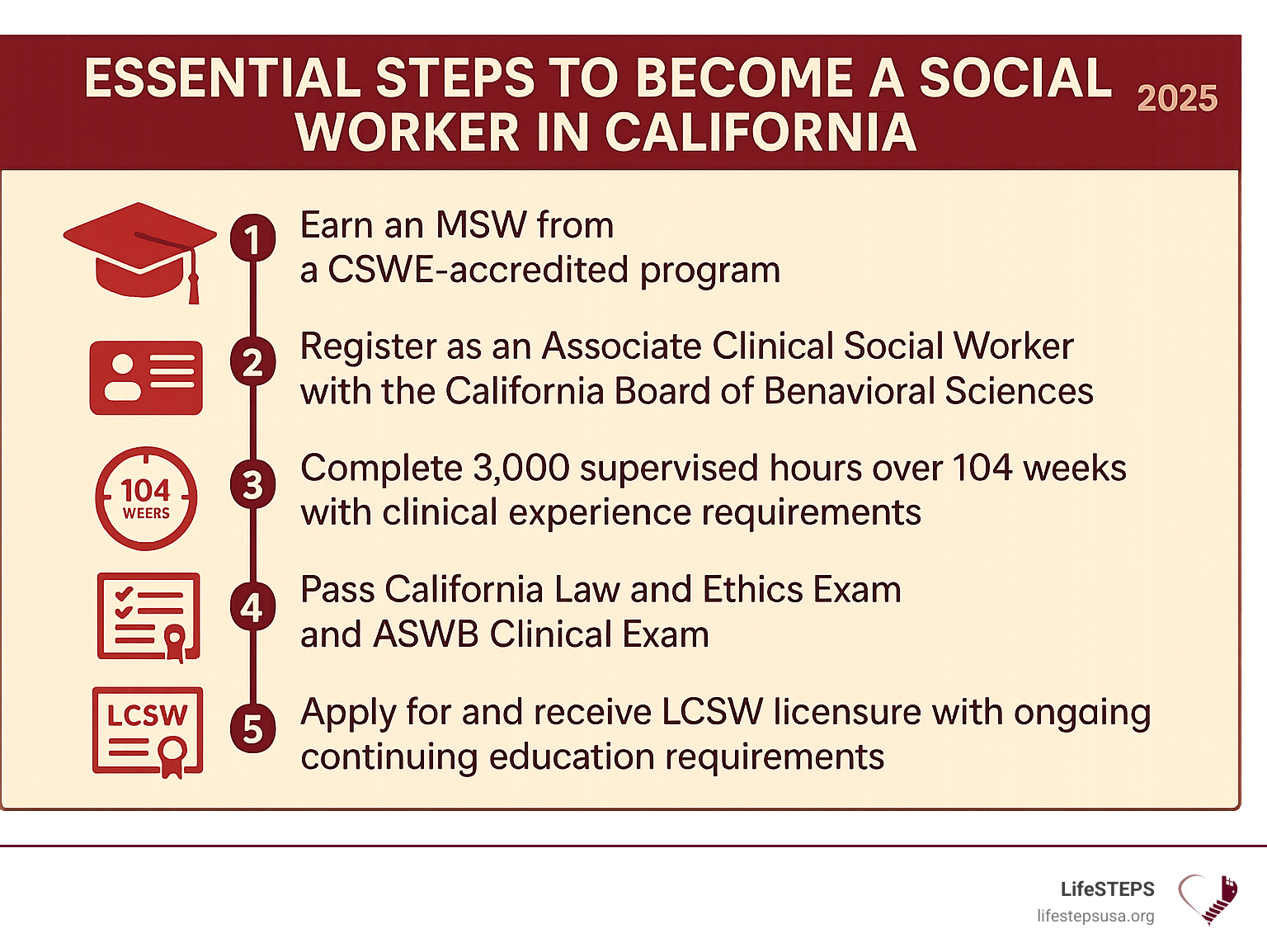
Becoming a licensed social worker in California involves a structured process overseen by the California Board of Behavioral Sciences (BBS). This multi-step journey ensures that practitioners meet stringent standards of education, experience, and ethical conduct, vital for maintaining the integrity and effectiveness of the social work lifestyle.
Associate Social Worker (ASW) Registration
Upon graduating with an accredited MSW degree, the next critical step is to register as an Associate Social Worker (ASW) with the BBS. This registration is mandatory for anyone accruing supervised hours towards licensure. The ASW status allows graduates to gain the necessary practical experience under the guidance of a licensed supervisor. This period is not merely about accumulating hours; it’s an immersive phase of professional development, where theoretical knowledge transforms into practical expertise. It’s a demanding but invaluable component of the lifestyle transition from student to independent practitioner.
Supervised Experience Hours
To become a Licensed Clinical Social Worker (LCSW) in California, candidates must complete 3,200 hours of supervised experience. These hours must be accumulated over a minimum of 104 weeks (two years) and no more than six years. A significant portion of these hours must be in direct client contact, providing psychotherapeutic services. The supervision itself must be provided by an LCSW who meets specific BBS requirements. This intensive supervision period is designed to cultivate advanced clinical skills, ethical practice, and professional judgment, shaping the future practitioner’s approach to their chosen lifestyle of service.
The Licensing Examinations
After completing the required supervised hours, candidates must pass two examinations administered by the BBS:
- The California Law & Ethics Exam: This exam assesses knowledge of state laws and ethical principles relevant to social work practice in California. It’s crucial for ensuring practitioners operate within legal and ethical boundaries, a core tenet of the social work lifestyle.
- The LCSW Clinical Exam: This comprehensive exam evaluates clinical knowledge, skills, and abilities across various domains of social work practice. Passing this exam signifies readiness for independent clinical practice and the full embrace of the LCSW lifestyle.
Successful completion of these exams, combined with the educational and supervised experience requirements, leads to the coveted LCSW credential, empowering social workers to provide advanced clinical services independently.
Diverse Opportunities and Communities: Crafting Your Niche
One of the most appealing aspects of a social work career in California is the sheer breadth of opportunities available to shape a unique professional lifestyle. The state’s vastness and diversity mean social workers can specialize in areas that resonate with their passions and contribute to a specific community or cause.
Areas of Practice
Social workers in California find fulfilling roles in myriad settings, each offering a distinct professional lifestyle:
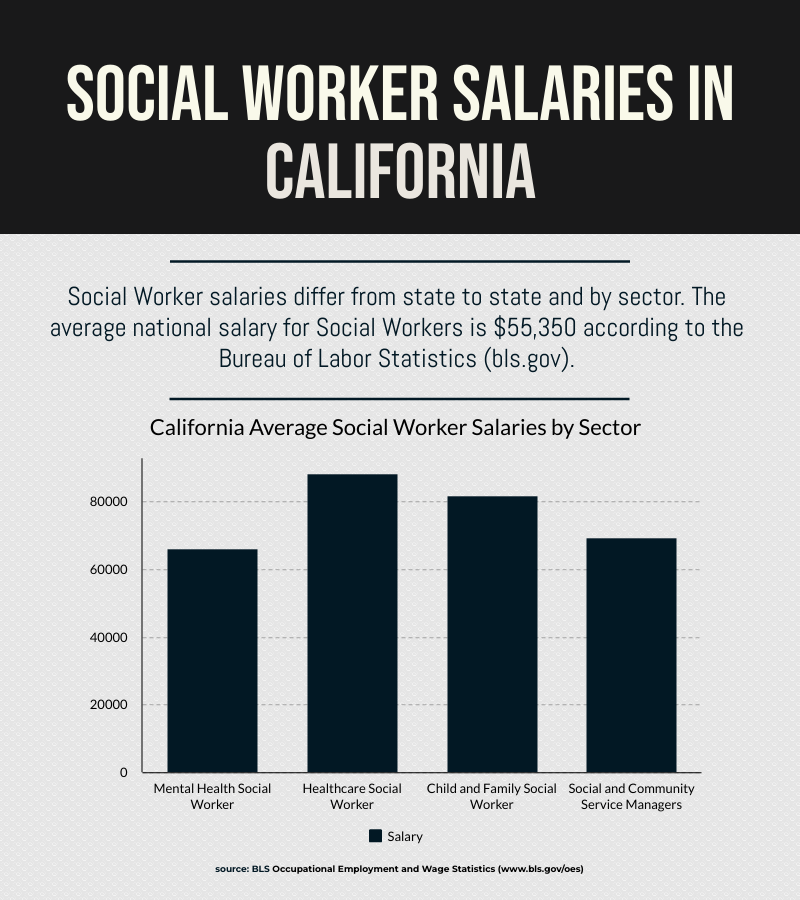
- Mental Health: Providing therapy and support in clinics, hospitals, and private practice to individuals, families, and groups dealing with mental health challenges. This often involves collaborating with psychiatrists and other healthcare professionals.
- Child Welfare: Working with Child Protective Services or non-profit organizations to protect children from abuse and neglect, facilitate adoptions, and support foster families. This is a high-stakes, emotionally demanding but incredibly impactful lifestyle choice.
- Healthcare: Serving patients and families in hospitals, hospices, and rehabilitation centers, addressing psychosocial issues related to illness, grief, and long-term care.
- Schools: Supporting students with academic, social, and emotional issues, often acting as a bridge between students, families, and school staff. A school social worker’s lifestyle integrates educational settings with community support.
- Criminal Justice: Working in prisons, probation departments, or community reentry programs to support offenders and their families, aiming for rehabilitation and reduced recidivism.
- Community Organizing and Policy: Advocating for systemic change, developing community programs, and influencing social policy at local, state, or even national levels. This lifestyle focuses on broad-scale impact and advocacy.
- Aging Services: Assisting older adults with issues related to healthcare, housing, social isolation, and access to resources, ensuring a dignified quality of life.
California’s Unique Landscape
The geographic and cultural tapestry of California further enriches the social work lifestyle. From the tech hubs of Silicon Valley with their unique stressors and affluence to the agricultural heartland of the Central Valley facing issues of poverty and migration, and the coastal cities like San Diego and Santa Barbara balancing tourism with local needs, each region presents distinct challenges and opportunities for social workers. This allows professionals to choose a lifestyle that aligns not only with their specialization but also with their preferred living environment and community engagement.
Sustaining Your Passion: A Lifelong Commitment
The decision to become a social worker in California is a commitment to a lifelong journey of learning, self-care, and advocacy. The profession demands immense emotional labor, and sustaining one’s passion requires intentional strategies.
Continuing Education and Professional Development
The BBS mandates continuing education for LCSWs to maintain their licenses, ensuring practitioners stay current with best practices, new research, and evolving ethical guidelines. This ongoing learning is integral to the social work lifestyle, promoting continuous professional growth and adaptability. Attending workshops, conferences, and engaging in peer supervision are not just requirements; they are opportunities to refine skills, explore new interests, and connect with a supportive professional community.
Self-Care and Preventing Burnout
Given the emotionally intense nature of social work, prioritizing self-care is not a luxury but a professional imperative. Developing robust self-care practices – whether through hobbies, mindfulness, spending time in California’s natural landscapes, or seeking personal therapy – is crucial for preventing burnout and maintaining resilience. A sustainable social work lifestyle integrates personal well-being with professional demands, ensuring practitioners can continue to offer their best to those they serve.
Becoming a social worker in California is a deliberate choice for a lifestyle of profound purpose. It’s a demanding yet deeply gratifying path for individuals committed to making a tangible difference in the lives of others and contributing to a more just and equitable society. The journey is rigorous, but the opportunity to shape a meaningful life while serving the vibrant and diverse communities of California makes it an endeavor truly out of the box.
LifeOutOfTheBox is a participant in the Amazon Services LLC Associates Program, an affiliate advertising program designed to provide a means for sites to earn advertising fees by advertising and linking to Amazon.com. Amazon, the Amazon logo, AmazonSupply, and the AmazonSupply logo are trademarks of Amazon.com, Inc. or its affiliates. As an Amazon Associate we earn affiliate commissions from qualifying purchases.