
The allure of the vast Texas landscape, teeming with diverse wildlife and natural beauty, calls to many. For those who possess a deep respect for conservation, a commitment to public service, and a passion for the outdoors, a career as a Texas Game Warden might be an ideal calling. This esteemed profession, part of the Texas Parks and Wildlife Department (TPWD), is far more than just enforcing hunting and fishing laws; it involves protecting natural resources, educating the public, and ensuring the sustainable management of Texas’s precious ecosystems. Embarking on this path requires a specific set of qualifications, rigorous training, and an unwavering dedication to the wild heart of the Lone Star State.

The Foundation: Education and Essential Requirements
Becoming a Texas Game Warden is a competitive process that begins with a strong educational background and adherence to specific eligibility criteria. The TPWD meticulously vets applicants to ensure they possess the necessary knowledge, skills, and temperament for this demanding role.
Educational Qualifications
A fundamental requirement for aspiring game wardens is a bachelor’s degree from an accredited college or university. While the degree can be in various fields, majors that directly relate to wildlife management, conservation, biology, law enforcement, or criminal justice are often advantageous. These academic pursuits provide a solid understanding of ecological principles, animal behavior, and the legal framework governing natural resource protection. Courses in ecology, zoology, botany, environmental science, criminology, and public administration can equip candidates with valuable knowledge that will be directly applicable to the daily duties of a game warden.
Age and Citizenship
Applicants must meet specific age and citizenship requirements. Typically, candidates must be at least 21 years of age at the time of appointment and no older than 44 years of age. This age range ensures that individuals are mature enough to handle the responsibilities of the job and have sufficient time to complete their careers within the service. Furthermore, U.S. citizenship is a mandatory requirement, reflecting the patriotic duty inherent in public service roles.
Physical and Mental Fitness
The demanding nature of a game warden’s work necessitates excellent physical and mental conditioning. Applicants must be able to pass a rigorous physical fitness assessment designed to evaluate strength, agility, and endurance. This assessment often includes components such as a timed run, push-ups, sit-ups, and a pull-up test. Beyond physical prowess, candidates must also undergo a thorough medical examination to ensure they are fit to perform the duties of the job without undue risk to themselves or others. Mental and psychological evaluations are also crucial to assess an applicant’s stability, decision-making capabilities, and ability to handle stressful situations and make sound judgments under pressure. The role often involves navigating remote terrains, working in adverse weather conditions, and potentially confronting dangerous situations, all of which require a resilient and well-adjusted individual.
Background Check and Driving Record
A clean criminal record is paramount. Applicants will undergo a comprehensive background investigation, which includes a review of their criminal history, driving record, and personal references. Any history of serious offenses, drug use, or significant traffic violations can disqualify an individual from consideration. A valid Texas driver’s license is also a prerequisite, as game wardens frequently patrol large areas of the state, often requiring extensive driving in both urban and rural environments.
The Path to Becoming a Game Warden: Application and Training
Once an individual meets the foundational requirements, the journey to becoming a Texas Game Warden enters a more structured phase involving application, selection, and intensive training.
The Application Process
The application process for a Texas Game Warden position is managed by the Texas Parks and Wildlife Department. This process typically involves submitting an online application through the TPWD’s official website. It is crucial to meticulously complete all sections of the application, providing accurate and truthful information. Missing information or inconsistencies can lead to disqualification. Following the initial application review, successful candidates will be invited to participate in subsequent stages of the selection process, which may include written examinations, oral interviews, and background checks. Patience is key during this phase, as the process can be lengthy.
The Law Enforcement Academy
A critical step for all successful applicants is attending and graduating from the TPWD Law Enforcement Academy. This academy provides specialized training designed to equip new game wardens with the specific skills and knowledge needed for their unique role. The curriculum is comprehensive and covers a wide range of subjects essential for effective law enforcement and conservation work.
Core Curriculum and Specializations
The academy curriculum typically includes in-depth training in:
- Law Enforcement Procedures: This encompasses legal statutes, arrest procedures, evidence collection, report writing, and courtroom testimony, ensuring wardens are well-versed in the legal aspects of their duties.
- Wildlife and Fisheries Management: Understanding wildlife populations, habitat assessment, conservation strategies, and fisheries management techniques is central to the role.
- Boating and Water Safety: Many game wardens are responsible for enforcing boating regulations on Texas waterways, requiring specialized training in watercraft operation and safety protocols.
- Firearms and Defensive Tactics: Proficiency in the use of firearms and the application of defensive tactics are crucial for personal safety and effective law enforcement.
- Patrol Techniques and Investigation: Wardens learn specialized techniques for patrolling diverse terrains, conducting investigations, and gathering intelligence related to natural resource violations.
- Public Education and Outreach: A significant part of a game warden’s role involves interacting with the public, educating them about conservation laws and practices, and fostering a sense of stewardship for natural resources. This includes training in public speaking and community engagement.
- First Aid and Emergency Response: Wardens are often the first responders in remote areas, requiring them to be proficient in first aid and emergency medical procedures.
Field Training and Mentorship
Upon graduation from the academy, new game wardens embark on a period of intensive field training, often referred to as the Field Training Officer (FTO) program. This crucial phase pairs newly commissioned wardens with experienced mentors who guide them through real-world scenarios. Under the supervision of their FTO, they apply the knowledge and skills acquired at the academy, gaining practical experience in patrol, investigations, public interaction, and habitat management. This mentorship is vital for building confidence, refining skills, and understanding the nuances of operating independently as a game warden in their assigned patrol area.
The Role and Responsibilities of a Texas Game Warden
The duties of a Texas Game Warden extend far beyond the common perception of simply checking hunting and fishing licenses. Their responsibilities are diverse, multifaceted, and essential for the preservation of Texas’s natural heritage.
Law Enforcement and Conservation
The primary function of a game warden is to enforce the laws and regulations established to protect Texas’s wildlife, fisheries, and natural habitats. This includes:
- Investigating Violations: Conducting investigations into suspected poaching, illegal hunting and fishing, habitat destruction, and other natural resource crimes. This often involves surveillance, evidence collection, and interviewing witnesses.
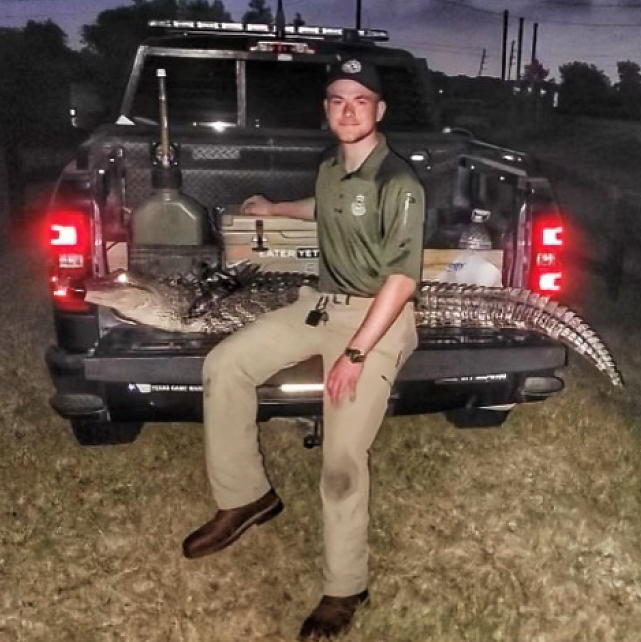
- Patrolling Diverse Environments: Game wardens patrol vast and varied landscapes across Texas, from dense forests and sprawling ranches to intricate river systems and the Gulf Coast. They utilize vehicles, ATVs, boats, and even aircraft to cover their patrol areas effectively.
- Enforcing Regulations: Ensuring compliance with hunting seasons, bag limits, fishing regulations, boating safety laws, and regulations pertaining to protected species.
- Issuing Citations and Making Arrests: When violations are discovered, wardens have the authority to issue citations or make arrests, depending on the severity of the offense.
Public Education and Outreach
A critical component of a game warden’s job is to foster a sense of conservation ethics within the public. This involves:
- Educating the Public: Conducting presentations at schools, community events, and sporting clubs to educate Texans about wildlife conservation, hunting ethics, fishing regulations, and safe outdoor practices.
- Promoting Responsible Outdoor Recreation: Encouraging responsible behavior in the outdoors to minimize human impact on natural resources and promote a positive experience for all.
- Building Community Relations: Establishing trust and positive relationships with landowners, hunters, anglers, and other outdoor enthusiasts to facilitate effective conservation efforts.
Specialized Duties and Emergency Response
Beyond their core responsibilities, Texas Game Wardens often engage in specialized duties and are integral to emergency response efforts:
- Search and Rescue Operations: Game wardens are frequently involved in search and rescue missions, particularly in remote or wilderness areas where individuals may become lost or injured.
- Disaster Response: They play a vital role during natural disasters, assisting with evacuation efforts, providing security, and supporting recovery operations, especially in areas impacted by floods, hurricanes, or wildfires.
- Habitat Management and Restoration: Wardens may contribute to habitat assessment, monitoring, and restoration projects aimed at preserving and improving wildlife habitats.
- Assisting Other Agencies: They often collaborate with other local, state, and federal law enforcement agencies, as well as wildlife biologists and environmental organizations, to address a wide range of conservation and public safety issues.
Life as a Texas Game Warden: Challenges and Rewards
The career of a Texas Game Warden is undeniably challenging, demanding a significant personal commitment. However, it also offers profound rewards for those dedicated to protecting the natural world.
The Demands of the Job
- Irregular Hours and Unpredictability: Game wardens often work non-traditional hours, including nights, weekends, and holidays, as wildlife activity and public behavior do not adhere to a typical work schedule. Emergencies and investigations can arise at any time, requiring immediate attention.
- Remote Locations and Exposure to Elements: Much of the work is conducted in remote, rural areas, often far from immediate support. Wardens must be prepared to work in challenging weather conditions, from the scorching heat of West Texas summers to the cold of winter and the humidity of East Texas.
- Potential for Danger: While safety protocols are rigorously followed, the nature of law enforcement, coupled with interactions with wildlife and individuals who may be violating laws, carries inherent risks.
- Emotional Toll: Dealing with cases of animal cruelty, habitat destruction, and the consequences of illegal activities can take an emotional toll.

The Profound Rewards
- Making a Tangible Difference: The most significant reward is the direct impact on conservation. Game wardens play a crucial role in ensuring the long-term survival of Texas’s diverse wildlife populations and the health of its natural landscapes for future generations.
- Independence and Autonomy: The role often provides a high degree of independence, allowing wardens to manage their patrol areas, conduct investigations, and interact with the public on their own initiative.
- Connection to Nature: For those who love the outdoors, the job offers unparalleled opportunities to spend time in and appreciate Texas’s wild spaces. It’s a career that allows one to be immersed in the natural world they are sworn to protect.
- Public Service and Respect: Being a Texas Game Warden is a position of significant public trust and respect. The dedication to protecting natural resources is widely appreciated by communities across the state.
- Variety and Excitement: No two days are alike. The work is dynamic and engaging, offering a constant stream of new challenges, investigations, and opportunities to engage with the natural world and its inhabitants. From tracking down poachers in the Big Bend Country to educating school children about conservation in a bustling city park, the career is rich with diverse experiences.
The path to becoming a Texas Game Warden is rigorous and selective, demanding a unique blend of passion, knowledge, and dedication. For those who answer the call of the wild and are committed to safeguarding Texas’s natural legacy, this career offers a lifetime of purpose and unparalleled connection to the untamed beauty of the Lone Star State.
LifeOutOfTheBox is a participant in the Amazon Services LLC Associates Program, an affiliate advertising program designed to provide a means for sites to earn advertising fees by advertising and linking to Amazon.com. Amazon, the Amazon logo, AmazonSupply, and the AmazonSupply logo are trademarks of Amazon.com, Inc. or its affiliates. As an Amazon Associate we earn affiliate commissions from qualifying purchases.