
Understanding the Fundamentals of Third-Party Hotel Bookings
Booking a hotel room for a friend, family member, business associate, or client is a surprisingly common task, yet it comes with unique administrative hurdles. Hotels operate under strict security policies, liability protocols, and check-in verifications to protect both their guests and their properties. When you reserve a room for an individual who will not be present at the front desk with you, you must navigate specific logistical frameworks to ensure a seamless arrival experience. Whether you are arranging a luxurious stay at the Ritz-Carlton in New York or a quick business trip near Chicago, understanding the rules of third-party reservations is essential.
At the core of the challenge is the credit card authorization and identification match. Traditionally, the person whose name is on the reservation must match the name on the credit card used for payment, and they must present a government-issued photo ID matching that card upon arrival. Bypassing this standard security measure requires advance planning, direct communication with the property, and the proper completion of authorization documentation. Failing to take these steps can result in the traveler being denied check-in, facing unexpected charges, or being forced to pay for a brand-new room out of pocket upon arrival.
Step-by-Step Methods to Reserve a Room for Another Person
When you are ready to secure accommodations, you have several distinct pathways to choose from. Each method carries its own set of advantages, potential pitfalls, and communication requirements. Selecting the right approach depends on your relationship with the traveler, the policies of the specific accommodation brand, and how you prefer to handle the payment process.
Utilizing Hotel Loyalty Programs and Points
If you are a frequent traveler with elite status at a major hospitality brand like Marriott International or Hilton Worldwide, you might want to use your accumulated loyalty points to gift a stay to someone else. Many loyalty programs allow members to book award stays for friends or family members without charging them points or cash.
- Guest of Honor Bookings: Programs like World of Hyatt offer specific privileges where elite members can transfer their benefits to a third party during an award stay.
- Adding a Secondary Guest: You can often book the room under your account, add the traveler’s name as the primary or secondary guest, and then contact the hotel to ensure they are recognized as the sole occupant checking in.
- Points Transfer: Alternatively, you can transfer your points directly to the other person’s loyalty account, allowing them to make the booking independently under their own name and payment method.
Direct Booking via Hotel Websites or Phone
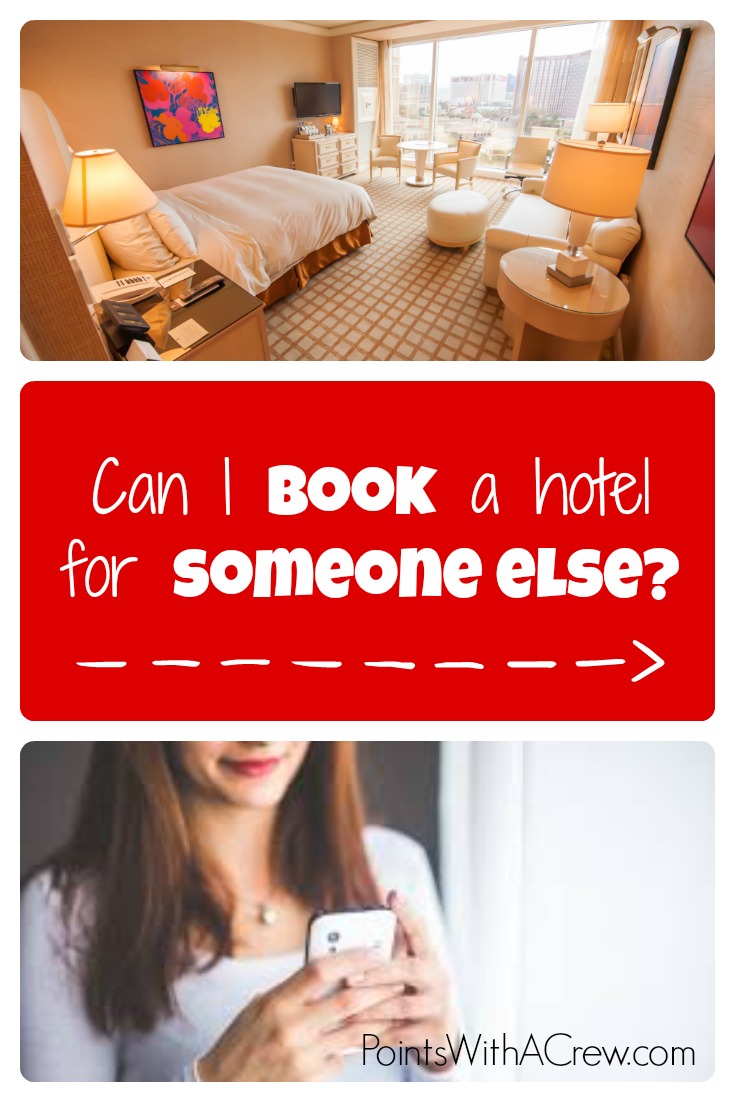
The safest and most transparent method for booking a room for someone else is contacting the hotel directly or utilizing their official website. When booking online, most platforms feature a checkbox during the guest details phase that asks: “Are you booking this room for someone else?”
Checking this box opens up fields where you can enter the actual traveler’s legal name, email address, and phone number. This ensures that the hotel’s reservation system flags the incoming guest correctly. However, even when using this feature, you must address the payment component. If the traveler does not possess your credit card, you cannot simply let them swipe it at the desk; you must arrange a Credit Card Authorization Form. This document, securely filled out and signed by the cardholder, authorizes the hotel to charge the card on file for room, tax, and incidental expenses, shielding you from fraud liabilities while granting the traveler unhindered access to their room.
Utilizing Online Travel Agencies (OTAs)
Many travelers rely on third-party platforms such as Expedia, Booking.com, or Hotels.com to find competitive rates. While these platforms are convenient, booking for someone else through them requires careful attention to detail.
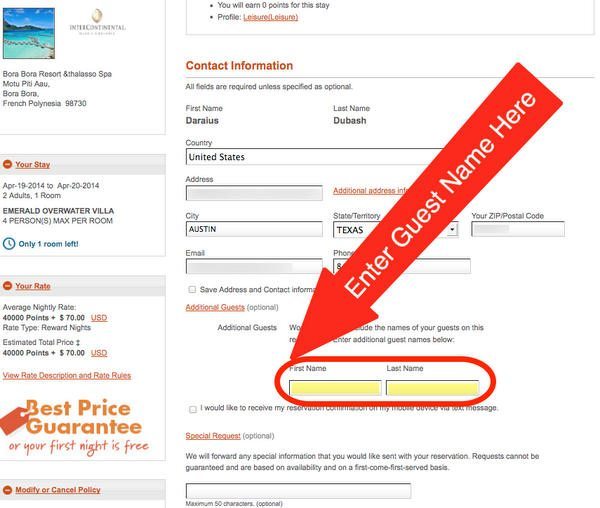
- Entering Guest Information: During the checkout process on an OTA, you must ensure that you input the traveler’s name in the “Guest Details” or “Who is checking in?” section, rather than leaving your own name in those fields.
- Billing Information: Your billing information will go into the payment section, which creates a discrepancy between the guest name and the payer name. While most major OTAs process the payment directly (meaning the hotel never actually sees your physical card), some “pay at the hotel” models can trigger the same identification and credit card matching issues discussed earlier. Always opt for prepaid rates through OTAs when booking for another individual to minimize check-in friction at properties like the Bellagio in Las Vegas or the Fairmont Hotel in San Francisco.
Overcoming Common Check-In Hurdles and Incidental Policies
Even if you successfully navigate the initial booking phase, unexpected obstacles can arise at the front desk. Understanding how hotels handle incidentals, security deposits, and unexpected emergencies will ensure your recipient enjoys a stress-free stay from the moment they arrive.
Managing Incidental Charges and Deposits
Every hotel stay incurs potential incidental charges—ranging from minibar snacks and room service to spa treatments, parking, and resort fees. Because these expenses are accrued during the stay, hotels require a valid credit card authorized for incidentals at check-in.
- The Virtual Incidental Deposit: If you wish to cover all expenses (room, tax, and incidentals), your Credit Card Authorization Form must explicitly state that it covers incidental charges.
- The Traveler’s Backup Card: If your authorization only covers the room and tax, the traveler must present their own personal credit or debit card at check-in to cover incidentals and a security deposit hold. The hotel will place a temporary authorization hold on their card, which is released after departure minus any incidental purchases.
Communicating Directly with the Front Desk
Never assume that leaving a note in an online reservation comment box is sufficient. Automated booking engines often strip out specialized notes or fail to transmit them to front desk personnel effectively.
Once your reservation is confirmed, pick up the phone and call the hotel’s front desk directly—not the brand’s national reservation hotline. Speak directly with an on-site manager or guest services agent. Confirm the following details with them:
- Verify that the traveler’s name is listed as the primary occupant for the reservation.
- Inquire about their specific policy for third-party credit card authorizations and request their secure document submission link or email address.
- Notify them of the estimated arrival time so they can prepare the room and streamline the check-in process for your guest.
Preparing the Traveler for Success
Before your recipient departs for their destination—whether they are staying at a boutique resort in Miami or a business hotel in Seattle—equip them with all the necessary information and documentation. Send them a digital copy of the booking confirmation number, the hotel’s direct phone number, and a note indicating that the room has been fully paid for or authorized.
Remind them to bring their own valid government-issued photo ID (such as a passport or driver’s license) for identity verification, along with a personal credit card just in case the front desk requires a standard card imprint for incidentals. By anticipating these operational requirements, you eliminate any potential confusion at the front desk, ensuring that your thoughtful gift or professional accommodation arrangement translates into a smooth, comfortable, and memorable travel experience.
LifeOutOfTheBox is a participant in the Amazon Services LLC Associates Program, an affiliate advertising program designed to provide a means for sites to earn advertising fees by advertising and linking to Amazon.com. Amazon, the Amazon logo, AmazonSupply, and the AmazonSupply logo are trademarks of Amazon.com, Inc. or its affiliates. As an Amazon Associate we earn affiliate commissions from qualifying purchases.