
Navigating the legal and administrative pathways to change your last name can feel like embarking on a significant journey, akin to planning an intricate travel itinerary. While not directly a travel destination, the process of a legal name change in Texas shares the need for meticulous planning, understanding local regulations, and ensuring all documentation is in order, much like preparing for a memorable trip abroad. This guide will provide a comprehensive overview of the steps involved in undertaking this personal transformation within the Lone Star State, ensuring a smooth and successful outcome, much like a well-executed vacation.
Understanding the Legal Framework for Name Changes in Texas
In Texas, a legal name change is primarily accomplished through a court order. This process ensures that your new name is officially recognized by all governmental agencies and institutions. Unlike spontaneous decisions made during a vacation, a legal name change requires a structured approach governed by specific statutes. The most common reasons for a name change include marriage, divorce, or simply a personal preference for a different surname. Each of these scenarios, while having different catalysts, generally follows a similar legal procedure.
Eligibility Requirements for a Texas Name Change
Before embarking on the process, it’s crucial to understand the eligibility requirements. To change your name in Texas, you must meet the following criteria:
- Residency: You must have resided in Texas for at least six months prior to filing the petition. This residency requirement is similar to how some tourist visas or long-term stay accommodations might require a minimum period of habitation in a particular location.
- Age: You must be at least 18 years old to file a petition for yourself. For individuals under 18, a parent or legal guardian must file on their behalf, often requiring consent from both parents.
- Legal Capacity: You must not be seeking a name change for fraudulent purposes, such as evading debts, criminal prosecution, or other illegal activities. This is a critical legal safeguard, much like the scrutiny applied to visa applications to prevent misuse of travel privileges.
Common Scenarios for Name Changes
- Marriage: While many couples choose to adopt a new shared surname or one partner takes the other’s surname after marriage, this is often handled through the marriage license process. However, for official recognition across all documents, a formal court order might still be beneficial, especially if there are complications or if the change is desired before the marriage certificate is widely processed. This is analogous to updating your passport after a marriage to reflect your new name for international travel.
- Divorce: Following a divorce, individuals often wish to revert to their maiden name or a previous surname. The court decree for divorce can often include a provision for restoring a former name. If not, a separate petition for a name change will be necessary. This is akin to updating your travel documents after a life change to ensure they align with your current legal status.
- Personal Preference: Many individuals choose to change their last name simply because they dislike their current surname, wish to honor a family member, or desire a fresh start. This is the most straightforward scenario for a petition-based name change. It’s a personal decision that, like choosing a new travel destination, can significantly impact one’s identity and how they are perceived.
The Petition Process: Your Roadmap to a New Identity
The core of a legal name change in Texas involves filing a petition with the appropriate court. This is your official request, and like planning a complex itinerary, it requires attention to detail and adherence to a specific sequence of events.
Filing the Petition for Name Change
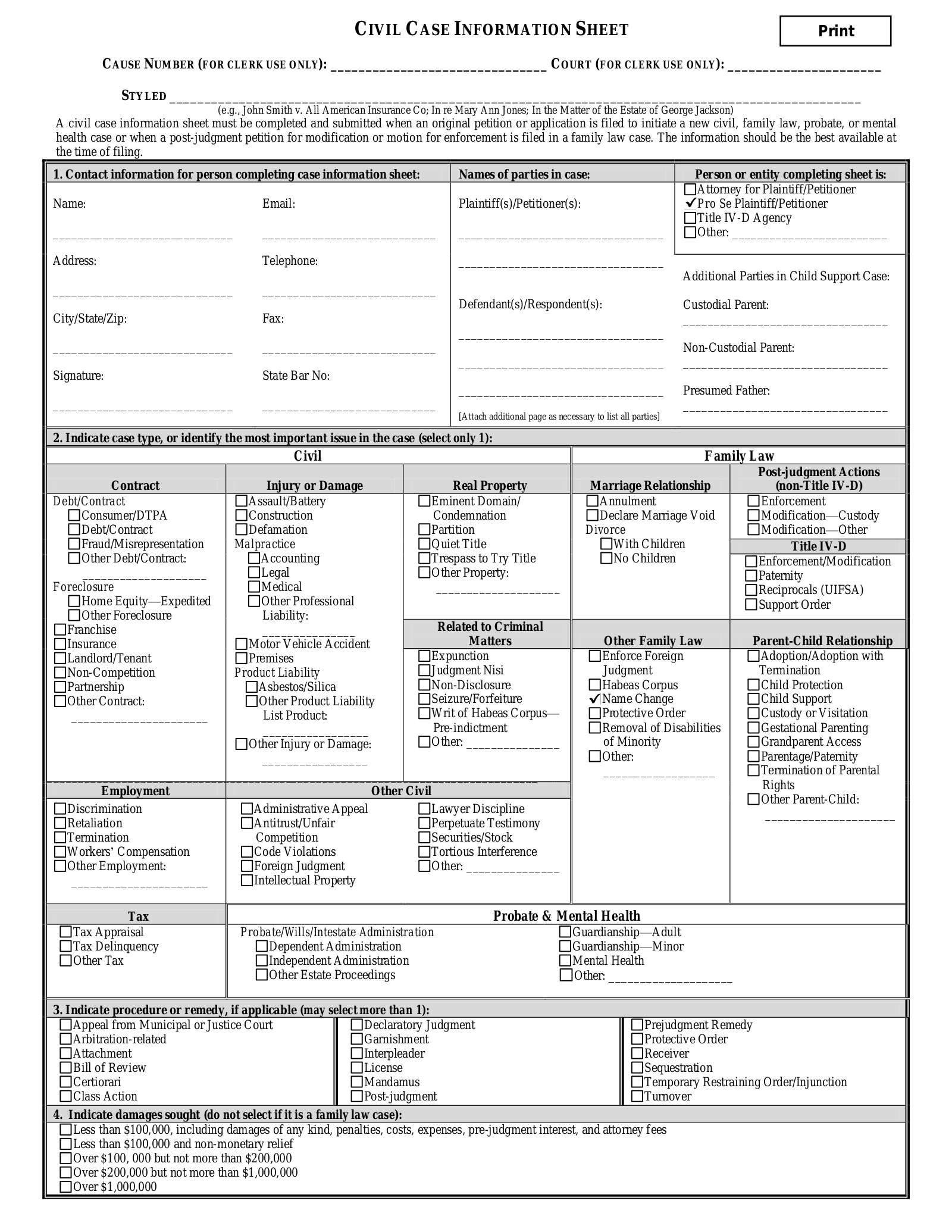
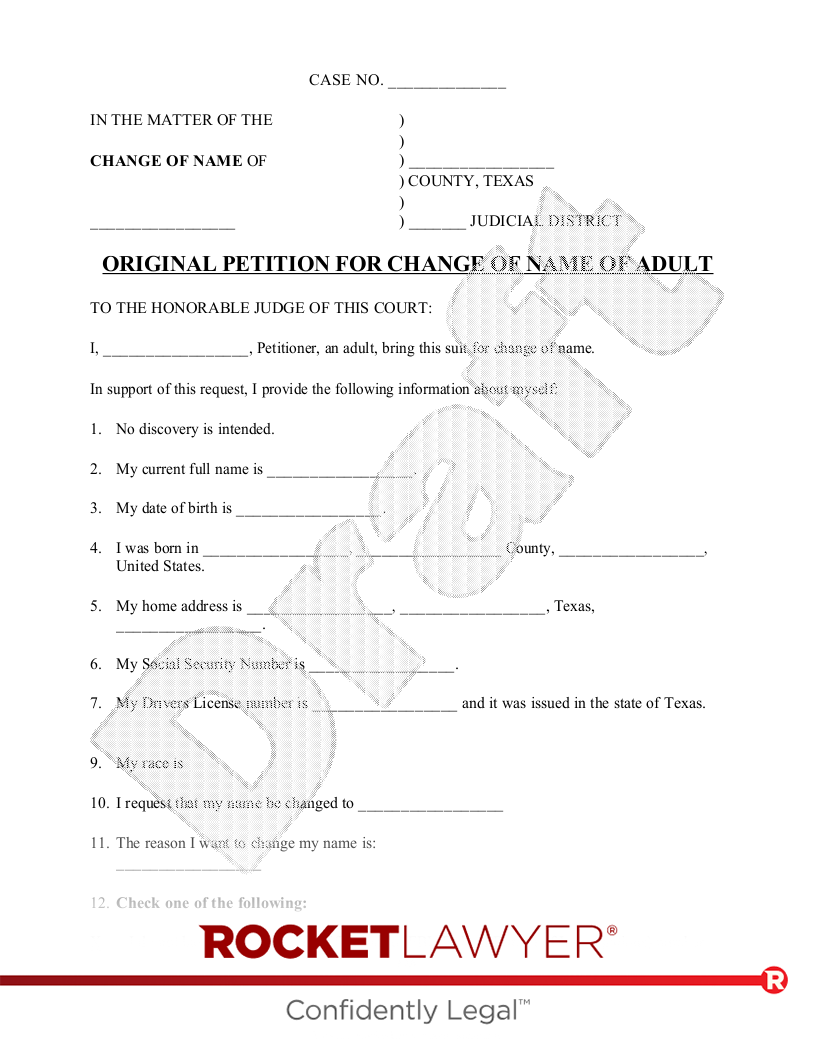
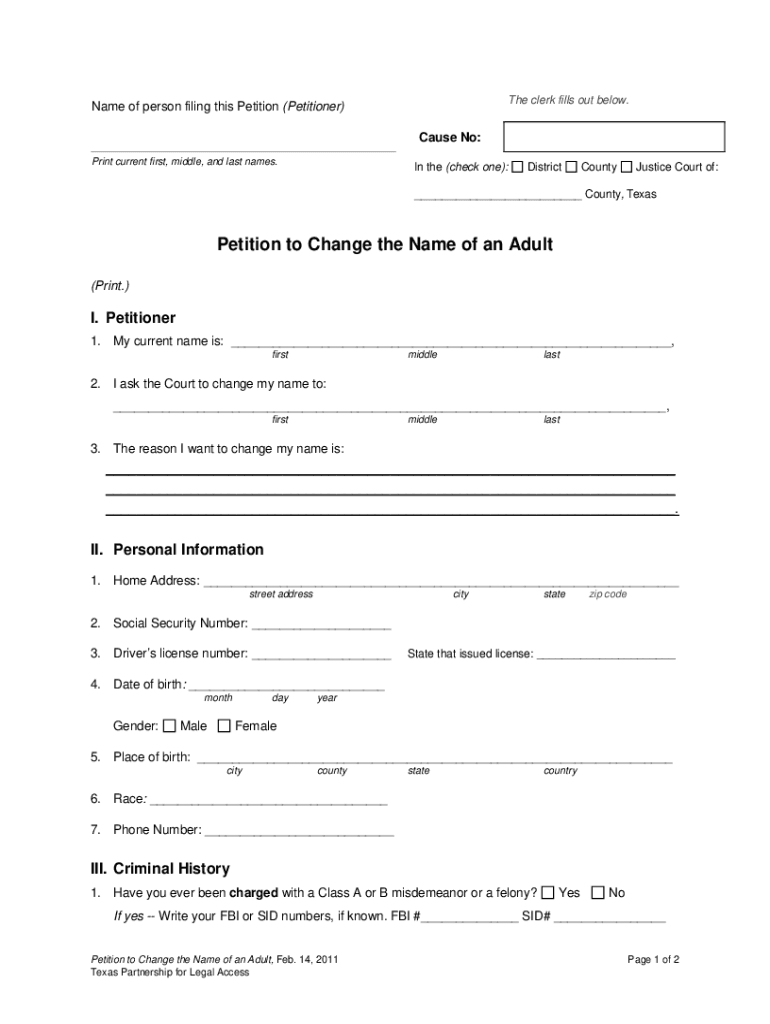
The first step is to obtain and complete a “Petition for Change of Name.” This document, available from most county clerk offices or online legal resources, requires specific information, including:
- Your current full legal name.
- Your desired new full legal name.
- Your date and place of birth.
- Your current address and length of residency in Texas.
- The grounds for your name change (e.g., marriage, divorce, personal preference).
- A sworn statement that you are not seeking the name change for fraudulent purposes.
Once completed, the petition must be filed with the district court or county court in the county where you reside. There will be a filing fee associated with this, which can vary by county. If you cannot afford the fee, you may be able to file a “Statement of Inability to Afford Payment of Court Costs” to request a waiver.
Publication Requirements: Announcing Your Intent
A crucial step in the Texas name change process is public notification. This is designed to inform any potential creditors or interested parties of your intent to change your name. You will be required to publish a notice of your pending name change in a newspaper of general circulation in your county.
- Newspaper Selection: The court will typically designate the newspaper where the notice must be published. This ensures that the notice reaches a broad audience within your local community.
- Content of the Notice: The notice will usually include your current name, the name you wish to adopt, and the date and location of your court hearing.
- Proof of Publication: After the notice has been published for the required duration (often once a week for a specified period), you will need to obtain an affidavit or proof of publication from the newspaper. This document will be submitted to the court as evidence that you have met the publication requirement.
This publication step is a legal formality, much like the visa application process that requires public announcements or notices in certain countries for specific types of permits.
The Court Hearing: Your Moment in Court
After the petition is filed and the publication requirement is met, the court will schedule a hearing. This hearing is your opportunity to present your case to the judge.
- Appearance: You are generally required to appear in court for the hearing. However, in some less complex cases, especially if there are no objections, the judge may grant the name change without a formal hearing or allow your attorney to appear on your behalf.
- Judge’s Review: The judge will review your petition, the proof of publication, and any other relevant documents. They may ask you questions about your reasons for the name change and ensure that all legal requirements have been satisfied.
- Objections: If any party has a valid legal objection to your name change (e.g., a creditor can prove you are trying to evade debt), they can present it at the hearing.
- The Order: If the judge is satisfied that all legal requirements are met and there are no valid objections, they will sign an “Order for Change of Name.” This is the official legal document that grants you your new name.
This hearing is a significant step, comparable to the final interview for a prestigious travel grant or fellowship – a moment where all your preparation culminates in a decision.
Post-Order Procedures: Updating Your Identity Across the Board
Receiving your signed Order for Change of Name is a momentous occasion, but it’s not the final step. The real work involves updating all your official documents and notifying relevant institutions. This is akin to the post-trip administrative tasks, like settling finances or organizing photos, but with a legal imperative.
Obtaining Certified Copies of the Order
It is crucial to obtain several certified copies of your Order for Change of Name from the court clerk. These certified copies serve as your official proof of legal name change and will be required by various agencies and institutions. Think of these as your essential travel visas and identification documents that you’ll present repeatedly.
Updating Your Social Security Record
Your Social Security card is a fundamental identification document. You must update your name with the Social Security Administration (SSA).
- Form SS-5: You will need to complete an Application for a Social Security Card (Form SS-5).
- Required Documents: You will need to provide proof of your identity, proof of your U.S. citizenship or lawful alien status, and proof of your legal name change (your certified court order).
- Mailing: You can mail these documents to the SSA or visit a local Social Security office. It’s important to note that you will need to send original or certified copies of your documents; photocopies are generally not accepted.
This step is paramount, as your Social Security record is linked to many other systems.
Updating Your Driver’s License or State ID
Your Texas driver’s license or state identification card is your primary form of identification. You’ll need to visit a Texas Department of Public Safety (DPS) office.
- Required Documents: You will need to present your certified Order for Change of Name, your current driver’s license or ID, and proof of your Social Security number update (though the SSA may not have immediately updated their system, you may need to show proof of application or a confirmation letter if available).
- New Photo and Fee: You will likely need to have a new photograph taken and pay a fee for the updated license or ID.
Notifying Other Key Institutions
Beyond the SSA and DPS, a comprehensive list of institutions to notify includes:
- U.S. Passport Agency: If you have a passport, you’ll need to apply for a replacement with your new name. The process varies depending on how recently your passport was issued.
- Banks and Financial Institutions: Update your name on all your bank accounts, credit cards, loans, and investment accounts. This includes notifying your mortgage lender, auto loan provider, and any other creditors.
- Employer: Inform your employer to update your payroll records, employee benefits, and all other employment-related documents.
- Voter Registration: Update your voter registration to reflect your new name.
- Insurance Providers: Notify your health, auto, home, and life insurance providers.
- Post Office: While often a secondary concern, informing your local post office can ensure mail delivery is smooth.
- Schools and Educational Institutions: If you are a student or have children, update records with their respective schools or universities.
- Professional Licenses and Certifications: If you hold any professional licenses or certifications, you must update them with the issuing board.
This extensive list highlights the meticulous planning required, much like researching and booking different segments of a multi-city trip to ensure every detail is covered.
Considerations for Specific Scenarios
While the general process is similar, certain situations may have unique considerations.
Name Changes for Minors
Changing a minor’s last name in Texas requires the consent of both legal parents. If one parent is unavailable or refuses to consent, a court may still grant the petition if it’s in the child’s best interest. The court will consider factors such as the child’s wishes (if old enough to express them), the reasons for the change, and the potential impact on the child’s relationship with both parents.
This situation demands a higher level of legal navigation, much like obtaining parental consent for a minor to travel internationally or participate in certain overseas programs. The focus is always on the child’s well-being and legal protections.
Name Changes Due to Gender Transition
Individuals undergoing gender transition may wish to change their name and gender marker on legal documents. The name change process is generally the same as described above. For changing the gender marker on a Texas driver’s license or ID, the DPS has specific requirements, which may include a letter from a physician or mental health professional. Changing the gender marker on a birth certificate is a separate process that may have additional requirements.
This path emphasizes the importance of aligning legal identity with personal identity, a journey that, while deeply personal, also requires navigating official channels, similar to how one might seek specific travel accommodations or tours catering to particular needs and identities.
The Emotional and Personal Impact
Beyond the legalities, a name change can be an emotionally significant event. It’s a declaration of self, a rebranding of identity. Whether driven by marriage, divorce, or personal desire, the new name carries new connotations and associations. Take time to embrace your new identity and the opportunities it represents, much like settling into a new culture during an extended travel experience. This personal transformation is profound, and its legal recognition in Texas is a vital step in making it official.
LifeOutOfTheBox is a participant in the Amazon Services LLC Associates Program, an affiliate advertising program designed to provide a means for sites to earn advertising fees by advertising and linking to Amazon.com. Amazon, the Amazon logo, AmazonSupply, and the AmazonSupply logo are trademarks of Amazon.com, Inc. or its affiliates. As an Amazon Associate we earn affiliate commissions from qualifying purchases.