
Embarking on a journey, whether for leisure or business, is often filled with excitement and the promise of new experiences. From exploring iconic landmarks in Paris to unwinding at a serene resort in Cancun, travel offers a delightful escape from the everyday. A crucial element of any successful trip is comfortable and safe accommodation. Travelers invest considerable time and money into finding the perfect hotels, suites, or apartments that meet their needs, often relying on extensive reviews and comparison sites. However, an unwelcome guest can quickly turn a dream vacation into a nightmare: bed bugs. These tiny, nocturnal pests are a persistent problem across the globe, affecting even the most reputable establishments, from boutique hotels to grand resorts like the Ritz-Carlton. Knowing how to thoroughly check for bed bugs is an essential skill for any traveler, ensuring peace of mind and protecting your belongings and health. This comprehensive guide will equip you with the knowledge and steps needed to perform a meticulous inspection upon arrival, safeguarding your travel experience and allowing you to fully immerse yourself in the local culture and attractions without worry.

Understanding the Threat: Why Bed Bugs Matter for Travelers
Before delving into the inspection process, it’s vital to understand why bed bugs pose such a significant concern for travelers and how they can severely impact your lifestyle on the road. These aren’t just a minor annoyance; they can lead to health issues, financial burdens, and considerable stress.
The Unwanted Travel Companion: What are Bed Bugs?
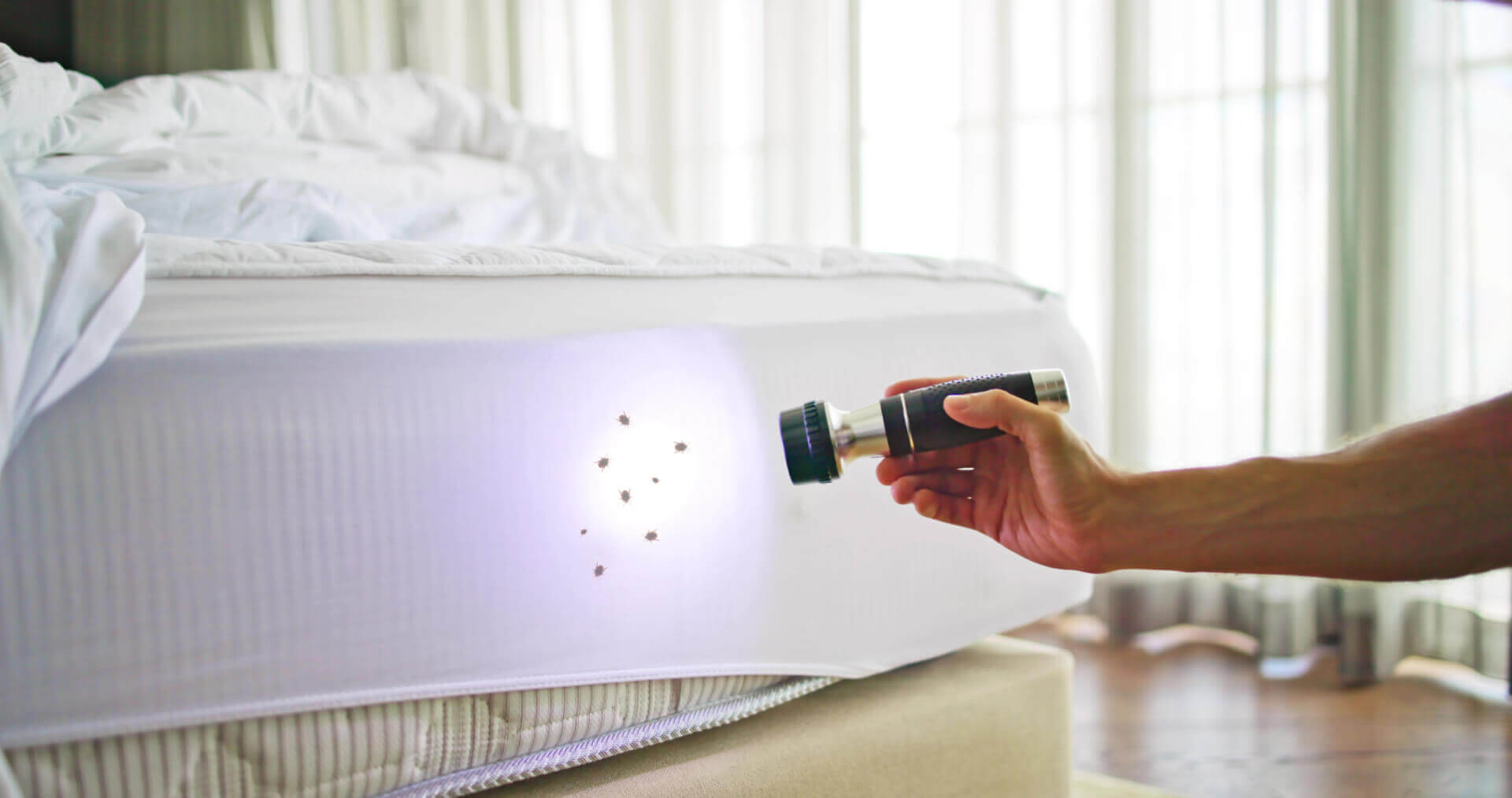
Bed bugs (Cimex lectularius) are small, reddish-brown parasitic insects about the size of an apple seed. They are primarily nocturnal, feeding on the blood of humans and animals while they sleep. Despite their name, bed bugs don’t just live in beds; they can hide in various cracks and crevices, making them incredibly difficult to eradicate without professional help. They are notorious hitchhikers, easily transported from one location to another in luggage, clothing, and even personal items. This mobility is precisely why they are such a prevalent issue in the travel industry. A traveler might unwittingly bring them home from a stay in New York City or carry them to the next destination on their itinerary, like London.
Unlike some other pests, bed bugs do not transmit diseases. However, their bites can cause itchy red welts, which can lead to skin infections if scratched excessively. More significantly, their presence can trigger allergic reactions in some individuals. The psychological impact is also considerable; knowing you’re sharing your bed with these creatures can lead to anxiety, sleep deprivation, and a general feeling of unease, drastically diminishing the enjoyment of your trip. No one wants to spend their tourism adventure feeling paranoid or itching.
Beyond the Itch: The Impact on Your Trip
A bed bug infestation can derail your travel plans entirely. Imagine arriving at a stunning resort on the Amalfi Coast, only to discover bed bugs in your room. This immediate setback forces you to:
- Change rooms or hotels: This can be time-consuming, stressful, and may even result in unexpected costs if the new accommodation is more expensive or requires a transfer. It disrupts your carefully planned itinerary.
- Deal with bites: The physical discomfort and visual evidence of bites can be embarrassing and uncomfortable, especially if you planned activities like swimming or sunbathing.
- Contaminate belongings: Your luggage, clothing, and other personal items can become infested, leading to the arduous task of decontaminating everything you own upon returning home. This extends the problem far beyond your stay, potentially infesting your own home.
- Loss of sleep and enjoyment: The constant worry and itching can prevent restful sleep, leaving you tired and irritable, unable to fully appreciate your experiences or engage in planned activities like exploring a bustling marketplace or savoring local food.
For those on a budget travel trip, these unforeseen complications can be particularly devastating, while even luxury travel experiences can be marred by the presence of these pervasive pests. Therefore, a proactive approach to checking for bed bugs is not just a recommendation; it’s a necessity for responsible and enjoyable travel.
Your First Line of Defense: The Initial Inspection Strategy
The moment you step into your hotel room, your bed bug inspection should begin. This isn’t about paranoia, but rather smart, preventative action. A quick, thorough check can save you from a world of trouble later on.
Upon Arrival: Prioritizing Your Safety Check
Before you even think about unpacking your suitcase or lounging on the bed, place all your luggage in the bathroom. The smooth, hard surfaces of a bathroom floor and tub offer fewer hiding spots for bed bugs compared to carpeted areas or upholstered furniture. This simple step creates a temporary safe zone for your belongings while you conduct your investigation. Avoid placing your bags on the bed, floor, or luggage rack until you’ve confirmed the room is clear. Many seasoned travelers even carry large plastic trash bags or luggage covers to encase their bags, adding an extra layer of protection during the initial assessment. This practice is crucial, whether you’re in a modest motel in a small town or a sprawling Marriott resort in Dubai.
You’ll need a good flashlight – the one on your smartphone often suffices – and, if you’re particularly meticulous, a credit card or similar thin object to probe cracks and crevices. A magnifying glass can also be helpful for spotting the tiny pests or their eggs. The more vigilant you are, the better your chances of detecting an issue before it escalates.
The “BE S.M.A.R.T.” Inspection Method
To make the inspection process systematic and thorough, remember the “BE S.M.A.R.T.” method, a mnemonic designed to guide you through the key areas where bed bugs hide:
- B – Bed: This is where you’ll start and spend the most time. Bed bugs gravitate towards the bed because it provides easy access to their food source (you).
- E – Every Surface: Don’t limit your search to just the bed. Expand your investigation to all furniture and fixtures surrounding the sleeping area.
- S – Surrounding Area: Look at the walls, behind headboards, and even electrical outlets. Bed bugs are masters of disguise and can squeeze into incredibly tight spaces.
- M – Mattress & Box Spring: These are prime hiding spots, often overlooked beyond a cursory glance.
- A – All Fabric Items: Curtains, upholstered chairs, and even the carpet can harbor these pests.
- R – Review Signs: Learn to identify the distinct clues that bed bugs leave behind, not just the bugs themselves.
- T – Take Precautions: Implement preventative measures throughout your stay and upon returning home.
By following this systematic approach, you significantly increase your chances of detecting an infestation early, allowing you to react quickly and avoid a potentially disruptive experience, whether your destination is a bustling metropolis or a serene nature retreat.
A Detailed Room-by-Room Bed Bug Hunt
Now, let’s put the “BE S.M.A.R.T.” method into practice with a detailed walkthrough of where and how to look for bed bugs in your hotel room.
The Bed: The Primary Hiding Spot
This is where bed bugs are most commonly found due to their proximity to a sleeping host. Begin your inspection here:
- Strip the Bed: Carefully pull back the sheets, blankets, and mattress pad. Look closely at the seams, piping, and tufts of the mattress. Use your flashlight to illuminate dark areas.
- Inspect the Mattress: Pay particular attention to the edges and folds of the mattress. Run your credit card along the seams to expose any hidden bugs or eggs. Check both sides of the mattress if possible, lifting it to examine the underside.
- Examine the Box Spring: This is a favorite hiding spot. Lift the mattress off the box spring and inspect all sides, corners, and the fabric dust cover on the bottom. Look for tears in the fabric where bugs could be hiding within the box spring itself.
- Scrutinize the Headboard and Bed Frame: Bed bugs love to hide in the crevices of headboards, especially if they are upholstered or wooden with intricate carvings. If possible, pull the headboard away from the wall and inspect the back, the mounting hardware, and the wall behind it. Also, check the legs and frame of the bed, including any slats or support structures.
- Pillows: While less common, bed bugs can sometimes be found in pillows or pillowcases. Give them a quick visual inspection.
Beyond the Bed: Furniture, Fixtures, and Fabrics
Once the bed area is clear, expand your search to other parts of the room. Remember, bed bugs are not confined to the bed alone; they seek shelter in any dark, undisturbed spot near their food source.
- Nightstands and Dressers: Empty the drawers and thoroughly inspect the inside, outside, and undersides of all drawers. Look for cracks, crevices, and joints in the wood. Don’t forget to check the backs of these furniture pieces, especially where they meet the wall.
- Upholstered Furniture: Any upholstered chairs, sofas, or benches are potential hiding spots. Carefully examine the seams, tufts, and undersides of cushions. Lift cushions and inspect the frame beneath.
- Curtains: Inspect the folds and seams of curtains, particularly near the top where they hang from the rod and where they pool on the floor.
- Walls and Baseboards: Bed bugs can crawl along walls. Look for any dark spots or specks along the baseboards, especially behind the bed and nightstands.
- Electrical Outlets and Light Switches: These tight spaces are perfect hiding spots. Use your flashlight to peek inside the outlets – do not insert anything.
- Picture Frames and Wall Decor: Remove any framed art or mirrors from the wall (if easily removable and safe to do so) and inspect the backs of the frames and the wall space behind them.
- Luggage Rack: Always inspect the luggage rack thoroughly before placing your suitcase on it. These are frequently used by travelers and can easily harbor hitchhiking bed bugs. If you find anything, avoid using it and keep your luggage off the floor.
Common Signs and What to Look For
Knowing what specific evidence to look for is paramount. Bed bugs are small, but they leave distinct clues:
- Live Bed Bugs: Adult bed bugs are reddish-brown, flat, oval-shaped, and about 4-5 mm long (the size of an apple seed). Younger nymphs are smaller and translucent.
- Bed Bug Eggs: Tiny, white, oval-shaped eggs (about 1 mm long) are often found in clusters in crevices.
- Shed Skins (Exoskeletons): As bed bugs grow, they shed their outer shells. These translucent, yellowish casings are often found near hiding spots.
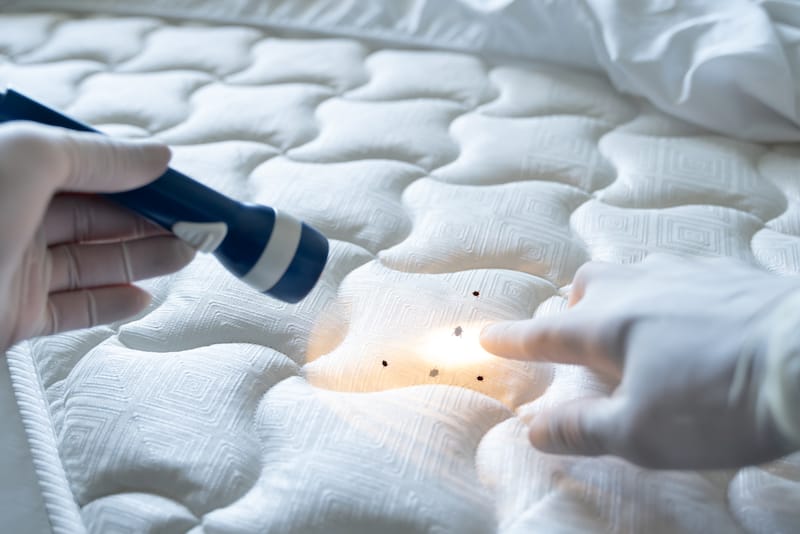
- Fecal Spots (Black Spots): Small, dark brown or black spots, similar to specks of ground pepper or dried blood. These are bed bug excrement and will often “bleed” like a marker on fabric if wiped with a damp cloth. Look for them along mattress seams, on sheets, and behind headboards.
- Blood Spots: Tiny rust-colored spots on sheets or pillowcases, which are either crushed bed bugs or dried blood from bites.
- Musty Odor: In cases of severe infestation, a sweet, musty odor, sometimes described as similar to cilantro or rotting raspberries, may be present.
By diligently searching for these signs, you can effectively determine if your room is compromised. This detailed inspection is key to a worry-free stay, whether you’re enjoying local culture in Tokyo or relaxing at an all-inclusive resort.
What to Do If You Find Bed Bugs
Discovering bed bugs in your hotel room can be alarming, but it’s crucial to remain calm and act swiftly and decisively. Your immediate actions can prevent further problems and ensure your safety and comfort.
Immediate Action: Documenting and Notifying Staff
If your thorough inspection reveals evidence of bed bugs or even live pests, do not panic. Here’s what to do:
- Do Not Unpack: If you haven’t unpacked, great. If you have, carefully re-seal everything in your luggage, preferably in large plastic bags. Do not move your belongings to another part of the room or another room until instructed by staff, as this could spread the infestation.
- Document Everything: Use your phone to take clear photos and videos of the bed bugs, eggs, shed skins, fecal spots, and any bites on your body. This documentation is vital evidence for your complaint and potential compensation. Note the exact date, time, and room number.
- Contact Hotel Management Immediately: Politely but firmly notify the front desk or hotel manager about your discovery. Present your evidence. Do not downplay the situation; explain that you have found live bed bugs or clear signs of their presence. Be prepared to show them your documentation.
- Request a New Room: Insist on being moved to a new room. Crucially, ask for a room that is not adjacent to your current room (above, below, or next door), as bed bugs can easily travel through walls and utility lines. Ideally, request a room on a different floor or in a different wing of the hotel.
- Inspect the New Room: Just because you’ve been moved doesn’t mean you can skip the inspection. Thoroughly check your new room using the “BE S.M.A.R.T.” method before settling in.
Most reputable establishments, like those under the Hilton or Hyatt brands, have protocols for dealing with bed bug complaints and will typically move guests to a different room. Their reputation depends on handling such incidents professionally.
Securing a New Room or Accommodation
If the hotel cannot provide a suitable, bed-bug-free room (i.e., one that is demonstrably clear of any signs and not adjacent to the infested room), or if you feel uncomfortable staying at that property, you have the right to seek alternative accommodation.
- Request a Refund: If you decide to leave the hotel, request a full refund for your stay. Your documentation will support this request.
- Seek External Accommodation: Look for another hotel or apartment rental nearby. Use online booking platforms and check recent reviews for any mentions of bed bugs. While a single mention shouldn’t deter you entirely, multiple recent reports are a serious red flag.
- Protect Your Belongings During Transfer: When moving rooms or hotels, keep your luggage sealed. Do a quick visual check of the outside of your bags before leaving the infested room to ensure no bugs are hitchhiking on the exterior.
Remember, your health, comfort, and peace of mind are paramount. Don’t feel pressured to stay in a compromised environment. Hotels thrive on positive guest experiences, and they should take bed bug concerns seriously.
Proactive Prevention and Post-Trip Protocols
Even after a thorough inspection, ongoing vigilance and smart habits can further protect you throughout your trip and, crucially, when you return home. Preventing bed bugs from hitchhiking into your personal space is as important as detecting them in a hotel room.
Safeguarding Your Luggage During Your Stay
Your luggage is the primary vehicle for bed bug travel. Taking a few simple precautions can dramatically reduce the risk of bringing these pests home.
- Elevate Your Luggage: Never place your suitcase directly on the floor, especially on carpet. Use the metal luggage rack if it has been thoroughly inspected and cleared. If not, use a hard surface like a desk or a sturdy chair away from the bed.
- Utilize the Bathroom: As initially advised, the bathroom is the safest place for your luggage. The hard, slick surfaces of tiles and porcelain offer fewer hiding places, and bed bugs are less likely to travel into this area.
- Keep Zippers Closed: Keep your suitcase zipped shut when not in use. This provides a barrier against any adventurous bugs looking for a new home.
- Store Clothes in Bags: Consider keeping clothes in sealable plastic bags within your suitcase. This is particularly useful for dirty laundry, which has been shown to attract bed bugs.
- Inspect Before Departure: Before checking out, perform another quick inspection of your luggage, especially the seams and pockets, and any items left outside your suitcase.
These practices should be maintained whether you’re staying in a high-end Sheraton or a budget-friendly Holiday Inn, as bed bugs are an equal opportunity pest.
De-bugging Your Return Home
The ultimate goal of your vigilance is to prevent bed bugs from entering your home. Your return ritual is therefore critical.
- Exterior Inspection: Before bringing your luggage inside your home, inspect the exterior of your suitcases for any signs of bed bugs. If possible, do this outdoors or in your garage.
- Laundry First: Immediately upon entering, take all your clothes (clean and dirty) directly to the laundry room. Wash and dry everything on the highest heat settings possible. High heat (above 120°F or 49°C) is lethal to bed bugs and their eggs. This includes items you didn’t wear, as bugs can hide anywhere.
- Vacuum Luggage: Thoroughly vacuum your suitcases, paying close attention to seams, zippers, and pockets. Dispose of the vacuum bag immediately by sealing it in a plastic bag and placing it in an outdoor trash bin.
- Heat Treatment (If Possible): If you have a portable steamer, consider steaming your luggage. Hard-shell suitcases can be wiped down with disinfectant.
- Store Luggage Away from Bed: Store your luggage in a garage, attic, or basement rather than in your bedroom closet, if possible, until you are certain it’s bug-free.
- Monitor for Bites: Over the next few weeks, pay attention to any new bites on your body. If you notice suspicious bites, immediately inspect your bed and surrounding areas at home.
By integrating these preventive steps into your travel guides and post-trip routine, you can significantly reduce the risk of a bed bug infestation, allowing you to reminisce about the wonders of Italy or the vibrant streets of Mexico without the lingering dread of unwanted souvenirs. A comprehensive approach ensures that your travel adventures remain positive, comfortable, and truly free from worries.
LifeOutOfTheBox is a participant in the Amazon Services LLC Associates Program, an affiliate advertising program designed to provide a means for sites to earn advertising fees by advertising and linking to Amazon.com. Amazon, the Amazon logo, AmazonSupply, and the AmazonSupply logo are trademarks of Amazon.com, Inc. or its affiliates. As an Amazon Associate we earn affiliate commissions from qualifying purchases.