
Understanding Civil Lawsuits in Florida
What Constitutes a Civil Lawsuit?
A civil lawsuit in Florida is a formal legal dispute between two or more parties seeking monetary damages or specific performance rather than criminal sanctions. These cases typically involve individuals, businesses, or government entities, and they arise from disputes such as contract breaches, personal injuries, property damage, or unpaid debts. Unlike criminal cases, which involve the state prosecuting an individual for a crime, civil cases are initiated by a private party (the plaintiff) against another private party (the defendant) to resolve a legal disagreement and obtain a remedy.
Navigating the civil justice system can seem daunting, especially for those unfamiliar with legal procedures. However, understanding the fundamental steps and requirements can empower individuals to protect their rights and interests. Whether you are seeking compensation for harm suffered or defending against an unsubstantiated claim, grasping the procedural framework is crucial for a successful outcome. This guide aims to demystify the process of filing a civil lawsuit in Florida, offering a clear roadmap for plaintiffs.

Jurisdiction and Venue
Before initiating a lawsuit, it is essential to determine the appropriate court. In Florida, civil cases are generally heard in either County Courts or Circuit Courts.
- Florida County Courts have jurisdiction over cases involving claims of up to $30,000. This includes small claims cases (up to $8,000) and other civil disputes within the monetary limit.
- Florida Circuit Courts handle cases where the amount in controversy exceeds $30,000. These courts also have exclusive jurisdiction over specific types of cases, regardless of the monetary amount, such as those involving real estate, family law matters (dissolution of marriage, child custody), probate, and cases seeking injunctive relief.
Beyond jurisdiction, venue refers to the specific geographic location within Florida where the case should be filed. Generally, venue is proper in the county where the defendant resides, where the cause of action arose, or where the property in dispute is located. Incorrectly filing in the wrong court or county can lead to delays or even dismissal of the case.
Initial Steps Before Filing
Investigation and Evidence Gathering
A strong civil lawsuit is built on solid evidence. Before filing, plaintiffs must conduct thorough investigations and gather all relevant documentation, communications, and other forms of evidence to support their claims. This may include:
- Contracts, agreements, and invoices.
- Emails, text messages, and other written correspondence.
- Photographs and videos of damages, injuries, or relevant scenes.
- Witness statements or contact information for potential witnesses.
- Medical records, police reports, or expert opinions in personal injury cases.
- Financial records demonstrating losses or damages.
Organizing this evidence systematically from the outset is vital. It not only strengthens the legal arguments but also prepares for potential discovery phases later in the litigation process.
Demand Letters and Settlement Negotiations
Often, a lawsuit can be avoided through pre-litigation efforts. Sending a formal demand letter to the opposing party outlining the claims, the damages sought, and an intention to file a lawsuit if a resolution isn’t reached, can be an effective first step. This letter serves multiple purposes:
- It formally notifies the other party of the dispute.
- It demonstrates a willingness to resolve the matter amicably.
- It can initiate settlement negotiations, potentially saving significant time and legal costs associated with a full-blown lawsuit.
Many civil disputes in Florida are resolved through negotiation, mediation, or arbitration without ever reaching a trial. Engaging in good-faith negotiations can lead to a mutually agreeable settlement, providing a quicker and less stressful resolution.
Consulting with Legal Counsel
While individuals have the right to represent themselves in Florida civil courts (pro se), navigating the complexities of civil procedure, evidence rules, and substantive law is exceptionally challenging. Consulting with an experienced Florida civil litigation attorney is highly recommended. An attorney can:
- Evaluate the merits of your case and assess the likelihood of success.
- Advise on the appropriate court, jurisdiction, and venue.
- Help gather and organize evidence effectively.
- Draft all necessary legal documents accurately.
- Represent your interests during negotiations, mediation, and trial.
- Ensure compliance with the Florida Rules of Civil Procedure and other applicable Florida Statutes.
Their expertise can significantly impact the outcome of your case and streamline the entire process, making it a sound investment for serious legal matters.
The Formal Filing Process
Drafting the Complaint
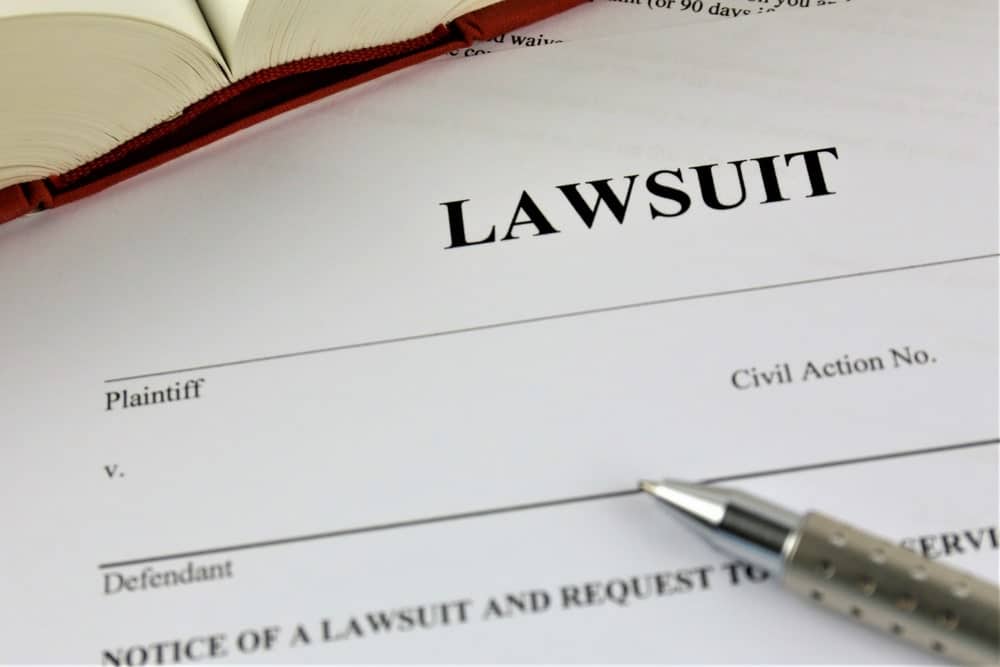
The first formal step to initiating a civil lawsuit is drafting and filing a “Complaint” with the appropriate court. The Complaint is a foundational legal document that formally states the plaintiff’s claims against the defendant(s). It must include:
- The names and addresses of all parties involved (plaintiffs and defendants).
- A clear statement of the court’s jurisdiction and venue.
- A concise statement of the facts leading to the dispute.
- The legal basis for the claims (e.g., breach of contract, negligence).
- A demand for the specific relief sought (e.g., monetary damages, specific performance, injunction).
The Complaint must adhere to the stringent requirements set forth in the Florida Rules of Civil Procedure. Failure to properly draft the Complaint could lead to its dismissal or require costly amendments.
Filing the Complaint and Paying Fees
Once drafted, the Complaint must be filed with the Clerk of Court in the appropriate county. This typically involves submitting the original document along with any required copies. A filing fee is almost always required at this stage. These fees vary by court and the type of case. If a plaintiff cannot afford the filing fees, they may be eligible to file a “Motion to Defer Payment of Filing Fees” or an “Affidavit of Indigence” to request a waiver.
Upon filing, the Clerk of Court will assign a case number and stamp the documents. This officially commences the lawsuit.
Serving the Defendant(s)
After filing the Complaint, the plaintiff is responsible for formally notifying the defendant(s) that they have been sued. This process is known as “service of process.” Service must be performed according to specific legal rules to ensure the defendant receives proper notice and has an opportunity to respond.
- In Florida, service is typically carried out by a sheriff or a certified private process server.
- The defendant receives a copy of the Complaint and a “Summons,” which is a court order informing them that they must respond to the lawsuit within a specific timeframe (usually 20 days in Florida).
- Proof of service must then be filed with the court, demonstrating that the defendant was properly notified.
Improper service can invalidate the lawsuit, requiring the plaintiff to re-attempt service, causing significant delays.
Subsequent Stages of a Civil Lawsuit
Defendant’s Response
Once served, the defendant has a limited time to respond to the Complaint. Their response typically takes one of several forms:
- Answer: A formal document admitting or denying each allegation in the Complaint and presenting any affirmative defenses.
- Motion to Dismiss: A request to the court to throw out the lawsuit, often arguing that the Complaint fails to state a valid legal claim or that the court lacks jurisdiction.
- Counterclaim: A separate lawsuit filed by the defendant against the plaintiff within the same action.
- Cross-claim: A claim filed by one defendant against another co-defendant.
Discovery Phase
The discovery phase is a critical and often lengthy part of civil litigation. During this period, both parties exchange information and evidence to prepare their cases for trial or settlement. Common discovery methods include:
- Interrogatories: Written questions sent by one party to another, which must be answered under oath.
- Requests for Production of Documents: Demands for specific documents, emails, medical records, or other tangible evidence.
- Depositions: Out-of-court, sworn testimony taken from witnesses or parties under oath, typically recorded by a court reporter.
- Requests for Admission: Written requests asking the opposing party to admit or deny certain facts or the authenticity of documents.
This phase is crucial for uncovering facts, identifying witnesses, and understanding the strengths and weaknesses of each side’s arguments.
Mediation and Trial
Many civil lawsuits in Florida are resolved through court-ordered mediation before proceeding to trial. Mediation involves a neutral third-party mediator who helps the parties explore settlement options and reach a mutually acceptable agreement. If mediation is unsuccessful, the case will proceed towards trial.
A civil trial involves presenting evidence, examining witnesses, and making legal arguments before a judge or jury. The court will ultimately render a judgment, determining liability and the appropriate remedies. Post-trial motions and appeals may follow, extending the duration of the legal process.
Conclusion: Navigating Your Path in Florida
Filing a civil lawsuit in Florida is a structured process that demands meticulous attention to detail, adherence to strict procedural rules, and a thorough understanding of legal principles. While the journey from initial dispute to final resolution can be complex and time-consuming, being informed about each stage is the first step toward effective advocacy. Whether you are safeguarding personal assets, pursuing justice for an injury, or enforcing a contract, understanding the framework laid out in Florida’s civil courts is paramount. Always consider seeking professional legal guidance to ensure your rights are fully protected and your case is presented with the strongest possible foundation.
LifeOutOfTheBox is a participant in the Amazon Services LLC Associates Program, an affiliate advertising program designed to provide a means for sites to earn advertising fees by advertising and linking to Amazon.com. Amazon, the Amazon logo, AmazonSupply, and the AmazonSupply logo are trademarks of Amazon.com, Inc. or its affiliates. As an Amazon Associate we earn affiliate commissions from qualifying purchases.