
Navigating the complexities of divorce can feel like an arduous journey, akin to planning a significant international trip without a map. While the initial thought of divorce might bring about feelings of uncertainty and a desire to escape to a peaceful resort, the reality involves a structured legal process. This guide aims to demystify the steps involved in filing for divorce in California, offering clarity and a sense of direction, much like a well-researched travel itinerary. We will explore the essential phases, from initial preparation to the finalization of your divorce, drawing parallels to the planning and execution of a memorable travel experience.
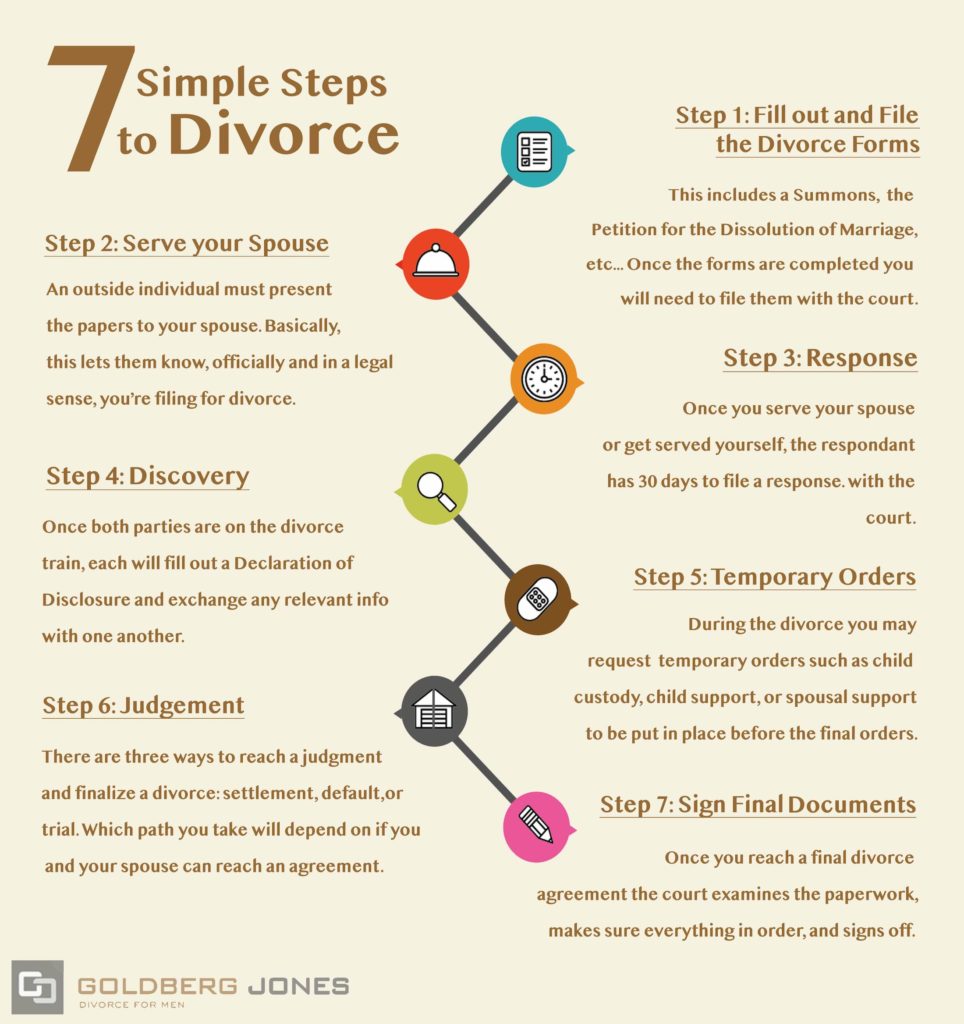
Understanding the California Divorce Process: A Comprehensive Overview
Embarking on the divorce process in California, like planning a trip to a new and unfamiliar destination, requires a thorough understanding of the landscape. You wouldn’t book a flight to Paris without knowing the visa requirements or the best time to visit. Similarly, before initiating divorce proceedings, it’s crucial to grasp the fundamental legal requirements and stages involved. This section will lay the groundwork, providing an overview of what to expect, much like familiarizing yourself with a country’s customs and essential phrases before you arrive.
Residency Requirements: Establishing Your Ground
Before you can even consider the “how” of filing for divorce in California, you must meet specific residency prerequisites. Think of this as ensuring you have the correct visa or travel documents to enter a country. To file for divorce in California, one spouse must have lived in the state for at least six months and in the specific county where they intend to file for at least three months. This ensures a genuine connection to the state and its legal system.
For example, if you have recently relocated from a bustling city like New York to the serene beaches of San Diego, you’ll need to wait until you’ve established your six-month residency in California and your three-month residency within San Diego County before you can officially begin divorce proceedings there. This residency rule is a cornerstone of the legal process, preventing individuals from forum shopping or using the California courts for convenience without a substantial tie to the state.
Types of Divorce in California: Choosing Your Path
California recognizes two primary types of divorce: dissolution of marriage and legal separation. Understanding the distinction is akin to choosing between a full-immersion cultural tour and a relaxing spa retreat; both offer an experience, but with different outcomes.
Dissolution of Marriage (Divorce)
A dissolution of marriage, commonly referred to as divorce, fully terminates the marital union. This is the path most people envision when they think of ending a marriage. It allows both parties to remarry and signifies a complete legal separation. The process involves dividing assets and debts, addressing child custody and support, and determining spousal support.
Legal Separation
A legal separation allows couples to live apart and resolve issues like property division, child custody, and support, but they remain legally married. This option might be chosen for religious reasons, to maintain health insurance coverage, or for other personal considerations. A legal separation does not allow either party to remarry. It’s a structured separation that provides legal clarity without dissolving the marriage entirely.
Filing the Initial Papers: The First Steps of Your Journey
The commencement of a divorce case involves filing specific legal documents with the court. This is the equivalent of booking your flights and accommodation for your trip – the essential first actions that set your journey in motion.
Petition for Dissolution and Summons
The spouse initiating the divorce, known as the petitioner, must file a Petition for Dissolution of Marriage (Form FL-100) and a Summons (Form FL-110) with the Superior Court in their county. The Petition outlines the basic information about the marriage, including the names of the parties, the date of marriage, and the grounds for divorce (California is a no-fault state, meaning you don’t need to prove wrongdoing). The Summons officially notifies the other spouse (the respondent) that a divorce action has been filed and that they have a limited time to respond.
Service of Process
Once the initial documents are filed, they must be formally served on the respondent. This means delivering copies of the Petition and Summons to the respondent in a legally recognized manner. This is crucial for due process and ensures the respondent is aware of the legal action and has an opportunity to participate in the proceedings. Service can be done by a sheriff, a professional process server, or even a friend or relative who is over 18 and not a party to the case. The server will then file a Proof of Service with the court.
Navigating the Divorce Landscape: Key Stages and Considerations
Once the initial documents are filed and served, the divorce process moves into its more involved stages. Think of this as the exploration phase of your travel, where you delve deeper into the attractions and experiences of your chosen destination. These stages require careful attention and often involve negotiation and legal guidance.
Responding to the Petition: Your Opportunity to Be Heard
After being served with the Petition for Dissolution and Summons, the respondent has a limited time, typically 30 days, to file a Response with the court. This is the respondent’s chance to state their position on the issues raised in the Petition. Failure to respond can lead to a default judgment, where the court may grant the petitioner everything they requested without the respondent’s input.
The Response Form
The respondent files a Response – Marriage/Domestic Partnership (Form FL-120). This document allows the respondent to agree with or dispute the claims made in the Petition. They can also raise their own issues, such as requests for child custody, spousal support, or the division of specific assets.
Financial Disclosures: Revealing Your Assets and Debts
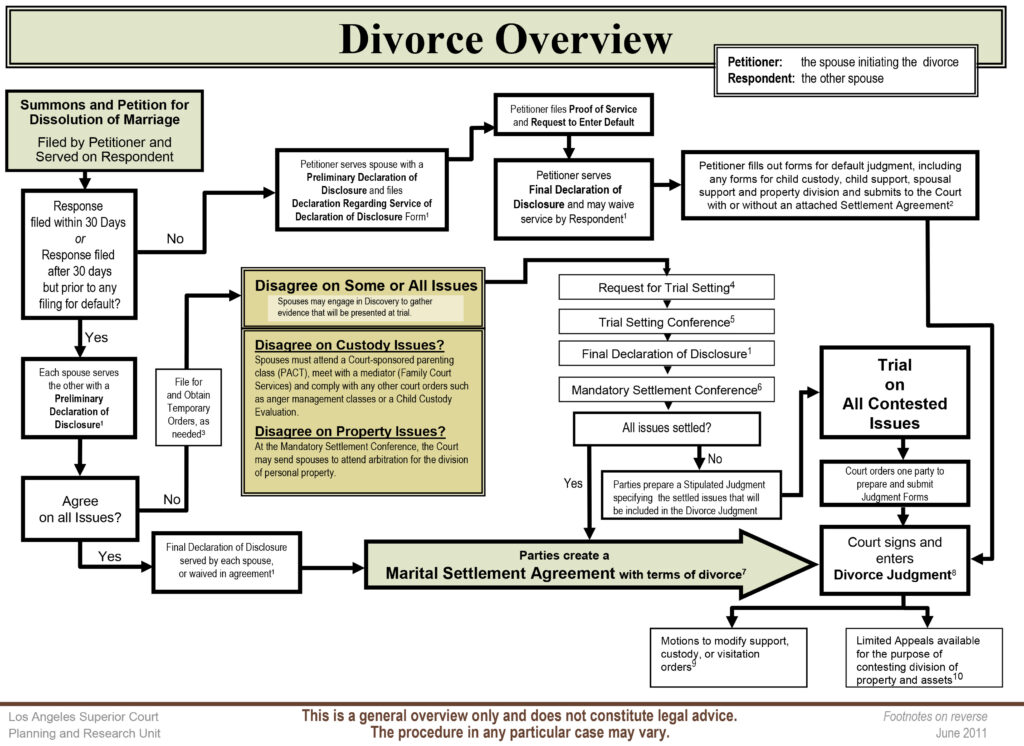
A critical component of any divorce proceeding in California is the exchange of financial information. This is analogous to creating a detailed budget for a long-term travel stay; you need to know exactly what resources you have available. Both parties are required to provide a full and accurate disclosure of all their assets, debts, income, and expenses. This process ensures that all marital property is identified and can be divided fairly.
Preliminary Declaration of Disclosure
Within 60 days of filing the Petition, the petitioner must serve a Preliminary Declaration of Disclosure on the respondent. The respondent must then serve theirs within 60 days of filing their Response. These declarations include detailed financial statements and supporting documents, such as tax returns, bank statements, pay stubs, and property deeds.
Final Declaration of Disclosure
Before a divorce can be finalized, both parties must also complete a Final Declaration of Disclosure. This ensures that all financial information is up-to-date at the time of the divorce judgment.
Reaching Agreements: The Art of Negotiation
Many divorce cases are resolved through mutual agreement rather than through a trial. This is often the most amicable and cost-effective way to end a marriage, much like finding common ground on activities with travel companions to ensure everyone enjoys the trip.
Settlement Agreements
Spouses can negotiate and agree on terms related to child custody, child support, spousal support, and the division of community property (assets and debts acquired during the marriage). These agreements can be reached through direct negotiation, mediation, or with the assistance of attorneys.
Mediation
Mediation involves a neutral third party, the mediator, who helps the couple discuss and resolve their issues. Mediators do not make decisions but facilitate communication and guide the parties toward a mutually acceptable solution.
Court Hearings and Trial: When Agreement Isn’t Possible
If parties cannot reach an agreement on all issues, court intervention becomes necessary. This is the less common, but sometimes unavoidable, aspect of a divorce, akin to encountering unexpected travel disruptions that require professional assistance to resolve.
Hearings
Throughout the divorce process, various court hearings may be scheduled to address specific issues, such as temporary custody orders, support modifications, or discovery disputes.
Trial
If no settlement is reached, the case will proceed to trial. At trial, both parties will present evidence and arguments to a judge, who will then make a final decision on all unresolved issues. This is the most formal and potentially stressful part of the divorce process.
Finalizing Your Divorce: The End of a Chapter, The Beginning of a New Journey
The final stage of a divorce process is akin to completing your travel itinerary and returning home, but with the prospect of future adventures. It involves formalizing the agreements or court orders and receiving a judgment of dissolution.
Judgment of Dissolution
Once all issues are resolved, either through settlement or court order, a Judgment of Dissolution of Marriage is prepared and submitted to the court for approval. This document legally terminates the marriage and outlines the terms of the divorce, including all orders regarding property division, child custody and support, and spousal support.
The Waiting Period
California has a mandatory six-month waiting period from the date the respondent was served with the Summons and Petition until the earliest date the divorce can become final. Even if all agreements are reached and the judgment is signed earlier, the divorce cannot be officially entered until this waiting period has passed. This waiting period is a legal requirement, designed to provide parties with a final opportunity for reconciliation or to fully consider the ramifications of their decision.
Post-Divorce Life: Embracing the Future
As you move forward after your divorce, remember that this is not an ending but a transition. Much like returning from an enriching travel experience, you carry new perspectives and a renewed sense of self. You may be embarking on a new chapter that involves establishing a new residence, perhaps even a new lifestyle, exploring new destinations, or simply rediscovering personal interests. Whether you’re considering long-term stays in a new city or planning budget-friendly family trips, the skills of planning and adapting learned through the divorce process can serve you well in future endeavors.
Understanding the divorce process in California empowers you to approach this significant life event with knowledge and confidence. While the legalities can seem daunting, breaking them down into manageable steps, much like planning a complex journey, makes the process more approachable. Seeking legal counsel from a qualified attorney is highly recommended to ensure your rights are protected and that the process is navigated smoothly and efficiently.