
The allure of working in the rugged, remote landscapes of Alaska often extends beyond the breathtaking scenery and unique lifestyle. For many, the prospect of a high-paying job in the state’s vital oil and gas industry is a significant draw. Specifically, the question of how much drilling rig workers earn in this frontier state is a common one, sparking curiosity about the financial rewards of this demanding profession. This article delves into the earning potential of drilling rig workers in Alaska, exploring the factors that influence their salaries and providing insights into the lifestyle that accompanies such a career.
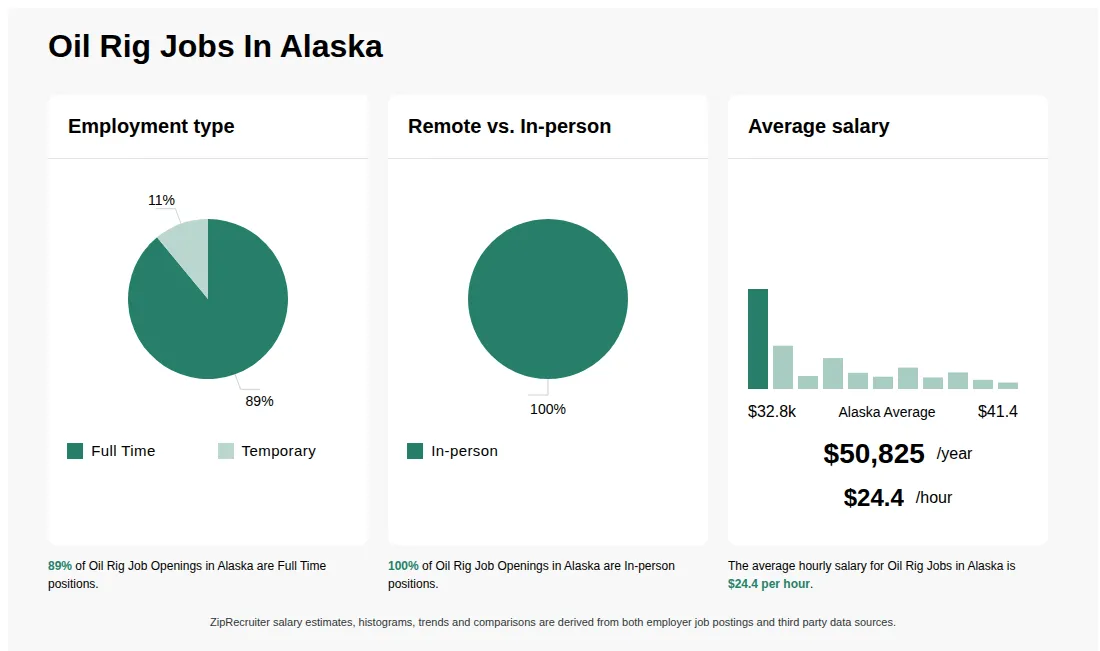
The oil and gas industry has long been a cornerstone of Alaska‘s economy, and the demand for skilled labor on drilling rigs remains consistent. These operations, often situated in challenging and isolated environments like the North Slope, require dedicated individuals willing to endure demanding work conditions. In return, the compensation packages are designed to reflect the risks, sacrifices, and specialized skills involved. Understanding the salary landscape is crucial for anyone considering a career in this sector, as it directly impacts their financial future and lifestyle choices.
The Economics of Alaskan Oil & Gas: A Lucrative Landscape
The economic engine of Alaska is inextricably linked to its vast oil and gas reserves. The discovery of oil at Prudhoe Bay in the late 1960s transformed the state’s financial standing and fueled a robust industry that continues to be a major employer. This industry’s inherent nature, characterized by complex operations, technological sophistication, and logistical challenges, necessitates a highly skilled and compensated workforce. Drilling rig workers are at the forefront of this endeavor, playing a critical role in extracting the resources that power not just Alaska but also contribute significantly to the broader energy market.
The profitability of oil and gas extraction in Alaska directly influences the wages offered to its workers. When commodity prices are high, companies are often willing to offer more competitive salaries and benefits to attract and retain talent. Conversely, fluctuations in global energy markets can impact hiring and wage adjustments. However, even during periods of lower oil prices, the specialized nature of the work and the cost of living in Alaska generally ensure that drilling rig positions remain financially rewarding.
Factors Influencing Drilling Rig Worker Salaries in Alaska
The salary of a drilling rig worker in Alaska is not a one-size-fits-all figure. Several key factors contribute to the variation in earnings, making it essential to understand these elements for a comprehensive picture. These include experience level, specific job role, the operating company, and the location of the rig.
Experience and Skill Level
Perhaps the most significant determinant of a drilling rig worker’s salary is their level of experience and their specific skill set. Entry-level positions, such as roustabouts or floorhands, typically command lower starting salaries compared to experienced derrickhands, drillers, or toolpushers. Roustabouts, for instance, are often responsible for the more physically demanding tasks, such as cleaning, maintaining equipment, and assisting with heavy lifting. As they gain experience, learn new skills, and progress through the ranks, their earning potential increases substantially.
A derrickhand, who works on the derrick structure to assist the driller, generally earns more than a floorhand due to the increased responsibility and specialized nature of their role. The driller, responsible for overseeing the entire drilling operation, and the toolpusher, who manages the rig and crew, are among the highest-paid positions on a rig, reflecting their extensive experience, leadership responsibilities, and the critical nature of their decisions.
Alaska‘s unique environment also places a premium on experienced workers who are familiar with the specific challenges of operating in arctic conditions. This includes knowledge of working with specialized equipment designed for extreme cold, navigating frozen terrains, and adhering to stringent environmental and safety regulations. Consequently, experienced personnel with a proven track record in Alaska‘s oil fields often command higher salaries.
Job Role and Responsibilities
The specific role a worker plays on the drilling rig directly correlates with their salary. The hierarchy on a drilling rig is well-defined, with each position carrying distinct responsibilities and, consequently, different pay scales.
- Roustabout: The foundational role, often requiring no prior experience. Responsibilities include general labor, maintenance, and assisting other crew members.
- Floorhand/Roughneck: Works on the drill floor, assisting the driller and derrickhand. This role involves handling drill pipe, operating equipment, and performing routine maintenance.
- Derrickhand: Works on the derrick, managing the drill pipe and other equipment during drilling operations. This is a crucial role requiring coordination and physical agility.
- Driller: Oversees the entire drilling process, controlling the drilling equipment and making critical decisions regarding drilling parameters. This position requires significant experience and technical knowledge.
- Assistant Driller: Assists the driller in all aspects of the drilling operation.
- Motorhand: Responsible for maintaining and operating the rig’s engines and power systems.
- Cook/Catering Staff: While not directly involved in drilling, these roles are essential for the well-being of the crew and are compensated accordingly.
- Mechanic/Electrician: Specialized roles focused on maintaining the complex machinery and electrical systems of the rig.
- Toolpusher: The highest-ranking on-site position, responsible for the overall management of the rig, crew, and operations. This role involves significant leadership and problem-solving skills.
The progression from an entry-level roustabout to a skilled driller or toolpusher represents a significant career path with commensurate salary increases. Many companies offer training programs and opportunities for advancement, encouraging workers to develop their skills and climb the ranks.
Operating Company and Contract Type
The specific oil and gas company operating the rig, as well as the nature of the employment contract, can also influence compensation. Major operators and service companies in Alaska often compete for talent, leading to competitive salary packages. Larger, more established companies might offer more comprehensive benefits and potentially higher base salaries, while smaller contractors might have different compensation structures.
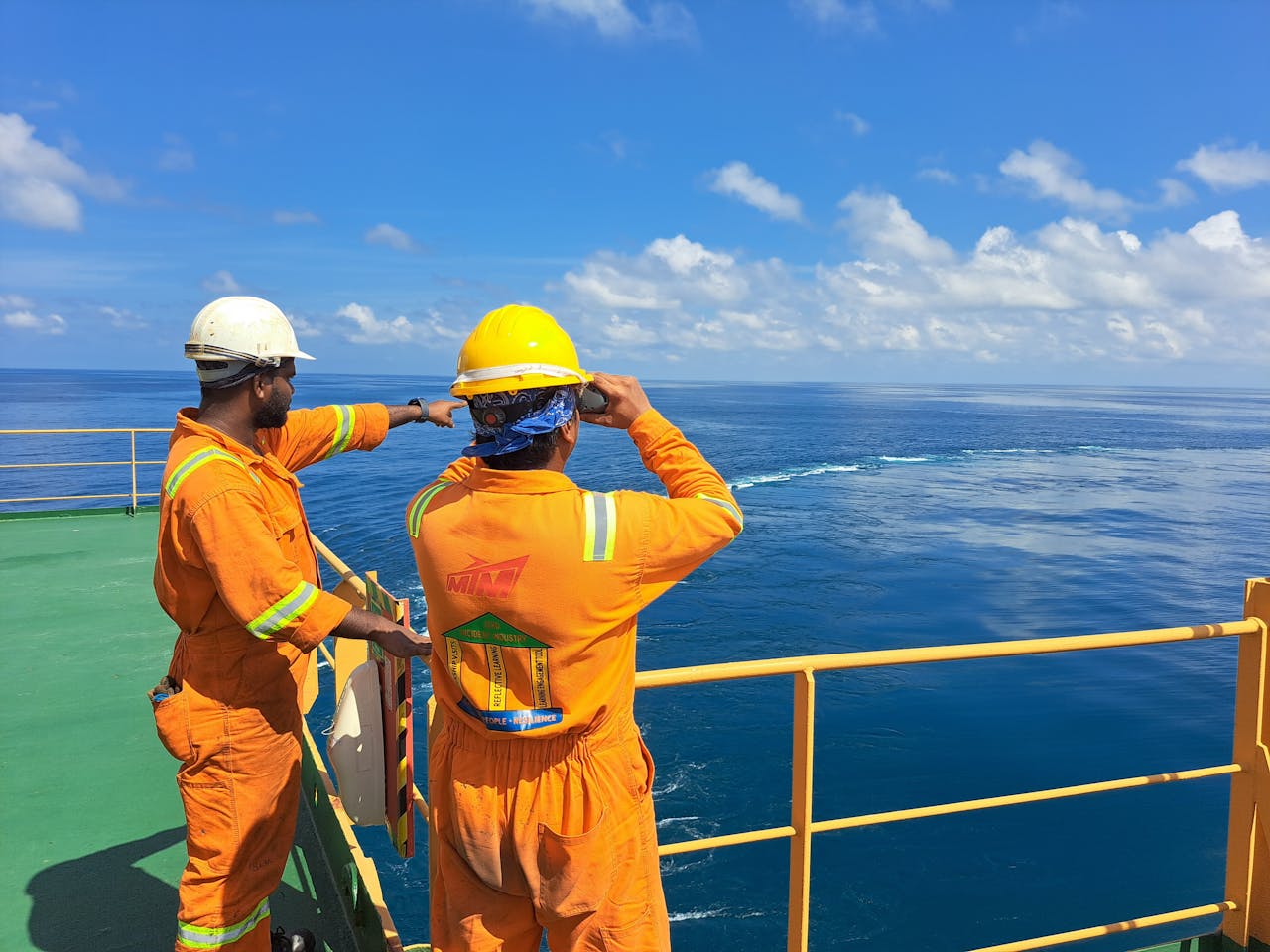
The type of contract – whether direct employment with an operating company or employment through a service company that contracts its personnel to the rig – can also affect pay. Some service companies might offer higher hourly rates but fewer benefits, while direct employment could include more robust health insurance, retirement plans, and paid time off. Furthermore, the demand for workers in Alaska’s unique market often means that companies are willing to offer attractive packages to secure qualified personnel. Companies like ConocoPhillips and ExxonMobil are major players in Alaska‘s oil sector, and their hiring practices and compensation can set industry standards.
Location of the Rig
The remoteness and logistical challenges associated with drilling operations in Alaska significantly impact wages. Rigs located in more isolated areas, such as the North Slope, often offer higher pay to compensate for the added difficulty of transportation, supply chain management, and the longer periods workers spend away from home. Workers on remote North Slope sites may experience longer work rotations and more challenging living conditions, but this is often reflected in a higher overall compensation package.
The cost of living in Alaska, particularly in remote regions, is also considerably higher than in the contiguous United States. This includes expenses for groceries, housing (during time off), and general supplies. The higher wages on drilling rigs help offset these increased costs for workers.
Typical Salary Ranges for Drilling Rig Workers in Alaska
Given the influencing factors, providing exact salary figures can be challenging, but we can outline typical ranges based on job roles and experience. It’s important to remember that these are averages and can vary.
- Roustabout/Entry-Level: Salaries can range from $50,000 to $70,000 annually. This might include overtime pay, which is common in the industry, pushing total earnings higher.
- Floorhand/Roughneck: With some experience, earnings can increase to $60,000 to $90,000 per year.
- Derrickhand: Experienced derrickhands can expect to earn between $75,000 and $120,000 annually, depending on their proficiency and the rig’s operational demands.
- Driller: The earning potential for a driller is substantial, with salaries typically ranging from $90,000 to $150,000 or more per year. This reflects the critical nature of their role and the experience required.
- Toolpusher: As the highest-ranking supervisor on the rig, toolpushers can earn upwards of $120,000 to $200,000 annually, reflecting their extensive experience, management responsibilities, and decision-making authority.
These figures often do not include potential bonuses, overtime pay, and the value of benefits such as health insurance, retirement contributions, and paid travel to and from the work site. Many drilling rig jobs in Alaska operate on a rotational basis, such as 14 days on and 14 days off, or 21 days on and 21 days off. While workers are on the rig, they typically work long hours, often 12-hour shifts, seven days a week. However, during their off-time, they have extended periods away from work, which can contribute to a unique lifestyle.
Beyond the Base Salary: Benefits and Perquisites
The financial compensation for drilling rig workers in Alaska extends beyond their base salary. Companies typically offer comprehensive benefits packages designed to attract and retain a skilled workforce in a demanding industry. These benefits are a significant part of the overall compensation and contribute to the financial well-being of the workers and their families.
- Health Insurance: Robust health insurance plans are standard, covering medical, dental, and vision care. This is crucial for workers in a physically demanding profession and in a state where healthcare can be expensive.
- Retirement Plans: Many companies offer 401(k) plans with employer matching contributions, allowing workers to save for their future.
- Paid Time Off: While workers are on rotation for extended periods, they typically accrue paid time off that they can use during their weeks off.
- Travel and Accommodation: Companies usually cover the cost of travel to and from the rig site from designated points of hire. On the rig, accommodation, meals, and laundry services are provided, significantly reducing a worker’s out-of-pocket expenses while on the job. This “all-inclusive” aspect of working on a rig can lead to substantial savings for employees.
- Per Diems and Bonuses: Some companies may offer per diem allowances for expenses incurred during travel or time off, and performance-based bonuses can also be a part of the compensation structure.
- Training and Development: Investment in employee training and professional development is common, helping workers gain new certifications and advance their careers.
The provision of accommodation and meals on the rig is a particularly attractive perk. It means that a significant portion of a worker’s salary can be saved, as living expenses are largely covered during their work rotations. This can accelerate financial goals such as saving for a down payment on a home, paying off debts, or investing for the future.

The Lifestyle of an Alaskan Drilling Rig Worker
Working on an Alaskan drilling rig is not just a job; it’s a lifestyle. The demanding nature of the work, the long hours, and the time spent away from family and friends require a certain type of individual. However, the financial rewards and the unique experiences offered can be highly appealing.
The rotational schedule provides extended periods of free time, allowing workers to pursue hobbies, travel, spend quality time with loved ones, or engage in personal projects. Many use this time to explore other parts of Alaska or travel to different destinations. For those who enjoy the outdoors, Alaska itself offers unparalleled opportunities for adventure, from fishing in Kenai to exploring the wilderness around Anchorage.
Living on a rig, while isolated, is a communal experience. Workers form strong bonds with their colleagues, sharing meals and downtime in a unique environment. The camaraderie built on these remote sites is often a significant aspect of the job satisfaction.
The financial independence that comes with a high-paying job in Alaska‘s oil industry can also enable a particular lifestyle. It allows for comfortable living during time off, the ability to support a family generously, and the potential for early retirement or significant financial security. For many, the sacrifices made while working on the rig are well worth the economic benefits and the opportunity to be part of Alaska‘s dynamic energy sector.
In conclusion, drilling rig workers in Alaska can earn substantial incomes, with salaries that reflect the challenging conditions, specialized skills, and critical importance of their work. The combination of competitive base pay, generous benefits, and a unique rotational lifestyle makes these positions highly sought after by individuals seeking both financial prosperity and an adventurous career path in the Last Frontier.
LifeOutOfTheBox is a participant in the Amazon Services LLC Associates Program, an affiliate advertising program designed to provide a means for sites to earn advertising fees by advertising and linking to Amazon.com. Amazon, the Amazon logo, AmazonSupply, and the AmazonSupply logo are trademarks of Amazon.com, Inc. or its affiliates. As an Amazon Associate we earn affiliate commissions from qualifying purchases.