
Obtaining a business license is a fundamental step for any entrepreneur looking to establish or operate a business within the state of Alabama. This process, while seemingly straightforward, involves navigating various levels of government and understanding specific requirements that can vary depending on the nature and location of your enterprise. This guide aims to demystify the journey to acquiring the necessary business licenses and permits in Alabama, ensuring a smooth and compliant launch for your venture.
Understanding the Alabama Business Licensing Landscape
In Alabama, business licensing is not a one-size-fits-all affair. The requirements are multifaceted, often involving a combination of state, county, and municipal regulations. This layered approach ensures that businesses are accountable to the jurisdictions in which they operate and comply with industry-specific standards.
State-Level Licenses and Permits
The Alabama Department of Revenue is the primary state agency responsible for issuing general business licenses and collecting relevant taxes. However, many professions and industries require specialized licenses or permits from other state agencies. These are often tied to public safety, health, and professional standards.
- General Business License: While Alabama doesn’t have a single, statewide general business license for all entities, most businesses will need to register with the Alabama Department of Revenue for tax purposes. This often involves obtaining a Sales and Use Tax Certificate if you will be selling tangible goods or taxable services. The application process is typically handled online through the state’s My Alabama Taxes portal.
- Professional and Occupational Licenses: A significant portion of businesses operate in fields regulated by specific state boards. These can include, but are not limited to:
- Healthcare: Physicians, nurses, dentists, pharmacists, and therapists must be licensed by their respective Alabama boards (e.g., Alabama Board of Medical Examiners, Alabama Board of Pharmacy).
- Construction: General contractors, electricians, plumbers, and HVAC technicians may need to be licensed by the Alabama Licensing Board for General Contractors or other specialized boards.
- Legal and Financial Services: Attorneys, accountants, real estate agents, and financial advisors are regulated by state-specific professional bodies.
- Hospitality and Food Service: Establishments serving food or beverages often require permits from the Alabama Department of Public Health, covering areas like food safety and sanitation.
- Beauty and Personal Care: Salons, barbershops, and other personal care businesses often require licenses for the establishment and its practitioners, overseen by the Alabama Board of Cosmetology.
It is crucial to identify which state agencies regulate your specific industry. The Alabama Secretary of State’s website and the Alabama Department of Commerce often provide resources and links to various licensing boards.
County and City Licenses
Beyond state requirements, businesses must also secure licenses from the local government entities where they are physically located or conduct significant business.
- County Licenses: Many counties in Alabama require a business license to operate within their unincorporated areas or even within incorporated cities, depending on the county’s ordinances. The county probate judge’s office or the county revenue commissioner’s office is typically the point of contact for these licenses. Some counties might have specific requirements for businesses like mobile food vendors or rental properties.
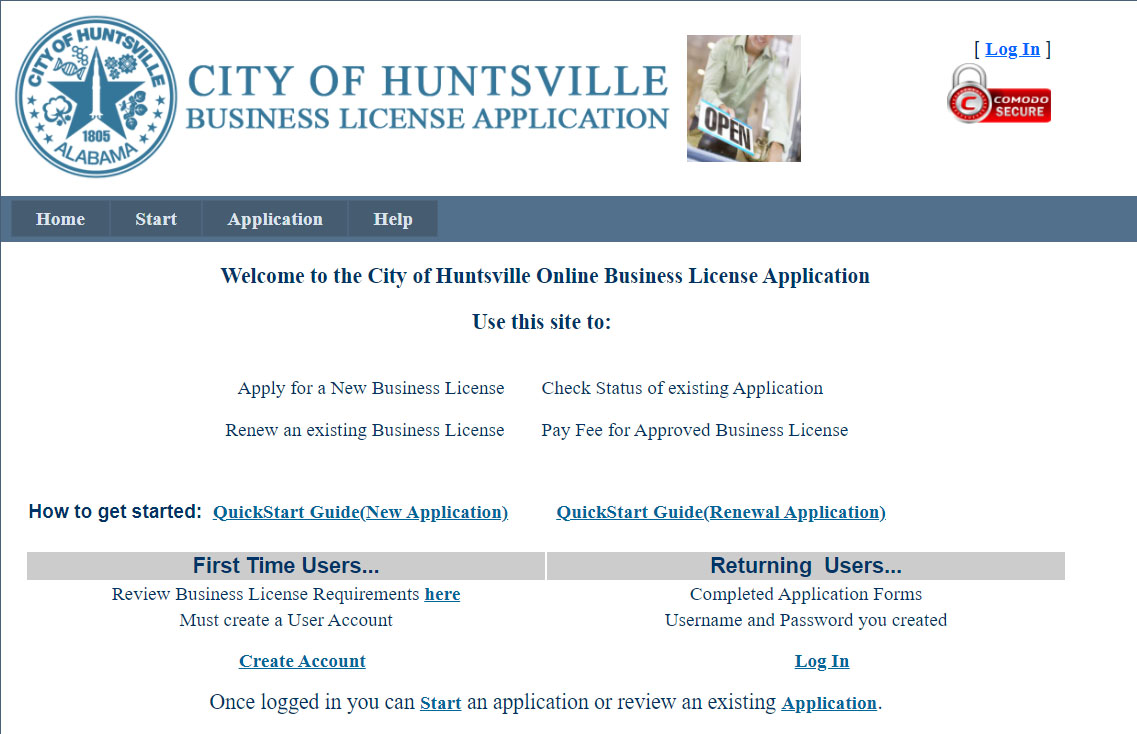
- Municipal Licenses: Cities and towns in Alabama almost universally require a business license for any enterprise operating within their corporate limits. The purpose of these licenses is often to generate local revenue and to allow the municipality to track businesses for zoning, safety, and emergency services purposes. The city clerk’s office, finance department, or a dedicated business license division handles these applications. Requirements can include proof of state registration, zoning compliance, and sometimes inspections.
For example, a business operating in downtown Birmingham will need to obtain a business license from the City of Birmingham, potentially a county license from Jefferson County, and any necessary state professional licenses.
Federal Licenses
While less common for small to medium-sized businesses, certain industries are regulated at the federal level and require federal licenses or permits. These typically pertain to activities that cross state lines or involve specific regulated products or services. Examples include:
- Alcohol, Tobacco, and Firearms (ATF): Businesses involved in the manufacturing, wholesale, or retail sale of these items need federal permits from the Alcohol and Tobacco Tax and Trade Bureau (TTB) and/or the Bureau of Alcohol, Tobacco, Firearms and Explosives (ATF).
- Agriculture: Businesses involved in importing or exporting certain agricultural products may require permits from the United States Department of Agriculture (USDA).
- Broadcasting: Radio and television stations need licenses from the Federal Communications Commission (FCC).
- Transportation: Companies involved in interstate transportation of goods or people may need licenses from the Department of Transportation.
The Step-by-Step Process for Obtaining a Business License in Alabama
Navigating the licensing requirements in Alabama can be managed effectively by following a structured approach.
Step 1: Define Your Business Structure and Activities
Before applying for any licenses, it’s crucial to have a clear understanding of your business’s legal structure (sole proprietorship, partnership, LLC, corporation) and the precise nature of its operations. This will dictate the specific licenses and permits you will need. For example, a restaurant will have different requirements than a consulting firm or an online retailer.

Step 2: Register Your Business Name and Entity
If you are forming an LLC or corporation, you must register your business with the Alabama Secretary of State. This usually involves choosing a unique business name and filing the appropriate formation documents. Sole proprietorships and general partnerships may not need to file with the Secretary of State for entity formation but might need to register a “Doing Business As” (DBA) name if operating under a name different from the owner’s legal name.
Step 3: Obtain an Employer Identification Number (EIN)
If your business plans to hire employees or operate as a corporation or partnership, you will need to obtain an Employer Identification Number (EIN) from the Internal Revenue Service (IRS). This is essentially a Social Security number for your business and is required for tax purposes.
Step 4: Research State-Specific Licenses and Permits
Identify all relevant state agencies and boards that regulate your industry. Websites for the Alabama Department of Revenue, the Alabama Secretary of State, and industry-specific professional boards are excellent resources. Many state agencies have online portals to assist with license lookup and application.
Step 5: Secure County and Municipal Licenses
Contact the relevant county probate judge’s office or revenue commissioner and the city clerk’s office or finance department for the location where your business will be situated. Inquire about their specific business license requirements, application forms, fees, and any necessary supporting documentation (e.g., zoning permits, health inspections).
Step 6: Complete and Submit Applications
Carefully fill out all required application forms for state, county, and city licenses. Be prepared to provide information such as your business name, address, EIN, business structure, description of services/products, and owner information. Ensure all documentation is accurate and complete to avoid delays.
Step 7: Pay Required Fees
Business licenses and permits typically come with associated fees. These fees vary widely depending on the jurisdiction and the type of license. Be prepared to pay these fees at the time of application submission.
Step 8: Inspections and Approvals
Depending on your industry, you may be subject to inspections before a license is granted. This is common for food service establishments, construction projects, and businesses involving public safety. Your business must meet all health, safety, and zoning regulations.
Step 9: Renewal
Business licenses are not permanent. They typically need to be renewed annually or biennially. Mark your calendar with renewal dates and be aware of the renewal process to maintain compliance.
Resources and Tips for a Smooth Licensing Process
- The Alabama Business & Economic Development Partnership: This organization often serves as a valuable resource for entrepreneurs, providing guidance on starting and operating a business in Alabama, including information on licensing.
- SCORE: The Service Corps of Retired Executives (SCORE) offers free mentorship and resources to small business owners. They can provide expert advice on business planning and navigating regulatory requirements.
- Small Business Administration (SBA): The U.S. Small Business Administration (SBA) offers a wealth of information and resources for small businesses, including guidance on federal, state, and local licensing.
- Consult with Professionals: Consider consulting with a business attorney or a CPA. They can provide tailored advice based on your specific business and help ensure you meet all legal and tax obligations.
- Start Early: The licensing process can take time, especially if multiple applications and inspections are involved. Begin researching and applying for licenses well in advance of your planned opening date.
- Keep Records: Maintain copies of all applications, licenses, permits, and correspondence with government agencies. This documentation is vital for future reference and audits.
- Stay Informed: Regulations can change. Regularly check the websites of relevant state and local agencies for updates to licensing requirements.
Securing the appropriate business licenses in Alabama is a critical, albeit sometimes complex, undertaking. By understanding the layered regulatory structure, meticulously researching requirements, and following a systematic application process, entrepreneurs can lay a strong, compliant foundation for their business success in the Peach State.
LifeOutOfTheBox is a participant in the Amazon Services LLC Associates Program, an affiliate advertising program designed to provide a means for sites to earn advertising fees by advertising and linking to Amazon.com. Amazon, the Amazon logo, AmazonSupply, and the AmazonSupply logo are trademarks of Amazon.com, Inc. or its affiliates. As an Amazon Associate we earn affiliate commissions from qualifying purchases.