
Navigating the intricacies of obtaining a driver’s license in a new state or country can seem daunting, especially when planning extended travel, relocation, or an immersive stay. For those eyeing the Sunshine State, acquiring a Florida driver’s license is a crucial step that unlocks unparalleled freedom to explore its vast landscapes, vibrant cities, and serene coastlines at your own pace. This comprehensive guide provides an insightful, step-by-step walkthrough for residents and long-term visitors alike, ensuring a smooth transition onto Florida’s roads.
Understanding the Florida Driver’s License Landscape
Before embarking on the application process, it’s essential to understand who needs a Florida driver’s license and the various types available. This clarity will streamline your preparation and ensure you apply for the correct credential.
Who Needs a Florida Driver’s License?
If you establish residency in Florida, you are generally required to obtain a Florida driver’s license within 30 days of becoming a resident. Establishing residency can involve several factors, such as:
- Registering to vote in Florida.
- Filing for a homestead exemption.
- Accepting employment or engaging in any trade, occupation, or profession in Florida.
- Enrolling children in public school in Florida.
- Living in Florida for more than 180 consecutive days.
Visitors from other states or countries with valid licenses can typically drive in Florida for a temporary period. However, if your stay extends, particularly for work or a long-term relocation, securing a Florida license becomes necessary. This is especially true for international travelers who might find rental car agencies or insurance providers prefer a local license after a certain period.
Types of Florida Driver’s Licenses
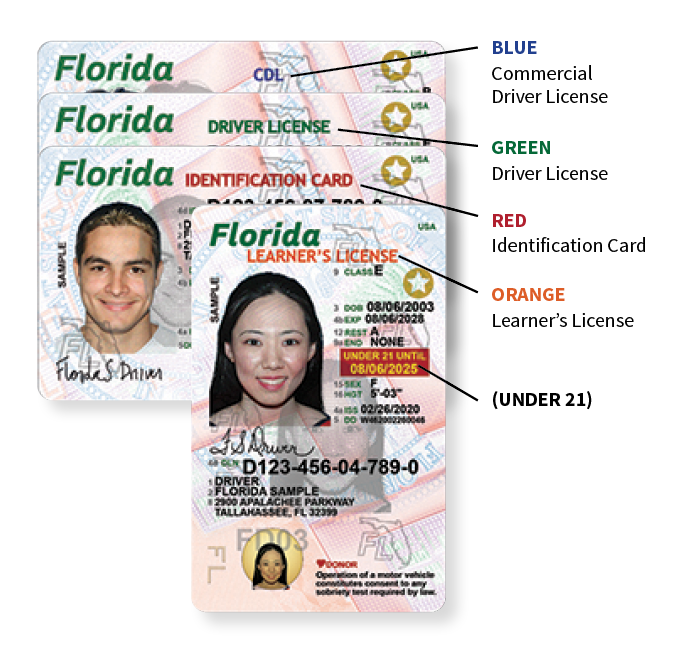
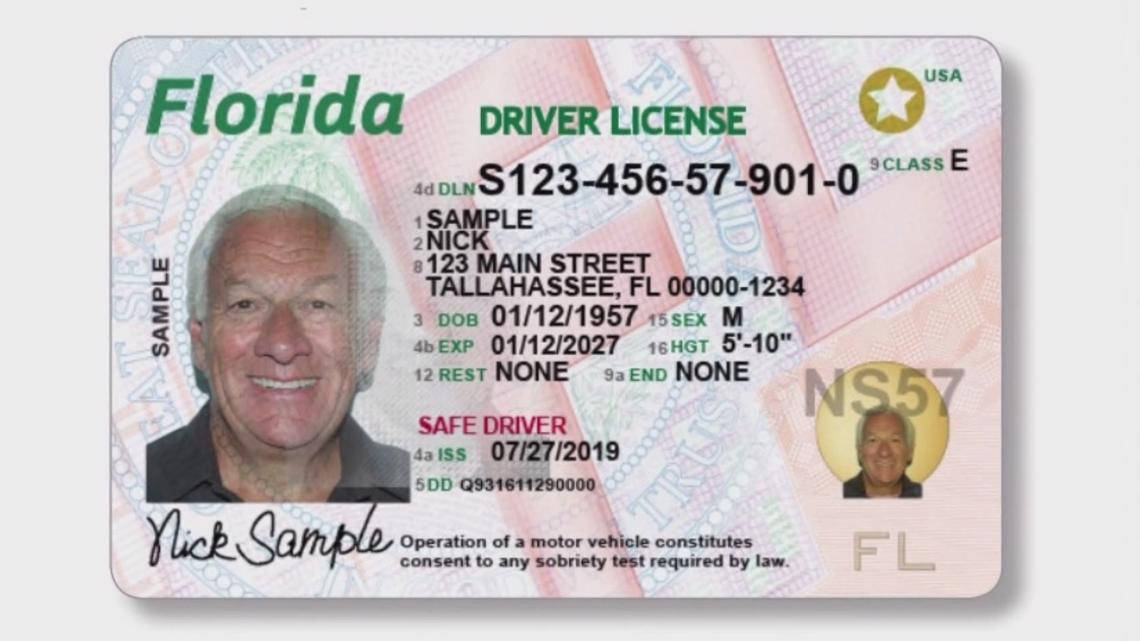
The Florida Department of Highway Safety and Motor Vehicles (DHSMV) issues several classes of licenses. For most private vehicle operators, a Class E license is sufficient.
- Class E (Operator’s License): This is the standard driver’s license for operating non-commercial vehicles, including passenger cars, trucks, and vans, and is what most individuals will seek.
- Commercial Driver’s Licenses (CDL): These are for operating commercial motor vehicles, such as large trucks and buses, and are divided into Class A, B, and C based on vehicle weight and type.
- Motorcycle Endorsement: A separate endorsement is required to operate a motorcycle, which can be added to a Class E license.
Understanding which license applies to your situation is the first crucial step in preparing for a seamless application process.
Essential Documentation: What to Bring
The success of your driver’s license application hinges significantly on presenting the correct and complete documentation. The DHSMV follows strict guidelines, particularly regarding the REAL ID Act, which mandates specific proofs of identity for state-issued driver’s licenses and identification cards. You will need to bring original documents (no photocopies) to any DMV or tax collector office offering driver’s license services.
Proof of Identity (Primary Identification)
You must provide one of the following documents:
- Certified US Birth Certificate: Original or certified copy issued by a state or county. Hospital birth certificates are not accepted.
- Valid US Passport or Passport Card: Unexpired.
- Consular Report of Birth Abroad: Issued by the US Department of State.
- Certificate of Naturalization or Certificate of Citizenship: Form N-550, N-560, N-561, N-570, or N-578.
Proof of Social Security Number (SSN)
You must provide one of the following documents:
- Social Security Card: Original.
- W-2 Form: Displaying your full SSN.
- Pay Stub: Displaying your full SSN.
- SSA-1099 Form: Displaying your full SSN.
- Any 1099 Form: Displaying your full SSN.
If you have never been issued a Social Security Number, you must present a letter from the Social Security Administration (SSA) indicating that you were never issued one.
Proof of Residential Address
You must provide two different documents showing your name and current Florida residential address. These cannot be from the same source. Examples include:
- Deed, Mortgage, Monthly Mortgage Statement, or Residential Rental/Lease Agreement: (No more than 1 year old).
- Florida Vehicle Registration or Title.
- Utility Bill: (Electric, water, gas, internet, landline phone bill, no more than 2 months old).
- Mail from Financial Institution: (Checking, savings, or investment account statement, no more than 2 months old).
- Mail from a Federal, State, County, or City Government Agency: (No more than 2 months old).
- School Transcript or Report Card: (Issued within the past 2 years).
- Declaration of Domicile in Florida.
If your name has changed due to marriage or other legal action, you must also provide official documentation of the name change, such as a marriage certificate or court order.
Non-US Citizens: Additional Requirements
International travelers, foreign students, and other non-US citizens will have additional requirements. You will generally need to provide:
- Proof of Non-immigrant Classification: Such as a valid visa, I-94 document, or Permanent Resident Card (Green Card).
- Proof of Residential Address: As listed above.
- Proof of Identity: Your foreign passport is typically required.
- Proof of Social Security Number: If applicable.
The validity period of your Florida driver’s license for non-US citizens will typically be tied to the expiration date of your lawful presence in the United States. It’s crucial to consult the Florida DHSMV website or contact them directly for the most current and specific requirements based on your visa status.
The Application Process: Step-by-Step
Once you have gathered all necessary documents, the application process itself is straightforward. The key is to be prepared and follow the steps outlined by the DHSMV.
Schedule Your Appointment
While some offices in cities like Miami or Orlando may accept walk-ins, it is highly recommended to schedule an appointment online via the DHSMV website. This significantly reduces wait times and ensures you are seen promptly. Choose a location convenient to your Florida residence.
Vision and Hearing Tests
Upon arrival at the DMV or tax collector office, you will first undergo basic vision and hearing tests. The vision test typically involves reading letters or numbers on a chart. If you wear corrective lenses, bring them, as you will be tested with them and your license will indicate that you must wear them while driving.
Knowledge Exam
All first-time Florida driver’s license applicants (and those transferring an out-of-state license if certain conditions aren’t met) must pass a Class E Knowledge Exam. This test covers traffic laws, road signs, and safe driving practices in Florida.
- Preparation is Key: Study the official Florida Driver Handbook thoroughly. Many online practice tests are also available and highly recommended.
- Test Format: The exam usually consists of 50 multiple-choice questions, and you need to answer at least 40 correctly (80%) to pass.
- Online Option: If you are a first-time driver aged 14 to 17, you can often take the Class E Knowledge Exam online through a state-approved third-party provider.
Driving Skills Test (If Applicable)
If you are a first-time driver without a valid driver’s license from another state or country, you will likely need to pass a driving skills test (road test). This test evaluates your ability to safely operate a vehicle in various conditions.
- Vehicle Requirements: You must provide a vehicle for the test that is properly registered, insured, and in safe working condition.
- Skills Assessed: The examiner will assess your ability to perform maneuvers such as turns, lane changes, parking, stopping, and general adherence to traffic laws.
- Waivers: If you are transferring a valid driver’s license from another US state, US territory, or certain countries (such as Canada, France, Germany, Taiwan, or South Korea), the driving skills test may be waived. Always verify the most current waiver policies with the DHSMV.
Photo and Fee Payment
Once you have successfully completed all required tests and provided your documentation, your photo will be taken, and you will pay the applicable fees. The fee for an initial Class E driver’s license is typically around $48.00, though this can vary. You will then be issued a temporary paper license, with your permanent, laminated Florida driver’s license mailed to your residential address within a few weeks.
Special Considerations and Tips for a Smooth Process
Navigating the bureaucracy can be made easier with a few insights and tips.
First-Time Drivers and Driving Schools
For individuals who have never held a driver’s license, Florida requires completion of a Traffic Law and Substance Abuse Education (TLSAE) course before applying for a learner’s permit or driver’s license. Many approved driving schools offer this course, often online. Engaging with a reputable driving school for behind-the-wheel instruction can also significantly improve your chances of passing the driving skills test.
Transferring an Out-of-State License
If you are moving to Florida from another US state, the process is generally simpler. You will still need to provide proof of identity, SSN, and residential address. The written knowledge and driving skills tests are typically waived if your out-of-state license is valid and unexpired. However, the vision and hearing tests are still mandatory.
Renewals and Replacements
Florida driver’s licenses typically expire every eight years. Many renewals can be completed online or by mail, provided you are a US citizen, have a valid driver’s license, and have no changes to your name or address. For a lost or stolen license, you can apply for a replacement online or in person, ensuring you have the necessary identification documents.

Staying Informed with the Florida DMV
The Florida DHSMV website is an invaluable resource, providing the most up-to-date information on requirements, forms, fees, and office locations. Before visiting any office, always check their website or call ahead to confirm hours of operation and specific documentation needs, as regulations can change. Being well-informed is your best strategy for a stress-free experience.
Acquiring a Florida driver’s license is more than just a bureaucratic step; it’s an investment in your independence and ability to fully immerse yourself in the rich experiences the state offers. With careful preparation and adherence to these guidelines, you’ll soon be enjoying the open roads of Florida with confidence.
LifeOutOfTheBox is a participant in the Amazon Services LLC Associates Program, an affiliate advertising program designed to provide a means for sites to earn advertising fees by advertising and linking to Amazon.com. Amazon, the Amazon logo, AmazonSupply, and the AmazonSupply logo are trademarks of Amazon.com, Inc. or its affiliates. As an Amazon Associate we earn affiliate commissions from qualifying purchases.