
Embarking on a journey to the Sunshine State, whether for an extended vacation, a seasonal stay, or a permanent relocation, often brings with it a unique set of administrative considerations. Among the most practical and beneficial steps for anyone spending significant time in Florida is acquiring a Florida Identification Card. Far from being just another piece of plastic, this card serves as a versatile key, unlocking smoother travel experiences, hassle-free accommodation check-ins, and a more integrated lifestyle within the state. It’s a vital document that simplifies daily interactions, confirms your identity, and can even grant access to local benefits, making your stay, short or long-term, considerably more convenient and enjoyable.
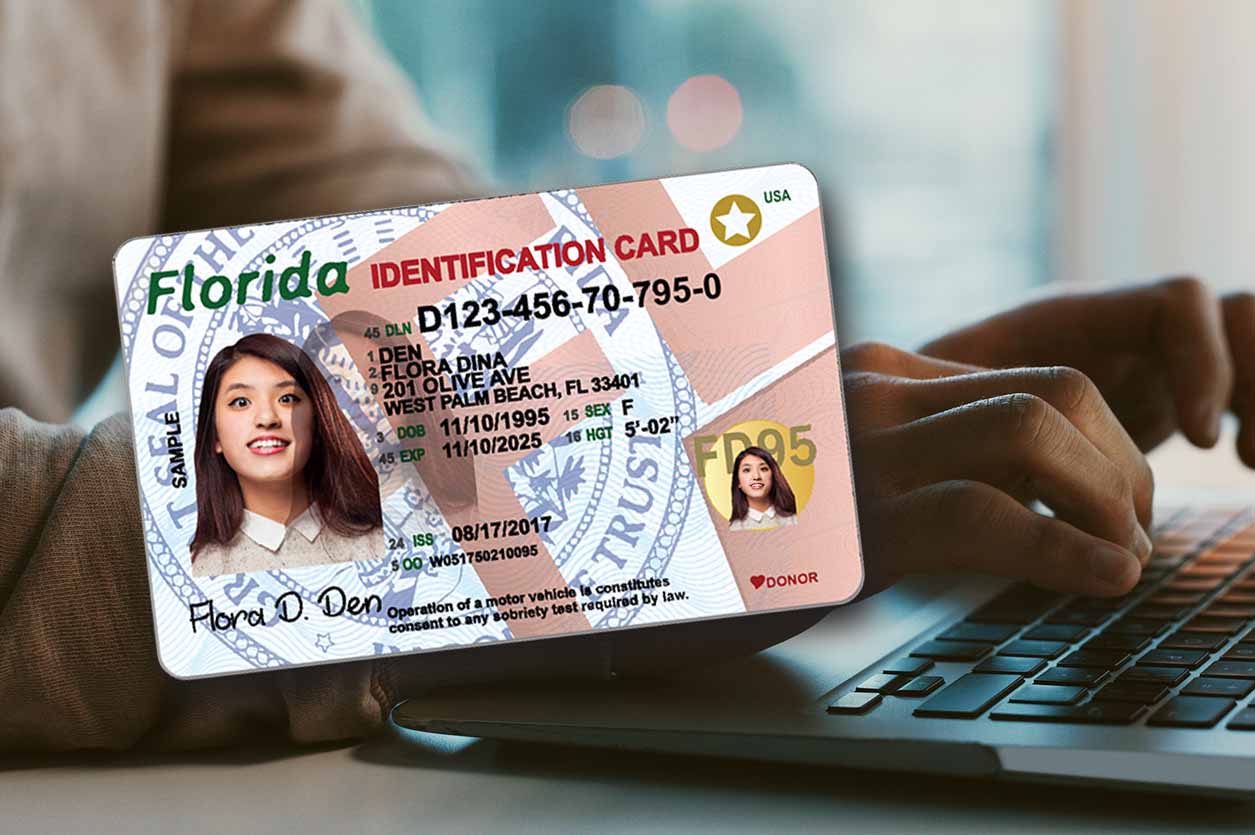
For travelers, a Florida ID can serve as an alternative to a passport for domestic flights, particularly useful for those who prefer to keep their international travel documents securely stored. For snowbirds or individuals considering a long-term stay, it bridges the gap between being a visitor and becoming a temporary resident, streamlining everything from hotel bookings to enjoying local tourism activities. New residents will find it indispensable for establishing roots, whether opening bank accounts, setting up utilities, or even accessing resident discounts at beloved attractions. This comprehensive guide will walk you through the process, requirements, and myriad benefits of obtaining your very own Florida ID card, ensuring you’re well-prepared to fully immerse yourself in all that the state has to offer.
Why You Might Need a Florida ID: Beyond the Basics
While many immediately associate an ID card with driving, a Florida Identification Card serves a much broader purpose, particularly for those exploring the state’s vibrant tourism scene, securing accommodation, or embracing a new lifestyle. It’s a universal form of identification that can simplify countless transactions and experiences, often proving more convenient than an out-of-state driver’s license or a passport in day-to-day scenarios.
The Florida ID for Tourists and Visitors
Even if you’re visiting Florida with your home state’s driver’s license or a passport, a Florida ID can be incredibly beneficial, especially for extended stays. For instance, the Transportation Security Administration (TSA) accepts state-issued identification for domestic air travel, meaning you might not need to carry your passport if you’re flying between Orlando and Miami, for example. This added layer of convenience and security can be a huge relief, especially for those worried about misplacing valuable international documents. Many tourist attractions, such as Walt Disney World Resort or Universal Orlando Resort, may require a valid form of ID for certain services or age verification, and a Florida ID fulfills this perfectly. It simplifies entry to events, allows for easy alcohol purchases for those of legal drinking age, and often speeds up rental processes for equipment or even vehicles. Imagine wanting to rent a scooter to cruise South Beach; a local ID can make the transaction much smoother. For those who frequently return to Florida as seasonal visitors or “snowbirds,” having a consistent, local form of identification streamlines their biannual transitions and helps them feel more at home.
Settling Down: The Importance of Local Identification
For individuals making Florida their new permanent home, the Florida ID card is an indispensable tool for establishing residency and navigating local services. Without a Florida driver’s license, an ID card becomes the primary method for proving your identity and address for a multitude of essential tasks. This includes opening bank accounts, which is crucial for managing finances locally, and setting up utility services like electricity, water, and internet – vital for any new home. When it comes to accommodation, securing a long-term rental or lease agreement often requires robust proof of identity and residency, which your Florida ID readily provides. It’s also frequently requested for employment verification, voter registration, and accessing local government services. Essentially, the Florida ID acts as your official passport to participating fully in the local economy and community, laying the groundwork for a stable and integrated life in the Sunshine State.
Enhancing Your Florida Lifestyle
Beyond the practicalities, a Florida ID significantly enhances your lifestyle experience in the state. Many businesses, from bars and nightclubs in Miami or Orlando to concert venues and sporting events, strictly adhere to age verification policies. A clear, state-issued ID ensures seamless entry without any questions or delays. Furthermore, various attractions, museums, and even some hotels offer resident discounts. Places like the Kennedy Space Center Visitor Complex or local art museums often provide reduced admission for Florida residents. Your Florida ID is your ticket to these savings, allowing you to explore more of Florida’s rich culture, natural beauty, and entertainment options without breaking the bank. It connects you more deeply to the local scene, from participating in community events to simply enjoying a night out with friends, making your Florida experience richer and more authentic.
Navigating the Application Process: Your Step-by-Step Guide
Obtaining a Florida ID card is a straightforward process, provided you come prepared with the correct documentation and understand the steps involved. The state has streamlined the procedure to make it accessible, but meticulous attention to detail regarding requirements is key to a successful application.
Who is Eligible and What Are the Requirements?
To be eligible for a Florida ID card, you must meet a few fundamental criteria. First, you must be at least 18 years of age. While there are provisions for minors in specific circumstances, the general ID card is for adults. Critically, you cannot hold both a Florida driver’s license and a Florida ID card simultaneously. If you currently possess a Florida driver’s license, you would need to surrender it to obtain an ID card. This is primarily designed for individuals who do not drive, are unable to drive, or simply prefer to use their out-of-state driver’s license for driving while requiring a local ID for non-driving purposes. Applicants must also be a U.S. citizen or a legal permanent resident, or possess valid documentation proving their legal presence in the United States. The process is designed to comply with federal regulations, including the REAL ID Act, ensuring the security and integrity of state-issued identification documents.
Gathering Your Essential Documents
This is perhaps the most critical step in the entire process, as arriving at the DMV or Tax Collector’s Office without the necessary paperwork will result in immediate delays or a rejected application. You will generally need to provide documents from four key categories:
- Proof of Identity: This establishes who you are. Accepted documents include your original birth certificate (not a copy), a valid U.S. passport, a certificate of naturalization, or a valid alien registration receipt card (Green Card). The document must be original or a certified copy.
- Proof of Social Security Number (SSN): This verifies your Social Security information. Acceptable documents include your Social Security card, a W-2 form, a pay stub showing your SSN, or a 1099 form. Again, original documents are usually required.
- Proof of Residential Address: This confirms your physical address in Florida. You will need two different documents that show your name and the Florida address. Examples include utility bills (electricity, water, gas, internet), a current rental or lease agreement (highly relevant for accommodation), a deed or mortgage statement, a bank statement, an insurance policy, or a mail from a government agency. For those staying in hotels or temporary accommodation, specific provisions might apply, so it’s wise to check with the DMV directly or consider alternative proofs like a letter from the hotel management confirming your stay, though utility bills or bank statements are generally preferred.
- Proof of Legal Presence (for non-U.S. citizens): If you are not a U.S. citizen, you will need to provide documentation proving your legal presence in the United States. This could include a valid foreign passport with an I-94 form, a visa, or a Permanent Resident Card (Green Card). The specific documents required will depend on your immigration status.
It’s highly recommended to visit the official Florida DMV website or call your local office beforehand to get the most up-to-date and specific list of acceptable documents, as requirements can sometimes change. Bringing more documents than required is always better than having too few.
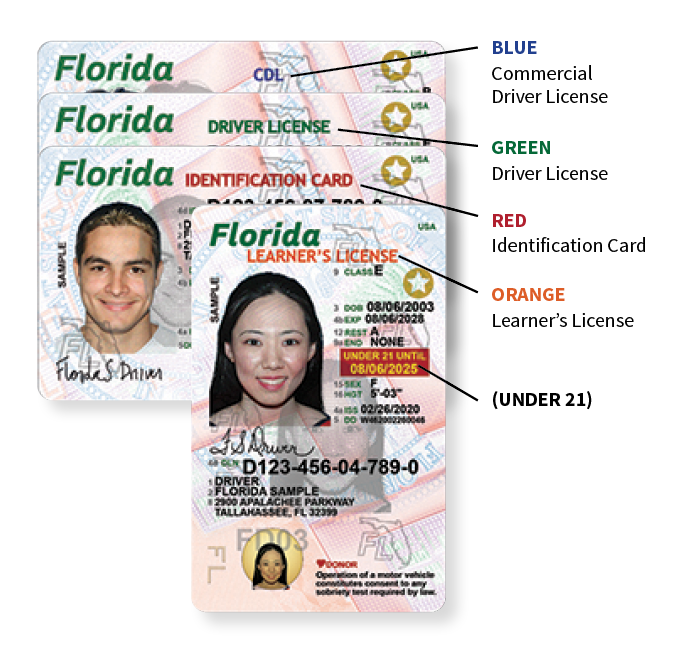
Where to Apply: DMV or Tax Collector’s Office
Once you have all your documents meticulously gathered, the next step is to visit an official service center. In Florida, ID cards are issued by the Florida Department of Highway Safety and Motor Vehicles (DHSMV) through their driver’s license service centers or authorized Tax Collector’s Office locations. These offices are distributed across the state, from bustling cities like Tampa and Jacksonville to smaller towns. Many locations offer the convenience of scheduling appointments online, which can significantly reduce wait times, a welcome benefit particularly during peak tourist seasons or busy hours. Using the online appointment system is highly advisable to save time and ensure a smoother visit. Be sure to verify the specific services offered at your chosen location, as not all offices handle every type of transaction.
What to Expect During Your Visit
Visiting a DMV or Tax Collector’s Office can sometimes feel daunting, but being prepared for the process can make it much more manageable. Understanding what to expect during your application for a Florida ID card will alleviate stress and ensure a quick, efficient visit.
The Application Experience
Upon arrival at the service center (ideally with a pre-booked appointment), you will first check in. You’ll likely be given a number and directed to a waiting area. When your number is called, you’ll approach a counter where a clerk will review your gathered documents. This is where your thorough preparation pays off; if all your documents are in order and satisfy the requirements, the process will proceed smoothly. The clerk will verify your identity, proof of SSN, and residential address. For non-U.S. citizens, legal presence documentation will also be checked.
Next, you’ll complete a brief application form. This form typically asks for basic personal information such as your full name, date of birth, current address, and a few security questions. Following the form, your photograph will be taken for the ID card. It’s a good idea to dress appropriately and be ready for a clear, front-facing picture. You may also be asked to provide a digital fingerprint and undergo a basic vision screening, especially if you have previously held a Florida driver’s license or if there’s any ambiguity in your application. While primarily for driver’s licenses, these checks can sometimes be part of the ID card process as well. Once all information is confirmed and processed, you’ll pay the applicable fee. In most cases, you will receive a temporary paper ID, and your permanent plastic Florida ID card will be mailed to your residential address within a few weeks. This temporary ID is usually valid for proof of identity until your official card arrives.
Understanding the Costs and Renewal Process
The fee for an original Florida Identification Card is relatively modest. As of the current regulations, the cost for an initial ID card is typically around $25. This fee is subject to change, so it’s always wise to confirm the exact amount on the DHSMV website or by calling ahead. Payment can usually be made by cash, check, or credit/debit card, though payment options may vary by location.
Florida ID cards are typically valid for eight years from the date of issue. This long validity period means you won’t have to worry about frequent renewals, providing long-term convenience. When your ID card approaches its expiration date, you will receive a renewal notice in the mail. The renewal process is often simpler than the initial application, especially if your information has not changed. Many individuals are eligible to renew their Florida ID card online, saving a trip to the service center. However, if there have been significant changes to your name, address, or other personal details, or if it’s been several renewal cycles, you might be required to visit an office in person to update your information and provide new documentation. Staying on top of your ID’s expiration date ensures uninterrupted access to all the benefits it provides.
Maximizing Your Florida Experience with Your New ID
With your new Florida ID card in hand, you are now equipped to navigate the Sunshine State with greater ease and confidence. This small card becomes a powerful tool, enhancing everything from your travel and accommodation experiences to your leisure activities and long-term residency benefits.
Smooth Hotel Check-ins and Accommodation Bookings
For those who frequently travel within Florida or often book various types of accommodation, your Florida ID will prove invaluable. Checking into a hotel, resort, or even a vacation rental often requires a valid form of identification. Presenting a Florida ID can streamline this process, especially if you’ve already established residency in the state. Many hotels, particularly luxury resorts in destinations like Miami Beach, Fort Lauderdale, or Key West, prefer a state-issued ID for their records and security protocols. It can also simplify age verification for booking certain rooms, renting vehicles through hotel concierge services, or accessing adults-only amenities. For long-term stays in serviced apartments or villas, a local ID might even be requested during lease signing, providing peace of mind for both you and the property management. This small card helps confirm your status and makes your accommodation experiences hassle-free, allowing you to focus on enjoying your stay.
Exploring Florida’s Attractions and Nightlife
Florida’s tourism landscape is incredibly diverse, offering everything from world-renowned theme parks to pristine natural landmarks and a vibrant nightlife. Your Florida ID is your ticket to seamless access and often, exclusive benefits. Imagine visiting Busch Gardens Tampa Bay or the various parks of Walt Disney World Resort like Magic Kingdom, EPCOT, Hollywood Studios, and Animal Kingdom, or the thrilling attractions at Universal Studios Florida and Islands of Adventure. Many of these venues offer special “resident rates” or annual passes that are significantly cheaper for Florida residents. Your Florida ID is the definitive proof of your eligibility for these savings.
Beyond the theme parks, exploring Florida’s natural and cultural landmarks, like the diverse ecosystems of Everglades National Park or the historic Art Deco Historic District in Miami, might sometimes require ID for entry or guided tours. For those enjoying Florida’s vibrant nightlife, whether it’s the clubs of South Beach, the bars in St. Petersburg, or the lively scene in Key West, a state-issued ID is universally accepted for age verification, ensuring quick and unquestioned entry. It enhances your ability to participate fully in the state’s recreational and cultural offerings, making every outing more enjoyable and less about administrative hurdles.
Long-Term Benefits for Residents and Snowbirds
For those who embrace Florida as a long-term home or a seasonal escape, the Florida ID card extends its value into many aspects of daily life and long-term planning. It simplifies interactions with various local government agencies, proving your residency for services like property tax exemptions, homestead deductions, or even obtaining library cards. For individuals managing their finances, a Florida ID is crucial for opening and maintaining bank accounts, applying for loans, or managing investment portfolios with local institutions.
Snowbirds, who split their time between Florida and another state, find the Florida ID particularly useful. It allows them to easily establish a local presence for receiving mail, accessing healthcare services, and benefiting from resident-specific programs without necessarily changing their primary driver’s license state. It contributes to a sense of belonging and community integration, facilitating participation in local clubs, volunteer opportunities, and community events across The Florida Keys or other popular snowbird destinations. Essentially, the Florida ID card solidifies your connection to the state, making daily life more streamlined, accessible, and ultimately, more fulfilling, whether you’re here for a season or a lifetime.
LifeOutOfTheBox is a participant in the Amazon Services LLC Associates Program, an affiliate advertising program designed to provide a means for sites to earn advertising fees by advertising and linking to Amazon.com. Amazon, the Amazon logo, AmazonSupply, and the AmazonSupply logo are trademarks of Amazon.com, Inc. or its affiliates. As an Amazon Associate we earn affiliate commissions from qualifying purchases.