
Florida, often celebrated as the Sunshine State, beckons millions of visitors annually with its pristine beaches, world-class theme parks, vibrant cities, and a lifestyle that promises endless adventure and relaxation. From the magical enchantment of Orlando and the bustling nightlife of Miami to the serene Gulf Coast towns and the historic charm of St. Augustine, there’s a slice of paradise for every traveler and potential resident. For those considering a more permanent move, an extended stay, or simply wishing to understand the local nuances of life in Florida, delving into various aspects of its legal framework is a prudent step. One such area that often garners interest, especially among individuals keen on outdoor pursuits, self-defense, or simply exercising their constitutional rights, is the process of obtaining a firearm license.
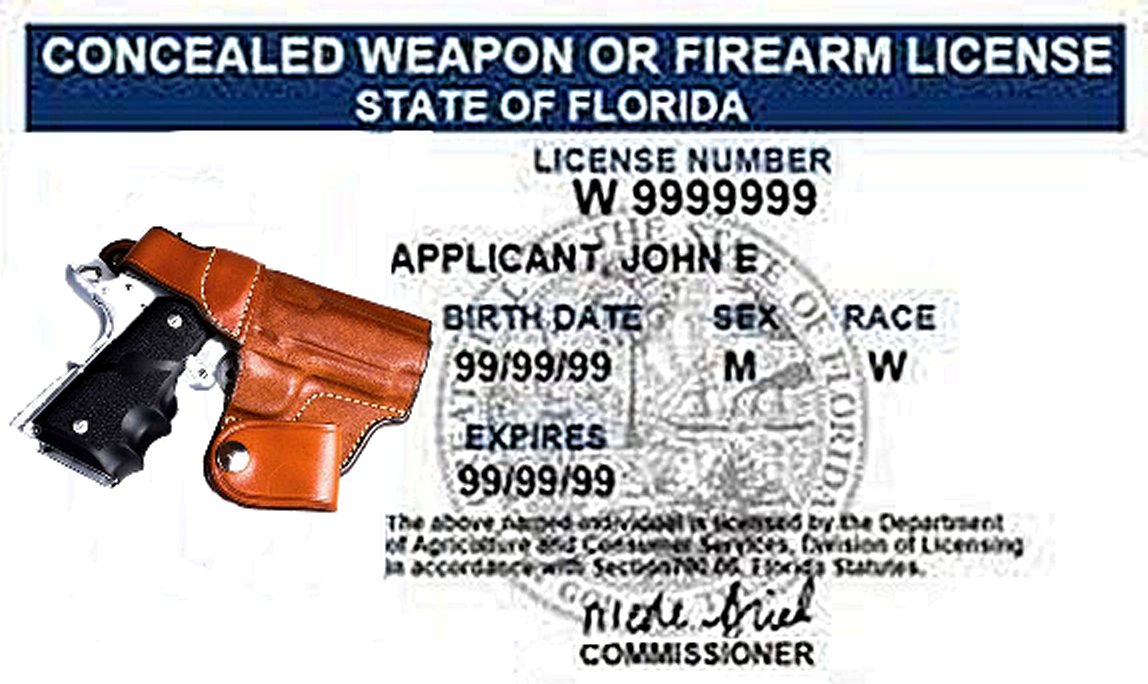
While the primary allure of Florida for many is its array of travel experiences, luxurious resorts, and diverse accommodation options, understanding the broader lifestyle elements is crucial for a complete picture. Whether you’re planning a long-term stay in a Florida villa, embarking on an RV adventure across the state, or simply curious about local laws that shape daily life, knowing the procedures for acquiring a concealed weapon license (CWL) can be an important piece of information. This guide will navigate you through the specifics of obtaining a CWL in Florida, framed within the context of a comprehensive understanding of the state’s distinct approach to firearm ownership and responsible citizenship.
Understanding Florida’s Stance on Firearms and Constitutional Carry
Florida is widely recognized as a state that upholds Second Amendment rights, striking a balance between protecting individual liberties and ensuring public safety. For many residents and long-term visitors, the ability to legally own and carry a firearm for self-defense is considered an integral part of their lifestyle, particularly given the state’s emphasis on personal freedom and its array of outdoor activities like hunting, sport shooting, and camping in remote areas.
Prior to July 1, 2023, carrying a concealed firearm in Florida required a Concealed Weapon License (CWL). However, a significant legislative change introduced “Constitutional Carry” (also known as permitless carry), allowing eligible individuals to carry a concealed firearm without first obtaining a state-issued license. This change aligns Florida with a growing number of U.S. states that have adopted similar laws.
It’s crucial to understand what Constitutional Carry means and, perhaps more importantly, why obtaining a CWL still offers substantial advantages, even with the new law in effect. Under permitless carry, individuals who are otherwise legally eligible to own a firearm (e.g., over 21, no disqualifying criminal record) can carry a concealed weapon without a license. This simplifies the process for many, especially temporary visitors or those who might not wish to go through the licensing procedure.
However, the CWL remains highly beneficial for several reasons:
- Reciprocity: A Florida CWL is recognized by many other states across the U.S., allowing you to legally carry a concealed firearm in those jurisdictions. Without a CWL, your ability to carry outside of Florida is severely restricted, impacting those who travel frequently for business, leisure, or family visits. For a lifestyle that involves extensive travel beyond the state’s borders, this is a paramount consideration.
- Expanded Carrying Locations: While permitless carry is now legal in Florida, a CWL often grants access to a broader range of carrying locations or provides clearer legal standing in certain sensitive areas, although federal prohibitions (e.g., federal buildings, post offices, airports) still apply to everyone.
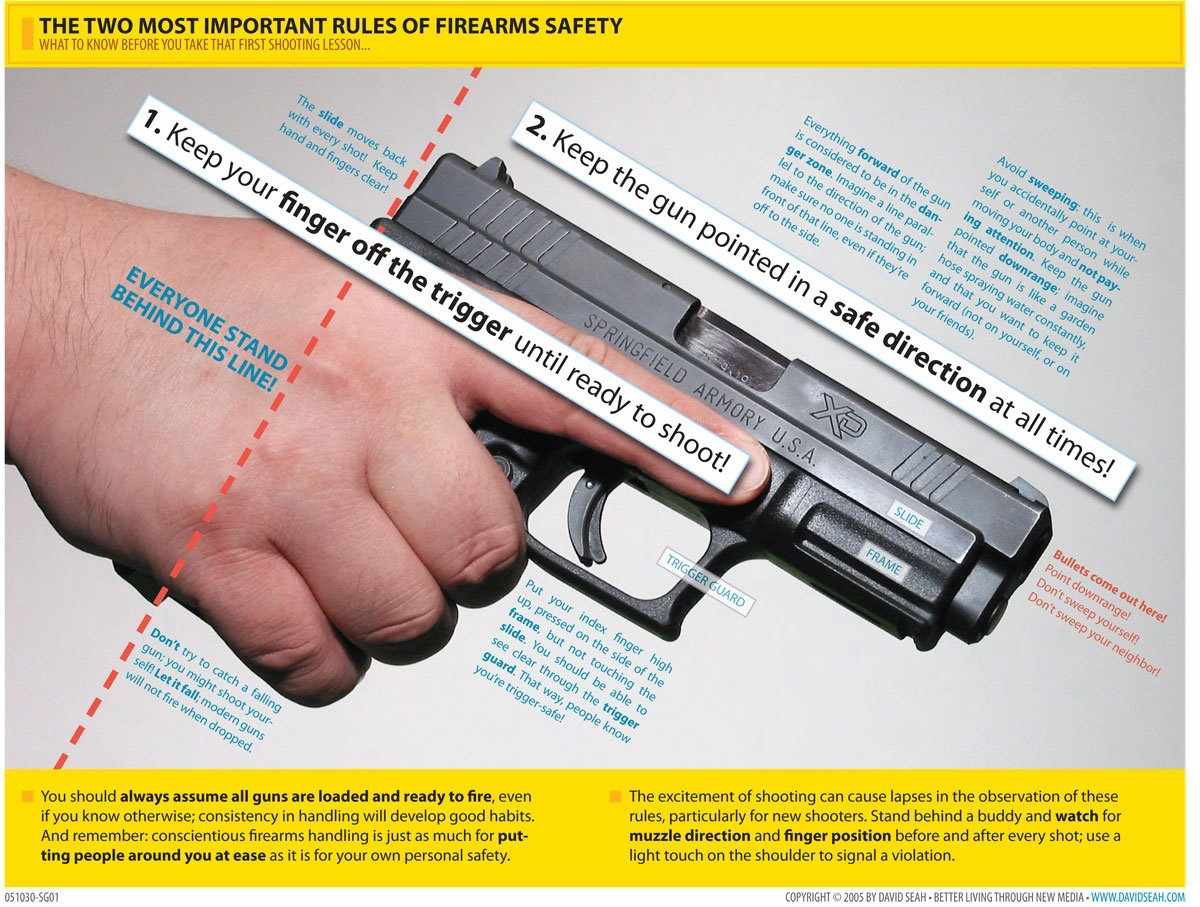
- Legal Protections and Education: The training required for a CWL provides comprehensive education on firearm safety, proper handling, and, critically, the legal aspects of self-defense, including Florida’s “Stand Your Ground” law and where firearms are prohibited. This knowledge is invaluable for responsible firearm ownership and can help prevent inadvertent legal missteps. Even if you choose permitless carry, understanding these legal parameters is non-negotiable for anyone considering carrying a firearm.
- Expedited Purchase: A CWL can sometimes expedite the firearm purchase process by waiving the standard waiting period in Florida, though this varies and should always be confirmed with a licensed dealer.
For those planning to immerse themselves in the Florida lifestyle, whether through extended stays in vacation rentals, exploring its natural parks, or simply enjoying the amenities of its diverse communities, understanding these distinctions is key.
The Path to a Concealed Weapon License in Florida
Obtaining a Florida CWL involves a structured process overseen by the Florida Department of Agriculture and Consumer Services (FDACS). This journey ensures that applicants are not only educated in firearm safety but also meet specific legal and background criteria.
Eligibility Requirements – Who Can Apply?
Before embarking on the application process, it’s essential to confirm your eligibility. The core requirements are designed to ensure responsible ownership and public safety:
- Age: You must be 21 years of age or older. There is an exception for active duty military personnel and veterans, who may apply at 18 years of age. This consideration reflects Florida’s appreciation for service members, many of whom might be stationed at various military bases across the state, or choose Florida for their retirement.
- Residency: You must be a citizen of the United States or a permanent resident alien. While Florida welcomes international tourists and long-term visitors, the CWL is primarily intended for citizens and legal permanent residents.
- Mental Health: You must not have been adjudicated mentally defective or been committed to a mental institution. These provisions are critical for preventing firearms from falling into the wrong hands.
- Criminal History: This is a crucial area. You will be disqualified if you have:
- A felony conviction.
- A conviction for a crime of domestic violence.
- A conviction for certain misdemeanors within a specified timeframe.
- An injunction for protection against domestic violence or stalking.
- A dishonorable discharge from the armed forces.
- A history of drug or alcohol abuse.
It is highly recommended to review the full list of disqualifying conditions on the Florida Department of Agriculture and Consumer Services website, as these can be nuanced. For those considering moving to Florida or establishing a second home, understanding how their past record might impact a CWL application is a key part of their lifestyle planning.
Meeting the Training Requirement
Even with the advent of Constitutional Carry, completing a certified firearm training course is a prerequisite for obtaining a Florida CWL. This requirement underscores the state’s commitment to responsible firearm handling and legal awareness.
The training must demonstrate competency with a handgun and include live-fire instruction. Acceptable forms of training include:

- NRA or other state-certified firearm safety courses. The National Rifle Association (NRA) offers numerous courses, like the Basic Pistol Course, that meet Florida’s requirements.
- Completion of any state-approved firearms training course.
- Previous experience as a law enforcement officer or military service member with proof of firearm proficiency.
- Completion of a hunter safety course offered by the Florida Fish and Wildlife Conservation Commission or a similar state agency.
These courses typically cover fundamental safety rules, proper handgun operation, safe storage, and the legal aspects of self-defense in Florida. For anyone new to firearms, or even experienced owners seeking to brush up on Florida-specific laws, this training is an invaluable resource, promoting a safer environment for themselves and their community, whether they are enjoying a luxury resort stay or exploring nature.
The Application Process – Step-by-Step
Once you’ve confirmed eligibility and completed your training, the next step is to submit your application. The Florida Department of Agriculture and Consumer Services offers a streamlined process:
-
Gather Required Documents: You will need:
- Proof of training (certificate or official documentation).
- A valid photo ID (e.g., Florida driver’s license or state ID).
- Proof of U.S. citizenship or permanent residency (e.g., birth certificate, passport, naturalization papers, green card).
- A passport-style photo, often taken during the application process itself if applying in person.
-
Fingerprinting: A critical component of the background check. Fingerprints are typically captured electronically by a licensed vendor or at a regional Florida Department of Agriculture and Consumer Services office.
-
Submit the Application: You have two primary options:
- Online Application: This is often the quickest method. You will upload your documents, pay the application fee, and then schedule an appointment for fingerprinting at a later date.
- In-Person Application: Visit one of the regional Florida Department of Agriculture and Consumer Services offices located in major cities such as Tallahassee, Jacksonville, Orlando, Tampa, and Miami. Here, you can submit all documents, get fingerprinted, and have your photo taken in one visit, streamlining the initial steps. This can be a convenient option for those already in these tourist hotspots or living nearby.
-
Pay the Fees: There is an application fee and a fingerprinting fee, which are subject to change. Consult the official Florida Department of Agriculture and Consumer Services website for the most current fee schedule.
-
Background Check and Processing: After submission, your application undergoes a thorough background check, which includes criminal history and mental health records. The processing time can vary, but Florida law generally mandates a specific timeframe, typically around 90 days, provided all documentation is in order.
Beyond the License – Responsible Firearm Ownership in the Sunshine State
Obtaining a Florida CWL or choosing to carry under Constitutional Carry is just the first step. Responsible firearm ownership is a continuous commitment that goes hand-in-hand with enjoying the freedoms of the Sunshine State. For residents, snowbirds, or long-term visitors, integrating responsible firearm practices into their Florida lifestyle is paramount.
Legal Responsibilities and Restrictions
Even with a CWL or under permitless carry, there are strict rules about where and how you can carry a firearm. Florida law prohibits carrying firearms in many locations, including:
- Any police, sheriff, or highway patrol station.
- Any courthouse or courtroom.
- Any polling place during an election.
- Any meeting of a governing body of a county, public school district, municipality, or special district.
- Any meeting of the Legislature or a committee thereof.
- Any school, college, or university facility.
- Any establishment primarily devoted to dispensing alcoholic beverages for consumption on the premises.
- The sterile area of an airport.
- Any elementary or secondary school facility or administration building.
Understanding these prohibited locations is crucial for avoiding legal complications. For travelers exploring Florida’s attractions or families visiting theme parks, it means planning ahead and knowing where you can and cannot carry. Many hotels and resorts also have their own policies regarding firearms on their premises, which guests are expected to adhere to.
Safe Storage
Regardless of whether you carry a firearm, safe storage is a critical responsibility, especially if you have children in your home, frequently host guests, or rent out your property. Florida law mandates that firearms not be stored or left in a manner that they can be readily accessible to a minor. This often means using gun safes, lockboxes, or trigger locks. For those with vacation homes or apartments in Florida, ensuring that any firearms are securely stored when not in use is a vital safety measure.
Continuing Education and Practice
Firearm proficiency is a perishable skill. Regular practice at a shooting range is highly recommended to maintain your skills, confidence, and familiarity with your weapon. Many communities across Florida offer excellent public and private shooting ranges, providing a safe environment for practice. Furthermore, staying informed about changes in Florida firearm laws is essential. Organizations like the Florida Sport Shooting Association or local gun clubs can be excellent resources for ongoing education and community engagement.
In conclusion, while Florida continues to shine as a premier destination for travel, accommodation, and lifestyle experiences, understanding its unique legal landscape, particularly concerning firearm ownership, is an important aspect of responsible engagement with the state. Whether you opt for a Concealed Weapon License for its broad reciprocity and educational benefits, or choose to carry under Florida’s Constitutional Carry provisions, the emphasis remains on safety, legal compliance, and a profound respect for the responsibilities that come with firearm ownership. By adhering to these principles, individuals can fully embrace the freedoms and vibrant lifestyle that the Sunshine State so generously offers.
LifeOutOfTheBox is a participant in the Amazon Services LLC Associates Program, an affiliate advertising program designed to provide a means for sites to earn advertising fees by advertising and linking to Amazon.com. Amazon, the Amazon logo, AmazonSupply, and the AmazonSupply logo are trademarks of Amazon.com, Inc. or its affiliates. As an Amazon Associate we earn affiliate commissions from qualifying purchases.