
Navigating the process of obtaining a license plate in Texas might seem like a labyrinthine task, but with a clear understanding of the requirements and steps involved, it becomes a straightforward endeavor. Whether you’re a new resident eager to explore the vast landscapes of the Lone Star State, a seasoned Texan looking to register a new vehicle, or perhaps inheriting a classic automobile, knowing the ins and outs of the Texas Department of Motor Vehicles (TxDMV) is key. This guide aims to demystify the process, ensuring you hit the road legally and with confidence.

Understanding the Texas Vehicle Registration Process
At its core, obtaining a Texas license plate is synonymous with registering your vehicle with the state. This process is managed by the Texas Department of Motor Vehicles. Registration serves several crucial purposes: it ensures your vehicle meets safety and environmental standards, provides identification for law enforcement, and contributes to the state’s infrastructure funding. The primary document you’ll need is your vehicle registration certificate, which must be renewed periodically.
Initial Registration for New Residents
For those new to Texas, the registration process begins shortly after establishing residency. You have 30 days from the date you establish residency to register your vehicle. This involves obtaining a Texas title and then registering the vehicle. The title is proof of ownership. If you’re moving from another state, you’ll need to surrender your out-of-state title to the Texas Department of Motor Vehicles.
Key Documents for New Residents:
- Proof of Identity and Residency: This typically includes a valid Texas driver’s license or ID card and documentation like utility bills or a lease agreement showing your Texas address.
- Proof of Vehicle Ownership: This is your out-of-state title. If you have a lien on the vehicle, you’ll need a lien release from the lender.
- Proof of Texas Auto Insurance: Texas law requires all drivers to have minimum liability insurance. You’ll need to provide your insurance policy number.
- Vehicle Inspection Report: Texas mandates a vehicle safety inspection. You must pass this inspection before you can register your vehicle. The inspection station will electronically transmit the results to the TxDMV.
- Application for Texas Title and/or Registration (Form 130-U): This is the official form to apply for a Texas title and registration.
The Title Transfer Process:
If you own your vehicle outright, you’ll need to transfer the title into your name. This is done at a county tax assessor-collector’s office. You’ll present your out-of-state title, along with the completed Form 130-U and other required documentation. If you have a loan on your vehicle, the lienholder typically holds the title. In such cases, you’ll need to provide proof that the loan has been paid off or that the lienholder has authorized the transfer.
Registering a New Vehicle Purchase
When you purchase a new vehicle from a dealership in Texas, they will usually handle much of the initial paperwork, including obtaining the title and initiating the registration process. However, it’s essential to verify what services the dealership provides. Often, they will issue temporary plates and guide you through the steps to obtain your permanent Texas license plates and registration sticker.
For Private Vehicle Sales:
If you purchase a vehicle from a private seller, the responsibility for titling and registration falls on you. The seller must provide you with a properly signed-off title. You will then take this title, along with the other required documents mentioned above, to your local county tax assessor-collector’s office to complete the transfer and registration. It’s crucial to ensure the title is free of any errors and that the seller’s signature matches their identification.
The Role of the Vehicle Inspection and Registration Renewal
The Texas vehicle inspection and registration renewal are two integral parts of keeping your vehicle legally on the road.
The Texas Vehicle Inspection
Texas employs a “two-step” inspection system. First, your vehicle must pass a safety inspection at an authorized inspection station. This inspection checks critical safety components like brakes, lights, tires, and wipers. For certain counties, including many in the Houston and Dallas-Fort Worth metroplexes, your vehicle will also need to pass an emissions test. The inspection station will electronically submit your inspection report to the TxDMV. You cannot renew your registration without a current passing inspection report on file.
Registration Renewal
Your vehicle registration expires on your birthday. You will receive a renewal notice by mail from the TxDMV several weeks before your expiration date. This notice will detail the fees and required documentation. You can renew your registration in several ways:
- Online: The TxDMV offers an online renewal system, which is often the most convenient option. You will need your license plate number and renewal identification number (RIN) from your renewal notice.
- By Mail: You can mail your renewal application and payment to the address provided on the renewal notice.
- In Person: You can visit your local county tax assessor-collector’s office. Be sure to bring your renewal notice, proof of inspection, and proof of insurance.
- ** at Approved Third-Party Vendors:** Many private businesses are authorized to process renewals, offering a quick alternative to government offices.
It is important to renew your registration before it expires. A grace period of typically 45 days is provided after the expiration date, but operating a vehicle with an expired registration outside this period can result in traffic citations and fines.
Special Considerations and Additional Information
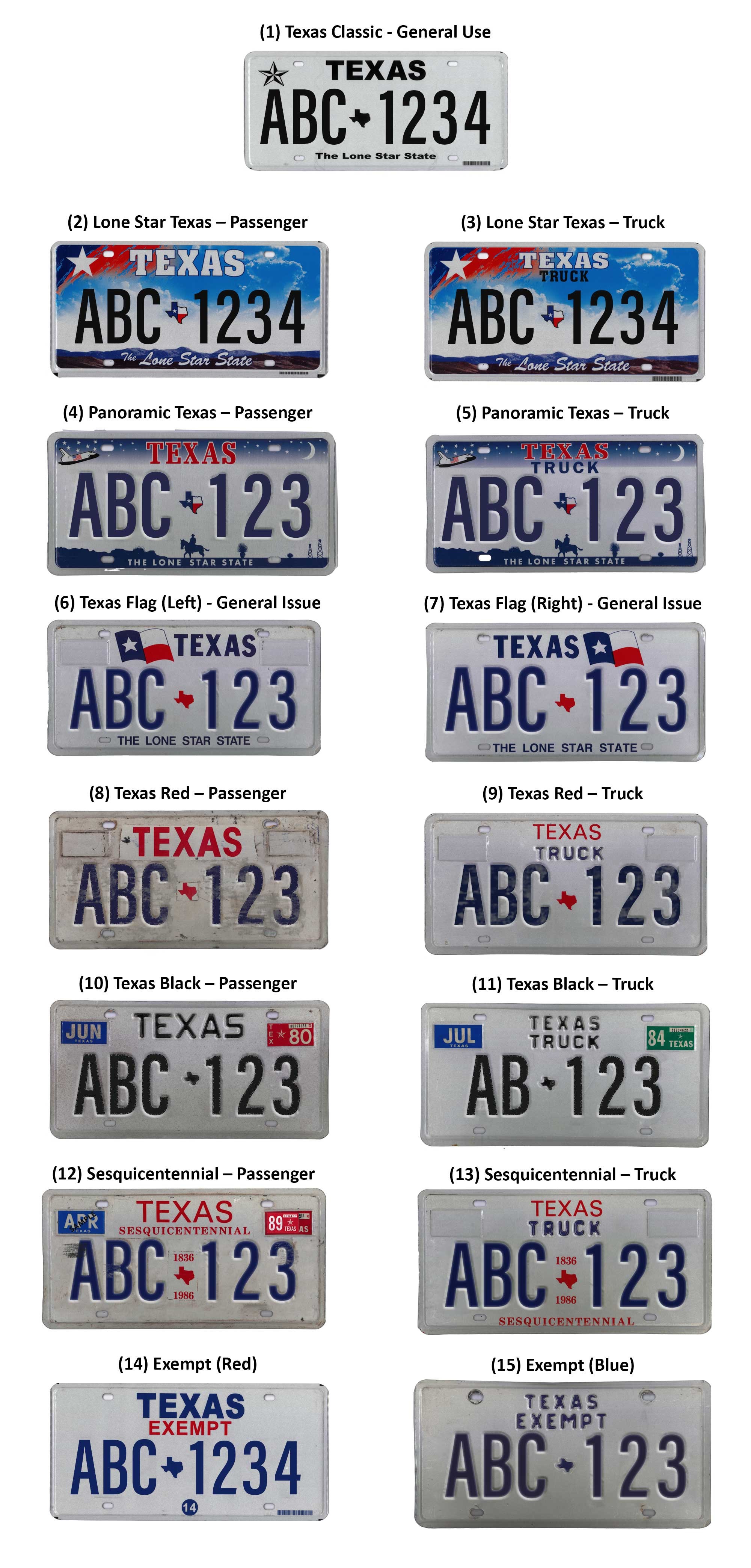
Beyond the standard procedures, Texas offers various options for specialized license plates and addresses unique circumstances.
Specialty License Plates
The TxDMV offers a wide array of specialty license plates that allow Texans to display their support for various causes, organizations, or interests. These can range from plates benefiting Texas Parks and Wildlife to those representing universities, military branches, or specific hobbies.
How to Obtain Specialty Plates:
- Choose Your Plate: Browse the available options on the TxDMV website or at your local county tax office.
- Meet Eligibility Requirements: Some specialty plates may have specific eligibility criteria.
- Pay Additional Fees: Specialty plates typically come with an additional annual fee on top of the standard registration fee.
- Complete Application: You will fill out a specific application form for the specialty plate you choose.
These plates not only add a personal touch to your vehicle but also contribute financially to the organizations or causes they represent.
Transferring Plates to a New Vehicle
If you purchase a new vehicle and already have Texas license plates on your old one, you can often transfer those plates. This process involves surrendering your old vehicle’s registration and titling documents and applying for a new title and registration for the new vehicle, indicating that you are transferring existing plates. The county tax assessor-collector’s office will guide you through this process. You will still need to ensure the new vehicle has passed its required inspection.
Antique and Classic Vehicle Registration
Texas recognizes the value of antique and classic vehicles with specific registration programs. For vehicles designated as “antique” (30 years or older and primarily used for exhibition or historical purposes), a one-time registration fee may apply, and annual inspections might be waived. Similarly, “classic” vehicles (25 years or older) have specific registration options. These programs often come with limitations on mileage and usage.
Custom Plates and Personalized Plates
For those seeking a truly unique look, Texas offers personalized license plates. You can choose your own combination of letters and numbers, subject to availability and state regulations. There is an additional fee for personalized plates, and the combination must be approved by the TxDMV.
Frequently Asked Questions About Texas License Plates
Q: How long do I have to register my vehicle after moving to Texas?
A: You have 30 days from the date you establish residency in Texas to register your vehicle.
Q: Can I renew my registration without a vehicle inspection?
A: No, a current passing vehicle inspection report is required to renew your Texas vehicle registration.
Q: Where can I get my vehicle inspected?
A: You can get your vehicle inspected at any authorized Texas Department of Public Safety (DPS) licensed inspection station.
Q: What if I lose my registration sticker or license plate?
A: You will need to apply for a replacement at your local county tax assessor-collector’s office. You will likely need to provide proof of identity and pay a replacement fee.

Q: How much does it cost to register a vehicle in Texas?
A: The cost varies depending on the vehicle type, weight, and county. You can find a fee estimator on the TxDMV website or inquire at your local county tax office.
By understanding these guidelines and utilizing the resources provided by the TxDMV and your local county tax assessor-collector’s office, obtaining and maintaining your Texas license plates will be a seamless part of enjoying your vehicle in the great state of Texas.
LifeOutOfTheBox is a participant in the Amazon Services LLC Associates Program, an affiliate advertising program designed to provide a means for sites to earn advertising fees by advertising and linking to Amazon.com. Amazon, the Amazon logo, AmazonSupply, and the AmazonSupply logo are trademarks of Amazon.com, Inc. or its affiliates. As an Amazon Associate we earn affiliate commissions from qualifying purchases.