
Navigating the landscape of business establishment in any state can feel like charting an unknown territory. For those looking to set up shop within the vibrant and diverse economic environment of Nevada, understanding the licensing process is paramount. This guide delves into the intricacies of obtaining a Nevada business license, offering clarity and direction to aspiring entrepreneurs and established businesses alike. From the initial steps of business structure to the final endorsements, we’ll illuminate the path to compliant operation.
Understanding Nevada Business Licensing Requirements
The term “Nevada business license” is often used as a broad umbrella, but in reality, it encompasses a variety of permits and licenses, each serving a specific purpose in regulating business activities. These requirements are not monolithic; they vary based on the nature of your business, its location, and the specific industries it serves. It’s crucial to understand that there isn’t a single “Nevada Business License” that covers all enterprises. Instead, you’ll likely need a combination of state, county, and city licenses, as well as potential federal permits.
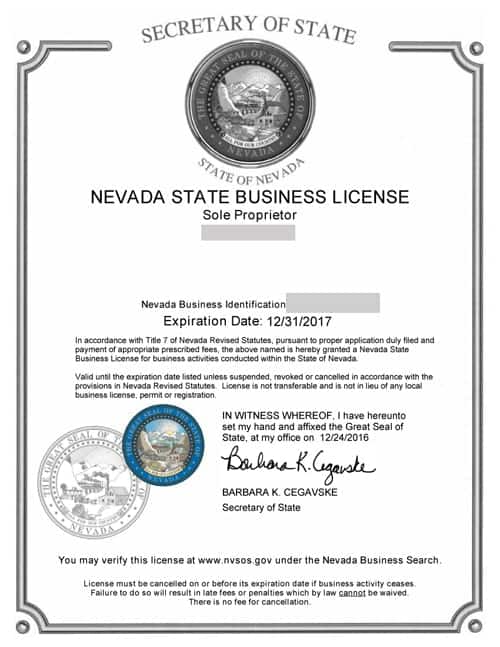
State-Level Licenses and Registrations
The State of Nevada mandates certain registrations for all businesses operating within its borders. The most fundamental of these is registering your business name. If you’re operating under a name different from your legal personal name (for sole proprietorships and partnerships) or the registered name of your corporation or LLC, you’ll need to file a “Doing Business As” (DBA) or fictitious business name statement with the Nevada Secretary of State.
Beyond name registration, many industries require specific state licenses. For instance, businesses involved in professional services, healthcare, construction, hospitality, and finance will need to obtain specialized licenses from the relevant state boards or agencies. Examples include:
- Contractors: The Nevada State Contractors Board issues licenses to individuals and companies engaged in construction and related trades.
- Healthcare Professionals: Physicians, nurses, dentists, and other medical practitioners must be licensed by the Nevada State Health Division.
- Alcoholic Beverages: Businesses selling alcohol, such as bars and restaurants, require a liquor license from the Nevada Department of Taxation and local authorities.
- Gaming: The iconic Nevada gaming industry is heavily regulated by the Nevada Gaming Control Board and the Nevada Gaming Commission, requiring extensive licensing for casinos, slot machine operators, and related services.
- Real Estate: Agents and brokers must be licensed by the Nevada Real Estate Division.
It is imperative to research the specific state agency overseeing your industry to understand the precise licensing requirements and application procedures. The Nevada Secretary of State’s website is a valuable starting point for general business registration information.
County and City Business Licenses
In addition to state-level requirements, most businesses operating within Nevada will need to obtain a business license from the county or city in which they are physically located. These are often referred to as “business operating licenses” or “business tax certificates.”
- County Licenses: Counties in Nevada often have their own licensing departments. For example, if your business is located in an unincorporated area of a county, you will typically deal directly with the county government.
- City Licenses: Incorporated cities, such as Las Vegas, Reno, Henderson, or North Las Vegas, will have their own municipal business licensing requirements. You will need to contact the city’s business license department or clerk’s office.
These local licenses are generally tied to the ability to operate within that specific jurisdiction and often involve an annual fee, which may be based on projected revenue or the type of business activity. They are crucial for ensuring your business complies with local zoning ordinances, health and safety regulations, and tax collection mechanisms.
Federal Licenses and Permits
Depending on your business activities, you might also need federal licenses or permits. These are typically required for industries regulated by federal agencies, such as:
- Agriculture: The U.S. Department of Agriculture (USDA) oversees various agricultural permits.
- Aviation: The Federal Aviation Administration (FAA) licenses aviation-related businesses.
- Firearms, Ammunition, and Explosives: The Bureau of Alcohol, Tobacco, Firearms and Explosives (ATF) issues licenses for these industries.
- Alcoholic Beverages (Interstate): If your business involves the production or interstate sale of alcohol, you’ll need permits from the Alcohol and Tobacco Tax and Trade Bureau (TTB).
- Commercial Fisheries: The National Oceanic and Atmospheric Administration (NOAA) Fisheries regulates certain fishing operations.
- Immigration Services: Businesses offering immigration assistance services may need authorization from the U.S. Citizenship and Immigration Services (USCIS).
- Mining and Drilling: The U.S. Bureau of Land Management (BLM) and other federal agencies regulate mining and drilling operations on federal lands.
- Nuclear Energy: The U.S. Nuclear Regulatory Commission (NRC) licenses and regulates nuclear facilities and materials.
- Radio and Television Broadcasting: The Federal Communications Commission (FCC) issues licenses for broadcasting.
- Transportation and Logistics: The U.S. Department of Transportation (DOT) and related agencies regulate various aspects of transportation.
It is essential to consult the relevant federal agency websites to determine if your business requires any federal licensing.
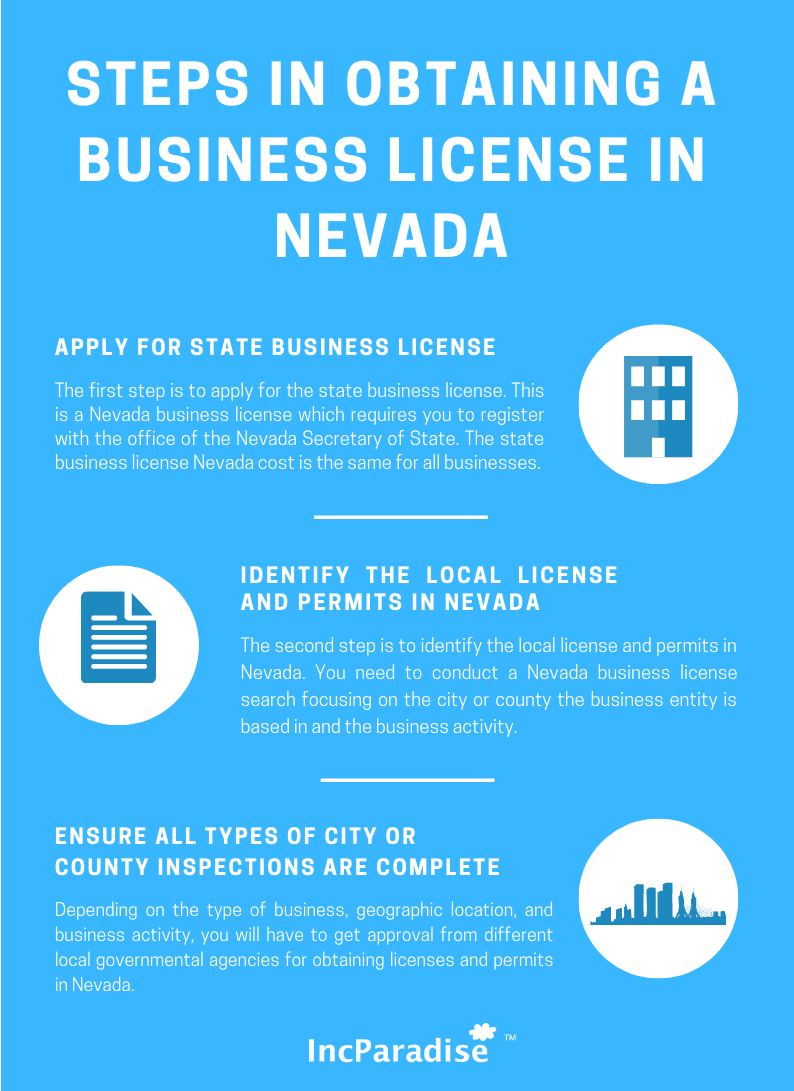
The Application Process: Step-by-Step
Securing the necessary licenses and permits involves a structured application process. While specific forms and requirements differ, a general roadmap can help you prepare.
Step 1: Determine Your Business Structure
Before you apply for any licenses, you must decide on your business structure. Common options include:
- Sole Proprietorship: Owned and run by one individual, with no legal distinction between the owner and the business.
- Partnership: Owned and run by two or more individuals.
- Limited Liability Company (LLC): A hybrid structure that combines the pass-through taxation of a partnership or sole proprietorship with the limited liability of a corporation.
- Corporation (S-Corp or C-Corp): A legal entity separate from its owners, offering the strongest protection from personal liability.
Your chosen structure will impact your registration process with the Nevada Secretary of State and your tax obligations. For LLCs and corporations, you’ll need to file Articles of Organization or Articles of Incorporation, respectively.
Step 2: Register Your Business Name
As mentioned, if you are operating under a name other than your legal name, you must register your fictitious business name with the Nevada Secretary of State. This registration is typically valid for a set period and will need to be renewed.
Step 3: Obtain an Employer Identification Number (EIN)
If you plan to hire employees or operate as a corporation or partnership, you will need to obtain an Employer Identification Number (EIN) from the Internal Revenue Service (IRS). This is a federal tax identification number, similar to a Social Security number for individuals. You can apply for an EIN for free on the IRS website.
Step 4: Identify and Apply for State-Specific Licenses and Permits
This is where you’ll need to do your in-depth research. Visit the websites of the relevant Nevada state agencies that regulate your industry. Download application forms, review eligibility criteria, and understand any required documentation, such as proof of insurance, certifications, or examinations.
Step 5: Secure County and City Business Licenses
Once you have your state-level registrations and licenses in order, or in parallel with that process, you’ll need to address local requirements. Contact the county clerk’s office and the city business license department for your primary business location. They will guide you through their specific application forms, fee structures, and any zoning or health permit requirements unique to their jurisdiction.
Step 6: Address Federal Licenses and Permits (If Applicable)
If your business falls under federal regulatory oversight, begin the application process with the relevant federal agencies. Be prepared for potentially longer processing times and more complex requirements at the federal level.
Step 7: Understand Ongoing Compliance and Renewals
Obtaining a business license is not a one-time event. Most licenses and permits have expiration dates and require periodic renewal. You will also need to stay informed about any changes in regulations that may affect your business. Maintaining accurate records and being proactive about renewals will prevent lapses in compliance, which can lead to penalties and operational disruptions.
Key Considerations for a Smooth Process
Several factors can significantly impact the efficiency and success of your business licensing journey.
Research is Paramount
The most common pitfall for new businesses is inadequate research. The Nevada business landscape is complex, and assuming you know all requirements can lead to costly mistakes. Utilize official government websites, industry associations, and consider consulting with legal or business professionals specializing in Nevada business law.
Location Matters
The specific city and county you choose for your business operations will dictate many of your local licensing needs. Different municipalities have distinct regulations, fees, and application processes. Thoroughly investigate the licensing requirements of any potential business location before committing to a lease or purchase.
Industry-Specific Nuances
As highlighted, the nature of your business is the primary driver of licensing needs. A technology startup will have vastly different requirements than a restaurant or a construction company. Dedicate ample time to understanding the specific regulations within your industry.
Professional Assistance
For complex business structures, highly regulated industries, or if you find the process overwhelming, consider engaging the services of a business attorney, a licensing consultant, or a certified public accountant (CPA). These professionals can provide expert guidance, help you navigate complex paperwork, and ensure you meet all legal obligations. Many entrepreneurs find that the investment in professional assistance saves them time, money, and significant stress in the long run.
Stay Organized
Keep meticulous records of all applications submitted, licenses obtained, fees paid, and renewal dates. A well-organized system will help you stay on top of compliance and avoid missing critical deadlines.
Online Resources
The State of Nevada offers various online resources to assist businesses. The Nevada Secretary of State’s business portal, the Nevada Department of Taxation, and individual county and city websites often provide downloadable forms, FAQs, and contact information for licensing departments.
Conclusion
Establishing a business in Nevada offers access to a dynamic economic environment, but it requires diligent adherence to licensing and regulatory frameworks. By understanding the distinctions between state, county, and federal licenses, meticulously following the application process, and conducting thorough research tailored to your specific business needs, you can successfully navigate the path to obtaining the necessary permits. Proactive engagement with regulatory bodies and a commitment to ongoing compliance will ensure your business operates legally and thrives within the Silver State.
LifeOutOfTheBox is a participant in the Amazon Services LLC Associates Program, an affiliate advertising program designed to provide a means for sites to earn advertising fees by advertising and linking to Amazon.com. Amazon, the Amazon logo, AmazonSupply, and the AmazonSupply logo are trademarks of Amazon.com, Inc. or its affiliates. As an Amazon Associate we earn affiliate commissions from qualifying purchases.