
While the allure of exploring new destinations, from the vibrant streets of New Orleans to the serene landscapes of Banff National Park, is undeniable, navigating unfamiliar territories can sometimes present unforeseen challenges. When planning a trip, whether it’s a luxurious resort stay in Cancun or a budget-friendly exploration of Prague, understanding local laws and regulations is paramount for a safe and enjoyable experience. This is particularly true when considering personal safety, and for residents or those temporarily residing in Texas, understanding how to obtain a protective order is a crucial aspect of ensuring personal security.
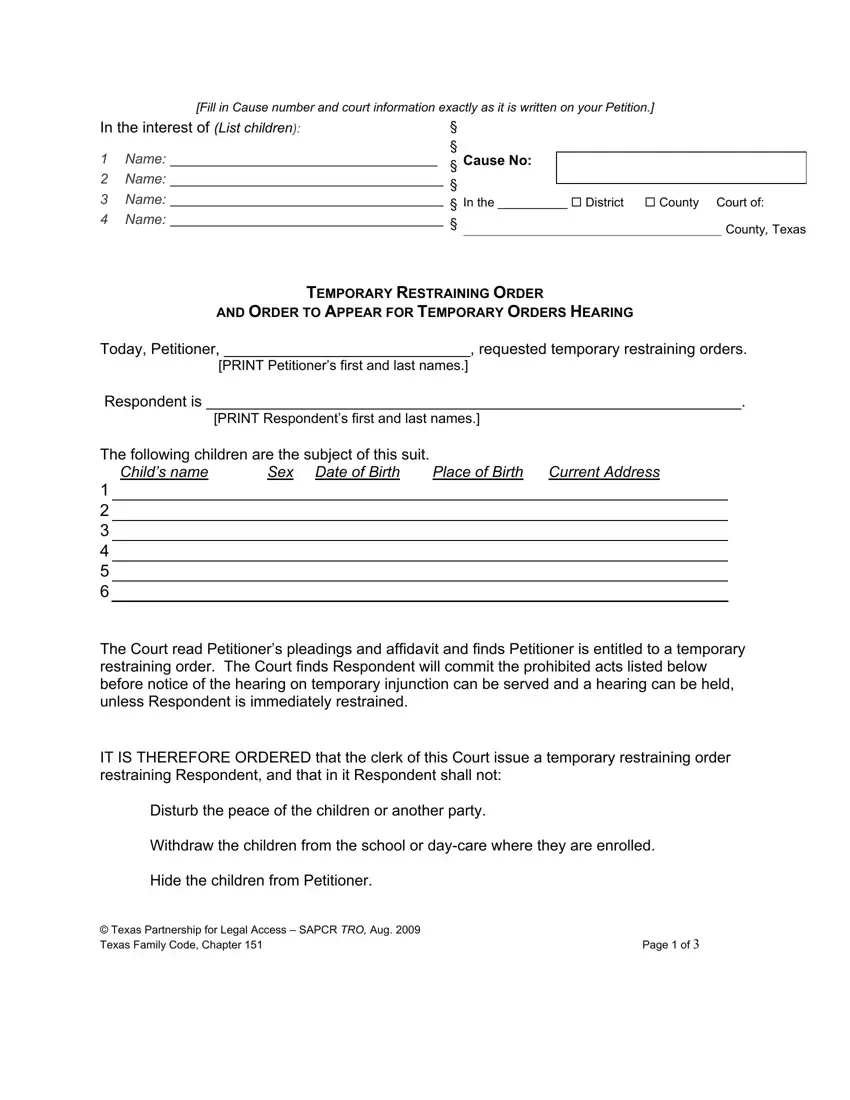
A protective order, often referred to as a restraining order in other jurisdictions, is a civil court order designed to shield individuals from family violence, dating violence, sexual assault, or stalking. In Texas, these orders are governed by the Texas Family Code and are issued by state courts to provide immediate protection and legal recourse to victims. The process, while potentially daunting, is designed to be accessible, and this guide aims to demystify the steps involved in securing one.
Understanding the Protective Order Process in Texas
The fundamental purpose of a protective order in Texas is to prevent an individual who has committed or threatened to commit family violence from harming another person. This violence can encompass a range of actions, including physical assault, sexual assault, threats of harm, and acts that place someone in fear of bodily injury. It’s important to note that a protective order is a civil matter, meaning it is pursued in civil court, and is distinct from criminal charges that may also be brought against an abuser.
Who Can Apply for a Protective Order?
In Texas, the ability to apply for a protective order is not limited to the direct victim of the violence. Several categories of individuals are eligible to seek this legal protection:
- Individuals experiencing family violence: This is the most common scenario, where a person has been a victim of violence by a family member, household member, or someone with whom they have or have had a dating relationship. Family members include spouses, former spouses, parents, children, stepparents, and adult relatives living in the same household.
- Children: A child can apply for a protective order through a parent or guardian, or if they are at least 16 years old, they can apply on their own behalf.
- Guardians: If an individual is under guardianship due to age or disability, their guardian can apply for a protective order on their behalf.
- Individuals experiencing dating violence: This includes current or former dating partners.
- Individuals experiencing sexual assault: This applies even if there is no familial or dating relationship with the perpetrator.
- Individuals experiencing stalking: This covers persistent unwanted contact that causes fear or distress.
Crucially, the applicant must demonstrate that family violence has occurred and that there is a clear and present danger of future harm. Simply experiencing unpleasantness or disagreement is not sufficient grounds for a protective order. The acts of violence must be substantial and create a legitimate fear for one’s safety.
Types of Protective Orders
In Texas, there are two primary types of protective orders:
Temporary Ex Parte Orders
A Temporary Ex Parte Order is an emergency order that can be obtained quickly, often within 24 hours of filing the application. This order is issued without the alleged abuser being present or notified initially. Its purpose is to provide immediate protection while the court schedules a full hearing. To obtain a Temporary Ex Parte Order, the applicant must present evidence to the judge that clearly shows immediate danger of irreparable harm. This evidence can include sworn affidavits detailing specific incidents of violence, threats, or stalking. The order typically lasts for a short period, usually 15 days, until the full hearing can take place. This allows the applicant time to prepare for the hearing and ensures their safety in the interim, much like securing a safe place to stay while awaiting your confirmed hotel booking at a resort like the Grand Hyatt Hotel in San Antonio.
Final Protective Orders
A Final Protective Order is issued after a formal court hearing where both parties have an opportunity to present their case. This hearing is scheduled after the Temporary Ex Parte Order has been issued, or if no emergency order was sought. The applicant must prove by a preponderance of the evidence that family violence has occurred and that it is likely to occur again. If granted, a Final Protective Order can remain in effect for up to two years and can include various provisions aimed at protecting the victim. These provisions can include prohibiting the abuser from contacting the victim in any way, restricting the abuser from coming within a certain distance of the victim’s home, work, or children’s school, and ordering the abuser to attend counseling. The goal is to create a legal framework that ensures the victim’s safety and peace of mind, similar to how a well-planned itinerary ensures a smooth travel experience, allowing one to focus on enjoying destinations like the Alamo or experiencing the local culture in Austin.
Steps to Obtain a Protective Order in Texas
The process of obtaining a protective order in Texas involves several distinct stages, each requiring careful attention to detail. While the specifics can vary slightly depending on the county and the court, the general pathway remains consistent.
1. Filing the Application for Protective Order
The first step is to obtain and complete an “Application for Protective Order.” These forms are typically available from the district clerk’s office in the county where the applicant or the abuser resides. Many courthouses also have legal aid services or self-help centers that can provide guidance and copies of the necessary paperwork. The application requires detailed information, including:
- Applicant’s information: Your full name, address, and contact details.
- Respondent’s information: The full name, address, date of birth, and any other identifying information for the person from whom you are seeking protection.
- Relationship to the respondent: Clearly state your relationship to the abuser (e.g., spouse, former spouse, dating partner, family member).
- Description of family violence: This is a critical section. You must provide specific details about the incidents of family violence that have occurred. Include dates, times, locations, and descriptions of the actions taken by the respondent, as well as any injuries sustained. Be as factual and precise as possible. This narrative should clearly articulate the basis for your fear of future harm.
- Requested relief: Specify the types of protection you are seeking, such as no contact orders, geographical restrictions, or prohibitions on firearm possession.
It is highly advisable to consult with an attorney before filing, especially if the case involves complex issues or significant safety concerns. Many domestic violence shelters and legal aid organizations offer free or low-cost legal assistance to victims. For those who are traveling and find themselves in a difficult situation, understanding that resources are available, much like researching hotel amenities before booking a stay at a place like the JW Marriott San Antonio Hill Country Resort & Spa, can provide a sense of security.

2. Filing Fees and Service of Process
Generally, there are no filing fees for applications for protective orders related to family violence in Texas. This is a deliberate provision to ensure that financial hardship does not prevent victims from seeking protection.
Once the application is filed, the court will typically schedule an initial hearing for a Temporary Ex Parte Order. Before this hearing, the respondent must be officially notified of the lawsuit. This is known as “service of process.” A constable or a private process server will deliver a copy of the application and the notice of the hearing to the respondent. Proper service is crucial for the court to proceed.
3. The Ex Parte Hearing and Temporary Protective Order
The ex parte hearing is a brief court appearance where the judge reviews your application and hears sworn testimony from you. You will need to convince the judge that family violence has occurred and that there is an immediate danger of further harm. If the judge grants the Temporary Ex Parte Order, it will be issued immediately. This order provides immediate protection until the final hearing, typically lasting for about 15 days. It will outline the initial restrictions placed on the respondent.
4. The Final Hearing
After the Temporary Ex Parte Order is issued (or if no emergency order was sought), a date will be set for a final hearing. This hearing allows both you and the respondent to present evidence and arguments to the judge. You will have the opportunity to testify, present witnesses, and submit any evidence you have gathered, such as medical records, photographs of injuries, police reports, or threatening messages. The respondent will also have the opportunity to present their side.
To obtain a Final Protective Order, you must prove by a preponderance of the evidence that family violence has occurred and is likely to occur again. If the judge finds in your favor, a Final Protective Order will be issued. This order can be more comprehensive than the temporary order and will specify the exact terms of protection for a period of up to two years. The court may also address issues such as child custody and support within the protective order proceedings if the parties have children. This level of detailed legal planning ensures safety and stability, much like researching local attractions and experiences before a trip to Galveston or planning family-friendly activities in San Marcos.
5. Enforcing the Protective Order
A protective order is a legally binding document. If the respondent violates any of its terms, they can face serious legal consequences, including arrest and criminal charges. If you believe the protective order has been violated, you should contact your local law enforcement agency immediately. They will investigate the alleged violation and take appropriate action.
It is essential to keep a certified copy of the protective order with you at all times. This document serves as proof of the legal protections in place.
Seeking Support and Resources
Navigating the legal system, especially during a time of personal crisis, can be incredibly challenging. Fortunately, numerous resources are available in Texas to assist individuals seeking protective orders. These resources provide not only legal guidance but also emotional support and a safe haven for victims.
Legal Aid and Pro Bono Services
Many organizations offer free or low-cost legal services to victims of family violence. These include:
- Legal Aid Societies: These non-profit organizations provide legal representation to low-income individuals. They can assist with filing applications, representing clients in court, and advising them on their rights.
- Bar Associations: Local and state bar associations often have pro bono programs where attorneys volunteer their time to represent clients in need.
- Domestic Violence Shelters: Most domestic violence shelters in Texas have legal advocates on staff or can refer you to legal resources that specialize in protective orders. These shelters provide a safe environment, counseling, and support services.
Law Enforcement and Court Clerks
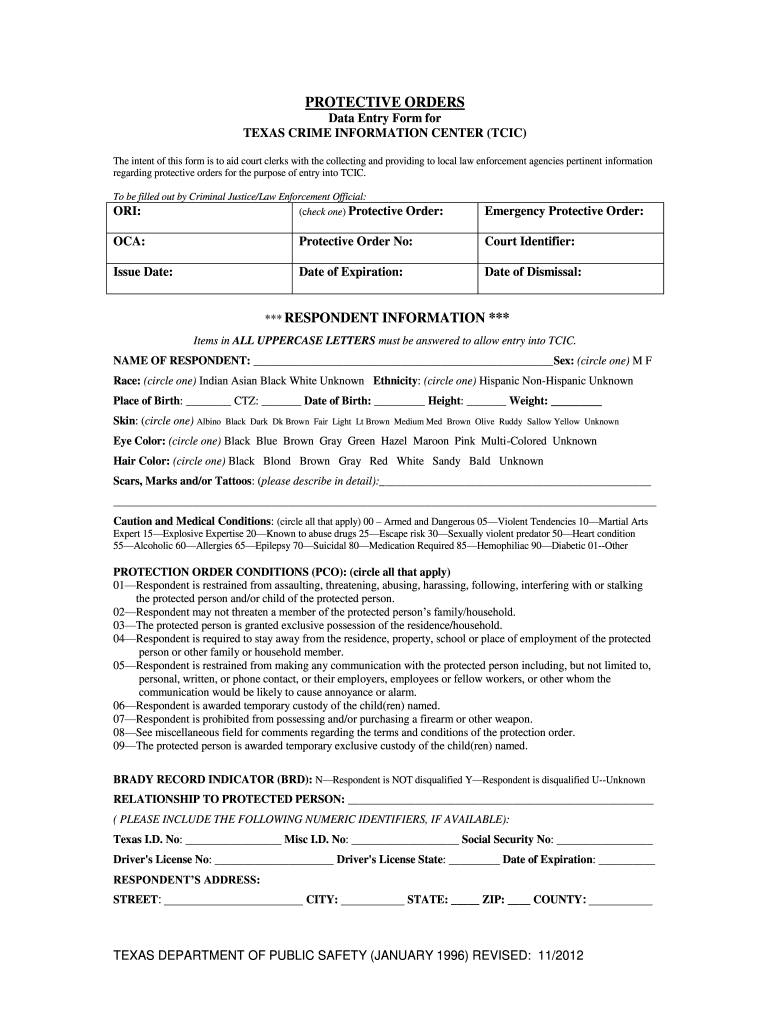
While law enforcement cannot provide legal advice, they can offer immediate assistance in cases of ongoing violence and ensure that a protective order is properly served and enforced. Court clerks can provide forms and answer procedural questions, but they cannot give legal advice.
Advocacy Groups and Hotlines
Numerous advocacy groups and hotlines operate across Texas to support victims of domestic violence, sexual assault, and stalking. These organizations offer confidential crisis counseling, information about legal rights, and referrals to local services. They can be an invaluable first point of contact for anyone seeking help and guidance. This network of support is crucial, akin to having a reliable travel guide when exploring a new city like Houston, ensuring you have the information and assistance you need.
Obtaining a protective order in Texas is a significant step towards ensuring personal safety. While the legal process can seem complex, understanding the requirements, steps involved, and available resources can empower individuals to seek the protection they deserve. Remember, prioritizing your safety and well-being is paramount, and these legal avenues are in place to provide that security, allowing you to focus on your life and experiences, whether it’s enjoying a family trip to Six Flags Fiesta Texas or a peaceful stay at a boutique hotel in Marfa.
LifeOutOfTheBox is a participant in the Amazon Services LLC Associates Program, an affiliate advertising program designed to provide a means for sites to earn advertising fees by advertising and linking to Amazon.com. Amazon, the Amazon logo, AmazonSupply, and the AmazonSupply logo are trademarks of Amazon.com, Inc. or its affiliates. As an Amazon Associate we earn affiliate commissions from qualifying purchases.