
For anyone living in or planning to travel through the Golden State, understanding the requirements for a REAL ID in California is more than just a bureaucratic hurdle; it’s a crucial step towards seamless travel and an unencumbered lifestyle. In an increasingly interconnected world, where domestic air travel and access to federal facilities are integral to both business and leisure, possessing the correct identification is paramount. This guide is designed to clarify the process, linking the necessity of a REAL ID to your travel aspirations and daily convenience within and beyond California.
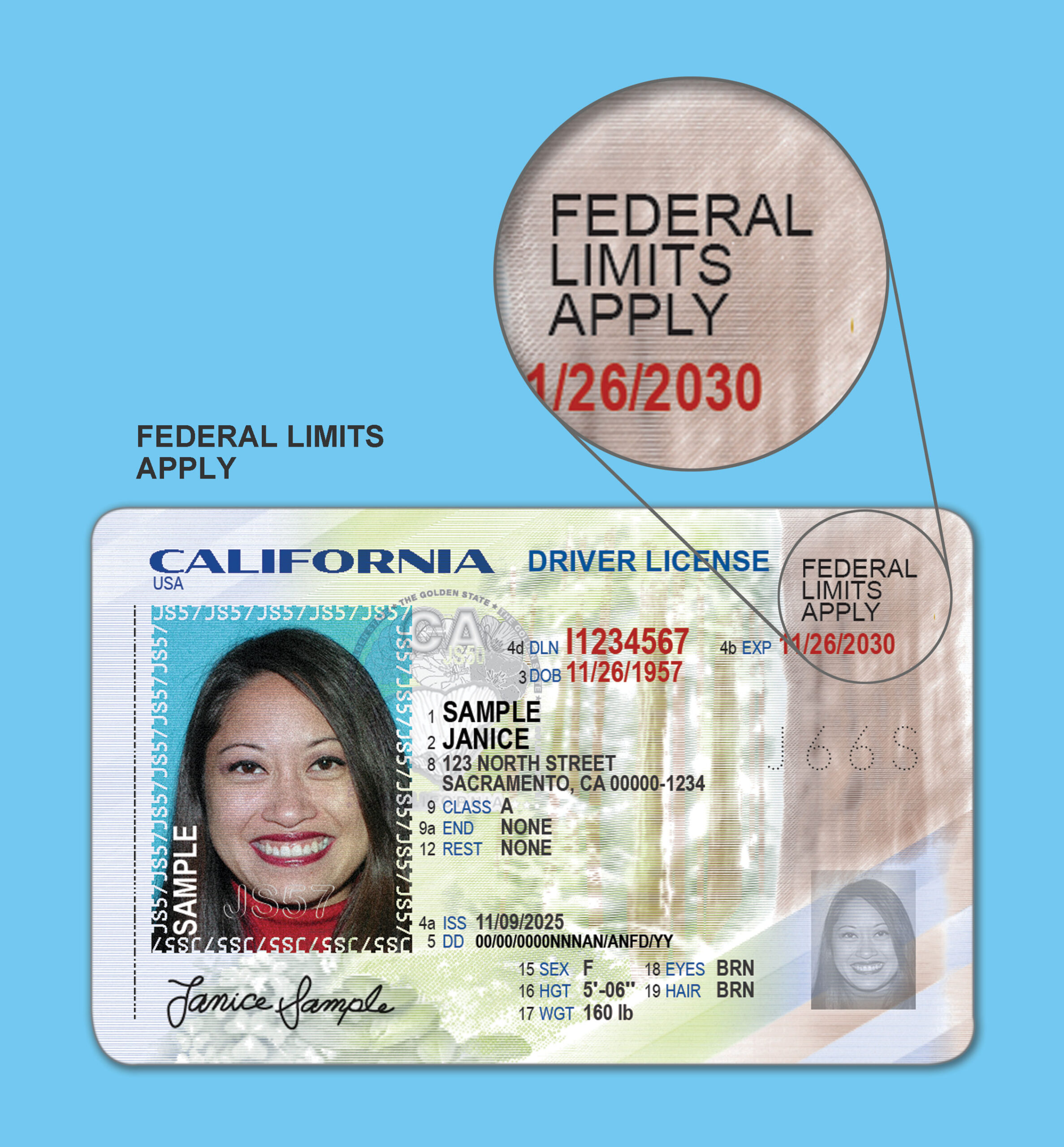
The REAL ID Act, passed by Congress in 2005 in response to the security recommendations from the 9/11 Commission, set new standards for the issuance of state-issued driver’s licenses and identification cards. Its primary goal is to enhance national security by making it harder for individuals to obtain fraudulent identification. For residents of California, this means that the standard driver’s license or identification card might no longer be sufficient for certain federal purposes. Whether you’re embarking on a domestic flight from Los Angeles to New York, visiting a federal building in Sacramento, or simply wanting the peace of mind that comes with compliant identification, obtaining a REAL ID is an essential consideration for modern travel and lifestyle.
Understanding the REAL ID Mandate: Why It Matters for Travelers
The landscape of domestic travel within the United States underwent a significant shift with the full enforcement of the REAL ID Act. While the deadlines have been adjusted over time, the core principle remains: a REAL ID compliant document is required for specific federal purposes. For travelers, especially those who frequently utilize air travel, this directly impacts their ability to board commercial aircraft. The convenience and efficiency of navigating airports and enjoying various travel experiences are inextricably linked to possessing the correct identification.
The Nexus Between REAL ID and Domestic Travel
Imagine planning a spontaneous weekend getaway from San Francisco to San Diego, or a more extensive trip to explore the national parks of the United States. Without a REAL ID compliant driver’s license or state ID, you could face significant delays or even be denied boarding at the airport security checkpoint. The Transportation Security Administration (TSA) is tasked with enforcing these federal regulations. A standard California driver’s license, clearly marked “FEDERAL LIMITS APPLY,” will not be accepted for domestic air travel, nor will it grant access to federal facilities, military bases, or nuclear power plants.
For avid travelers, this distinction is critical. Your REAL ID acts as your key to unlocking seamless domestic air travel, ensuring your meticulously planned trips—whether for business meetings, family vacations, or solo adventures—proceed without unexpected identification issues. This becomes particularly relevant for those who enjoy exploring California’s diverse attractions, from the iconic Golden Gate Bridge to the majestic Yosemite National Park, often involving flights between major cities or connecting to other parts of the country. Ensuring you have a REAL ID is a fundamental aspect of modern travel preparedness, safeguarding your itinerary and peace of mind.
Beyond the Airport: Accessing Federal Facilities
While air travel is often the most highlighted reason for obtaining a REAL ID, its utility extends far beyond airport terminals. Many federal facilities, including courthouses, military bases, and various government buildings, require REAL ID compliant identification for entry. This impacts a wide range of individuals, from those conducting official business to tourists visiting national monuments in Washington D.C. or other federal sites across the nation.
Consider a situation where you might need to visit a federal office for passport services, Social Security Administration inquiries, or even certain areas within national parks managed by federal agencies. A REAL ID ensures your access is unimpeded. For residents whose lifestyles frequently intersect with federal services or who enjoy exploring the breadth of America‘s landmarks, many of which are federal properties, a REAL ID provides an essential layer of convenience and security. It eliminates the need to carry alternative forms of identification, such as a passport, for these routine interactions, streamlining your daily life and travel within the United States.
Navigating the Application Process in California
Obtaining a REAL ID in California is a straightforward process, provided you arrive at the Department of Motor Vehicles (DMV) prepared. The key to a smooth experience lies in understanding and gathering the necessary documentation beforehand. The California DMV website offers a comprehensive checklist and an interactive tool to help applicants determine precisely what they need. Ignoring these prerequisites can lead to multiple trips and unnecessary frustration, delaying your ability to secure this vital identification.
Essential Documents: What You’ll Need
To apply for a REAL ID in California, you must present original documents or certified copies that prove your identity, residency, and Social Security Number (SSN). This rigorous verification process is central to the REAL ID Act’s goal of enhancing security.
-
Proof of Identity (One Document): This is perhaps the most critical component. Acceptable documents include:
- An original or certified copy of a U.S. birth certificate.
- A valid, unexpired U.S. passport or passport card.
- An unexpired foreign passport with a valid U.S. visa and approved I-94 form (if applicable).
- A permanent resident card.
- A certificate of U.S. citizenship or naturalization.
- For those with name changes (due to marriage, divorce, etc.), additional legal documents like a marriage certificate or court order proving the name change are required to link your identity document to your current legal name.
-
Proof of Social Security Number (One Document): You’ll need to provide your full Social Security Number. Acceptable documents include:
- Your Social Security card.
- A W-2 form.
- A Social Security Administration (SSA) 1099 form.
- A non-SSA 1099 form.
- A pay stub with your name and full SSN.
-
Proof of California Residency (Two Documents): This verifies that you currently live in the State of California. These documents must show your current physical address. Examples include:
- Utility bills (gas, electric, water, cable, internet).
- Rental or lease agreements.
- Mortgage bills.
- Bank statements.
- Medical documents.
- Employer documents (e.g., pay stubs with address).
- Insurance documents (auto, health, life).
- School documents (for minors).
It’s imperative that all documents are current and accurately reflect your legal name and address. Inconsistencies will require additional documentation or delay your application. The DMV will not accept photocopies; you must bring original documents.
Step-by-Step: From Application to Issuance
Once you have meticulously gathered all your required documents, the application process itself involves a few key steps:
- Complete the Online Application: The California DMV encourages applicants to start the process online. Visit the official DMV website and fill out the REAL ID application form. This pre-fills much of your information, saving time at the office. Upon completion, you’ll receive a confirmation code.
-
Schedule an Appointment: While walk-ins are sometimes accommodated, scheduling an appointment is highly recommended to minimize wait times. The DMV system allows you to select a convenient date and time at your nearest DMV office. This is particularly valuable in bustling metropolitan areas like Los Angeles or San Francisco, where queues can be lengthy.
-
Visit the DMV Office: On the day of your appointment, bring all your original documents, your online application confirmation code, and the required fee.
- You will present your documents to a DMV representative, who will verify their authenticity and scan them.
- Your thumbprints will be taken.
- You will have your photo taken for the REAL ID card.
- You will need to pass a vision test (for driver’s license applicants).
- If applying for a driver’s license, you may also need to take a written knowledge test and a behind-the-wheel driving test, depending on your existing license status.
-
Receive a Temporary ID and Await Your Card: If all documents are accepted and you successfully complete the required tests, you will be issued a temporary paper REAL ID or driver’s license. Your permanent, plastic REAL ID card will be mailed to your address within a few weeks. It’s crucial to retain your temporary ID, as it serves as valid identification until your permanent card arrives.
Preparing for Your DMV Visit: Tips and Best Practices
A trip to the DMV can sometimes feel daunting, but with proper preparation, it can be a quick and efficient process, allowing you more time to enjoy California’s myriad attractions or plan your next travel adventure. Given the importance of the REAL ID for everything from boarding a domestic flight to accessing federal landmarks, investing a little extra effort upfront will pay dividends in convenience and peace of mind.
Online Application and Appointment Scheduling
As mentioned, starting your application online through the California DMV website is highly recommended. Not only does it allow you to pre-fill your information, which significantly reduces the time spent at the DMV counter, but it also helps you gather all the necessary documents using their interactive checklist. This online tool is designed to walk you through the specific requirements based on your individual circumstances, minimizing the chance of forgetting a crucial document.
Once your online application is complete, immediately schedule an appointment. DMV offices, especially in popular tourist destinations or densely populated areas like Los Angeles and San Francisco, can have long wait times for walk-in services. An appointment guarantees you a specific time slot, significantly cutting down on your overall visit duration. Think of it as booking your flight or hotel in advance – essential for a smooth experience. This forward planning frees up your time, perhaps allowing you an extra hour to explore a local attraction or relax at a café before your appointment.
Common Pitfalls to Avoid
To ensure your REAL ID application is processed smoothly, be aware of common issues that can cause delays:
- Incomplete or Incorrect Documentation: This is the most frequent reason for rejected applications. Double-check that you have all required original documents. If your name has changed, bring all legal documents (marriage certificates, divorce decrees, court orders) that link your identity through the various name changes. Ensure your proof of residency documents clearly show your current physical address in California. P.O. boxes are not accepted as physical addresses.
- Expired Documents: All identity and residency documents must be current and unexpired. A recently expired passport or utility bill will not be accepted.
- Photocopies Instead of Originals: The DMV requires original documents or certified copies for verification. Do not bring photocopies, as they will be rejected.
- Not Scheduling an Appointment: While you might get lucky, showing up without an appointment can mean hours of waiting, especially during peak times. Respect your time and the DMV’s process by scheduling ahead.
- Failing the Vision Test: If you wear glasses or contact lenses, bring them. A failed vision test will prevent the issuance of a driver’s license REAL ID.
- Unpaid Fines or Outstanding Issues: Any outstanding issues with the DMV, such as unpaid traffic tickets or suspended licenses, must be resolved before a new REAL ID can be issued. Check your record online prior to your visit.
By meticulously preparing and avoiding these common pitfalls, your visit to the DMV for a REAL ID in California can be a quick and painless experience, leaving you free to focus on your next travel adventure, whether it’s a scenic drive down Pacific Coast Highway to Big Sur or an international flight from Los Angeles to a dream destination.
REAL ID vs. Standard ID: What’s the Difference and When to Choose
Understanding the distinction between a REAL ID compliant card and a standard California driver’s license or ID card is crucial for making an informed decision about your identification needs. Both are valid forms of identification for many purposes, but their federal acceptability for specific functions differs significantly. Your choice will largely depend on your lifestyle, travel habits, and whether you anticipate needing to access federal facilities.
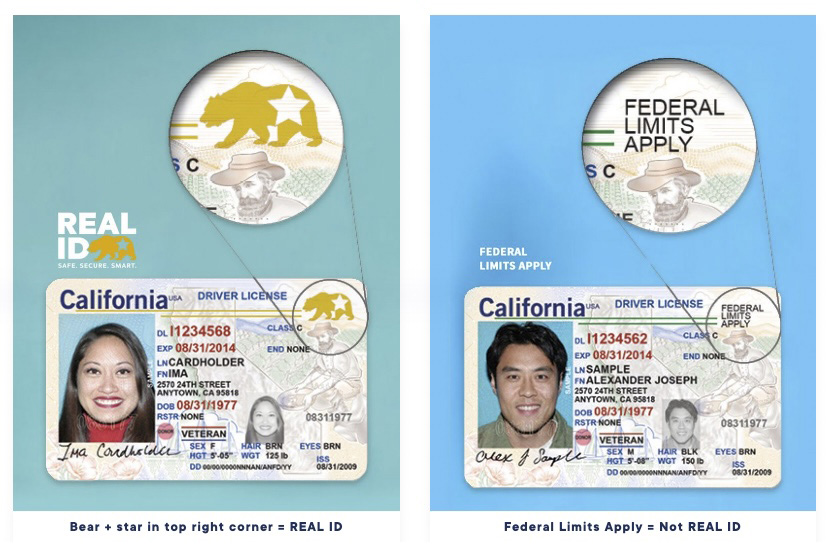
A standard California driver’s license or identification card issued after the REAL ID Act took effect will feature a clear marking, often reading “FEDERAL LIMITS APPLY” or similar text. This indicates that while the card is perfectly valid for driving, voting, purchasing age-restricted items, and all other state-level identification purposes, it will not be accepted by the TSA for domestic air travel or by federal agencies for entry into secure federal facilities.
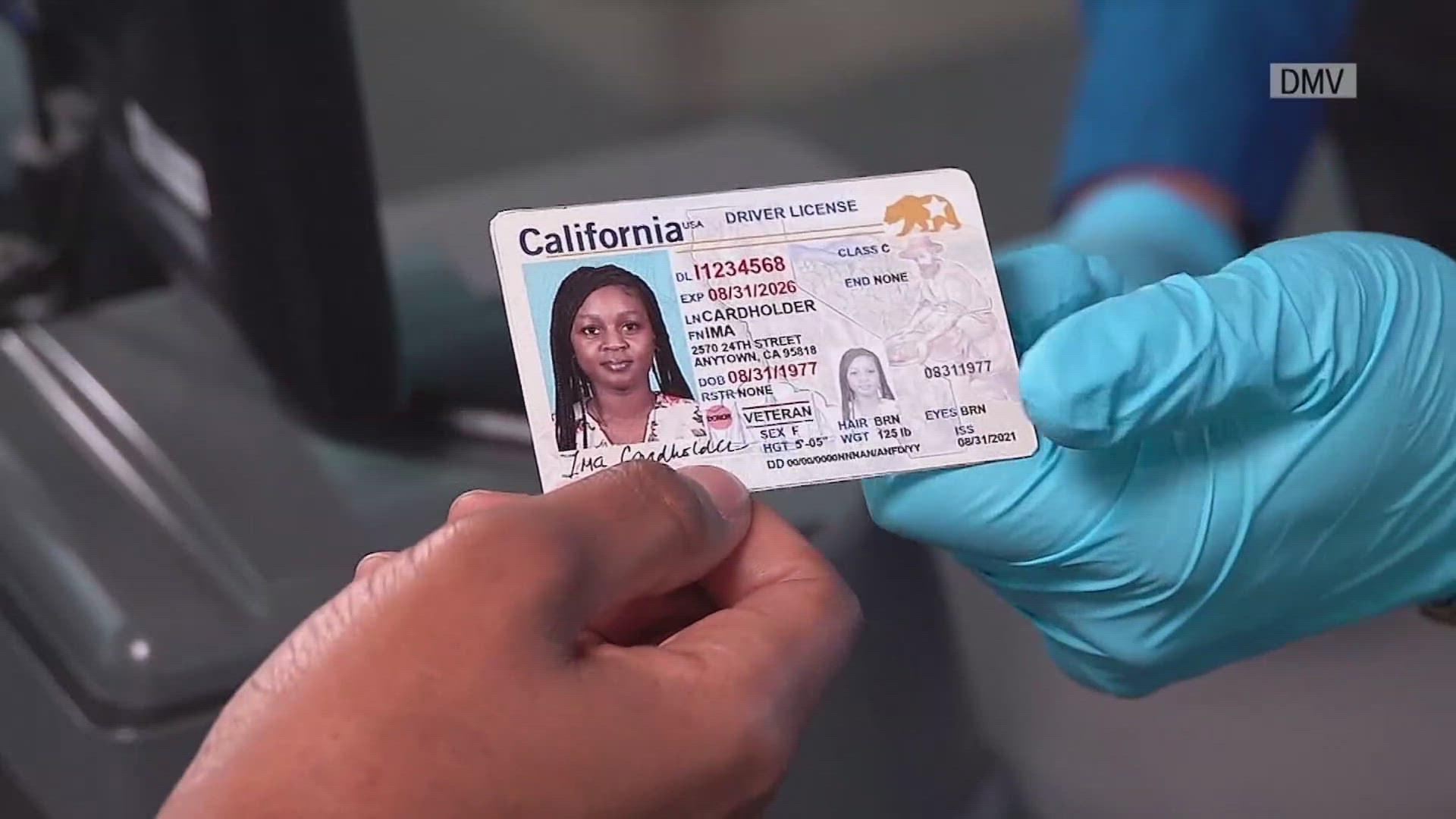
In contrast, a REAL ID compliant card is visually identifiable by a specific marking—a bear with a star, or simply a star—in the upper right-hand corner of the card. This star signifies that the card meets the heightened security standards established by the REAL ID Act and is accepted for all federal purposes, including domestic air travel and access to federal facilities. For those who travel frequently within the United States or interact with federal buildings, the REAL ID is the more practical and convenient choice.
The Future of Travel: Deadlines and Compliance
The enforcement date for the REAL ID requirement has been adjusted several times since the initial legislation. However, the current deadline for nationwide compliance is May 7, 2025. After this date, a REAL ID compliant driver’s license or identification card, or another acceptable form of identification (such as a U.S. passport, permanent resident card, or military ID), will be required for all passengers 18 years and older to board a federally regulated domestic flight.
This deadline is critical for all California residents who wish to maintain unrestricted domestic travel. While a standard driver’s license will continue to be valid for driving privileges within the state of California, its utility for broader travel and federal access will diminish significantly after this date. Missing the deadline could lead to unexpected complications at the airport, potentially disrupting travel plans and causing significant stress. Therefore, making arrangements to obtain a REAL ID well in advance of May 7, 2025, is a prudent decision for any traveler.
Making Your California Journey Seamless
For individuals embracing the diverse travel and lifestyle opportunities California and the broader United States offer, a REAL ID is more than just a piece of plastic—it’s an enabler of freedom and convenience. From booking a luxury hotel in Beverly Hills to embarking on a budget-friendly backpacking trip through Yosemite National Park, seamless identification facilitates every aspect of your journey.
It removes potential headaches at airport security, allowing you to focus on the excitement of your destination rather than bureaucratic hurdles. For families planning trips, it ensures everyone over 18 has the necessary documentation, preventing last-minute scrambles. For business travelers, it guarantees smooth transitions between cities, keeping their schedules on track. Even for residents who may not fly frequently, the ability to access federal facilities without needing to carry a passport provides an added layer of practicality and security in their daily lives.
Ultimately, obtaining a REAL ID in California is an investment in a smoother, more secure, and hassle-free travel and lifestyle experience. By understanding the requirements, preparing your documents, and navigating the application process efficiently, you empower yourself to explore the world, starting with the vast and vibrant landscapes of California and beyond, without a second thought about your identification. It’s about ensuring that your adventures remain truly “out of the box.”
LifeOutOfTheBox is a participant in the Amazon Services LLC Associates Program, an affiliate advertising program designed to provide a means for sites to earn advertising fees by advertising and linking to Amazon.com. Amazon, the Amazon logo, AmazonSupply, and the AmazonSupply logo are trademarks of Amazon.com, Inc. or its affiliates. As an Amazon Associate we earn affiliate commissions from qualifying purchases.