
Understanding the Florida Resale Certificate: A Cornerstone for Business Lifestyle
Embarking on an entrepreneurial journey in the Sunshine State often involves navigating various administrative and legal requirements. For those committed to a fulfilling business lifestyle that thrives on efficiency and compliance, understanding the Florida resale certificate is paramount. This document is not merely a piece of paper; it’s a strategic tool that can significantly impact a business’s cash flow, pricing strategy, and overall operational health. It empowers entrepreneurs to manage their finances more effectively, fostering a sustainable and profitable venture within Florida’s dynamic economy.
What is a Resale Certificate?
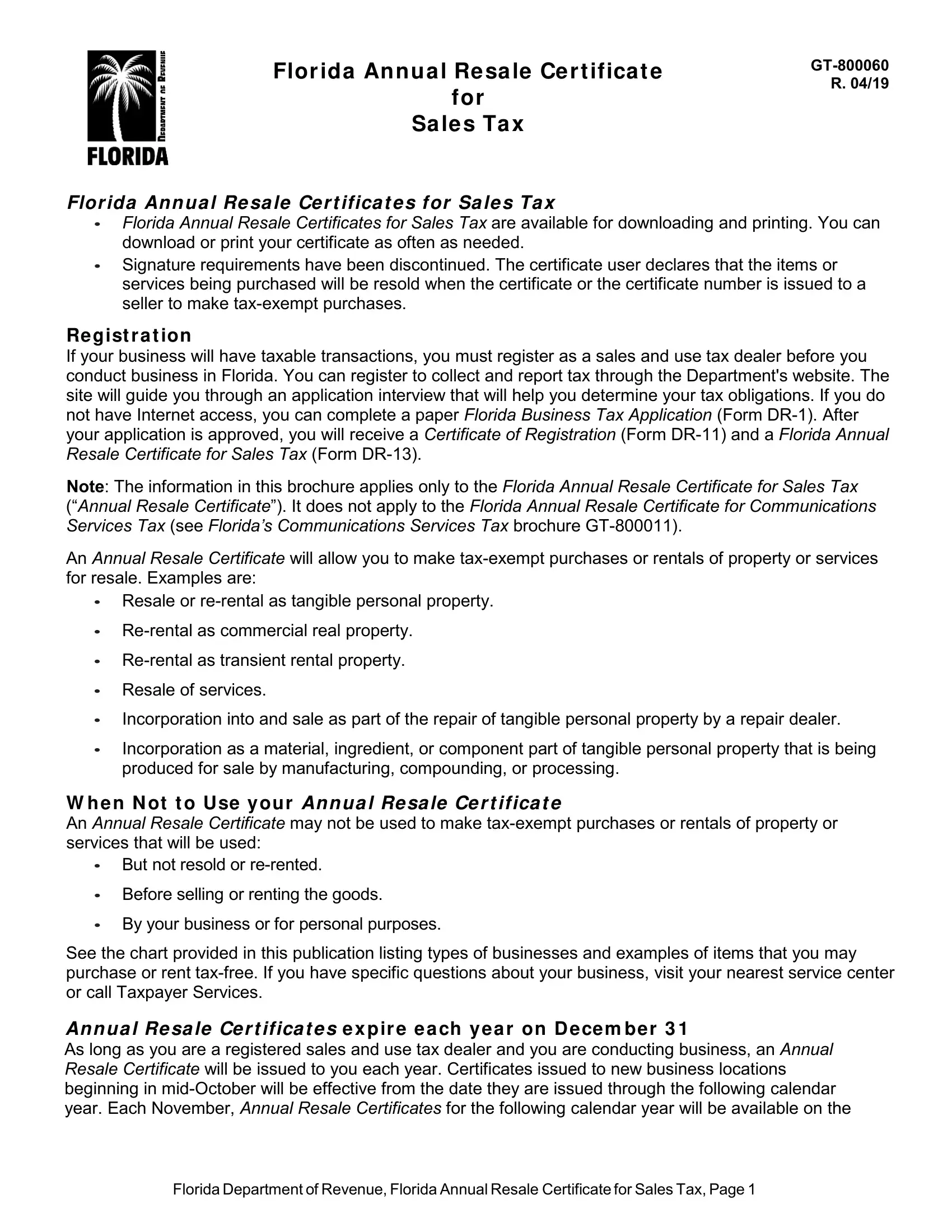
A Florida resale certificate, often referred to as an annual resale certificate, serves a straightforward yet critical purpose: it allows businesses to purchase tangible personal property or services tax-exempt when those items are specifically intended for resale or rental. In essence, it prevents “double taxation” – once when the business buys the goods from a supplier, and again when the business sells them to the end consumer.
Consider a boutique hotel in Miami purchasing toiletries, snacks for mini-bars, or souvenirs for its gift shop. Without a resale certificate, the hotel would pay sales tax on these items when buying them from its suppliers. Then, when selling them to guests, it would collect sales tax again. The resale certificate eliminates the first layer of sales tax, ensuring that the tax burden falls solely on the final consumer. This exemption is crucial for maintaining competitive pricing, optimizing cash flow, and ultimately enhancing the profitability that underpins a successful business lifestyle. It’s a mechanism designed to support commerce by streamlining tax collection at the point of final sale.
Who Needs a Resale Certificate in Florida?
Any business operating in Florida that regularly purchases items for the sole purpose of reselling or renting them to consumers needs a resale certificate. This broad definition encompasses a vast array of businesses across various sectors, including but not limited to:
- Retail Businesses: From clothing boutiques in Orlando to electronics stores in Tampa, any merchant buying inventory to sell to customers requires this certificate.
- Wholesale Distributors: Businesses that purchase goods from manufacturers to sell to other retailers or businesses for their resale also need this exemption.
- Service Providers Incorporating Goods: A beauty salon that sells hair care products to clients, or a spa that sells skincare lines, would benefit from a resale certificate for those products.
- Hospitality and Tourism Industries: Hotels purchasing amenities for guest resale, restaurants buying food and beverage ingredients, or tour operators selling merchandise are prime candidates.
- Rental Businesses: Companies that rent out equipment, vehicles, or property use a resale certificate when purchasing items specifically for their rental inventory.
Understanding if your business model fits this criterion is the first step towards smart financial management. Obtaining a Florida resale certificate is not just a regulatory hurdle but an integral part of optimizing your entrepreneurial lifestyle by ensuring you’re only collecting and remitting sales tax on the final sale to the consumer, as intended by law.
The Application Process: Navigating the Florida Department of Revenue
Securing a resale certificate in Florida is a structured process primarily managed by the Florida Department of Revenue. While it involves several steps, the digital age has made the application relatively straightforward, allowing entrepreneurs to efficiently manage this crucial aspect of their business lifestyle. Diligence at each stage ensures a smooth journey from application to approval.
Step 1: Register Your Business
Before you can even think about a resale certificate, your business must be properly registered with the necessary state and federal authorities. This foundational step ensures your business is recognized as a legitimate entity eligible for tax exemptions.
- Federal Employer Identification Number (EIN): If your business is structured as an LLC, Corporation, or partnership, you will need an EIN from the IRS. This is essentially your business’s Social Security Number and is required for tax purposes. Sole Proprietorships may use their Social Security Number instead, but an EIN is often advisable for other business functions.
- Florida Sales Tax Account: Every business that intends to sell taxable goods or services in Florida must register for a sales and use tax account with the Florida Department of Revenue. This registration will provide you with a Florida Sales Tax Registration Number, which is a prerequisite for obtaining your resale certificate. This can typically be done online through the Department of Revenue website.
- Local Licenses and Permits: Depending on your business type and location within Florida (e.g., Miami, Orlando, Tampa), you may also need specific local business licenses or permits. While not directly tied to the resale certificate, these are essential for legal operation.
Step 2: Access the Application Online
Once your business is duly registered with a Florida sales tax account, the next step is to obtain the resale certificate itself. The most efficient method is to access the application directly through the Florida Department of Revenue website. The process is largely digitized, reflecting a modern approach to business administration that fits seamlessly into an agile entrepreneurial lifestyle. You will typically navigate to the “Business Resources” or “Tax Forms” section to find information regarding sales tax and resale certificates.
Step 3: Provide Necessary Information
When you are ready to apply for or renew your annual resale certificate, you will need to provide accurate and up-to-date information about your business. Key details typically include:
- Business Legal Name and Doing Business As (DBA) Name: As registered with the state.
- Business Address and Contact Information: Including phone number and email.
- Federal Employer Identification Number (EIN) or Social Security Number: Depending on your business structure.
- Florida Sales Tax Registration Number: Obtained in Step 1.
- Description of Business Activities: A clear overview of what your business does and the types of items you purchase for resale.
Accuracy is critical here. Any discrepancies or incomplete information can delay the issuance of your certificate, impacting your business operations.
Step 4: Submit and Await Approval
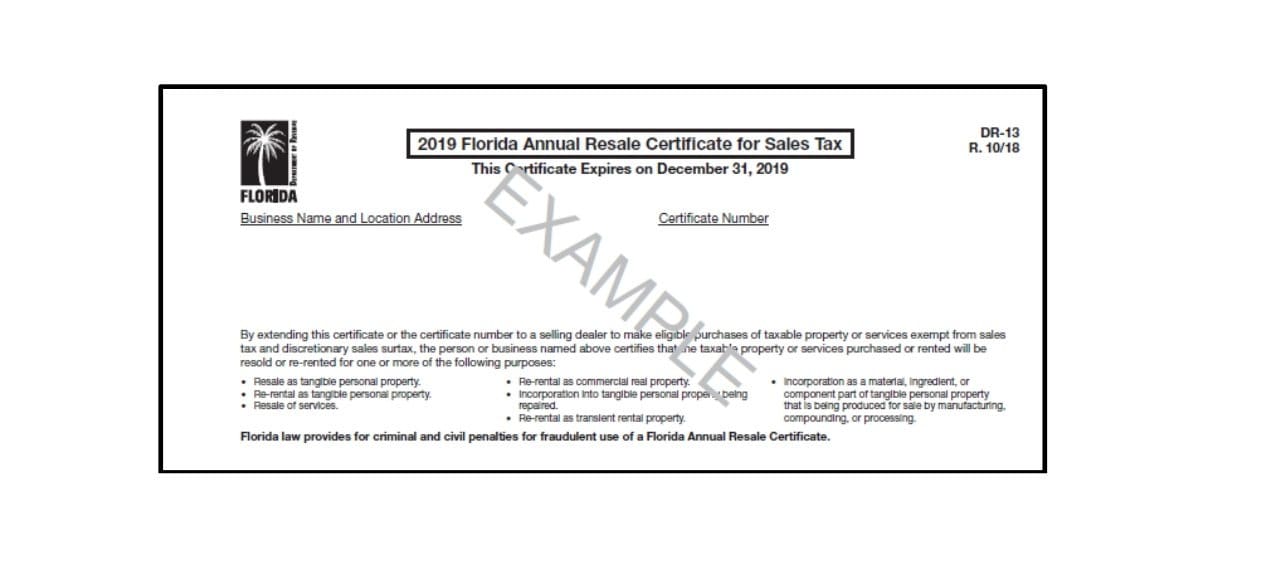
After filling out all required information, you will submit your application. For online applications, the system often generates an immediate annual resale certificate that you can print. In some cases, or for first-time registrations, there might be a short processing period before your certificate is made available digitally or mailed to you.
It’s important to note that Florida resale certificates are typically valid for one calendar year and must be renewed annually. The Department of Revenue generally sends renewal reminders, but as a responsible business owner, it’s part of your proactive lifestyle to keep track of the expiration date and initiate renewal promptly to avoid any interruption in your tax-exempt purchases.
Leveraging Your Resale Certificate for Smart Business Practices
Possessing a Florida resale certificate is more than just fulfilling a legal obligation; it’s an opportunity to implement smart business practices that contribute to your company’s longevity and success. For entrepreneurs dedicated to a streamlined and prosperous business lifestyle, correctly utilizing and maintaining this certificate is a strategic advantage.
Maintaining Compliance
The core of leveraging your resale certificate effectively lies in strict compliance with Florida tax laws. The certificate is a privilege, not an unconditional right, and its misuse can lead to significant penalties, back taxes, and reputational damage.
- Proper Use Only: Your resale certificate should only be used for purchases of tangible personal property or services that you genuinely intend to resell or rent in the ordinary course of your business. This means buying inventory, not office supplies, equipment for personal use, or items consumed by your business operations. A clear understanding of this distinction is paramount.
- Record-Keeping: Meticulous record-keeping is non-negotiable. Always retain copies of your own resale certificate, and, when purchasing from suppliers, ensure they accept it correctly. Similarly, if you are a supplier and accept resale certificates from other businesses, you must keep their certificates on file to justify not collecting sales tax. These records are vital during audits by the Florida Department of Revenue.
- Ethical Practices: Operating with integrity forms the backbone of a respected business lifestyle. Misusing a resale certificate, even unintentionally, can be seen as tax fraud. Educate yourself and your employees on its proper application.
Benefits for Your Florida Business
Beyond compliance, the resale certificate offers tangible benefits that directly support the financial health and competitive edge of your Florida enterprise.
- Improved Cash Flow: By not paying sales tax upfront on inventory, your business retains more capital, freeing up funds for other critical areas like marketing, expansion, or managing unexpected expenses. This direct impact on liquidity is invaluable for any business.
- Simplified Accounting: Without a resale certificate, businesses would have to pay sales tax on purchases and then apply for a refund for the tax paid on items sold. This creates an unnecessary administrative burden. The certificate simplifies accounting by eliminating this cumbersome refund process.
- Competitive Pricing Advantage: Avoiding upfront sales tax on goods purchased for resale allows businesses to potentially offer more competitive prices to their final customers. This is particularly crucial in Florida’s bustling markets, where razor-thin margins can make a significant difference.
- Enhanced Business Efficiency: By reducing administrative complexities and optimizing financial flows, the resale certificate allows entrepreneurs to focus more on core business activities and less on tax recovery processes. This efficiency is a hallmark of a well-managed and enjoyable business lifestyle.
Common Pitfalls and Expert Tips for Florida Entrepreneurs
Even with a clear understanding of the resale certificate process, Florida entrepreneurs can encounter challenges. Adopting a proactive and informed approach is key to circumventing common pitfalls and fostering a resilient business lifestyle.
Understanding Taxable vs. Non-Taxable Purchases
One of the most frequent areas of confusion centers on distinguishing between items eligible for tax exemption via a resale certificate and those that are not. The fundamental rule is that the certificate applies only to items intended for resale or rental.
- Personal Use and Consumption: Items purchased for the business’s own consumption, internal use, or for personal use by owners or employees are not exempt. For instance, a hotel can use its resale certificate to buy mini-bar snacks to sell to guests, but not for office supplies for its administrative staff, cleaning supplies for housekeeping, or furniture for its lobby, even if these are essential for the business. These are considered purchases for consumption by the business itself and are subject to sales tax.
- Distinguishing Between Inventory and Assets: Be mindful of the difference between inventory (items held for sale) and assets (items used to run the business). Only inventory qualifies for the exemption.
- Services: While some services may be taxable in Florida, a resale certificate typically applies to tangible goods or specific taxable services purchased for resale. Always confirm with the Department of Revenue for specific service-related exemptions.
Misclassifying purchases can lead to assessments for unpaid sales tax, along with interest and penalties, turning a small oversight into a significant financial burden.

Staying Informed on Florida Tax Laws
Tax laws are dynamic and can change. What is true today might be updated or reinterpreted tomorrow. For any entrepreneur building a sustainable business lifestyle in Florida, staying informed is not just a suggestion, but a necessity.
- Regularly Check the Florida Department of Revenue Website: This is the authoritative source for all Florida tax information, including updates to sales tax rules, forms, and guidelines for resale certificates. Regularly reviewing their publications and alerts can prevent surprises.
- Consult Professionals: For complex situations or when in doubt, engaging a qualified tax professional or accountant specializing in Florida sales tax is highly recommended. They can provide tailored advice, ensure compliance, and help navigate intricate scenarios, allowing you to focus on growing your business with peace of mind.
- Network with Other Entrepreneurs: Joining local business associations or online forums can offer valuable insights and peer advice on practical tax applications, though always cross-reference information with official sources.
By understanding the nuances of the resale certificate, adhering to compliance, and committing to ongoing education, Florida entrepreneurs can confidently navigate the state’s tax landscape, safeguarding their businesses and enhancing their chosen lifestyle.
LifeOutOfTheBox is a participant in the Amazon Services LLC Associates Program, an affiliate advertising program designed to provide a means for sites to earn advertising fees by advertising and linking to Amazon.com. Amazon, the Amazon logo, AmazonSupply, and the AmazonSupply logo are trademarks of Amazon.com, Inc. or its affiliates. As an Amazon Associate we earn affiliate commissions from qualifying purchases.