
Navigating the complexities of business operations in any state can present unique challenges, and for those operating in Texas, understanding specific tax regulations is paramount. One of the most crucial documents for businesses that resell tangible personal property or taxable services is the Texas Resale Certificate. This certificate, often referred to as a resale permit or resale license, allows businesses to purchase goods and services tax-free when those items are intended for resale to their own customers. This exemption from paying sales tax on inventory is a cornerstone of retail and wholesale operations, directly impacting profitability. This guide will delve into the intricacies of obtaining and utilizing a Texas Resale Certificate, empowering businesses to streamline their procurement processes and ensure compliance with Texas Comptroller of Public Accounts regulations.

Understanding the Texas Resale Certificate
At its core, a Texas Resale Certificate is a declaration by a buyer to a seller that the goods or services purchased will be used in a way that exempts them from Texas sales and use tax. This typically means the buyer intends to incorporate the purchased items into their own product for sale, or resell the services they are acquiring. It is not a license to operate a business, nor does it exempt a business from collecting sales tax from its own customers. Instead, it’s a tool for businesses to avoid double taxation on items that will ultimately be subject to sales tax at the point of sale to the final consumer.
Who Needs a Resale Certificate?
Any business that purchases taxable goods or services for the purpose of reselling them to its customers needs a Resale Certificate. This includes a wide array of enterprises:
- Retailers: Boutiques, online stores, convenience stores, and any business selling directly to the end consumer.
- Wholesalers and Distributors: Businesses that sell goods in bulk to other businesses for resale.
- Manufacturers: When purchasing raw materials or components that will be incorporated into a finished product for sale.
- Service Providers: Businesses that purchase taxable services to incorporate into the services they offer to their clients (e.g., a marketing agency purchasing graphic design software for client projects).
- Event Organizers: When purchasing supplies or services for an event where admission or goods are sold.
It is crucial to distinguish between purchasing for resale and purchasing for use. If a business purchases items for its own operational use (e.g., office supplies, furniture, equipment not intended for resale), it must pay sales tax on those purchases.
Legal Basis and Comptroller Authority
The authority for issuing and managing resale certificates in Texas stems from the Texas Tax Code, primarily Chapter 151, which governs sales and use tax. The Texas Comptroller of Public Accounts is the state agency responsible for administering these tax laws. The Comptroller provides the framework and guidelines for businesses to obtain and use resale certificates correctly. Misuse of a resale certificate can lead to significant penalties, including back taxes, interest, and fines.
Obtaining Your Texas Resale Certificate
The process of obtaining a Texas Resale Certificate is relatively straightforward, provided a business has met the prerequisite requirements. The key is to have a valid Texas sales and use tax permit.
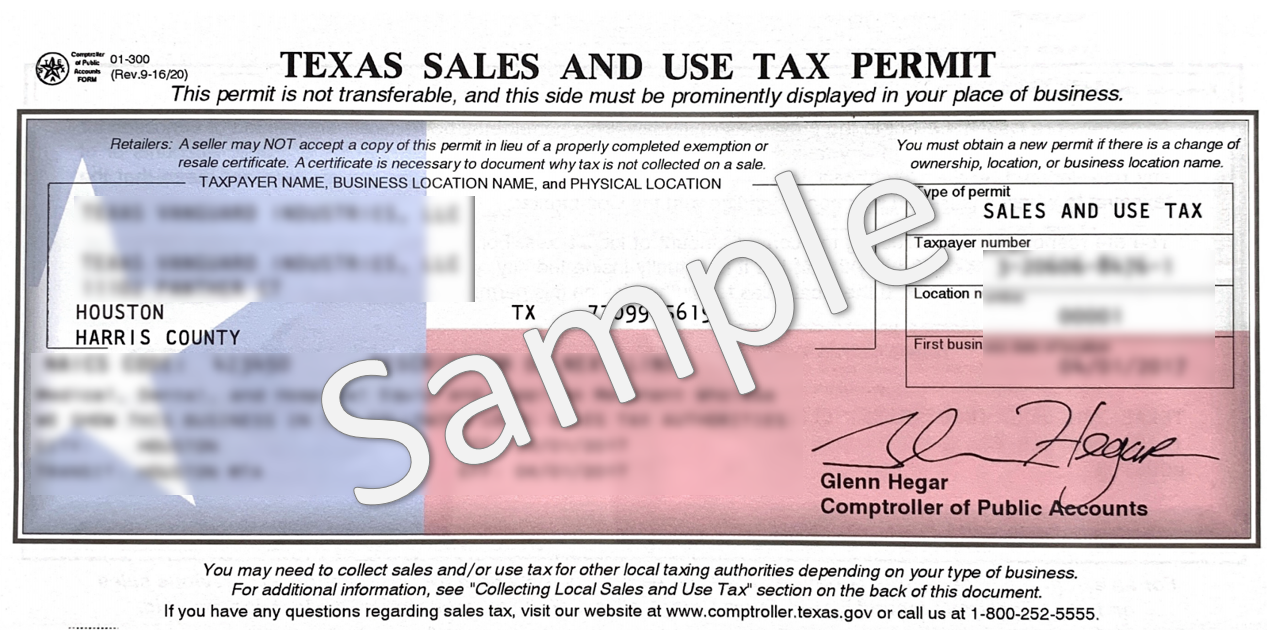
Step 1: Secure a Texas Sales and Use Tax Permit
Before you can issue or accept a resale certificate, your business must be registered with the Texas Comptroller of Public Accounts and hold a valid Texas Sales and Use Tax Permit. This permit is often referred to as a seller’s permit or a wholesale license.
- Eligibility: To obtain a sales and use tax permit, your business must be engaged in selling tangible personal property or taxable services in Texas.
- Application: The application is typically done online through the Comptroller’s website, the Webfile system. You will need to provide detailed information about your business, including its legal structure, ownership, and projected sales.
- Information Required: Be prepared to provide your Federal Employer Identification Number (FEIN) if you are a corporation or partnership, or your Social Security Number (SSN) if you are a sole proprietorship. You will also need to provide details about your business location, mailing address, and contact information.
- No Fee: There is generally no fee to obtain a Texas Sales and Use Tax Permit.
Step 2: Understanding the Resale Certificate Form
Texas does not issue a single, state-provided resale certificate document that every business applies for. Instead, the buyer (the business purchasing items for resale) is responsible for providing a properly completed resale certificate to the seller. The Comptroller provides a template form that businesses can use, or businesses can create their own that substantially conforms to the Comptroller’s requirements. This form is often referred to as the “Texas Sales and Use Tax Exemption Certification” or simply “Resale Certificate.”
- Comptroller’s Template: The Texas Comptroller of Public Accounts offers a downloadable form (often identified by its form number, such as Form 01-339) that is widely accepted. It is advisable to use this template to ensure all necessary information is included.
- Essential Information on the Certificate: A valid resale certificate must contain specific details to be legally defensible. This includes:
- Buyer’s Information: Full legal name of the purchasing business, mailing address, and the seller’s permit number issued by the Texas Comptroller.
- Seller’s Information: Full legal name and address of the selling business.
- Description of Goods/Services: A clear statement indicating that the items purchased are for resale.
- Signature and Date: A signature from the authorized representative of the purchasing business, along with the date of issuance.
Step 3: Issuing the Certificate to Your Suppliers
Once your business has its Texas Sales and Use Tax Permit, you can begin issuing resale certificates to your suppliers.
- For Each Transaction or Relationship: You can provide a resale certificate for a single purchase or for all future purchases from a particular supplier. If you anticipate making ongoing purchases for resale from a vendor, a blanket resale certificate is more efficient. This is a single certificate that covers all transactions between the buyer and seller for as long as the nature of the business relationship remains the same.
- Accuracy is Key: Ensure all details on the certificate are accurate. Any misrepresentation can lead to problems for both the buyer and the seller.
- Retaining Records: Keep copies of all resale certificates you issue for your business records. This is crucial in case of an audit by the Comptroller.
Using Your Resale Certificate Correctly
The utility of a resale certificate is directly tied to its correct application. Misusing this valuable tax exemption can have serious repercussions.
When to Use Your Resale Certificate
- Purchasing Inventory: The most common use is for purchasing the actual goods you intend to sell to your customers. This could be anything from clothing for a boutique to microchips for an electronics manufacturer.
- Purchasing Components for Resale: If you are a manufacturer, you can use a resale certificate to buy raw materials, components, or packaging that will become part of the finished product sold to consumers.
- Purchasing Taxable Services for Resale: If your business provides a service that incorporates a taxable service purchased from another vendor, you may use a resale certificate for that service. For example, a web design company might purchase graphic design services to include in their overall package for a client.
When NOT to Use Your Resale Certificate
It is equally important to understand when a resale certificate is not appropriate. This is where many businesses encounter issues.
- Purchases for Internal Use: Items that your business consumes or uses in its operations are subject to sales tax. This includes:
- Office supplies (pens, paper, staplers)
- Computers and other office equipment not for resale
- Cleaning supplies for your business premises
- Utilities (electricity, water, internet for your office)
- Advertising and marketing services not directly resold as part of a product
- Rent or lease of your business space
- Purchases for Exempt Organizations: While some organizations may be exempt from sales tax, this exemption is separate from the resale exemption. A resale certificate should not be used to purchase items for an exempt organization unless those items are specifically for resale by your business to that organization.
- Purchases for Personal Use: This is a clear violation and can lead to severe penalties.
Responsibilities of the Seller
While the buyer is responsible for providing a valid resale certificate, the seller also has responsibilities.
- Good Faith Acceptance: Sellers must accept resale certificates in good faith. This means they should have no reason to doubt the buyer’s claim that the items are for resale.
- Inspection: Sellers should examine the certificate to ensure it appears complete and is from a valid permit holder.
- Record Keeping: Sellers must keep copies of all resale certificates they accept as part of their sales tax records. If the Comptroller audits a seller and finds that sales tax should have been collected on a transaction for which a resale certificate was accepted, the seller may be liable for the uncollected tax, interest, and penalties, unless they can prove the certificate was accepted in good faith and the buyer actually resold the items.
- Know Your Customer: If a seller knows or has reason to know that the buyer is not purchasing the items for resale (e.g., a customer purchasing a large quantity of office chairs and claiming they are for resale when the seller knows the buyer has no retail outlet), they should not accept the resale certificate.
Compliance and Record Keeping
Maintaining meticulous records is not just good business practice; it’s a legal requirement in Texas. For businesses utilizing resale certificates, this is especially true.
Audit Preparedness
The Texas Comptroller conducts audits to ensure compliance with sales and use tax laws. Being prepared for an audit means having organized and accessible documentation.
- Copies of Issued Certificates: As mentioned, keep copies of every resale certificate your business issues to its suppliers.
- Copies of Accepted Certificates: If your business is also a seller, maintain copies of all resale certificates you accept from your customers.
- Sales Records: Your sales records should clearly indicate which transactions were tax-exempt due to a resale certificate and which were subject to sales tax.
- Purchase Records: Your purchase records should align with your sales records. If you purchased items tax-free using a resale certificate, your sales records should show those items being sold to your customers, with sales tax collected at that point.
- Supplier Invoices: Keep invoices from your suppliers that show the items purchased and whether sales tax was charged.
Consequences of Misuse
The consequences of improperly using a resale certificate can be severe and multifaceted:
- Back Taxes: If the Comptroller determines that sales tax should have been paid on a purchase, you will be liable for the outstanding tax amount.
- Interest: Interest will be charged on any underpaid tax.
- Penalties: Significant penalties can be imposed for negligence, intentional disregard of the law, or fraud. These penalties can be a percentage of the tax due.
- Loss of Trust: Repeated errors or intentional misuse can damage your relationship with suppliers and your reputation.
- Criminal Charges: In cases of deliberate fraud, criminal charges could be filed.

Seeking Professional Guidance
The tax landscape can be intricate, and for businesses, particularly those new to Texas operations or those with complex supply chains, seeking professional advice is highly recommended.
- Tax Professionals: Certified Public Accountants (CPAs) or Enrolled Agents specializing in Texas sales and use tax can provide invaluable guidance on obtaining the correct permits, understanding the nuances of resale certificates, and ensuring ongoing compliance.
- Legal Counsel: For complex situations or potential disputes with the Comptroller, legal counsel with tax law expertise may be necessary.
- Comptroller Resources: The Texas Comptroller of Public Accounts website offers extensive resources, publications, and FAQs that can assist businesses. They also provide contact information for tax assistance.
By diligently following these guidelines and maintaining a commitment to accurate record-keeping and compliance, businesses in Texas can effectively leverage the resale certificate to optimize their financial operations and contribute to a well-regulated business environment.
LifeOutOfTheBox is a participant in the Amazon Services LLC Associates Program, an affiliate advertising program designed to provide a means for sites to earn advertising fees by advertising and linking to Amazon.com. Amazon, the Amazon logo, AmazonSupply, and the AmazonSupply logo are trademarks of Amazon.com, Inc. or its affiliates. As an Amazon Associate we earn affiliate commissions from qualifying purchases.