
Navigating the intricacies of vehicle registration and licensing is a common concern for anyone who has recently purchased a car or is temporarily operating a vehicle in a new jurisdiction. For those finding themselves in Texas, understanding the process for obtaining a temporary license plate, often referred to as a temporary tag or transit permit, is crucial. This guide delves into the requirements, procedures, and key considerations for securing these essential documents, ensuring you can legally drive your vehicle while completing the permanent registration process. Whether you’re a new resident, have purchased a vehicle from a private seller, or are a dealer facilitating a sale, this information will illuminate the path to compliant operation on Texas roadways.

Understanding Texas Temporary License Plates
Temporary license plates in Texas serve as a bridge between vehicle acquisition and permanent registration. They are designed to allow individuals to legally operate a newly purchased vehicle for a limited period without the full, official license plates. The Texas Department of Motor Vehicles (TxDMV) oversees the issuance and regulation of these permits, ensuring that all vehicles on the road are accounted for and meet state requirements.
Types of Temporary Plates and Their Purpose
There are primarily two scenarios where a temporary license plate becomes necessary in Texas:
-
Vehicle Purchased from a Dealership: When you buy a new or used vehicle from a licensed Texas dealership, they are typically responsible for providing you with a temporary tag. This tag is valid for a specific period, usually 30 to 60 days, allowing you to drive the vehicle while the dealership processes the permanent registration and title on your behalf. The cost of this temporary tag is often included in the vehicle’s purchase price or itemized separately in the sales contract.
-
Vehicle Purchased from a Private Seller or Out-of-State: If you purchase a vehicle from an individual (a private sale) or if you’ve recently brought a vehicle into Texas from another state and need to register it, you will likely need to obtain a temporary permit yourself. This allows you to legally drive the vehicle to inspections, emissions tests, and the Texas Department of Public Safety (DPS) or county tax assessor-collector’s office for permanent titling and registration. These permits are typically valid for 30 or 60 days.
Legal Requirements and Validity
It is imperative to understand that a temporary license plate is not a substitute for permanent registration. It is a transitional document with a defined expiration date. Driving with an expired temporary tag is equivalent to driving without registration and can result in citations, fines, and even vehicle impoundment. Always ensure your temporary tag is current and that you are actively working towards obtaining your permanent Texas license plates before it expires. The Texas Legislature has established these regulations to maintain order and safety on public roads.
How to Obtain a Temporary License Plate
The process for acquiring a temporary license plate in Texas differs slightly depending on whether you purchased your vehicle from a dealership or a private seller.
For Vehicles Purchased from a Dealership
As mentioned, if you have completed a vehicle purchase from a licensed Texas dealership, the dealer is legally obligated to provide you with a temporary license plate.
-
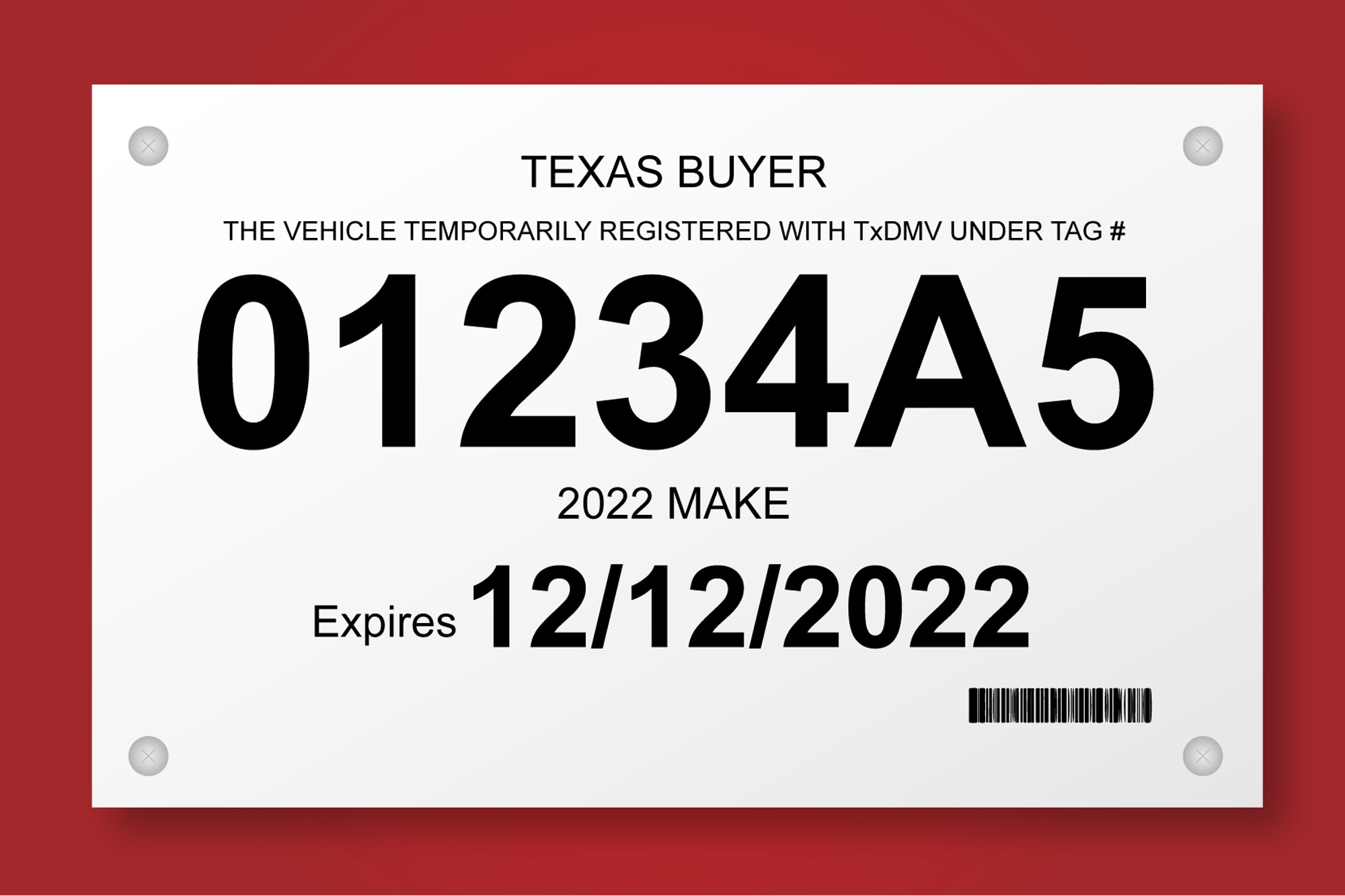
Dealer Responsibility: Upon finalizing the sale, the dealership will furnish you with a temporary paper tag. This tag typically displays the vehicle’s Vehicle Identification Number (VIN), the date of purchase, and the expiration date of the temporary permit. The dealership handles the initial paperwork with the TxDMV to initiate the titling and registration process.
-
What to Expect: Review the temporary tag and any accompanying paperwork carefully. Ensure all information is accurate. The dealership will usually provide you with a timeframe within which you can expect to receive your permanent Texas license plates, either by mail or for pickup. If you have any questions about the status of your permanent plates, do not hesitate to contact the dealership directly.
For Vehicles Purchased from a Private Seller or Out-of-State
If you acquired your vehicle from an individual or are bringing a vehicle into Texas from another state, you will need to obtain a temporary permit through authorized channels.
-
Authorized Issuing Locations: In Texas, temporary permits for private sales or out-of-state vehicles can generally be obtained from:
- Licensed Motor Vehicle Dealers: Many dealerships are authorized by the TxDMV to sell temporary permits even if the vehicle was not purchased from them. This is often the most convenient option for private sale buyers. You will need to provide proof of purchase and vehicle information.
- County Tax Assessor-Collector Offices: While these offices primarily handle permanent registration, they may also be able to assist with temporary permits in certain situations, though this is less common for private sales. It’s advisable to call your local office to confirm their services.
- Authorized Third-Party Permit Vendors: The TxDMV designates specific businesses to sell temporary permits. These are often found in close proximity to Texas Department of Public Safety (DPS) driver license offices or county tax offices.
-
Required Documentation: When seeking a temporary permit from a dealer or vendor, you will typically need to present the following:
- Proof of Ownership: This is usually a bill of sale or a completed title application that shows you are the new owner. If purchasing from a private seller, the signed-over title is essential.
- Vehicle Information: You will need the Vehicle Identification Number (VIN), make, model, and year of the vehicle.
- Proof of Texas Insurance: Texas law requires all registered vehicles to have liability insurance. You will need to present proof of valid Texas auto insurance.
- Identification: A valid government-issued photo ID.
- Payment: There is a fee associated with obtaining a temporary permit, which varies depending on the type and duration of the permit.
-
The Application Process: The vendor or dealer will guide you through the application for the temporary permit. This involves filling out necessary forms, presenting your documents, and paying the required fees. Once approved, you will be issued the temporary paper license plate, which you must affix to your vehicle as instructed.
Navigating the Permanent Registration Process
Obtaining a temporary license plate is just one step in the overall process of legally operating a vehicle in Texas. The ultimate goal is to secure permanent Texas license plates and registration.

Titling and Registration Requirements
Before you can get permanent plates, your vehicle must be titled and registered in Texas. This involves several key steps:
-
Vehicle Inspection: Most vehicles in Texas require a state vehicle inspection. This is a safety inspection to ensure the vehicle meets minimum safety standards. Some counties also require an emissions test, depending on the vehicle’s age and location. You will need a passing inspection report to complete your registration.
-
Proof of Insurance: As stated, continuous liability insurance is mandatory for all registered vehicles in Texas.
-
Title Transfer and Registration Application: You will need to visit a county tax assessor-collector’s office to complete the title transfer and apply for permanent registration. You will present your proof of ownership (the title, signed over to you), proof of insurance, passing inspection certificate, and your completed Application for Texas Title and/or Registration (Form 130-U).
-
Fees: Be prepared to pay various fees, including title fees, registration fees, and potentially local county fees. The amount will depend on the vehicle type, age, and your county of residence.
Deadlines and Penalties
Texas law mandates that new residents have a specific timeframe to register their vehicles after establishing residency. Similarly, individuals who purchase a vehicle must complete the titling and registration process within a set period after the sale.
-
New Residents: If you move to Texas with a vehicle registered in another state, you typically have 30 days to obtain Texas title and registration.
-
Vehicle Purchases: For vehicles purchased from private sellers, you generally have 30 days from the date of sale to transfer the title and register the vehicle. Dealerships typically handle this within a specified timeframe, but it’s good practice to confirm.
Failure to comply with these deadlines can result in penalties, including late fees and potentially the inability to obtain temporary permits for future transactions. It is always best to address the titling and registration process promptly.
Special Considerations for Temporary Plates
While temporary plates provide necessary mobility, there are specific details and considerations that users should be aware of to ensure full compliance and avoid complications.
Duration and Renewal
Temporary license plates in Texas have a fixed expiration date. It is crucial to mark this date and have a plan to obtain permanent plates before it passes.
-
Standard Durations: Typically, temporary plates are issued for 30 or 60 days. The exact duration may depend on the issuing entity and the circumstances of the sale.
-
No Renewal: Generally, temporary license plates cannot be renewed. If you have not completed the permanent registration process by the expiration date, you will need to obtain a new temporary permit, which may incur additional fees and may not always be straightforward to acquire without a clear path to permanent registration. This underscores the importance of proactive steps toward permanent plates.
Affixing and Displaying Temporary Plates
Proper display of your temporary license plate is as important as having it. Incorrect placement can lead to citations.
-
Placement: Temporary paper tags should be affixed to the rear of the vehicle where a permanent license plate would normally be displayed. Ensure the tag is clearly visible and legible. Do not fold, alter, or obscure any part of the temporary plate.
-
Dealer vs. Buyer Responsibility: While dealerships provide the temporary tag, the buyer is responsible for ensuring it is correctly displayed. For privately purchased vehicles, the individual obtaining the temporary permit is responsible for its proper affixing.
Out-of-State Use of Texas Temporary Plates
If you are using a Texas temporary plate while traveling outside of Texas, it’s important to be aware of the laws of other states. While Texas temporary plates are legally valid within Texas for their designated period, their acceptance and validity in other states can vary. It is advisable to check the regulations of the state you are traveling to, especially if you anticipate staying for an extended period or if your temporary tag is nearing its expiration. It is generally recommended to obtain permanent plates before undertaking extensive out-of-state travel.
Navigating the process of obtaining a temporary license plate in Texas might seem like a bureaucratic hurdle, but it is a straightforward procedure when approached with the correct documentation and understanding. By familiarizing yourself with the requirements for both dealership and private sales, and by prioritizing the completion of your permanent Texas titling and registration, you can ensure a smooth and legal transition into operating your vehicle within the Lone Star State. Remember, prompt action and adherence to state regulations are key to a hassle-free experience on the road.
LifeOutOfTheBox is a participant in the Amazon Services LLC Associates Program, an affiliate advertising program designed to provide a means for sites to earn advertising fees by advertising and linking to Amazon.com. Amazon, the Amazon logo, AmazonSupply, and the AmazonSupply logo are trademarks of Amazon.com, Inc. or its affiliates. As an Amazon Associate we earn affiliate commissions from qualifying purchases.