
Securing a state identification card in Florida is a fundamental step for anyone establishing roots, planning an extended stay, or simply needing a reliable form of identification within the Sunshine State. While often overshadowed by driver’s licenses, the Florida ID card serves a crucial role in daily life, providing proof of identity, age, and residency for myriad purposes beyond operating a vehicle. For individuals not intending to drive, or those seeking a secondary form of identification, the process of obtaining a state ID is straightforward yet requires careful attention to detail regarding documentation and procedures. This comprehensive guide will walk you through everything you need to know, ensuring a smooth and successful application process to integrate seamlessly into the Florida lifestyle.
Understanding Florida ID Cards: Who Needs One?
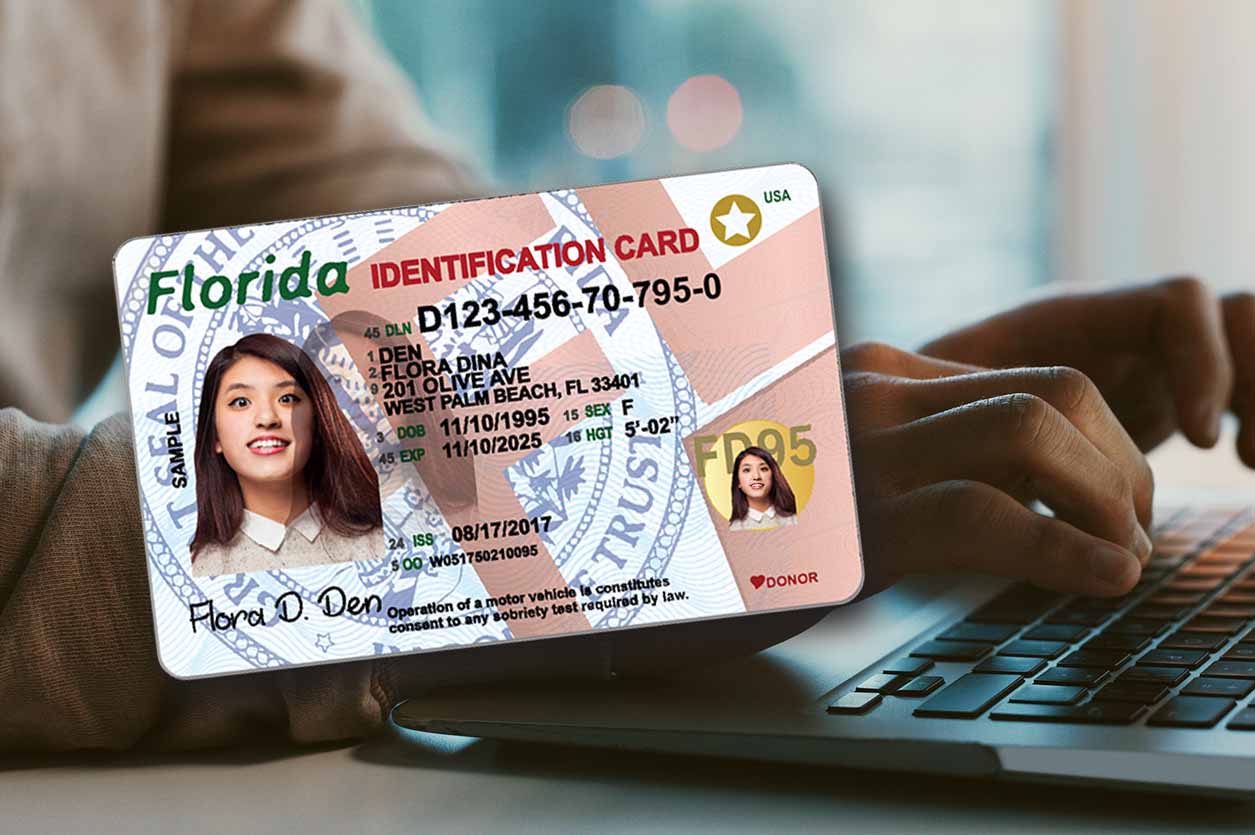
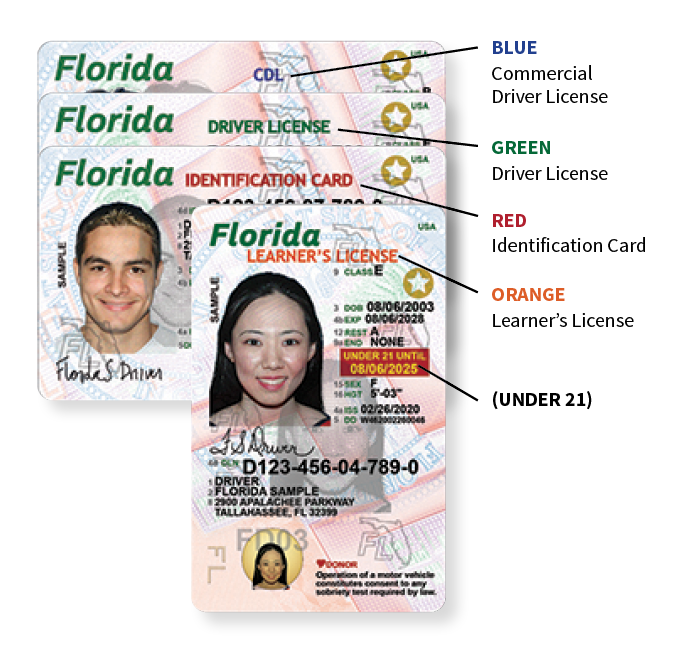
A Florida ID card is a non-driving identification document issued by the state. It looks similar to a driver’s license but explicitly states that it is “NOT FOR DRIVING PURPOSES.” Its primary function is to serve as official proof of identity and residency within the state, making it an invaluable asset for a wide range of everyday activities.
Residents vs. Non-Residents
Primarily, Florida ID cards are intended for residents of the state. This includes individuals who have established permanent residency, those living in Florida for extended periods (such as snowbirds or seasonal residents), and anyone requiring official identification who does not possess a Florida driver’s license. While a driver’s license automatically fulfills the role of an ID card, individuals who are underage, do not drive, or simply prefer not to obtain a driver’s license will find the state ID card essential. It’s a key piece of documentation for living independently and engaging with various services.
Benefits Beyond Driving
The utility of a Florida ID card extends far beyond the confines of a car. For many, it’s the primary form of identification used daily. Some of its most significant benefits include:
- Proof of Age: Essential for purchasing age-restricted items like alcohol or tobacco, or for verifying age at venues and events.
- Opening Bank Accounts: Financial institutions universally accept state ID cards as primary identification for opening new accounts or conducting transactions.
- Accessing Government Services: Whether applying for benefits, registering to vote, or interacting with local municipal offices, a state ID card is often required.
- General Identification: From picking up packages to verifying identity for employment, an ID card simplifies countless daily interactions where official proof of who you are is necessary.
- Healthcare: Verifying identity at doctor’s offices, hospitals, or pharmacies.
- Travel (Domestic): While not sufficient for international travel, a Florida ID card (especially a REAL ID compliant one) can be used for domestic air travel, though a passport or Enhanced Driver’s License is sometimes preferred.
- Emergency Situations: In an emergency, your ID card can provide vital personal information to first responders.
In essence, a Florida ID card is a cornerstone of daily life, providing security and convenience for residents navigating everything from financial transactions to social engagements.
The Essentials: Documents Required for Your Florida ID
Obtaining a Florida ID card requires presenting specific documents to verify your identity, social security number, and residential address. It’s crucial to gather all necessary paperwork before visiting the Department of Highway Safety and Motor Vehicles (DHSMV) or your local Tax Collector’s Office to avoid delays. All documents must be originals or certified copies; photocopies are generally not accepted.
Proof of Identity
You will need one primary document to establish your identity. This document must be current and verifiable. Common examples include:
- U.S. Birth Certificate: An original or certified copy issued by a state or territory health department.
- U.S. Passport or Passport Card: Valid, unexpired.
- Consular Report of Birth Abroad: Issued by the U.S. Department of State.
- Certificate of Naturalization: Form N-550 or N-570.
- Certificate of Citizenship: Form N-560 or N-561.
For non-U.S. citizens, additional documentation specific to your immigration status will be required (see “Special Considerations for Non-U.S. Citizens” below).
Proof of Social Security Number
To verify your Social Security Number (SSN), you must present one of the following documents:
- Social Security Card: Original, non-laminated.
- W-2 Form: Showing your full SSN.
- Pay Stub: Showing your full SSN.
- IRS Form 1099: Showing your full SSN.
It’s important that the name on your SSN document matches the name on your identity document. If there’s a discrepancy due to a name change (e.g., marriage), you’ll need to provide original or certified copies of legal documents (like a marriage certificate or court order) that verify the name change.
Proof of Residential Address
This is a critical requirement to confirm your Florida residency. You must provide two different documents that display your current physical residential address in Florida. These cannot be P.O. Box addresses. Examples include:
- Utility Bills: Electric, water, gas, cable, or landline phone bill (dated within the last two months). Cell phone bills are generally not accepted.
- Deed, Mortgage, or Rental Agreement: Current lease agreement or official document showing home ownership.
- Bank or Financial Institution Statements: Checking, savings, or investment statements (dated within the last two months).
- Government-Issued Mail: Such as property tax bills, homestead exemption letters, or mail from federal, state, or local government agencies (dated within the last two months).
- Automobile Insurance Policy or Card: Proof of Florida insurance.
- Voter Registration Card: Current Florida voter registration.
- Professional License: Issued by a government agency in Florida.
If you live with someone else and do not have bills or a lease in your name, you may use a “Certification of Address” form along with two proofs of address from the person you live with, and that person must sign an affidavit confirming your residency.
Special Considerations for Non-U.S. Citizens
For non-U.S. citizens, the document requirements for proof of identity and legal presence are more specific. You will typically need to present all of the following:
- Proof of Identity and Legal Presence: This usually involves your unexpired foreign passport with a valid U.S. visa (if applicable) and the most recent I-94 arrival/departure record.
- Permanent Resident Card: Form I-551 (Green Card).
- Employment Authorization Document: Form I-766 (EAD or work permit).
- Asylum Status Documents: If applicable.
The DHSMV will verify your legal presence through the Systematic Alien Verification for Entitlements (SAVE) program, which can sometimes add to the processing time. It’s advisable to check the official Florida DHSMV website for the most current and specific requirements based on your individual immigration status, as these can change.
The Application Process: Step-by-Step Guide
Once you have gathered all your required documents, the application process for a Florida ID card is generally straightforward. Following these steps will help ensure a smooth experience.
Locating a DMV or Tax Collector’s Office
In Florida, driver’s license and ID card services are primarily handled by the Florida Department of Highway Safety and Motor Vehicles (DHSMV) or through authorized county Tax Collector’s Offices. Most counties outsource these services to their local tax collector. You can find the nearest service center by visiting the official DHSMV website and using their “Find an Office” tool. Major cities like Miami, Orlando, Tampa, Jacksonville, and Tallahassee will have multiple convenient locations.
Scheduling Your Appointment
Many DHSMV and Tax Collector’s Offices now highly recommend or even require appointments for services to manage wait times and ensure efficiency. While walk-ins may be accepted at some locations, scheduling an appointment online via the respective office’s website is the best way to guarantee prompt service and minimize your time spent waiting.
What to Expect During Your Visit
When you arrive for your appointment, you will:
- Check-in: Present your appointment confirmation and be directed to a waiting area or specific counter.
- Document Review: A clerk will review all your original documents to ensure they meet the requirements. Be prepared for them to scrutinize each piece of paper.
- Application Form: You will complete a brief application form if you haven’t done so already online.
- Photo: Your photo will be taken for the ID card. Ensure you are presentable and follow any instructions regarding headwear or glasses.
- Signature: You will provide an electronic signature.
- Vision Test: While not always required for a non-driving ID card, some centers may conduct a basic vision screening.
- Payment: Pay the required fee.
- Temporary ID: You will typically receive a temporary ID card, valid until your permanent card arrives in the mail (usually within 2-4 weeks).
The entire process, assuming you have all documents in order and an appointment, usually takes less than an hour.
Fees and Payment Options
The fee for a Florida ID card is generally modest, often around $25-$30 for an initial issuance or renewal. Fees can vary slightly, so it’s best to check the specific county Tax Collector’s Office website for precise pricing. Most offices accept cash, credit/debit cards, and sometimes checks. Always confirm accepted payment methods before your visit.
Maintaining Your Florida ID Card
Once you have your Florida ID card, it’s essential to understand the procedures for renewals, replacements, and updates to ensure your identification remains valid and current. This is a vital aspect of ongoing life in the state.
Renewals and Updates
Florida ID cards are typically valid for eight years. You will receive a renewal notice in the mail prior to your card’s expiration date, usually within a few months. Many renewals can now be completed online through the DHSMV portal if your information hasn’t changed significantly. However, if you need to update your photo or any personal information, an in-person visit to a DMV or Tax Collector’s Office may be required.
Replacing a Lost or Stolen ID
Losing your ID card can be a stressful experience, but replacing it is generally straightforward. You will typically need to visit a DHSMV or Tax Collector’s Office in person. While the exact documents required may vary, it’s always best to bring:
- Proof of Identity: At least one primary document from the original application list (e.g., birth certificate, passport).
- Proof of Social Security Number: Original Social Security card or other acceptable document.
- Proof of Residential Address: Two documents confirming your current Florida address.
There will be a replacement fee, similar to the initial issuance fee. Reporting a stolen ID to local law enforcement is also advisable, as it can help protect you from identity theft.
Keeping Your Information Current
It’s legally required to update your Florida ID card within 30 days of any change to your name or residential address.
- Name Change: If you change your name (e.g., due to marriage, divorce, or court order), you must present the original or certified legal documents verifying the name change (e.g., marriage certificate, divorce decree). You will need to visit a service center in person.
- Address Change: For a change of address within Florida, you can often update your address online or through an in-person visit. If updating online, you may not receive a new physical card unless you specifically request one for a fee; instead, your record will be updated. If you want the new address printed on your card, an in-person visit with two proofs of your new address is necessary.
By staying on top of these administrative tasks, you ensure your Florida ID card remains a valid and useful tool for all your lifestyle needs in the state.
LifeOutOfTheBox is a participant in the Amazon Services LLC Associates Program, an affiliate advertising program designed to provide a means for sites to earn advertising fees by advertising and linking to Amazon.com. Amazon, the Amazon logo, AmazonSupply, and the AmazonSupply logo are trademarks of Amazon.com, Inc. or its affiliates. As an Amazon Associate we earn affiliate commissions from qualifying purchases.