
For many individuals and families navigating the complexities of modern living, ensuring access to basic necessities is a fundamental aspect of maintaining a stable and dignified lifestyle. While discussions often center around travel, leisure, or accommodation when considering life in a vibrant state like Florida, understanding the local support systems available is an equally crucial element for those experiencing financial hardship, considering relocation, or managing their household budget in the long term. This comprehensive guide delves into the process of obtaining food stamps in Florida, officially known as the Supplemental Nutrition Assistance Program (SNAP), offering a professional, insightful, and engaging look into an essential resource that underpins food security for countless residents.
Far from being a handout, SNAP is a lifeline designed to help eligible low-income individuals and families purchase healthy food, ensuring that no one in the Sunshine State goes hungry. Whether you’re a long-time resident facing unforeseen economic challenges, a new family settling into the community, or simply seeking to understand the resources available, comprehending the application process and eligibility requirements is paramount. This article aims to demystify SNAP in Florida, presenting a clear pathway to obtaining this vital support.
Understanding SNAP in Florida: An Essential Lifestyle Consideration
Embracing a lifestyle in Florida comes with diverse experiences, from bustling urban centers to serene coastal towns. However, beneath the surface of tourist attractions and vibrant communities, many residents grapple with economic realities that necessitate assistance programs like SNAP. For individuals and families on a tight budget, or those facing unexpected financial setbacks, access to nutritious food is a cornerstone of well-being and stability. Understanding SNAP is not just about applying for benefits; it’s about recognizing a fundamental aspect of social safety nets that contribute to community health and individual lifestyle resilience.
What is SNAP and Who Benefits?
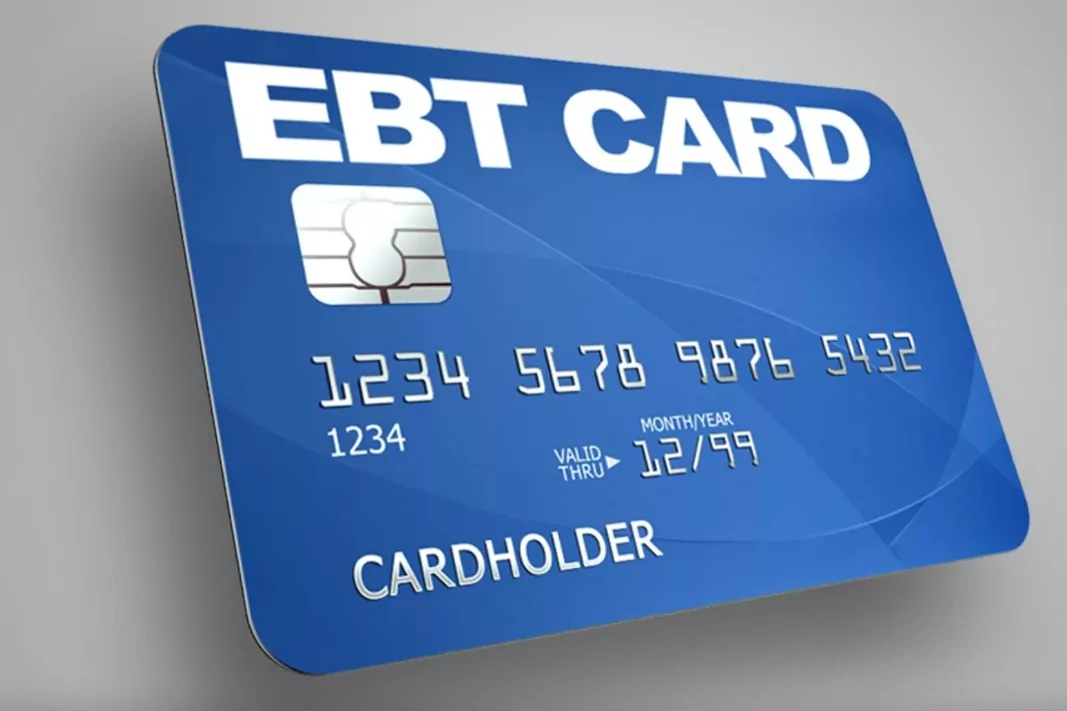
SNAP, formerly known as the Food Stamp Program, is a federal program administered at the state level. In Florida, the program is managed by the Florida Department of Children and Families (DCF). Its core objective is to provide eligible low-income individuals and families with financial assistance to purchase food, thereby improving nutrition and food security. The benefits are provided on an Electronic Benefits Transfer (EBT Card), which functions much like a debit card and can be used at most grocery stores, farmers’ markets, and authorized retailers to buy eligible food items.
Beneficiaries span a wide demographic, including working families with low incomes, seniors, individuals with disabilities, and those temporarily unemployed. The program acts as a critical buffer, allowing households to allocate other limited resources to housing, utilities, and healthcare, thus preventing deeper poverty and promoting overall stability in their daily lives. For many, SNAP is not a permanent solution but a temporary bridge during challenging times, reinforcing the idea of a supportive community lifestyle.
Dispelling Myths and Understanding the Program’s Purpose
Misconceptions about SNAP are common. Some believe it’s exclusively for the unemployed, while others perceive it as a drain on public resources. In reality, a significant portion of SNAP recipients are working individuals who earn wages below the poverty line, needing additional support to put food on the table. The program is designed to supplement, not replace, a household’s food budget. By providing consistent access to nutritious food, SNAP contributes to better health outcomes, improved academic performance for children, and increased productivity for adults, ultimately fostering a more robust and equitable society. Understanding its true purpose helps destigmatize the program and highlights its vital role in supporting various lifestyles within Florida.
Eligibility Requirements: Navigating the Pathway to Support
Determining eligibility for SNAP in Florida involves several key criteria set by both federal and state guidelines. These requirements are designed to ensure that assistance reaches those who need it most, aligning with the program’s goal of supporting vulnerable populations. Understanding these guidelines is the first crucial step in the application process.
Income and Asset Guidelines
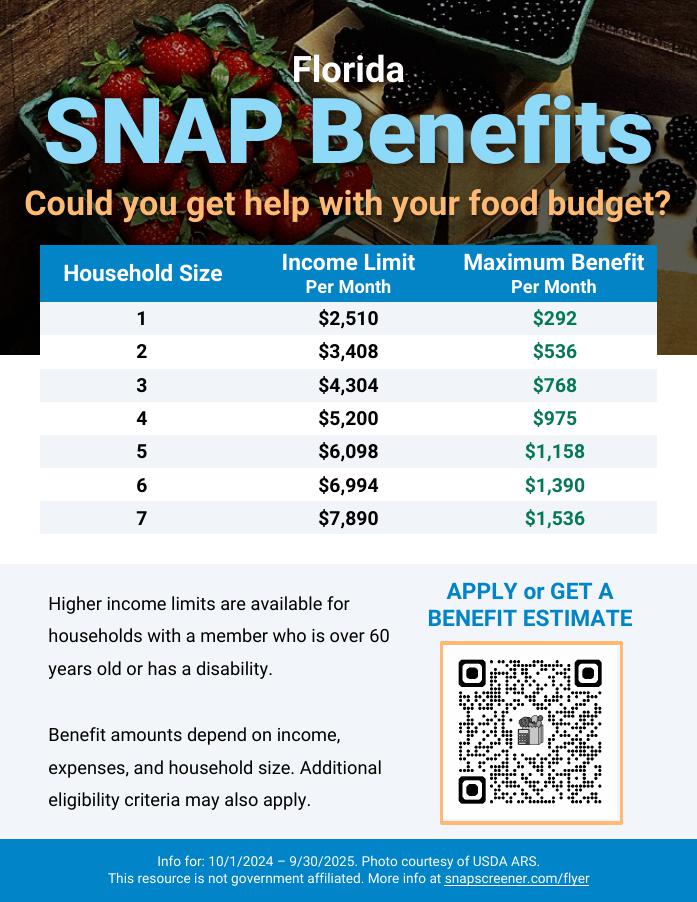
The primary eligibility factor for SNAP is a household’s income. In Florida, applicants must generally meet both gross (total) and net (after deductions) income limits.
- Gross Income Limit: For most households, gross monthly income must be at or below 130% of the federal poverty level.
- Net Income Limit: After allowable deductions (such as for earned income, dependent care, medical expenses for the elderly or disabled, and shelter costs), the household’s net monthly income must be at or below 100% of the federal poverty level.
- Asset Limit: While most households no longer face an asset limit, households with an elderly or disabled member typically have a higher asset limit. Assets generally include bank balances, cash, and other readily available financial resources, but exclude the home you live in, most retirement accounts, and vehicles.
These thresholds are updated annually and vary based on the number of people in the household. It’s essential to check the most current guidelines on the Florida Department of Children and Families website for precise figures.
Residency and Citizenship Status
To be eligible for SNAP in Florida, applicants must be a resident of the state. This means intending to reside in Florida and not just passing through. Additionally, individuals must meet certain citizenship or eligible non-citizen requirements. Generally, eligible individuals include U.S. citizens and certain qualified non-citizens, such as lawful permanent residents, refugees, asylees, and those granted withholding of deportation. While children born in the U.S. are citizens and may receive benefits, the immigration status of their parents does not prevent eligible children from receiving SNAP.
Work Requirements and Exemptions
Most able-bodied adults between the ages of 16 and 59 are subject to work requirements to receive SNAP benefits. These requirements generally include registering for work, accepting suitable employment if offered, and not voluntarily quitting a job or reducing work hours without good cause.
Additionally, some able-bodied adults without dependents (ABAWDs) may be limited to 3 months of SNAP benefits in a 36-month period if they are not working or participating in a work program for at least 20 hours per week. However, various exemptions exist for these requirements, including individuals who are:
- Caring for a child under six or an incapacitated person.
- Receiving unemployment compensation.
- Attending school or training at least half-time.
- Medically certified as physically or mentally unfit for employment.
Understanding these exemptions is critical, as they can significantly impact eligibility and the duration of benefits for individuals maintaining particular lifestyles or facing unique challenges.
The Application Process: A Step-by-Step Guide
Applying for SNAP in Florida is a structured process designed to be as accessible as possible. The Florida Department of Children and Families has streamlined various methods for application, allowing individuals to choose the most convenient option for their circumstances.
Online, Mail, or In-Person Application Options
Applicants have several ways to submit their initial application:
- Online: The fastest and most convenient method is through MyFLFamilies.com, the official portal for the Florida Department of Children and Families. This allows for electronic submission of the application and supporting documents.
- Mail: You can print an application from the Florida Department of Children and Families website and mail it to your local DCF service center.
- In-Person: Applications can be picked up and submitted at local DCF service centers or community partner offices. This option can be beneficial for those who prefer face-to-face assistance or have limited internet access.
Regardless of the method chosen, it’s crucial to fill out the application completely and accurately to avoid delays.
Required Documentation: What You’ll Need
To support your application and verify eligibility, you will need to provide several documents. Gathering these in advance can significantly expedite the process:
- Proof of Identity: Driver’s license, state ID, or other government-issued identification.
- Proof of Residency: Utility bill, lease agreement, or mail with your current Florida address.
- Social Security Numbers: For all household members applying for benefits.
- Proof of Income: Pay stubs, employer statements, benefit letters (e.g., Social Security, unemployment), or self-employment records.
- Proof of Assets: Bank statements, retirement account statements (if applicable).
- Proof of Expenses: Rent/mortgage statements, utility bills, child support payments, medical expenses (for elderly/disabled), and dependent care costs.
- Citizenship/Immigration Status: Birth certificates, U.S. passports, or immigration documents for non-citizens.
Providing thorough and accurate documentation is key to a smooth application review.
The Interview and Decision Process
After submitting your application, a DCF representative will typically schedule a phone interview. This interview is a mandatory step where the caseworker will review your application, clarify any information, and verify your eligibility. Be prepared to answer questions about your household, income, expenses, and living situation.
Following the interview, the DCF will make a decision on your eligibility, usually within 30 days of the application date. If approved, you will receive an EBT Card in the mail, along with information about your benefit amount and how to use the card. If denied, you will receive a letter explaining the reason for the denial and your right to appeal the decision.
Maximizing Your Benefits and Managing Your EBT Card
Once approved for SNAP benefits, understanding how to effectively use your EBT Card and manage your benefits is crucial for optimizing your household’s food budget and overall lifestyle.
Understanding Benefit Amounts
The amount of SNAP benefits you receive depends on several factors, including your household size, income, and allowable deductions. The benefits are designed to supplement your food budget, not cover all food expenses. The maximum benefit amount is determined federally and adjusted annually. It’s wise to budget your SNAP funds carefully throughout the month, planning meals and grocery shopping strategically to make the most of the assistance.
Using Your EBT Card Effectively
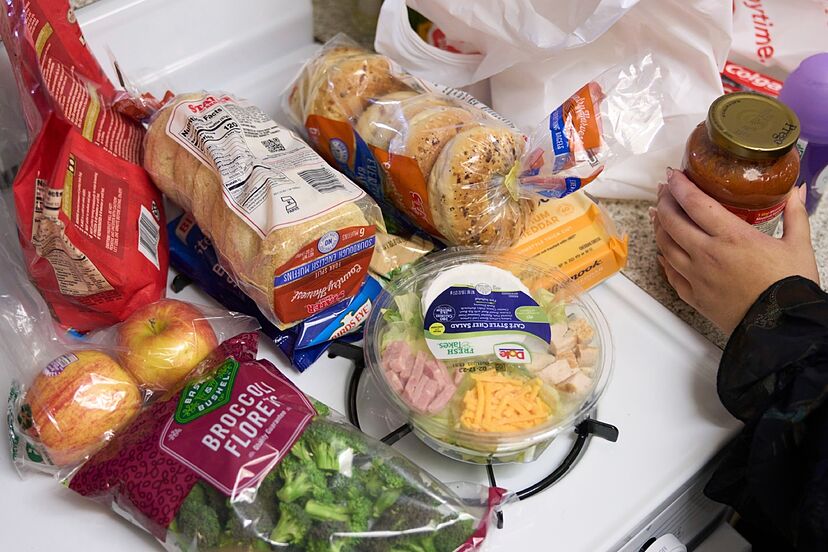
Your EBT Card is a debit card that can be used at most grocery stores, supermarkets, convenience stores, and farmers’ markets that display the SNAP or Quest logo. You can use it to purchase most food items, including fruits, vegetables, meat, poultry, fish, dairy products, breads, cereals, and non-alcoholic beverages. However, it cannot be used for hot foods prepared for immediate consumption, alcoholic beverages, tobacco products, vitamins, or non-food items like pet food, paper products, and cleaning supplies. Learning these distinctions helps integrate SNAP benefits seamlessly into your daily shopping routine.
Reporting Changes and Renewing Benefits
It is your responsibility to report any significant changes to your household’s income, assets, or composition to the Florida Department of Children and Families within 10 days of the change. Failure to do so can result in overpayments that you may have to repay, or even suspension of benefits.
SNAP benefits are not indefinite; they are issued for a specific period, usually between 6 and 12 months. Before your benefit period ends, you will receive a notice to renew your benefits. The renewal process is similar to the initial application and involves submitting a new application and possibly attending another interview to re-verify your eligibility. Proactive management of your benefits ensures continuous support for your household’s food needs.
Beyond Food Stamps: Holistic Support for Florida Residents
While SNAP is a cornerstone of food security, it’s important to recognize that it often functions as part of a broader network of support systems available to Florida residents facing economic challenges. Adopting a sustainable lifestyle in Florida often involves leveraging multiple resources to ensure stability and well-being.
Additional State and Local Resources
The Florida Department of Children and Families website, MyFLFamilies.com, is a hub for various other programs that can complement SNAP benefits. These may include Temporary Cash Assistance (TCA), Medicaid for healthcare coverage, and various child care assistance programs. Many local governments and non-profit organizations also offer assistance with housing, utilities, and employment services. Exploring these additional resources can provide a more holistic approach to managing personal finances and improving overall quality of life.
Community Initiatives and Food Banks
Beyond state and federal programs, Florida boasts a robust network of community food banks, pantries, and meal programs. Organizations like Feeding Florida coordinate efforts across the state to distribute food to those in need. These community-led initiatives serve as invaluable supplementary resources, offering emergency food assistance and often connecting individuals with other local support services. Engaging with these community programs can provide immediate relief and foster a sense of belonging and mutual support, enriching the lifestyle experience even during challenging times.
Navigating the process of obtaining food stamps in Florida is a practical, albeit sometimes complex, aspect of ensuring a stable lifestyle for many residents. By understanding the eligibility requirements, meticulously following the application process, and effectively managing benefits, individuals and families can access the critical support needed to put nutritious food on their tables. This proactive approach to understanding and utilizing available resources is a testament to resilience and responsible living, ensuring that every Florida resident has the opportunity to thrive.
LifeOutOfTheBox is a participant in the Amazon Services LLC Associates Program, an affiliate advertising program designed to provide a means for sites to earn advertising fees by advertising and linking to Amazon.com. Amazon, the Amazon logo, AmazonSupply, and the AmazonSupply logo are trademarks of Amazon.com, Inc. or its affiliates. As an Amazon Associate we earn affiliate commissions from qualifying purchases.