
Navigating the process of obtaining a handicap parking permit in Texas can seem like a daunting task, but with a clear understanding of the requirements and procedures, it becomes a manageable endeavor. These permits, officially known as disabled parking placards or license plates, are designed to provide essential accessibility for individuals with disabilities, ensuring they can access public spaces, businesses, and services with greater ease. This guide aims to demystify the process, offering a comprehensive overview of eligibility, application steps, and important considerations for residents of the Lone Star State.

Understanding Eligibility Criteria for Texas Disabled Parking Permits
The foundation of obtaining a disabled parking permit in Texas lies in meeting specific eligibility criteria established by the state’s Department of Motor Vehicles (DMV). These criteria are designed to ensure that permits are issued to individuals who genuinely require them due to a qualifying medical condition.
Qualifying Disabilities
Texas law outlines a range of conditions that qualify an individual for a disabled parking permit. These generally fall into several broad categories:
- Mobility Impairments: This is perhaps the most common category and includes individuals who have a significant mobility impairment due to a permanent or temporary disability. This can encompass conditions such as:
- Inability to walk 200 feet without stopping to rest.
- Need to use a brace, cane, crutch, wheelchair, walker, or other assistive device.
- Lung disease that is diagnosed by a physician to reduce the person’s breathing capacity to, at best, EKG level of 50 percent of normal or when the functioning lungs could be less than the predicted EKG of 50 percent of normal.
- Severe heart disease diagnosed by a physician to be EKG level of II or greater by the standards set forth by the American Heart Association.
- Arthritis, neurological condition, or orthopedic condition that significantly limits a person’s mobility.
- Blindness: Individuals who are legally blind in one or both eyes, as defined by state law, are also eligible. This typically involves a severe loss of vision that cannot be corrected with standard eyeglasses or contact lenses.
- Other Medical Conditions: The law also makes provisions for other medical conditions that, while not directly affecting mobility, can severely limit a person’s ability to function in public spaces. This can include conditions that require the use of portable oxygen, or certain conditions that make it extremely difficult or unsafe for an individual to navigate public transportation or walk long distances.
It is crucial to note that a temporary disability can also qualify an individual for a temporary disabled parking placard. This is typically issued for a period of up to six months and is intended for those recovering from surgery, injury, or a significant illness.
The Role of a Licensed Medical Professional
A cornerstone of the application process is the certification of a qualified medical professional. For any applicant, regardless of whether they are seeking a temporary or permanent permit, a licensed physician, surgeon, podiatrist, or chiropractor must complete and sign a portion of the application form. This certification attests to the applicant’s qualifying disability.
The medical professional will assess the applicant’s condition against the state’s criteria and provide their professional opinion on the necessity of disabled parking privileges. It is the responsibility of the applicant to schedule an appointment with their healthcare provider to discuss their needs and obtain this certification. Without this vital step, the application cannot proceed.
The Application Process: Step-by-Step
Securing a disabled parking permit in Texas involves a straightforward, yet specific, application process managed by the Texas Department of Motor Vehicles (DMV). Understanding each step will ensure a smooth and efficient experience.
Obtaining the Application Form
The primary document required is the Application for Disabled Parking Placard/License Plate (Form VTR-214). This form is available for download from the official Texas DMV website. Alternatively, you can obtain a copy at any local county tax assessor-collector’s office or the Texas DMV field office. It is recommended to download the latest version of the form to ensure all information is current.
Completing the Applicant Section
The applicant section of the form requires basic personal information, including:
- Name and Address: Your full legal name and current residential address.
- Date of Birth: Essential for identification purposes.
- Driver’s License Number or ID Card Number: If you have a Texas driver’s license or ID card, this number will be required. If you do not have one, alternative identification may be accepted, so it’s advisable to check with the DMV.
- Type of Permit Requested: You will need to specify whether you are applying for a temporary placard, a permanent placard, or disabled license plates. Disabled license plates are a more permanent option that replaces your standard vehicle license plates.
Medical Certification
This is the most critical part of the application. A licensed medical professional must complete and sign the “Physician’s Statement” section of the form. This section requires the medical provider to:
- Identify the Patient: Confirming the applicant’s identity.
- Diagnose the Condition: Detailing the medical condition that qualifies the applicant for disabled parking.
- Certify the Disability: Indicating whether the disability is permanent or temporary and specifying the duration for temporary permits (up to six months).
- Provide Their Information: Including their name, medical license number, address, and signature.
It is imperative that the medical professional understands the specific requirements for disabled parking permits in Texas to ensure accurate and complete certification.
Submitting the Application
Once the applicant and medical sections are fully completed and signed, the application can be submitted. Submission can typically be done in person at your local county tax assessor-collector’s office. This office acts as a liaison for the Texas DMV. You will also need to bring supporting documentation.
Required Supporting Documentation
In addition to the completed application form, you will typically need to present:
- Proof of Identity: A valid driver’s license, Texas ID card, or other government-issued identification.
- Proof of Residency: Documents like a utility bill or lease agreement may be requested, although often your driver’s license or ID card suffices.
- Payment for Fees: While disabled parking placards are often issued free of charge, disabled license plates may have associated fees. It’s best to check the current fee structure with your local tax assessor-collector’s office.
The county tax assessor-collector’s office will review your application and documentation. If everything is in order, they will process your request, and your disabled parking placard or license plates will be issued. Temporary placards are usually issued on the spot, while permanent placards and license plates may be mailed to your address.
Types of Disabled Parking Permits and Their Usage
Texas offers different types of disabled parking permits to cater to various needs, each with its own set of rules and regulations. Understanding these distinctions is vital for proper usage and to avoid any potential violations.
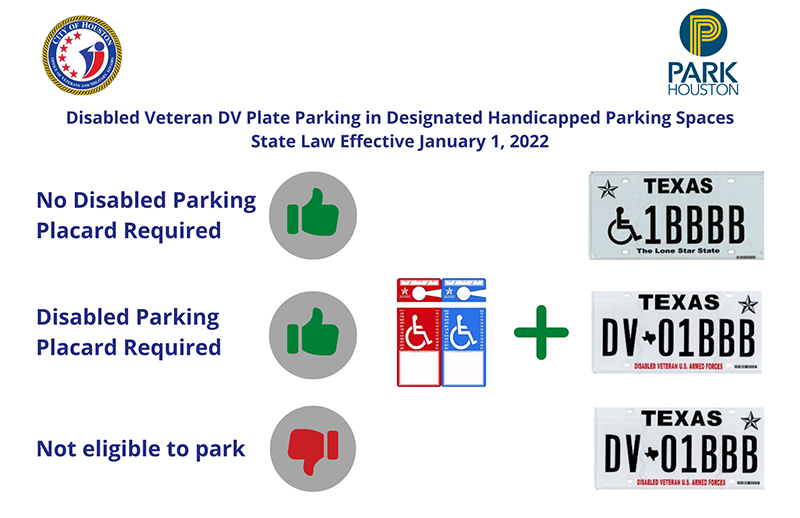
Disabled Parking Placards
Disabled parking placards are the most common type of permit. They are typically made of cardboard or plastic and are designed to hang from the rearview mirror of a vehicle. There are two main types:
- Permanent Placards: Issued to individuals with a permanent disability. These placards generally do not have an expiration date, but the vehicle owner must renew their driver’s license or ID card periodically, which may trigger a renewal requirement for the placard as well.
- Temporary Placards: Issued to individuals with a temporary disability. These placards are valid for a specific period, not exceeding six months. If the disability persists beyond this period, a new application with updated medical certification will be required.
These placards can be used in any vehicle the disabled individual is traveling in, whether they are the driver or a passenger.
Disabled License Plates
For individuals who own a vehicle and want a more integrated solution, disabled license plates are an option. These plates replace the standard Texas license plates on a vehicle.
- Eligibility: To obtain disabled license plates, you must be the registered owner of the vehicle and meet the same disability criteria as for placards.
- Usage: Disabled license plates are specific to the vehicle for which they are issued.
- Renewal: Like regular license plates, disabled license plates require annual renewal and associated fees.
Important Usage Guidelines
Regardless of the type of permit, there are critical usage guidelines that must be followed:
- Personal Use Only: The permit is intended for the sole use of the individual to whom it was issued. It cannot be used by friends or family members, even if they are transporting the permit holder.
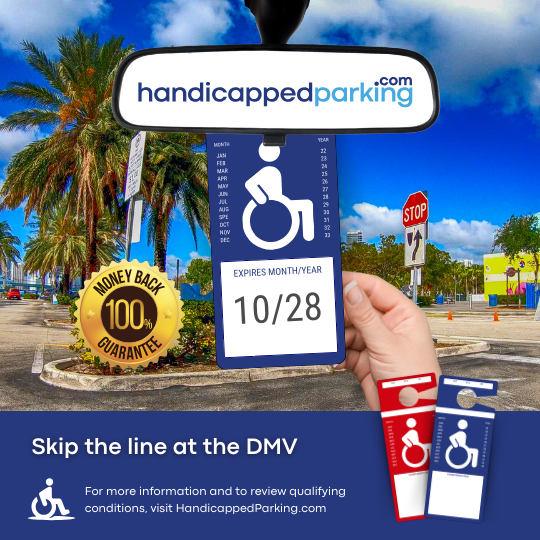
- Display Requirements: The placard must be hung from the rearview mirror when the vehicle is parked in a disabled parking space. When driving, it should be stored out of sight. Disabled license plates are displayed on the rear of the vehicle as usual.
- Location Restrictions: Disabled parking spaces are designated for individuals with a valid permit and are typically located closest to building entrances for maximum accessibility.
- Penalties for Misuse: Improper use or display of a disabled parking permit can result in fines, penalties, and the revocation of the permit. This includes lending your placard to someone else or using a placard that is not yours.
Renewals and Reapplications
- Placards: Permanent placards do not require a separate renewal in the same way as temporary ones, but it’s good practice to check your eligibility status with the DMV periodically. Temporary placards must be renewed by reapplying and obtaining new medical certification.
- License Plates: Disabled license plates must be renewed annually, just like standard license plates, and will involve payment of applicable fees.
Traveling with a Disabled Parking Permit in Texas and Beyond
Having a disabled parking permit significantly enhances the travel experience for individuals with disabilities, offering greater access to attractions and amenities. This is true not only within Texas but also when traveling to other states.
Accessibility in Texas Attractions
Texas boasts a diverse range of attractions, from the historic Alamo in San Antonio to the vibrant cultural scene in Austin and the vast natural beauty of the Big Bend National Park. Most major tourist destinations, including theme parks like Six Flags Fiesta Texas, museums, convention centers, and entertainment venues, are equipped with designated disabled parking spaces.
When visiting popular spots like the Space Center Houston or attending events at the AT&T Stadium in Arlington, familiarize yourself with the venue’s specific parking information. Many larger venues offer detailed accessibility guides on their websites, outlining the location of disabled parking, accessible routes, and other services.
Reciprocity with Other States
A significant benefit of a Texas disabled parking placard is its recognition in other U.S. states and many foreign countries. This reciprocity is governed by federal law and agreements between states.
- Out-of-State Travel: When traveling to states like California, Florida, or New York, your Texas placard is generally valid for use in designated disabled parking spaces. However, the specific signage and regulations might vary slightly. Always look for universally recognized disabled parking symbols.
- International Travel: While many countries recognize U.S. disabled parking permits, it’s wise to research the specific regulations of your destination country before traveling. Some countries may require an international disability permit or have specific local requirements.
Planning for Accessible Stays
When planning accommodation, such as a stay at a resort like The Woodlands Resort or a hotel in a city like Houston, inquire about their disabled parking availability and accessibility features. Many hotels offer rooms with enhanced accessibility features, and they can usually direct you to the closest disabled parking options.
For longer stays or unique experiences, consider visiting accessible campgrounds or considering unique stays like a villa rental in Austin. Always confirm the accessibility of the specific location and any parking arrangements beforehand.
Navigating Special Events and National Parks
Attending major events such as the State Fair of Texas or exploring national parks like the Guadalupe Mountains National Park can be made more accessible with proper planning. These locations typically have dedicated disabled parking areas. It is advisable to check their websites in advance for the most up-to-date information on accessibility and parking.
By understanding the process and utilizing the benefits of your disabled parking permit, your travel experiences in Texas and beyond can be significantly more comfortable and enjoyable.
LifeOutOfTheBox is a participant in the Amazon Services LLC Associates Program, an affiliate advertising program designed to provide a means for sites to earn advertising fees by advertising and linking to Amazon.com. Amazon, the Amazon logo, AmazonSupply, and the AmazonSupply logo are trademarks of Amazon.com, Inc. or its affiliates. As an Amazon Associate we earn affiliate commissions from qualifying purchases.