
Navigating the intricacies of vehicle ownership in the Sunshine State can sometimes feel like charting a course through uncharted waters. While your mind might be on the pristine beaches of Miami Beach or the thrilling rides at Walt Disney World, ensuring your vehicle’s legal documentation is in order is paramount for enjoying your Florida adventures worry-free. This guide is designed to demystify the process of obtaining a car title in Florida, transforming a potentially daunting task into a manageable one, whether you’re a new resident, have purchased a vehicle, or need a duplicate title.
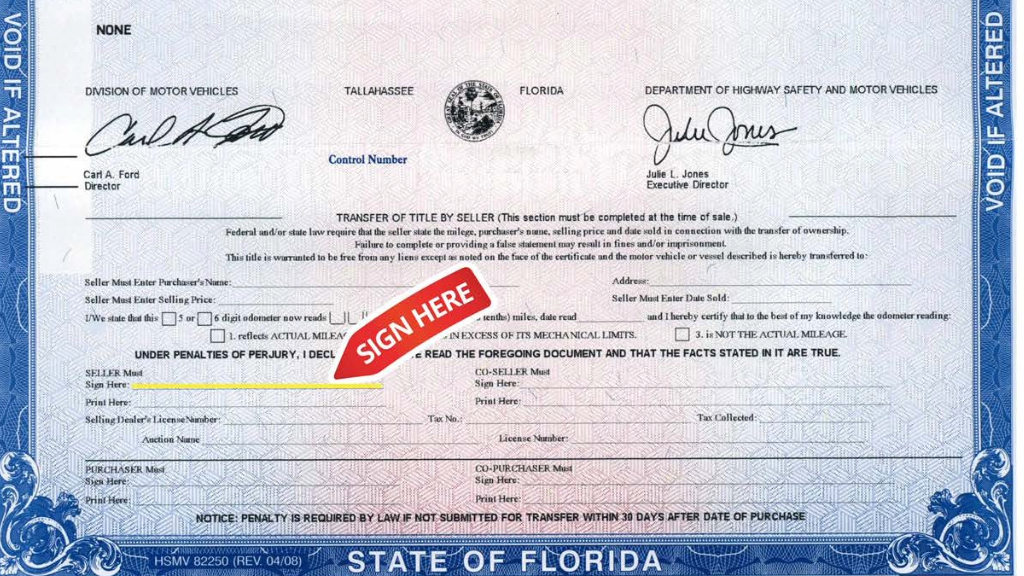
The car title, officially known as the Certificate of Title, is the legal document that proves ownership of a vehicle. It’s a crucial piece of paper that you’ll need for various transactions, including selling your car, registering it, or even proving ownership in case of disputes. Florida, like other states, has a specific set of procedures to follow to acquire or transfer a title. The primary agency responsible for these matters is the Florida Department of Highway Safety and Motor Vehicles (FLHSMV), and its county tax collector offices act as the local points of contact for most services. Understanding these agencies and the documentation they require is the first step in securing your Florida car title.
Understanding the Florida Car Title and its Importance
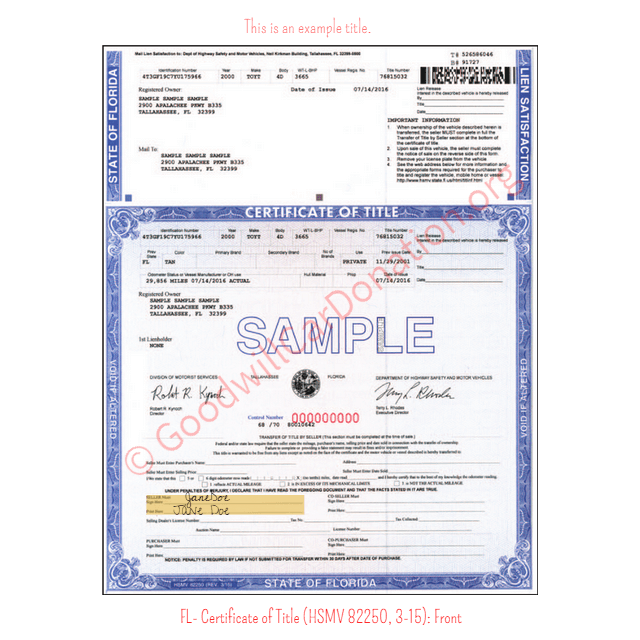
A Florida car title is more than just a piece of paper; it’s the legal bedrock of your vehicle ownership. It contains vital information about the car, including its make, model, year, Vehicle Identification Number (VIN), and the names of its registered owners. This document is essential for several reasons, impacting your ability to drive legally, sell your vehicle, and even ensure your peace of mind.
For instance, if you’ve recently relocated to Florida from another state and brought your car with you, you’ll need to transfer your existing title to a Florida title. This process ensures that your vehicle is recognized and legally registered within the state’s jurisdiction. Similarly, if you’ve purchased a used car, either from a private seller or a dealership, the seller must legally transfer the title to your name. Without this transfer, you won’t be able to register the vehicle, obtain Florida license plates, or legally drive it on the state’s roads. The title is the ultimate proof that you are the rightful owner, protecting you from potential fraud or claims of ownership by others.
The significance of the title extends beyond just driving. If you plan to sell your car in the future, a clear and properly assigned title is indispensable for a smooth transaction. A buyer will require this document to transfer ownership to themselves. Furthermore, in the unfortunate event of theft or a major accident, having the title readily available can simplify insurance claims and police investigations. It’s also a requirement for obtaining financing if you plan to take out a loan against your vehicle. Therefore, understanding how to obtain and maintain your Florida car title is a fundamental aspect of responsible vehicle ownership, allowing you to fully enjoy your Florida lifestyle, from exploring the theme parks of Orlando to cruising along the scenic routes of the Florida Keys.
Obtaining Your First Florida Car Title: New Residents and Purchases
The process of acquiring a Florida car title generally falls into a few main categories: becoming a new resident with an out-of-state vehicle, purchasing a new or used car within Florida, or needing a replacement for a lost or damaged title. Each scenario has specific requirements and steps that must be followed diligently.
New Florida Residents
If you’ve made the exciting move to the Sunshine State and brought your vehicle with you, you have a limited timeframe to obtain a Florida title and registration. Generally, within 30 days of establishing residency, you’ll need to visit your local county tax collector’s office. The process involves surrendering your out-of-state title and providing proof of Florida insurance. You’ll also need to have your vehicle identification number (VIN) inspected by a law enforcement officer or an authorized VIN inspector. This inspection verifies the vehicle’s identity and ensures it hasn’t been reported stolen or tampered with. You will be issued a new Florida title, which may take some time to process and mail to your address. Simultaneously, you’ll register your vehicle, which involves paying applicable registration fees and sales tax if you haven’t already paid sales tax in another state. It’s crucial to have all your documentation in order before your visit to expedite the process.
Purchasing a Vehicle in Florida
When you buy a car within Florida, the process of obtaining the title depends on where you purchased it.
-
From a Licensed Dealership: If you buy from a dealership, they typically handle the title and registration paperwork on your behalf as part of the sale. They will submit the necessary documents to the FLHSMV and your local tax collector’s office. You will receive your new Florida title and registration in the mail after the transaction is completed. However, it’s always wise to confirm the dealership’s process and inquire about the expected timeline for receiving your title.
-
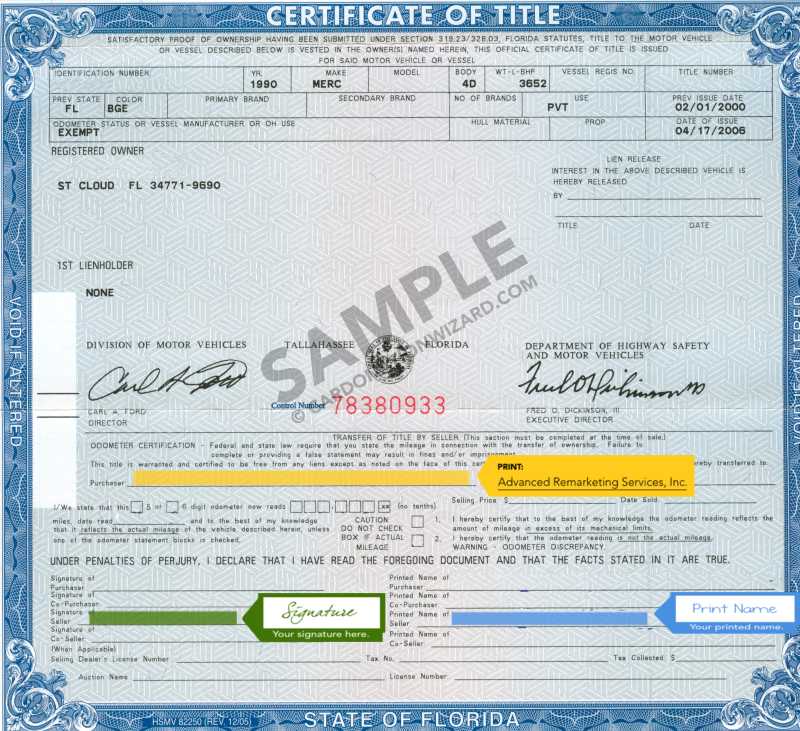
From a Private Seller: Purchasing from a private seller requires more direct involvement from you. The seller must provide you with the vehicle’s current title, properly signed over to you. It’s imperative to ensure the title is clear, meaning there are no liens or other encumbrances listed. You will then need to take this signed title, along with a completed Application for Certificate of Title With/Without Registration (HSMV 82040), to your local county tax collector’s office. You will also need proof of Florida insurance and a completed VIN inspection if the vehicle is from out of state or if the title is from an older issue. You will be responsible for paying applicable sales tax and title fees. The new title will be mailed to you by the state.
Regardless of the purchase method, always be meticulous about the title. Inspect it carefully for any discrepancies, ensure all fields are completed accurately, and that the seller’s signature matches their identification. A flawed or incomplete title can lead to significant delays and complications.
Replacing a Lost or Damaged Florida Car Title
Mistakes happen, and sometimes a vital document like a car title can be lost, stolen, or damaged. Fortunately, the FLHSMV provides a straightforward process for obtaining a duplicate Florida car title. This is a common need for many vehicle owners, especially if the title has been in circulation for a while or has been exposed to the elements.
Steps to Obtain a Duplicate Title
To get a duplicate title, you’ll need to complete an Application for a Duplicate or Corrected Title (HSMV 82101). This form requires you to provide specific information about the vehicle, including the VIN, year, make, and model, as well as your personal details. You’ll also need to indicate why you are requesting a duplicate – whether it’s lost, stolen, or damaged.
A critical aspect of this application is proving your ownership. If the title is lost or stolen, you might need to provide additional information or documentation to satisfy the FLHSMV. If there is a lienholder on the vehicle, their information will also be required, and they may need to be notified or provide consent.
The application, along with the required fee, must be submitted to your local county tax collector’s office or mailed directly to the FLHSMV title processing center in Tallahassee. The fee for a duplicate title is typically modest, but it’s advisable to check the current fee schedule on the FLHSMV website, as these amounts can change.
Once your application is processed and approved, a duplicate title will be issued and mailed to you. This process can take several weeks, so it’s important to plan accordingly, especially if you intend to sell your vehicle soon. If your original title is damaged but you still have it, you should present it with the application for a duplicate. While you can operate a vehicle with a damaged title, it’s best to rectify the situation promptly to avoid any issues during future transactions, such as selling the vehicle or applying for financing. Having a clear and intact title is essential for enjoying the freedom of the open road, whether you’re heading to the beaches of the Gulf Coast or exploring the vibrant city life of Tampa.
Common Scenarios and Potential Pitfalls
Navigating the car title process can sometimes present unexpected challenges. Being aware of common scenarios and potential pitfalls can help you avoid delays and ensure a smoother experience. The FLHSMV website and your local tax collector’s office are excellent resources for up-to-date information, but understanding these common issues is also beneficial.
Liens and Title Transfers
One of the most frequent complications arises with liens. A lien is a legal claim against a vehicle by a creditor, typically a lender, to secure a loan. If you have a loan on your car, the lender’s name will appear on the title as the lienholder. Before you can sell a vehicle or transfer its title, any existing lien must be satisfied. This means paying off the loan in full. Once the loan is paid, the lienholder is obligated to sign off on the title, indicating that the debt has been cleared. You will then receive a clear title, free of any encumbrances. If you purchase a vehicle with an outstanding lien, you will need to work with the seller and the lienholder to ensure the lien is properly released or transferred. Failure to address liens correctly can halt any title transfer process, leaving both buyer and seller in a difficult situation.
Inaccurate or Incomplete Information
Errors on the title application or the title itself are another common pitfall. Whether it’s a misspelled name, an incorrect VIN, or a missing signature, these discrepancies can cause your application to be rejected. It’s crucial to double-check all information for accuracy before submitting any documents. For private sales, ensure the seller signs the title in the exact name that appears on their identification. If you receive a title with errors, you will need to apply for a corrected title, which involves a similar process to obtaining a duplicate title, including fees and specific forms.
Out-of-State Titles and VIN Inspections
For new residents or those purchasing vehicles from out of state, the VIN inspection requirement is often overlooked. This inspection is mandatory to ensure the vehicle is legally present in Florida and hasn’t been reported stolen or had its VIN altered. The inspection can be performed by authorized law enforcement officers or designated VIN inspection stations. Make sure to get this done before heading to the tax collector’s office. Also, be aware that some older titles from other states might not be in the standard format, which could require additional verification steps by the FLHSMV.
Understanding Fees and Taxes
Florida imposes various fees and taxes associated with obtaining a car title, including a title fee, registration fees, and sales tax. The amount of sales tax is typically calculated based on the vehicle’s purchase price or its book value, whichever is greater, and varies slightly by county. If you’re unsure about the exact amounts, it’s best to contact your local tax collector’s office for an estimate before your visit. Bringing all necessary documentation, including proof of purchase, previous title (if applicable), and insurance, will help expedite the process and ensure you are prepared for all associated costs. By being prepared and mindful of these common issues, you can significantly streamline your Florida car title acquisition and get back to enjoying the many attractions and experiences the state has to offer, from the historic charm of St. Augustine to the natural beauty of the Everglades National Park.
LifeOutOfTheBox is a participant in the Amazon Services LLC Associates Program, an affiliate advertising program designed to provide a means for sites to earn advertising fees by advertising and linking to Amazon.com. Amazon, the Amazon logo, AmazonSupply, and the AmazonSupply logo are trademarks of Amazon.com, Inc. or its affiliates. As an Amazon Associate we earn affiliate commissions from qualifying purchases.