
The journey to obtaining a Commercial Driver’s License (CDL) in Texas is a structured process designed to ensure that individuals operating large and heavy vehicles possess the necessary skills, knowledge, and safety awareness. This license is not merely a permit but a testament to a driver’s competence in handling complex machinery and navigating diverse road conditions, crucial for the state’s robust logistics and transportation sectors. Whether your aspiration is to drive a school bus, a tractor-trailer, or a vehicle carrying hazardous materials, understanding the requirements and steps involved is paramount. This guide will navigate you through the intricacies of securing your CDL in the Lone Star State.

Understanding CDL Classes and Endorsements
Before embarking on the application process, it’s essential to understand the different classifications and endorsements that define a CDL. These distinctions are critical as they dictate the types of vehicles you are legally permitted to operate and the specific cargo you can transport.
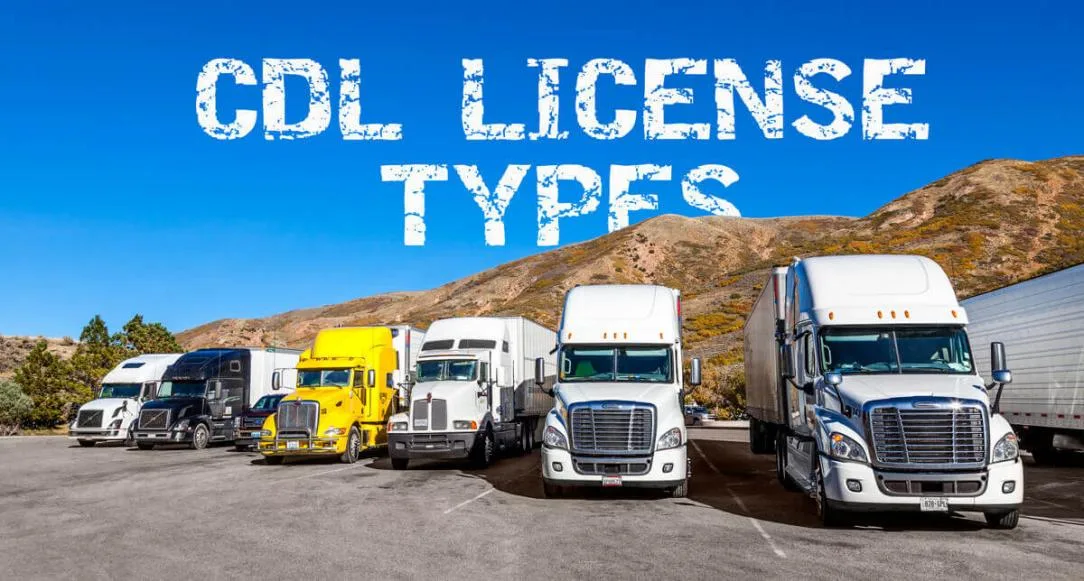
CDL Classifications
The Federal Motor Carrier Safety Administration (FMCSA) has established three primary CDL classes:
- Class A CDL: This license is required for drivers operating a combination of vehicles with a Gross Combination Weight Rating (GCWR) of 26,001 pounds or more, provided the Gross Vehicle Weight Rating (GVWR) of the vehicle being towed is in excess of 10,000 pounds. This typically includes tractor-trailers and truck-and-trailer combinations.
- Class B CDL: This license is for drivers operating a single vehicle with a GVWR of 26,001 pounds or more, or any such vehicle towing a trailer with a GVWR not in excess of 10,000 pounds. Examples include straight trucks, dump trucks, and large buses.
- Class C CDL: This license is for drivers operating vehicles that do not meet the definition of Class A or Class B, but are designed to transport 16 or more passengers (including the driver), or are placarded for hazardous materials. This class often covers smaller buses and some specialized delivery vehicles.
Essential Endorsements
Beyond the basic classification, endorsements are added to your CDL to authorize you to operate specific types of vehicles or carry certain types of cargo. Common endorsements in Texas include:
- H – Hazardous Materials (HazMat): Required for anyone transporting materials that are regulated by the Department of Transportation as hazardous. This endorsement involves a rigorous background check and a specialized knowledge test.
- P – Passenger: Required for drivers operating vehicles designed to transport 15 or more passengers (including the driver). This is essential for school bus drivers, transit operators, and tour bus drivers.
- S – School Bus: A specialized endorsement for those driving school buses, requiring additional testing and safety training specific to transporting students.
- N – Tank Vehicle: Required for drivers operating vehicles designed to haul liquids or gaseous materials in bulk in permanently attached tanks or temporarily converted tanks.
- T – Double/Triple Trailers: Authorizes the operation of vehicles towing double or triple trailers.
- **M -)$: Master endorsement for operating a motorcycle trailer.
Understanding which class and endorsements you need is the first critical step in preparing for the CDL application process. Your intended career path will dictate these requirements.
The Application Process: Step-by-Step
Obtaining a CDL in Texas involves several key stages, from initial eligibility checks to comprehensive testing. Adhering to each step diligently will ensure a smooth and successful application.
Step 1: Meet the Eligibility Requirements
Before you can even schedule an appointment, you must meet specific criteria set by the Texas Department of Public Safety (DPS). These include:
- Age: You must be at least 18 years old to obtain a CDL for intrastate commerce (driving within Texas). To drive across state lines (interstate commerce), you must be at least 21 years old.
- Residency: You must be a resident of Texas.
- Valid Driver’s License: You must possess a valid, non-commercial Texas driver’s license.
- Social Security Number: You will need to provide proof of your Social Security number.
- Medical Certification: All CDL applicants must obtain a Department of Transportation (DOT) medical examiner’s certificate. This involves passing a physical examination administered by a certified medical examiner. You will need to specify the type of CDL you are seeking, as the medical requirements can vary slightly depending on the vehicle classification and cargo.
- Vision Standards: You must meet specific vision requirements, which will be assessed during your medical examination.
Step 2: Obtain a Commercial Learner’s Permit (CLP)
The first official step toward your CDL is securing a Commercial Learner’s Permit (CLP). This permit allows you to practice driving commercial vehicles under the supervision of a qualified CDL holder. To obtain a CLP in Texas, you will typically need to:
- Complete the CDL Application Form: This is usually done at a Texas DPS driver license office.
- Pass the Knowledge Tests: You will need to pass written knowledge tests corresponding to the CDL class and any endorsements you are seeking. These tests cover general knowledge, air brakes, combination vehicles, tank vehicles, hazardous materials, and passenger transport, depending on your chosen path. Study materials are available from the Texas DPS and various training providers.
- Provide Required Documentation: This includes proof of identity, residency, Social Security number, and your DOT medical examiner’s certificate.
- Pay the Required Fees: There are fees associated with the application and testing process.
Once you pass the knowledge tests, you will be issued your CLP. It is valid for a specific period, and you must hold it for at least 14 days before you can take your CDL skills test.
Step 3: Complete Professional CDL Training (Recommended)
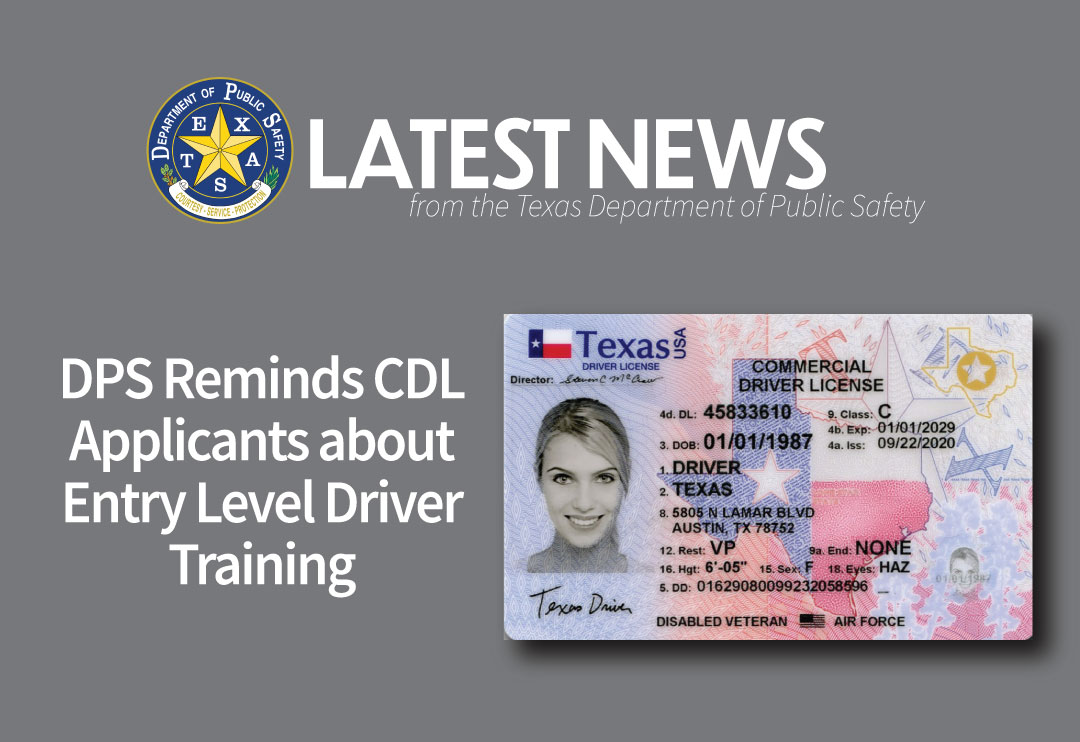
While not always legally mandated for all CDL classes, completing a professional CDL training program is highly recommended and often a prerequisite for employment with many trucking companies. These programs provide comprehensive instruction in:
- Vehicle Inspection: Learning to conduct thorough pre-trip, en-route, and post-trip inspections is crucial for safety and compliance.
- Basic Control Skills: Mastering maneuvers such as starting and stopping, backing, and turning in larger vehicles.
- On-Road Driving: Developing proficiency in navigating various traffic conditions, highways, and city streets.
- Specific Endorsement Training: If you are pursuing HazMat, passenger, or tank vehicle endorsements, specialized training will be provided.
Reputable CDL schools offer structured curricula that prepare students not only for the licensing tests but also for the real-world demands of the profession. Many programs also assist with job placement after graduation.
Step 4: Schedule and Pass the CDL Skills Test
The CDL skills test is the final hurdle to obtaining your license. This practical examination assesses your ability to safely operate a commercial vehicle. It typically consists of three parts:
- Pre-Trip Inspection: You will be required to perform a detailed inspection of the vehicle, identifying any potential safety defects.
- Basic Control Skills Test: This section evaluates your ability to maneuver the vehicle in controlled environments, such as backing into a parking spot or performing a dock maneuver.
- Road Test: You will drive the vehicle on public roads under the supervision of a Texas DPS examiner, demonstrating your ability to operate it safely in various traffic situations.
You must provide a vehicle that is representative of the class of CDL you are applying for. Ensure the vehicle is properly insured and registered.
Step 5: Obtain Your CDL
Upon successfully passing all parts of the CDL skills test, you will be eligible to receive your Commercial Driver’s License. The examiner will typically provide you with instructions on how to obtain your official license from a designated Texas DPS driver license office. You will likely need to present your completed application, CLP, proof of passing the skills test, and any other required documentation. Fees for the CDL itself will also apply.
Maintaining Your CDL and Staying Compliant
The acquisition of a CDL is just the beginning of a professional driving career. Ongoing compliance with regulations and continuous professional development are essential for maintaining your license and ensuring safe operation.
Medical Certification Renewal
Your DOT medical examiner’s certificate is not permanent. Depending on your age and medical history, you will need to renew it periodically. Failure to maintain a valid medical certification can lead to the suspension of your CDL. It is your responsibility to track your renewal dates and schedule appointments with a certified medical examiner well in advance of expiration.
CDL Renewal and Fees
Like your standard driver’s license, your CDL will have an expiration date and will need to be renewed. The renewal process in Texas typically involves paying the required renewal fees and ensuring all other requirements, such as medical certification, are up to date.
Understanding FMCSA Regulations
As a CDL holder, you are subject to a myriad of regulations set forth by the FMCSA and the Texas Department of Public Safety. These include rules concerning:
- Hours of Service (HOS): Regulations that limit the number of hours drivers can operate a commercial vehicle to prevent fatigue.
- Drug and Alcohol Testing: Mandatory testing for drivers in the commercial motor vehicle industry.
- Vehicle Maintenance and Inspection: Requirements for ensuring commercial vehicles are in safe operating condition.
- Traffic Laws: Adherence to all traffic laws, both state and federal.
Staying informed about these regulations and operating in full compliance is not only a legal obligation but also crucial for your safety and the safety of others on the road. Many employers offer resources and training to help their drivers remain compliant.
Conclusion
The path to obtaining a Commercial Driver’s License in Texas is a commitment to professionalism and safety in the transportation industry. By understanding the different CDL classes and endorsements, diligently following the application process, and committing to ongoing compliance, you can successfully earn your CDL and embark on a rewarding career. The demand for skilled commercial drivers remains high, and with the proper training and dedication, you can become a vital asset to the Texas economy and beyond.
LifeOutOfTheBox is a participant in the Amazon Services LLC Associates Program, an affiliate advertising program designed to provide a means for sites to earn advertising fees by advertising and linking to Amazon.com. Amazon, the Amazon logo, AmazonSupply, and the AmazonSupply logo are trademarks of Amazon.com, Inc. or its affiliates. As an Amazon Associate we earn affiliate commissions from qualifying purchases.