
Navigating the process of obtaining your shot records in Texas, especially when planning your next adventure or settling into a new locale, is a crucial step for various reasons. Whether you’re preparing for international travel, enrolling your children in school, or simply seeking to maintain a comprehensive personal health history, having easy access to your immunization documentation is paramount. Texas, with its vast landscapes, vibrant cities, and rich cultural tapestry, offers a multitude of experiences, from the bustling streets of Dallas and the historic charm of San Antonio to the sprawling natural beauty of the Big Bend National Park. To fully enjoy these destinations and their associated activities, understanding how to acquire your shot records is an essential part of the preparation.
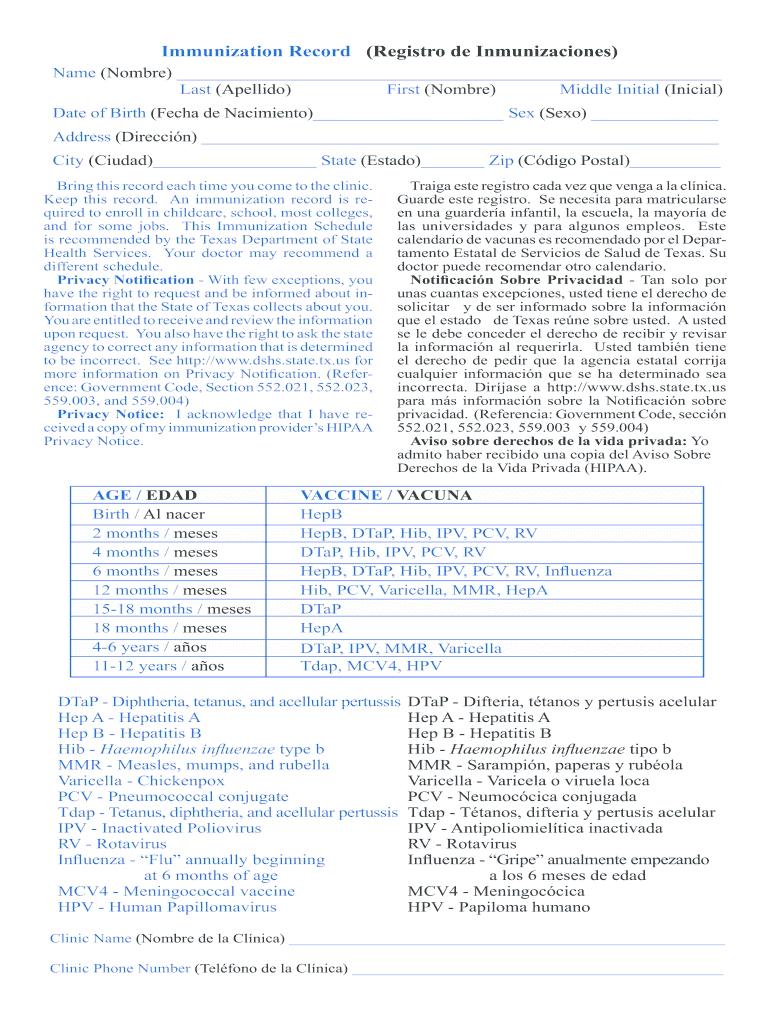
This guide is designed to demystify the process, offering clear, actionable steps for Texans to access their vital immunization information. We’ll cover the primary avenues available, from utilizing state-level resources to working directly with healthcare providers. Understanding these options will empower you to gather your records efficiently, ensuring you’re prepared for any situation, whether it’s a spontaneous weekend getaway to the Texas Hill Country or a long-term stay in a place like Austin.
Understanding Your Immunization Records and Their Importance
Immunization records, often referred to as shot records, are official documents that detail all the vaccinations a person has received throughout their life. These records are not just administrative tools; they are vital for public health and individual well-being. In Texas, like in many other states, these records play a significant role in various aspects of life, from daily living to major life events.
Why Are Shot Records Essential in Texas?
The need for shot records in Texas stems from a variety of practical and regulatory requirements. For instance, if you are planning to travel abroad, many countries require proof of certain vaccinations for entry, particularly for diseases like Yellow Fever or Hepatitis A. Having your Texas shot records readily available can streamline the visa application process and ensure you meet international health regulations without last-minute scrambling.
Domestically, shot records are frequently required for educational purposes. Schools, from preschools to universities, mandate that students be up-to-date on their immunizations to prevent outbreaks within their communities. This applies whether you’re enrolling your child in a public school in Houston or a private institution in Fort Worth. Similarly, many childcare facilities and summer camps also require proof of vaccination for enrollment.
Beyond formal institutions, employers in certain sectors, such as healthcare, may request immunization records as part of their occupational health and safety protocols. This ensures that employees are protected from potential exposures and do not pose a risk to vulnerable patients.
Furthermore, in the event of a public health emergency, such as a pandemic, access to your vaccination history can be crucial for determining eligibility for certain programs, testing, or travel advisories. Maintaining accurate shot records is therefore not just a matter of compliance, but a proactive approach to personal health management and preparedness. For individuals who have lived in Texas for a significant period, possibly moving between different cities like El Paso and Corpus Christi, consolidating these records can be particularly important.
Key Methods for Obtaining Your Shot Records in Texas
Texas offers several primary avenues through which individuals can obtain their immunization records. The method you choose will likely depend on where your vaccination history is primarily stored and your personal preferences for accessing information.
1. Texas Immunization Registry (TxIR)
The Texas Immunization Registry (TxIR), also known as ImmTrac2, is a statewide confidential, secure, and comprehensive system that collects immunization records from healthcare providers across Texas. ImmTrac2 aims to provide a single, reliable source for an individual’s immunization history.
How ImmTrac2 Works
Healthcare providers in Texas are encouraged, and in some cases mandated, to report immunizations administered to individuals in the state to TxIR. This includes vaccinations given at doctor’s offices, public health clinics, hospitals, and pharmacies. The goal is to create a unified record that can be accessed by authorized individuals and entities.
Accessing Your Records Through ImmTrac2
To access your own immunization records, or those of your minor child, through ImmTrac2, you will typically need to create an account on the ImmTrac2 portal. The process involves verifying your identity to ensure the security and privacy of the health information.
- Online Portal: Visit the official ImmTrac2 website. You will be guided through a registration process that requires personal identifying information, such as your full name, date of birth, and Social Security number. You may also need to provide information about a vaccination you received in Texas to help locate your record.
- Authorization Form: In some instances, you might need to complete and submit an authorization form. This form grants permission for you or another authorized individual to access the records.
- Verification: The system will cross-reference the information you provide with existing data to confirm your identity and locate your immunization history. Once verified, you can typically download or print your immunization record.
It’s important to note that while many providers report to ImmTrac2, not all immunizations may be present in the system, especially if they were administered out of state or by a provider who does not participate in the registry. However, ImmTrac2 is the most comprehensive state-level resource available.
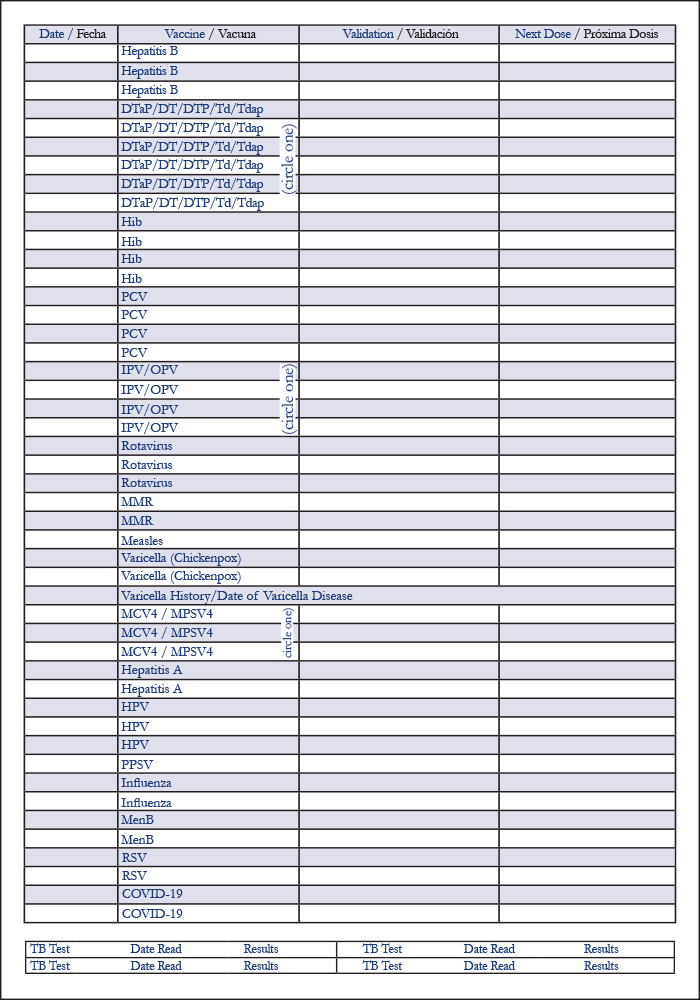
2. Contacting Your Healthcare Provider Directly
Your primary care physician’s office or the clinic where you most frequently receive vaccinations is often the most direct source for your shot records. Healthcare providers are legally obligated to maintain patient medical records, including immunization histories.
Steps for Requesting Records from Your Doctor
- Identify Your Provider: Determine which healthcare provider or clinic has most of your vaccination history. This might be your pediatrician, family doctor, or a specific clinic you’ve visited for immunizations, such as those found in cities like Plano or Irving.
- Contact the Office: Call the provider’s office and speak to the medical records department or the front desk staff.
- Fill Out a Release Form: You will likely be required to fill out a “Release of Information” or “Patient Record Request” form. This form will ask for your personal details, the specific records you are requesting (in this case, immunization records), and where you would like the records sent.
- Provide Identification: You may need to present a valid photo ID when submitting the form in person, or provide identifying details over the phone or via a secure online portal if available.
- Processing Time: Be aware that there may be a processing time, typically ranging from a few days to a couple of weeks, depending on the provider’s policies and workload. Some providers may charge a small fee for copying and releasing records.
This method is particularly useful if you’ve moved around Texas and received shots from different doctors. You may need to contact each provider individually to ensure you gather all your historical data. If you’ve stayed at various accommodations, from a luxury resort like the Four Seasons Resort and Club Dallas at Las Colinas to a more budget-friendly apartment, your primary care doctor is likely to be your most consistent record keeper.
3. Local and County Health Departments
Local and county health departments in Texas often play a crucial role in public health initiatives, including administering vaccinations and maintaining records. Many of these departments participate in the TxIR system, but they may also maintain their own local records, especially for individuals who received vaccinations through their public health clinics.
How to Engage with Local Health Departments
- Locate Your Nearest Department: Use online search engines or the Texas Department of State Health Services website to find the health department for the county or city you reside in or have previously lived in. Examples include the Dallas County Health and Human Services or the Harris County Public Health.
- Inquire About Record Availability: Contact the specific health department by phone or through their official website. Explain that you are seeking your immunization records.
- Follow Their Procedure: Similar to healthcare providers, they will likely have a specific procedure for record requests, which may involve filling out a form and providing identification. They can confirm whether they have your records on file, particularly if you received immunizations from them directly.
This can be especially helpful if you received childhood vaccinations or participated in public health vaccination campaigns. It’s another piece of the puzzle that can help you compile a complete immunization history, crucial for any travel plans, whether it’s a family trip to Galveston Island or exploring historical landmarks in Waco.
Special Considerations for Travel and Life Events
Obtaining your shot records in Texas is not just a routine task; it often ties into specific life events or travel plans, each with its own nuances. Understanding these connections can make the process smoother and more efficient.
Preparing for International Travel
When planning an international journey, your shot records become even more critical. Many destinations require proof of specific immunizations to prevent the spread of infectious diseases. This is especially true for travel to parts of Africa, Asia, or South America.
- Vaccination Requirements: Before booking your flights or accommodations at a resort in Cancun or a villa in the Dominican Republic, research the entry requirements of your destination country. The Centers for Disease Control and Prevention (CDC) website is an excellent resource for this information.
- Consult a Travel Clinic: It’s highly recommended to visit a travel clinic or your doctor well in advance of your trip. They can review your existing records, advise on necessary vaccinations or booster shots, and provide an official record that meets international standards. This might involve vaccinations for diseases like Typhoid, Hepatitis A and B, or even routine ones like Measles, Mumps, and Rubella (MMR), depending on your travel itinerary.
- Yellow Fever Certificate: If you are traveling to a country that requires a Yellow Fever vaccination, you will receive an International Certificate of Vaccination or Prophylaxis (ICVP), often called the “yellow card.” This is a critical document that must accompany you on your travels.
Ensuring your shot records are complete and up-to-date is a fundamental step in preparing for international adventures, allowing you to focus on enjoying your experiences, whether it’s exploring ancient ruins or relaxing on a beach in the Caribbean.

Accessing Records for Children and Dependents
If you are a parent or guardian, obtaining and managing your child’s immunization records is a significant responsibility. These records are essential for school enrollment, summer camp, and general healthcare.
- Legal Guardianship: As a legal guardian, you have the right to access your child’s immunization records. The process is generally the same as accessing your own records, requiring proof of your relationship to the child.
- School and Camp Requirements: Always check the specific vaccination requirements for the schools, daycare centers, or camps your child will be attending. Texas law mandates certain vaccines for school entry, and these requirements can be found on the Texas Department of State Health Services website.
- Transferring Records: If your family is moving to or from Texas, or if your child is switching healthcare providers or schools, you will need to obtain and transfer their immunization records. This ensures continuity of care and compliance with new educational or healthcare institution requirements.
By proactively managing your child’s shot records, you ensure they can participate fully in educational and recreational activities across Texas and beyond, from visiting theme parks like Six Flags Over Texas to exploring the educational exhibits at the Perot Museum of Nature and Science in Dallas.
In conclusion, securing your shot records in Texas is a straightforward process when you know where to look. Whether you rely on the comprehensive Texas Immunization Registry (TxIR), your trusted healthcare provider, or your local health department, having these vital documents readily accessible will provide peace of mind and enable you to fully engage with all that Texas has to offer, from its world-class hotels and resorts to its diverse cultural attractions and breathtaking natural landmarks.
LifeOutOfTheBox is a participant in the Amazon Services LLC Associates Program, an affiliate advertising program designed to provide a means for sites to earn advertising fees by advertising and linking to Amazon.com. Amazon, the Amazon logo, AmazonSupply, and the AmazonSupply logo are trademarks of Amazon.com, Inc. or its affiliates. As an Amazon Associate we earn affiliate commissions from qualifying purchases.