
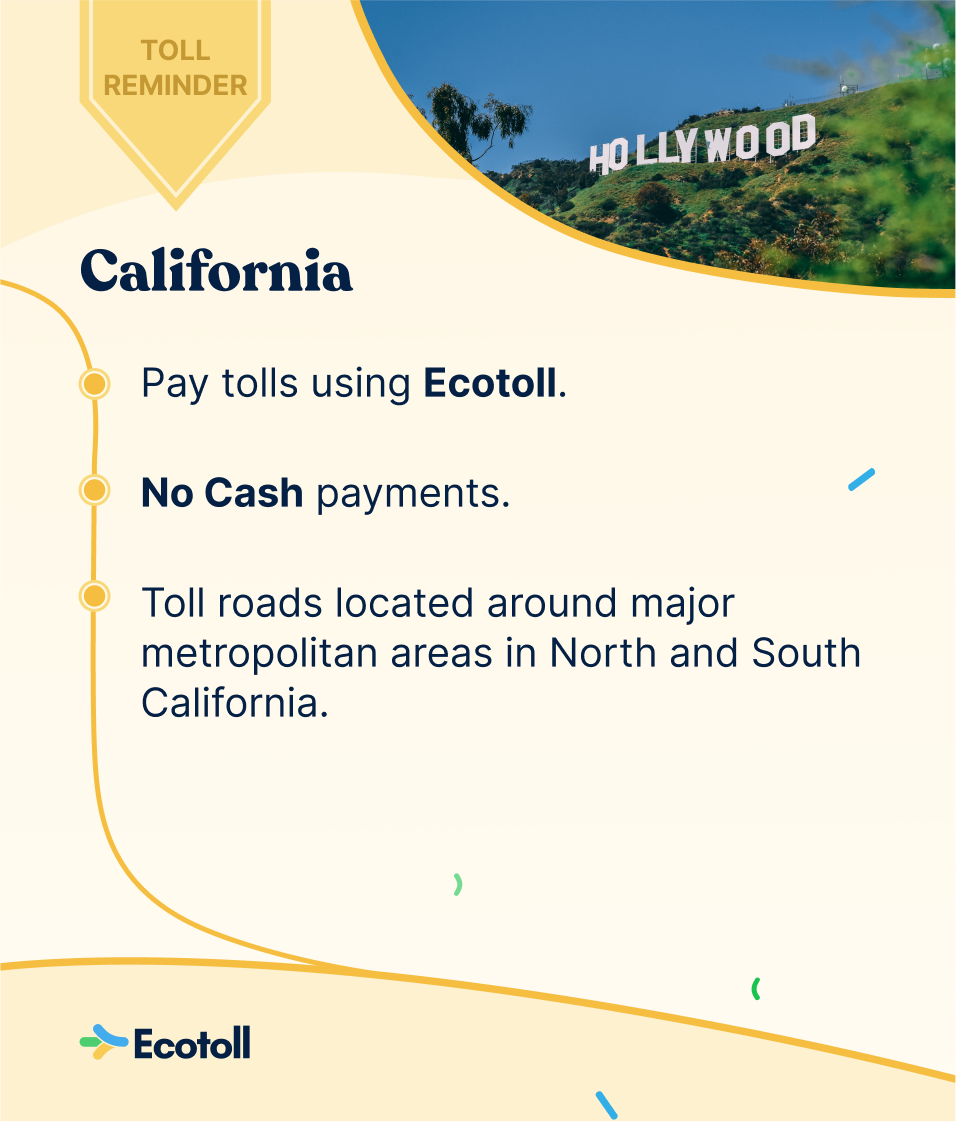
Embarking on a journey across California promises breathtaking landscapes, iconic cities, and unforgettable experiences. From the bustling streets of Los Angeles to the majestic vistas of Northern California, the Golden State beckons travelers from around the globe. However, for those planning to explore by car, understanding the state’s toll road system is an essential part of trip preparation. Unlike some other states in the United States where cash payment might still be an option at toll booths, California has largely transitioned to an all-electronic toll collection system. This modern approach, while efficient, can sometimes be a source of confusion for first-time visitors or those accustomed to traditional toll plazas.
Whether you’re cruising along the scenic Pacific Coast Highway or navigating the urban sprawl to reach your hotel or resort, knowing how to properly pay tolls will save you time, stress, and potential penalties. This comprehensive guide is designed to demystify California’s toll roads, bridges, and express lanes, ensuring your travel experience is as smooth as possible. We’ll delve into the primary payment methods, offer practical tips for various travel scenarios, and help you plan your budget-friendly or luxury lifestyle trip without any unexpected detours due to unpaid tolls. By the end of this article, you’ll be well-equipped to confidently drive through California’s diverse regions, focusing on the joy of your journey rather than the logistics of toll payments.
Navigating California’s Diverse Toll Network
California’s toll infrastructure is a blend of traditional toll bridges, modern express lanes, and dedicated toll roads, primarily concentrated in metropolitan areas. Understanding where these tolls are located and what kind of system they employ is the first step to a hassle-free journey. Many of these routes offer improved traffic flow and reduced congestion, making them appealing options for travelers on a tight schedule or those simply looking for a smoother drive.
Key Toll Roads and Bridges Across the Golden State
The state’s toll infrastructure can be broadly divided into two categories: toll roads and toll bridges, with the addition of express lanes.
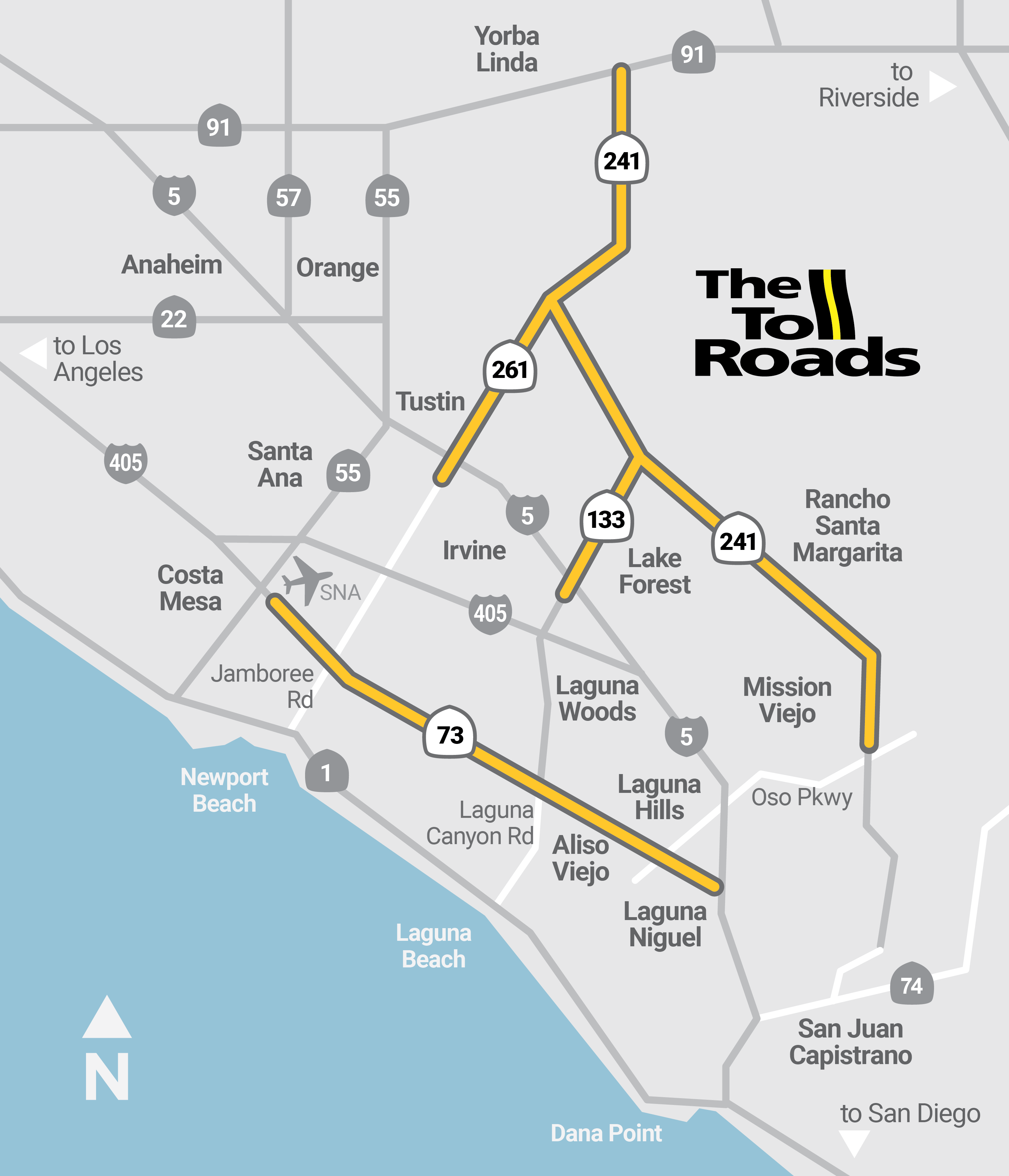
In Southern California, particularly in Orange County, you’ll encounter a network of privately operated toll roads known collectively as The Toll Roads of Orange County. These include SR 73, SR 133, SR 241, and SR 261. These routes provide convenient bypasses around congested freeways, particularly when heading to attractions like Disneyland or coastal destinations. All of The Toll Roads of Orange County are completely cashless, relying exclusively on electronic payment methods.
When you venture into the Bay Area in Northern California, you’ll find a series of iconic toll bridges. The most famous, the Golden Gate Bridge, operates an all-electronic toll system, collecting tolls only in the southbound direction (into San Francisco). Similarly, other major bridges managed by the Bay Area Toll Authority, such as the San Francisco-Oakland Bay Bridge, Carquinez Bridge, Benicia-Martinez Bridge, Antioch Bridge, Dumbarton Bridge, Richmond-San Rafael Bridge, and San Mateo-Hayward Bridge, also utilize all-electronic toll collection. Tolls are typically collected in one direction, usually inbound to the urban centers.
Beyond dedicated toll roads and bridges, California also features an increasing number of Express Lanes, also known as High Occupancy Toll (HOT) lanes. Examples include the I-10 Express Lanes in Los Angeles and the SR-91 Express Lanes in Orange County. These lanes allow solo drivers to pay a toll for access, while carpoolers (with a specific number of occupants, often 2 or 3+) can use them for free or at a discounted rate, usually requiring a FasTrak transponder set to the correct occupancy. The toll rates for express lanes are dynamic, meaning they fluctuate based on traffic congestion to manage flow.
Understanding the FasTrak System
At the heart of California’s electronic toll collection lies FasTrak. This integrated system is the primary and most convenient method for paying tolls across virtually all of the state’s toll roads, bridges, and express lanes. Think of it as your passport to seamless travel through toll zones.
A FasTrak account is linked to a small electronic transponder that you mount on your vehicle’s windshield. As you drive through a toll point, the transponder emits a signal that is read by overhead sensors, and the appropriate toll amount is automatically deducted from your prepaid FasTrak account. The benefits of using FasTrak are numerous: it offers the lowest toll rates on most facilities, eliminates the need to stop or fumble for payment, and ensures you avoid toll violations.
There are several types of FasTrak transponders. The standard interior sticker tag is suitable for most vehicles and offers the basic FasTrak functionality. For those planning to use express lanes and needing to declare their vehicle occupancy, the FasTrak Flex transponder is essential. This device has a switch that allows you to indicate if you are driving solo or carpooling, ensuring you are charged the correct (or free) rate in HOV/HOT lanes.
Opening a FasTrak account is straightforward. You can apply online through various FasTrak Customer Service Center websites (e.g., Bay Area Toll Authority, The Toll Roads of Orange County). You typically set up a prepaid account, linking it to a credit card for automatic replenishment. For visitors, some retailers like Costco and Safeway occasionally offer pre-loaded FasTrak transponders, which can be activated online. While requiring a bit of upfront setup, FasTrak remains the most recommended method for any extended stay or frequent driving through California’s toll zones.
Seamless Payment Methods for Every Traveler
While FasTrak is the gold standard for toll payment in California, the state’s system does provide alternative solutions for those who don’t have a transponder or are making a one-off trip. Understanding these options is crucial for ensuring compliance and avoiding unexpected fines. Regardless of whether you’re embarking on a family trip, a business stay, or a solo adventure, there’s a payment method tailored to your needs.
Electronic Payments: Your Go-To Option
As discussed, an active FasTrak account with a transponder is the most efficient way to pay tolls. It ensures that you always pay the lowest possible toll rate and never miss a payment. Setting up an account involves providing vehicle information and funding a prepaid balance, which can be automatically topped up as needed. For frequent travelers or residents, this system is indispensable, offering peace of mind and streamlining journeys. The ease of use and potential toll discounts make FasTrak a wise investment for anyone spending significant time driving in California.
For visitors from other states who might have a compatible electronic toll transponder (e.g., E-ZPass in some eastern states), it’s important to note that direct interoperability with California’s FasTrak system is not universal. While efforts are underway to expand interoperability, it’s best to confirm compatibility before your trip. When in doubt, assume your out-of-state transponder will not work and plan to use one of California’s accepted payment methods to avoid violations. Checking the specific toll authority’s website for the bridges or roads you plan to use is always the most reliable source of information.
One-Time Payment Options for Occasional Users
If you’re an infrequent user of California’s toll facilities or an out-of-state visitor without a FasTrak transponder, the one-time payment option is your best friend. This system allows you to pay tolls online, even if you don’t have an account. You typically have a window of five days before and five days after your toll crossing to make a payment.
To make a one-time payment, you’ll need your vehicle’s license plate number and a credit card. You can visit the websites of the relevant toll authorities: The Toll Roads of Orange County for southern California toll roads, and Bay Area Toll Authority for the Bay Area bridges and their associated FasTrak Customer Service Center portals. Some platforms, like the FasTrak website itself, allow you to pay for tolls on most California facilities. It’s crucial to specify the date and time of your crossing, and often the entry/exit points, to ensure the payment is accurately applied to your vehicle.
Payments can also sometimes be made over the phone or in person at designated FasTrak Customer Service Center locations. This flexibility ensures that even spontaneous trips through toll zones can be managed without accumulating fines. However, it requires a bit more active management on your part compared to the automatic deductions of a FasTrak transponder.
Navigating Tolls with Rental Cars

For many visitors, a rental car is the primary mode of transportation. Understanding how rental car companies handle tolls is paramount, as their policies can significantly impact your overall travel expenses. Most major rental car agencies in California have agreements with toll authorities to provide a convenience service for their customers.
Typically, rental car companies offer their own toll payment programs. These programs often automatically enroll your vehicle, and any tolls incurred will be charged to the credit card you used for the rental, usually with an additional administrative fee per toll or per day of use. While convenient, these fees can quickly add up, turning a small toll into a much larger expense. For example, a $7 bridge toll could become $15 or more with administrative charges.
It is highly recommended to inquire about the rental company’s toll policy when you pick up your vehicle. Ask specific questions:
- Do they offer an opt-out option for their toll program?
- What are the daily or per-toll administrative fees?
- Can I use my own FasTrak transponder?
- Can I pay for tolls directly myself?
If you plan to use a lot of toll roads, consider declining the rental company’s toll program if possible and instead make one-time payments yourself. Remember, you have up to five days after driving on a toll road to pay online, which can be significantly cheaper than the rental company’s fees. Alternatively, if you have your own portable FasTrak transponder (like a switchable Flex model), you can use it in your rental car, ensuring the tolls are charged to your personal account. Just remember to add the rental car’s license plate to your FasTrak account temporarily and remove it after your trip. Companies like TollPass are also sometimes offered as third-party solutions through rental agencies, providing another layer of options for managing these payments.
Avoiding Penalties and Ensuring a Smooth Journey
Unpaid tolls can quickly escalate from a minor oversight into significant penalties, potentially impacting your vehicle registration or even leading to collection actions. This section provides crucial advice for preventing these issues and ensuring that your California journey remains stress-free from start to finish. Proper planning and awareness are your best tools against unexpected fines.
What Happens If You Miss a Toll Payment?
California’s all-electronic toll system relies on cameras to capture license plate images of vehicles that pass through toll points without an active FasTrak transponder. If a toll is not paid through a one-time payment within the specified window (typically five days before or after the crossing), the registered owner of the vehicle will receive a “Toll Invoice” in the mail.
The initial Toll Invoice includes the original toll amount. If this invoice is not paid by its due date, it will be followed by a “Delinquent Toll Notice,” which adds substantial penalties. These penalties can significantly increase the total amount owed, often multiplying the original toll several times over. For instance, a $7 bridge toll could quickly become $50 or more with accumulated fines.
Continued non-payment can lead to even more severe consequences:
- Vehicle Registration Holds: Unpaid tolls and penalties can result in a hold being placed on your vehicle’s registration by the California Department of Motor Vehicles (DMV), preventing you from renewing your registration until the tolls are paid.
- Collection Agencies: Severe or numerous unpaid tolls may be referred to collection agencies, further impacting your credit score and legal standing.
- Out-of-State Drivers: Even if you’re an out-of-state driver, your home state’s DMV may cooperate with California authorities regarding vehicle registration holds or notifications of outstanding tolls.
It’s critical to address any Toll Invoice promptly. You can often dispute a toll if you believe it was issued in error, but swift action is always recommended.
Essential Tips for Out-of-State and International Visitors
For visitors, especially those from outside California or the United States, navigating the state’s cashless toll system can be particularly challenging. Here are some essential tips to ensure a smooth journey:
- Plan Your Route in Advance: Before setting out, use mapping applications like Google Maps or Waze. Most modern GPS and mapping apps have settings that allow you to “avoid tolls” or at least highlight toll roads, giving you the option to choose your preferred route. This is especially helpful if you are trying to manage a budget travel plan.
- Consider a Temporary FasTrak Account: If you plan to drive frequently on toll roads or for an extended period, consider opening a temporary FasTrak account. You can often purchase a FasTrak sticker tag at retail locations like Costco or Safeway and activate it online, loading it with a pre-paid balance. Remember to associate your rental car’s license plate with the account.
- Be Proactive with One-Time Payments: If you don’t use FasTrak or a rental car company’s service, make a note of any toll roads or bridges you cross. Immediately after your journey (or within the five-day window), visit the relevant toll authority website (e.g., The Toll Roads of Orange County, Bay Area Toll Authority via FasTrak) to make a one-time payment using your license plate number.
- Understand Rental Car Policies: As detailed earlier, always clarify your rental car company’s toll policy. Opting out of their expensive programs and managing payments yourself can save you a considerable amount.
- Check Online Resources: Bookmark the main FasTrak website (www.bayareafastrak.org or thetollroads.com for Orange County specific routes) and review the “Pay a Toll” or “One-Time Payment” sections.
By taking these precautions, you can confidently explore California’s stunning destinations and landmarks without the worry of unexpected toll fines.
Enhancing Your California Travel Experience
Understanding California’s toll system isn’t just about avoiding fines; it’s about optimizing your entire travel experience. From budgeting considerations to choosing the most scenic routes, knowledge of tolls can profoundly influence your trip planning, aligning with your desired lifestyle and tourism goals.
Budgeting for Tolls on Your Trip
When planning your California adventure, tolls are an often-overlooked expense that can significantly impact your travel budget, whether you’re aiming for luxury travel or sticking to a tight budget travel plan. Toll costs can vary widely depending on the road, time of day, and vehicle occupancy (for express lanes). For example, crossing the Golden Gate Bridge will incur a fixed toll, while using the SR-91 Express Lanes during rush hour could be substantially more expensive.
Consider the following when budgeting:
- Route Planning: Map out your intended routes, identifying all potential toll points. Websites like FasTrak or the specific toll authority sites often have toll calculators or rate schedules.
- Frequency of Use: If you plan on frequently using toll roads, investing in a FasTrak transponder will almost always save you money due to lower rates compared to one-time payments or rental car programs.
- Accommodation Choices: The location of your accommodation (be it a suite, apartment, or villa) might influence your daily commute and thus your toll exposure. Staying closer to your primary attractions could reduce toll road usage.
- Carpooling vs. Solo Driving: For express lanes, carpooling with friends or family can significantly reduce or eliminate toll costs, especially if you have a FasTrak Flex transponder.
Factor these potential costs into your overall travel budget, alongside expenses for hotels, food, and activities, to ensure a holistic financial plan for your California adventure.
Exploring California’s Diverse Regions
California’s immense geographical diversity means that your toll payment strategy might need to adapt as you move between regions.
- Bay Area Expeditions: When exploring San Francisco and its surroundings, you’ll almost certainly encounter toll bridges. Having a FasTrak transponder is highly beneficial here for efficient crossings. Whether you’re visiting the historic Alcatraz Island or enjoying the vineyards of Napa Valley, bridge tolls are a common part of the journey.
- Southern California Adventures: Driving from Los Angeles to San Diego, or exploring the beaches of Orange County and the desert beauty of Palm Springs, you might encounter both toll roads and express lanes. These can offer faster travel times, which is particularly useful for maximizing your time at popular attractions or arriving punctually for tours.
- Central Valley and Sierra Nevada: Areas like the Central Valley or routes leading to Lake Tahoe and Yosemite National Park are generally free of tolls, but you might cross toll facilities when approaching them from the major metropolitan hubs.
Embrace the convenience that toll roads and express lanes offer, as they can significantly reduce travel times, allowing you more opportunity to immerse yourself in California’s rich local culture and stunning natural wonders. Use guides and local tips to navigate these routes with confidence.
In conclusion, paying tolls in California is an entirely electronic process, streamlined for efficiency but requiring a bit of foresight from drivers. Whether you opt for the convenience of FasTrak, utilize one-time payments for occasional use, or carefully manage rental car toll policies, knowing your options is key. By taking the time to understand the system, you ensure a smoother, more enjoyable, and penalty-free exploration of all the Golden State has to offer, from vibrant city landmarks to tranquil natural destinations. Drive safely, plan wisely, and savor every moment of your California adventure!
LifeOutOfTheBox is a participant in the Amazon Services LLC Associates Program, an affiliate advertising program designed to provide a means for sites to earn advertising fees by advertising and linking to Amazon.com. Amazon, the Amazon logo, AmazonSupply, and the AmazonSupply logo are trademarks of Amazon.com, Inc. or its affiliates. As an Amazon Associate we earn affiliate commissions from qualifying purchases.